
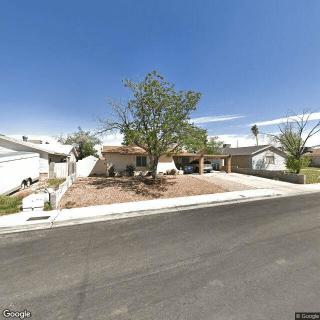
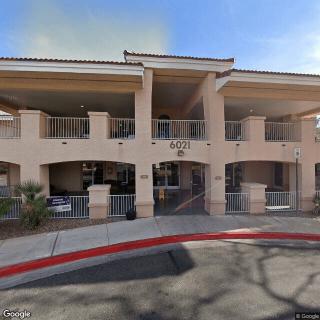
1516 Winwood Street, Las Vegas, NV 89108
For more information about senior living options: (866) 208-4318
Overall Review of Martha'S House Senior Living
Pros
 The owners and staff at Mothers Touch provide wonderful care for loved ones and keep families informed.
- Mothers Touch cared for residents in their last months with attentive and supportive service.
- The staff at Mothers Touch are caring and treat residents like royalty, and the home is clean and well kept.
- Martha’s House offers a wonderful, family-like atmosphere with exceptional caregivers; the owners are devoted and genuinely care about residents.
- Lynn, the office manager and lead caregiver, is the heart of Martha’s House and ensures each resident’s comfort and happiness.
- After six months, the grandmother thrives and loves life at Martha’s House, with families wishing they’d moved her sooner.
- The care at Martha’s House is top-notch, with a warm environment and dedicated staff.
- The staff at Mother's Touch have become like an extension of the family, providing personalized care in an immaculate, home-like setting.
- Martha's House is described as an answer to prayers, with residents treated like family and highly recommended.
- The home at Martha's House is warm and inviting, with hands-on ownership and regular guidance to the staff.
- The physical care of residents at Martha's House is outstanding, with skilled bathing, dressing, and grooming done gently.
- Moving a loved one to Martha's House is described as the right decision for families seeking quality care.
Cons
 The nighttime staff at the large corporate senior living facility was neglectful, and that neglect led to her injury.
 - The family’s fear that their aging loved ones would be neglected in a facility became a reality there.
- They were depressed by the many facility options they were considering.
- The former daycare environment where the husband stayed was very noisy, and he hated it.
Review
Martha’s House Senior Living in Las Vegas is best suited for families seeking a small, home‑like residence where senior care feels intimate, personal, and genuinely attentive. This community thrives when residents value hands‑on involvement from owners, regular communication with families, and a warm, non‑institutional environment. In practice, it serves seniors who prefer predictable daily routines, meaningful interaction, and the sense that a caregiver is truly part of the family. For elders who require extensive clinical oversight, memory‑care programming on a campus, or a larger community with broader on‑site amenities, alternatives may offer a better fit.
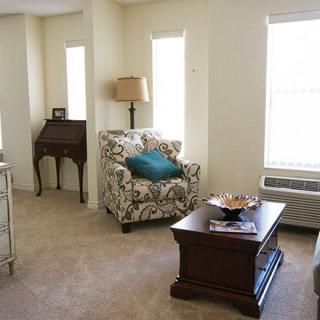
The strongest draw is the eight‑resident footprint, which enables highly individualized care. Families consistently praise the intimate attention residents receive, with staff who know each person’s preferences, routines, and needs. The owners are visibly involved, and the staff are described as extending beyond mere care to become part of the family. The facility itself reinforces this culture: clean, welcoming, and decorated in a home‑like manner rather than an institutional style. Residents have private rooms and the freedom to move about, step outdoors, and participate in normal daily activities, all of which translate to lower stress for families and higher comfort for the person living there. The food, personal care, and the overall atmosphere are repeatedly highlighted as strengths, with daily celebrations and engaging activities that keep the days lively without feeling clinical.
Another cornerstone is the caregiving approach and the people delivering it. Reviews consistently elevate Lynn, the office manager and lead caregiver, and Emily, the owner, for running the home as if it were their own. This hands‑on, accountable leadership translates into a consistently high standard of bathing, dressing, and grooming that residents experience with minimal disruption or trauma. The staff’s ability to tailor routines and respond quickly to changing needs is framed as a major advantage, one reviewer even describes the care team as “magicians” in personal care. Families note that the atmosphere reduces stress during what can be an emotionally fraught time, allowing more opportunity to share peaceful moments with loved ones in their final months or years.
The consistent, family‑style care does come with trade‑offs. The small, intimate setting means fewer on‑site resources than larger facilities, and those seeking a full slate of specialized services or campus‑level memory‑care programming may feel the absence of a bigger clinical infrastructure. For residents with rapidly evolving medical needs or behaviors requiring intensive handling, the limits of a home‑like environment could become a hurdle. While the reviews celebrate individualized attention, families should anticipate a model that prioritizes comfort, dignity, and daily quality of life over comprehensive, hospital‑grade medical oversight.
Yet these potential drawbacks are largely mitigated by the core strengths. The tight community creates dependable continuity of care, with staff turnover kept low through strong relationships and genuine commitment. The home’s atmosphere, safe, serene, and occasionally festive with dance parties, holiday décor, and sing‑alongs, produces a level of joy that can lessen the emotional burden of caregiving. For families weighing options, Martha’s House represents a practical trade: an environment where residents are known well, cared for with warmth, and supported by owners who treat every inhabitant as family, at the expense of access to larger‑scale medical amenities or formal memory‑care programming.
The decision comes down to priorities. If the goal is an emotionally resonant, low‑stress living arrangement that honors independence within a protective, familial setting, Martha’s House delivers with impressive clarity. If the priority is robust clinical infrastructure, expansive social programming across a larger campus, or advanced dementia‑specific modalities, alternative communities will likely be a better match. Prospective families should arrange visits to assess how well the atmosphere aligns with their loved one’s personality, and to verify practical details such as private room expectations, meal customization, outdoor access, and responsiveness to evolving care needs. Above all, warmth, trust, and a sense of “home” will be the deciding factors in this choice.
 8 resident community capacity
 Assisted Living
 Cable or satellite TV
 Dining room
 Fully furnished
 Garden
 Housekeeping services
 Move-in coordination
 Outdoor space
 Telephone
 Wi-Fi/high-speed internet available
 McCarran International (8 miles away)
 24-hour supervision
 Activities of daily living assistance
 Assistance with bathing
 Assistance with dressing
 Assistance with transfers
 Diabetes diet
 Meal preparation and service
 Medication management
 Special dietary restrictions
 Transportation arrangement (medical)
 Transportation to doctors appointments


 When to Transition from Assisted Living to Memory Care: Key Indicators, Steps, and Finding the Right Community
 Assisted Living and Memory Care: Understanding Their Core Differences
 Beyond the Bingo Hall: 50+ Enriching Activities for Seniors in Assisted Living