

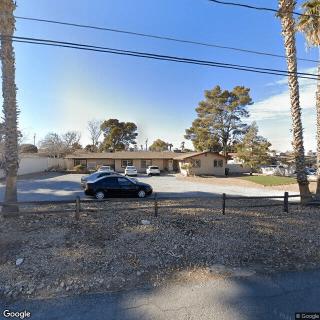
1701 Blue Mountain Dr, Las Vegas, NV 89108
To contact a resident: (702) 638-6095
For more information about senior living options: (866) 208-4318
Overall Review of First Care Home of Love West
Pros
 The client is happy with the new caregiver.
- The client considers the caregiver a best friend.
- Since the caregiver began, life has been smooth sailing.
- The caregiver never misses a day and is available on days that work for the client and their dad.
- The caregiver is versatile, helping with clothes, safety on walks, house cleaning, laundry, getting water, grooming, shaving, aiding standing, and even fixing a computer.
- The caregiver follows the client's requests and avoids things they don’t want.
Cons
 The reviewer notes that the worker assigned to them called off multiple times a week, including on her first day.
 - The excuse given was "Oh I forgot about you."
- After complaints, the same worker started arriving 45 minutes late every work day, with no replacement called.
- The reviewer had a fall and there was no worker there to help.
- Weeks passed with no help or communication after being told they had the "Perfect" PCA.
- Lisa interrupted the reviewer and said "That's fine" when they explained nobody had come, leading them to leave the company.
- The reviewer believes the company is only out for money, not the welfare of their clients.
- The experience is described as a horrible first impression, with health and safety seeming less important to the company.
Review
First Care Home of Love West is best suited for families seeking a highly personalized, caregiver-driven arrangement for an older adult who wants close daily companionship, practical help with daily living, and dependable in-home support. When a compatible caregiver is matched, the configuration can feel seamless: dressing, grooming, mobility assistance, light housekeeping, laundry, hydration, and even basic tech troubleshooting become routine. The model works well for clients who value consistency of one primary caregiver and who are comfortable with flexible scheduling to accommodate days when care may shift. This agency can deliver a strong, friend-like relationship that makes daily life safer and more manageable.
The strongest positives come when the right caregiver is in place. A compatible aide can become a trusted ally, handling tasks efficiently, ensuring safety on walks, helping with clothes and grooming, and managing housekeeping and daily errands. The best experiences reflect consistent attendance, with no unnecessary days off, and a respectful boundary around what is requested and what is declined. When matching succeeds, the caregiver becomes a reliable daily partner who can adapt to changing needs and preferences, offering practical support that preserves independence and peace of mind for both client and family. The agency’s willingness to replace a mismatched caregiver without fuss is a meaningful safeguard, signaling a client-centered approach rather than a rigid, one-size-fits-all assignment.
But the cautionary tale is real and must be weighed heavily. One review details chronic no-shows, repeated cancellations, and significant lateness, with minimal communication and little accountability from the office. The experience of a fall occurring during a period of caregiver absence underscores how fragile coverage can become when reliability is lacking. The perception of indifference, office staff talking over concerns and offering a shrug rather than a plan, erodes trust and raises legitimate safety concerns for someone managing serious health issues. In practical terms, this is not a marginal flaw; it is a potential crisis in disguise if not addressed with airtight scheduling and escalation procedures.
Those weighing this service should recognize that the primary value rests on dependable, stable caregiving and clear, proactive communication. The main offset to the cons is a concrete, well-structured plan: guaranteed backup coverage, rapid caregiver replacement when needed, and transparent, timely updates about who is coming and what is being done. Without those protections, the positives are hollow. Prospective families should demand written policies that spell out backup options, exact contact points, and a process for escalating problems if a caregiver is late or absent. Daily activity logs and periodic reviews should be built into the package to ensure accountability and ongoing alignment with the client’s evolving needs.
Alternatives deserve careful consideration in a market where reliability varies. Look for agencies with proven caregiver retention, predictable staffing, and explicit, client-accessible contingency plans. Seek references from families with similar medical needs to gauge how issues are resolved in real life. Ask for a clear trial period to test compatibility, and verify how caregiver swaps are handled, including expected response times. For some families, a provider with stronger preventive scheduling and on-call backup may be preferred, or even a transition to an assisted living setting that offers round-the-clock supervision if the risk of coverage gaps is unacceptable.
Bottom line: First Care Home of Love West can deliver meaningful, life-enhancing assistance for seniors who prioritize a strong personal caregiving relationship and who operate within a framework of solid scheduling safeguards. It may not be the right fit for anyone who cannot tolerate even periodic gaps in coverage or delays in response. Families should insist on a detailed operations plan, including guaranteed backup coverage, a dedicated care coordinator, and transparent communication channels before committing. With those safeguards, this community can catalyze real improvements in daily living; without them, it is prudent to explore alternatives that demonstrate steadier staffing and clearer accountability.
 Board and Care Home
 McCarran International (8 miles away)


 Exploring the World of Home Health Nurses: Qualifications, Roles, and Hiring Tips
 Navigating Medicare Coverage for In-Home Care Services
 In-Home Care Costs in 2025: A Detailed State-by-State Exploration