
2945 Maverick Street, Las Vegas, NV 89108
For more information about senior living options: (866) 208-4318
Overall Review of Golden Years Residential Care II
Pros
 The staff and management at Oasis Senior Care are described as great.
- The staff treat residents like family, creating a warm and friendly atmosphere.
- Brenda is described as a joyful caregiver who brings laughter to patients.
- Scott and Nicole are consistently available and supportive during transitions.
- The facility is clean, and residents appreciate the thoughtful care that makes them feel comfortable and loved.
Cons
 He was not always the best patient.
Review
Golden Years Residential Care II in Las Vegas is best suited for families seeking a small, home-like setting where caregiving feels deeply personal. The community, operated by Oasis Senior Care, earns high marks for staff and management that treat residents like family. It isn’t a clinical, impersonal facility; visits feel warm and welcoming, with residents often expressing appreciation for the staff’s kindness. The relationship between caregivers and residents tends to endure, as staff know individual routines, preferences, and histories. In difficult moments, the resident’s final days, the care team provides steady, comforting presence that eases anxiety for both residents and families. Cleanliness and attentiveness are repeatedly highlighted, reinforcing a sense of safety, familiarity, and belonging.
Who may want to consider alternatives? Those prioritizing extensive on-site medical acuity or a large, activity-rich campus may want to explore other options. If daily needs require frequent high-level medical oversight, multiple specialists, or a broad program of activities and transportation services, a bigger community could be more suitable. Families seeking maximal privacy, independent living elements, or dementia-specific programming might also find a different setting preferable. The strongest praise here centers on intimate, hands-on care rather than expansive amenities, so expectations aligned with a quieter, family-style model should guide the decision.
The key pros seamlessly offset the primary considerations by delivering care that feels personalized and dependable. The standout asset is the staff and management, the capacity to connect with residents, respond quickly, and maintain a consistently warm, family-like atmosphere. Care here goes beyond routine tasks to include genuine presence, humor, and tailored attention. Examples from the reviews illustrate Brenda’s pivotal role with a father who was not always easy, yet who benefited from her warmth and ability to bring a smile. Other staff, like Scott and Nicole, are described as reliably available during transitions. This level of attentiveness reduces family anxiety and creates daily moments of comfort and dignity for residents, which concrete benefits often outweigh concerns about fewer on-site resources.
Equally compelling is the sense of belonging that permeates daily life. Residents feel valued, and families observe a teamwork mentality among caregivers that reinforces a supportive social fabric. The atmosphere remains consistently warm, with staff anticipating needs and enabling meaningful interaction during visits. Cleanliness and steady maintenance of the living space further reinforce trust in the environment. The combination of compassionate caregiving and practical, everyday responsiveness yields stability for seniors who crave companionship, respect, and predictable routines, without the hollow impersonality sometimes found in larger complexes.
Where caveats exist, they relate more to scale than to character. The small-community model naturally offers fewer high-visibility amenities and a narrower spectrum of on-site medical services than bigger campuses. Prospective residents should verify how care plans are coordinated with external physicians and what steps are taken if a resident’s condition requires more intensive monitoring. Continuity of caregiving is a strength here, but confirming average staff-to-resident ratios, shift patterns, and emergency procedures will illuminate how resilient the operation remains during acute days. In short, the advantages lie with consistent, attentive caregiving rather than breadth of program options.
Bottom line: Golden Years Residential Care II is a top fit for families who want a nurturing, neighborly atmosphere where staff truly becomes an extension of the family and residents feel seen, comfortable, and cared for in daily life and during end-of-life moments. It is less suited for households prioritizing high-acuity medical resources, a bustling activity calendar, or a sprawling campus. Prospective movers should schedule a visit, meet frontline caregivers, such as Brenda, Scott, and Nicole, and observe whether the daily rhythm aligns with the resident’s needs and personality. When the match is right, the result is care that feels less like a service and more like a trusted, ongoing relationship.
 10 resident community capacity
 Assisted Living
 Cable or satellite TV
 Dining room
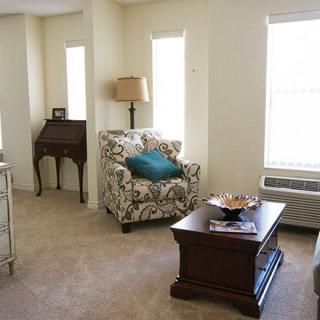
 Fully furnished
 Garden
 Housekeeping services
 Move-in coordination
 Outdoor space
 Telephone
 Wi-Fi/high-speed internet available
 McCarran International (10 miles away)
 24-hour supervision
 Activities of daily living assistance
 Assistance with bathing
 Assistance with dressing
 Assistance with transfers
 Diabetes diet
 Meal preparation and service
 Medication management
 Special dietary restrictions
 Transportation arrangement (medical)
 Transportation to doctors appointments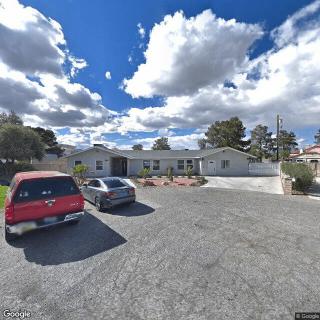




 Comprehensive Insights into Activities of Daily Living (ADLs) and Their Assessment
 Medicare Coverage for Assisted Living: An In-Depth Exploration
 Choosing the Right Senior Care: A Detailed Exploration of Assisted Living and Nursing Homes