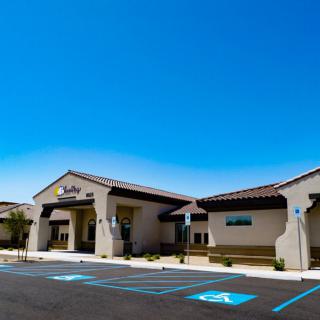
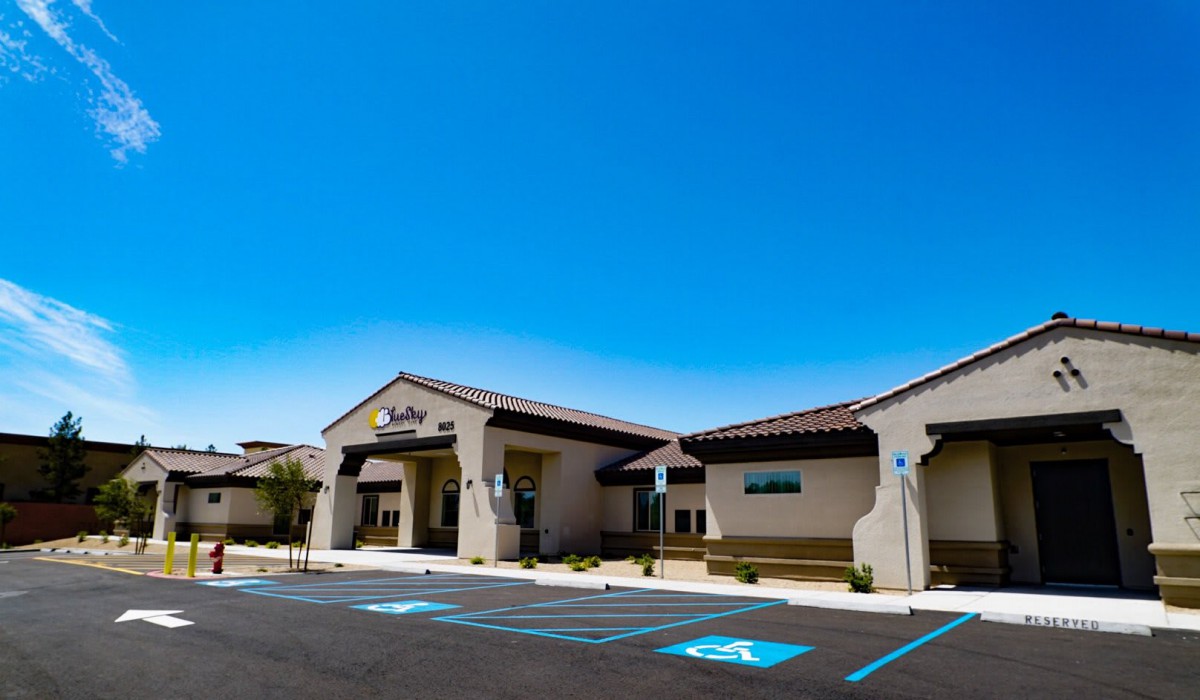
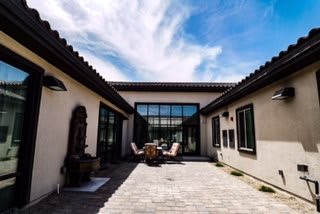
8025 Amigo Street, Las Vegas, NV 89123
For more information about senior living options: (866) 208-4318
Blue Sky Memory Care Costs & Pricing
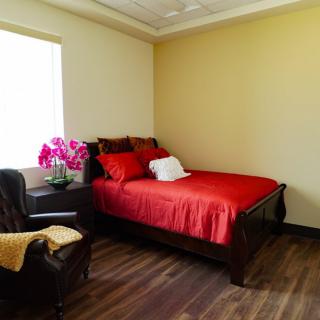
Blue Sky Memory Care offers a studio room at a monthly rate of $4,800, which notably exceeds both the average costs for Clark County and the broader state of Nevada. In Clark County, similar accommodations typically cost around $3,407 per month, while the statewide average stands at approximately $3,567. This pricing reflects Blue Sky's commitment to providing specialized care tailored to individuals with memory-related challenges, potentially justifying the higher rates through personalized services and an enriched living environment that prioritizes resident well-being. For families considering memory care options in this region, it's important to weigh the premium associated with Blue Sky against its unique offerings and quality of care.
| Floor plans | Blue Sky Memory Care | Clark County | Nevada |
|---|---|---|---|
| Studio | $4,800 | $3,407 | $3,567 |
Memory care communities with a similar price nearby
-
from -$900 / mo
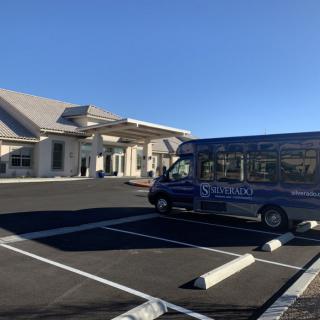
Silverado Red Rock
$3,900 to $8,990 / month13.3 miles away -
from +$330 / mo
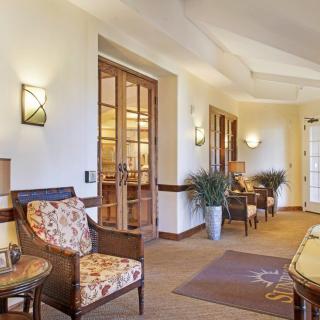
Sunrise of Henderson
$5,130 to $6,840 / month5.7 miles away -
from -$900 / mo

Legacy House of Southern Hills
$3,900 to $5,800 / month8.9 miles away -
About the same
Elkhorn Jones Memory Care
$4,700 / month17.5 miles away -
from -$950 / mo

Legacy House of Centennial Hills
$3,850 to $6,100 / month18.8 miles away
Overall Review of Blue Sky Memory Care
Pros
 He has never had a UTI or dehydration at Blue Sky.
- He is constantly cared for by the caregivers.
- Every visit, he is properly cared for and clean.
- There are no odors in the facility.
- The owner visits almost daily and cares for all the residents.
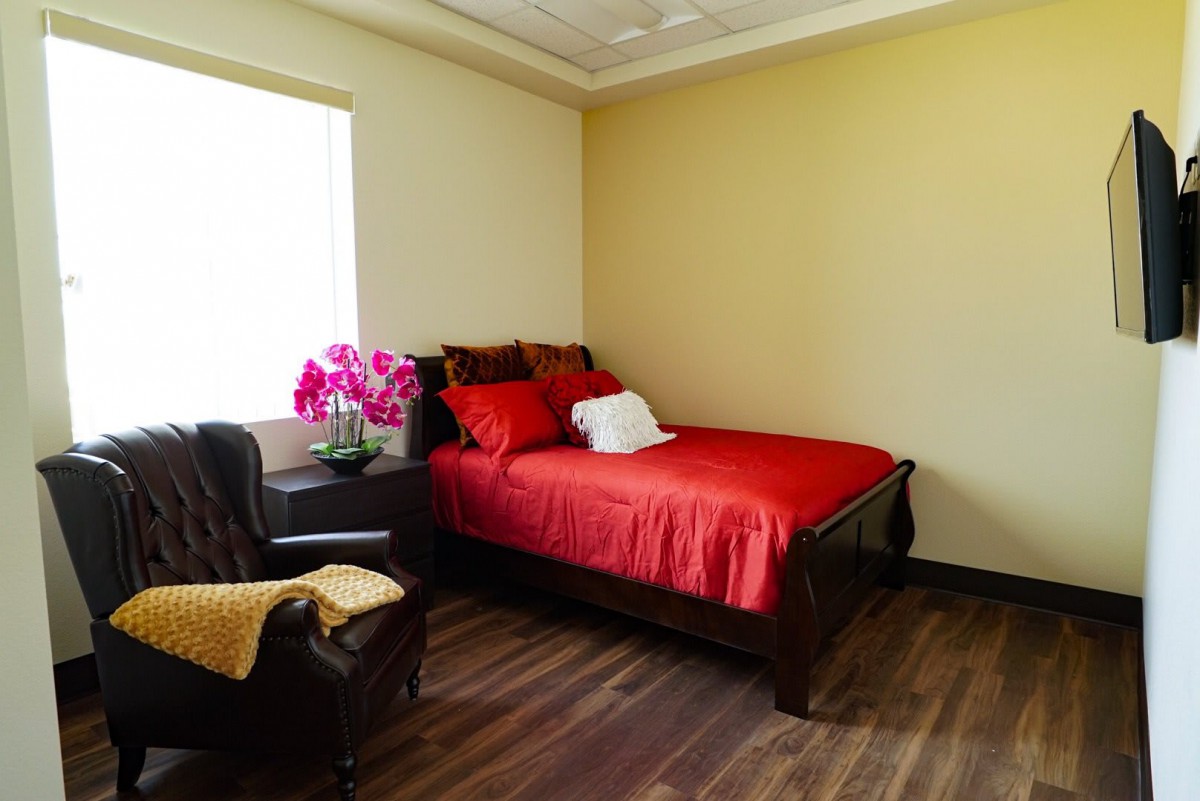
- The owner ensured every resident has a TV in their room, and the sound keeps them company.
- His kindness shows, and he is a respected doctor in town.
- The staff are aware of each resident's individual needs.
- The caregivers interact well with each resident.
- The meals are varied and of good quality.
- They offer engaging activities for residents, including darts, poker, and shuffleboard.
- They encourage families to meet and connect on the journey.
Cons
 The facility does not care well for its residents.
- Staff were observed pushing wheelchair-bound residents with feet dragging on the ground and yanking residents with butt wounds into chairs.
- The staff lack knowledge, even though they claim to care for residents as if they were their own family.
- The person heading the facility is uncaring and lies at every turn.
- One reviewer would not recommend Blue Sky Memory Care to others.
Review
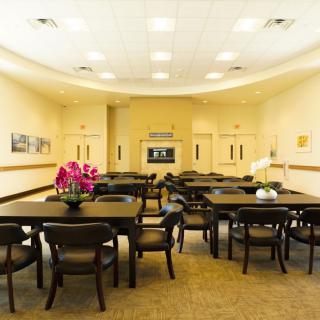
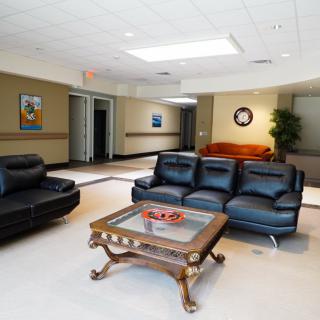
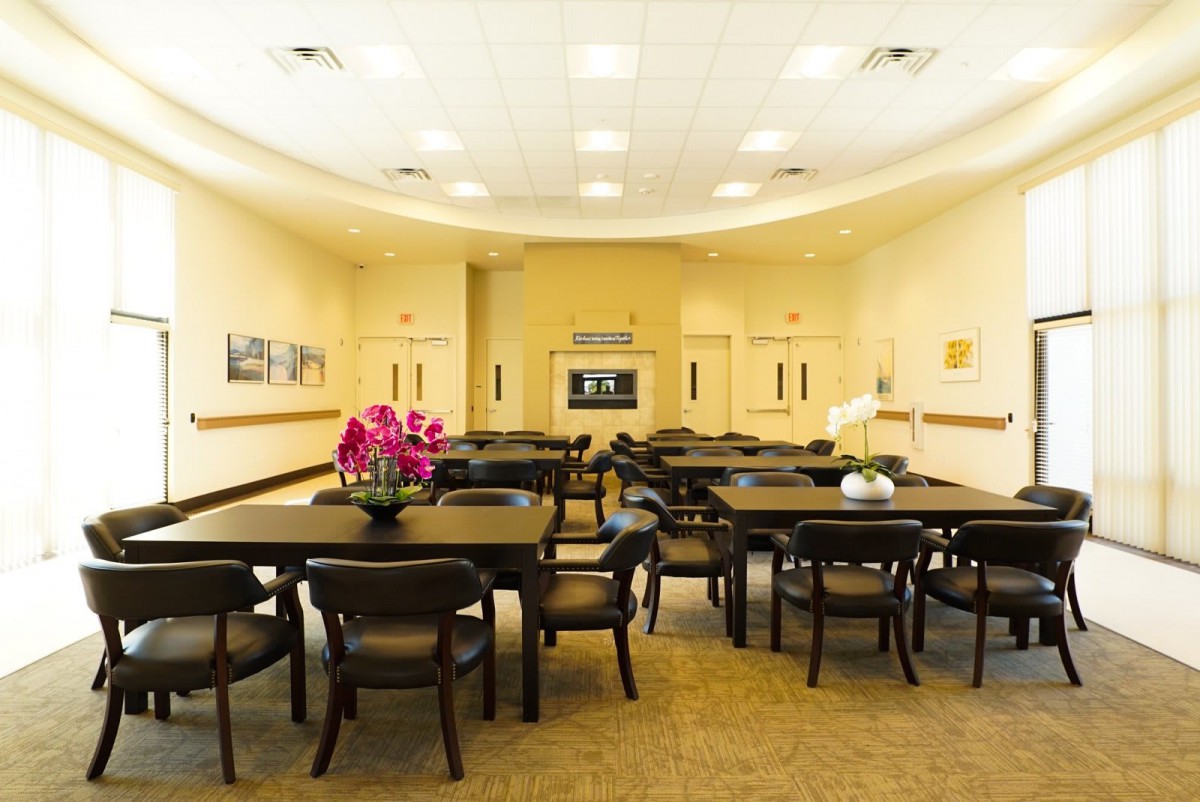
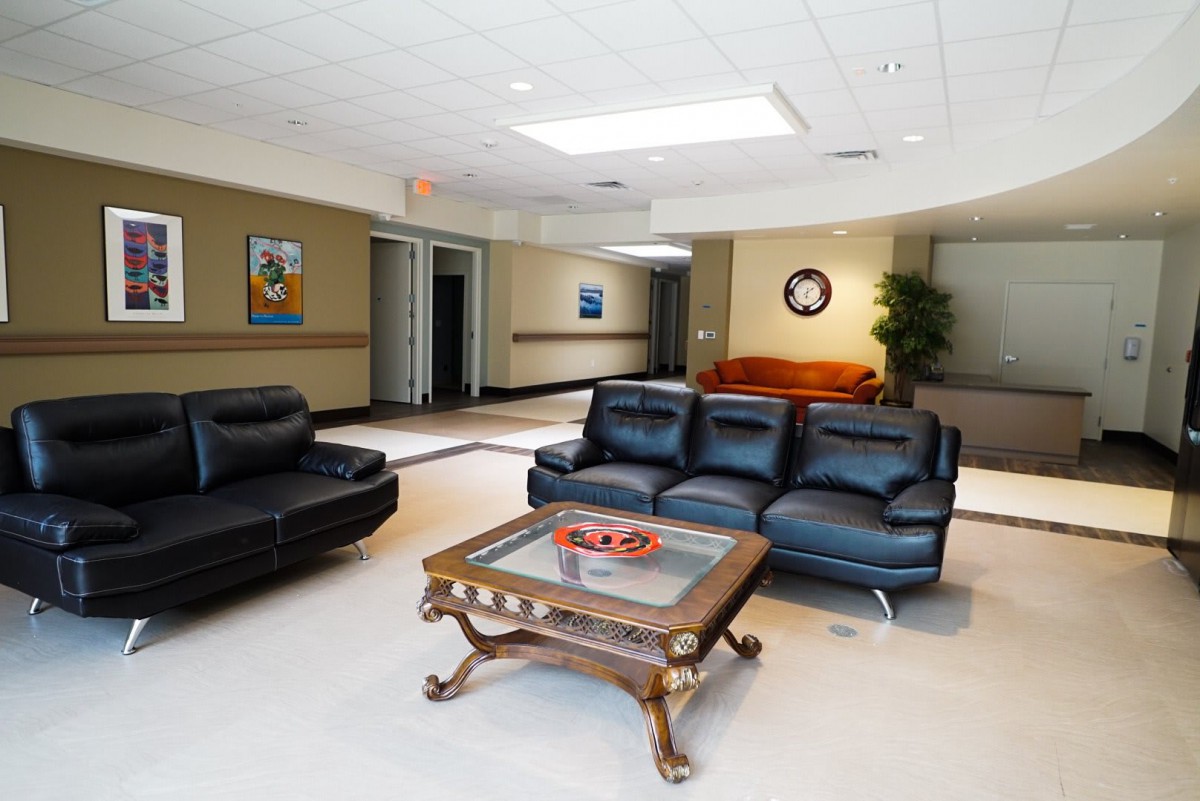
Blue Sky Memory Care in Las Vegas is best suited for families seeking a small, hands-on memory-care setting where residents receive very present, caregiver-focused attention and where medical oversight is integrated into daily care. The community’s hallmark is its intimate scale, with families repeatedly noting a calm, clean environment and staff who interact with residents consistently. The owner-physician’s daily presence stands out as a defining feature, signaling that care decisions come from someone who understands medical nuance and resident comfort. For families prioritizing a homey atmosphere, regular staff availability, and visible leadership, Blue Sky presents a compelling match.
Those considering alternatives should note a few important caveats. The facility is brand-new, which can mean a slower ramp-up for transportation, outings, and a fully fleshed-out activities calendar. While daily exercise, games, arts and crafts, and social moments are present, some families may want more robust off-site programming or bus access from day one. Additionally, a small number of reviews raise red flags about staffing consistency and leadership approach. Prospective families mindful of consistent, proactive advocacy, rigorous staff training, and transparent leadership should weigh those concerns against the positives and verify current operations during visits.
The strongest positives, small-community intimacy, attentive caregivers, and a clean, odor-free environment, often offset concerns about scale and early-stage growing pains. Families report that caregivers are genuinely involved, with the owner’s frequent oversight reinforcing accountability and a culture of care. The in-house medical coordination, such as CareMore integration, reduces the need for residents to travel outside the facility for routine care, a meaningful weight in favor of families seeking seamless medical support. Meals are described as frequently changing and appetizing, and the environment emphasizes comfort (including room TVs and companionship through sound), which can meaningfully improve daily well-being and reduce hospitalizations tied to dehydration or infections. For residents with a history of UTIs or dehydration, the improvements observed after transition from prior care settings provide a persuasive counterpoint to any doubts about quality.
Still, the negative experiences voiced by a subset of reviewers cannot be dismissed. Allegations of staff pushing chair-bound residents or manipulating movements, along with claims about staff knowledge gaps and leadership perceived as uncaring or untruthful, point to real safety and trust concerns that must be explored directly. Because such reports contrast sharply with most other impressions, families should insist on transparent conversations about staff training, supervision, and incident handling. The brand-new status of the campus, while exciting, also implies a period of adjustment; families should confirm current staffing levels, turnover, and the availability of experienced memory-care specialists to ensure consistency as the community grows.
Transportation and community engagement are practical decision drivers. The absence of a dedicated bus service and off-site outings at this stage means Blue Sky may be less suitable for families who prioritize frequent excursions or require easier access to community activities beyond the facility’s walls. Yet, the emphasis on in-house care, small-group dynamics, and family involvement can compensate for this limitation for many families who value intimate settings over external programming. Prospective residents should confirm the status of planned outings, evaluate whether the calendar satisfies their loved one’s social needs, and assess how family participation is supported as the community scales.
In the end, Blue Sky Memory Care offers a persuasive profile for those prioritizing intimate scale, visible caregiver dedication, and integrated medical oversight, with a notable sense of community among residents and families. It is less compelling for families who demand robust, routine off-campus activity calendars from day one or who require assured staffing consistency without question. The best course is a deliberate, repeated on-site evaluation: observe caregiver interactions, questions around safety protocols and staff training, speak with multiple families, and confirm how the owner’s medical leadership translates into day-to-day decision-making. For the right family, Blue Sky can feel like a trusted, almost familial fit; for others, it warrants comparison against facilities with longer track records or broader external programming.
 26 resident community capacity
 Assisted Living
 Memory Care
 Activities off-site
 Air-conditioning
 Beautician on-site
 Cable or satellite TV
 Devotional services off-site
 Dining room
 Fully furnished
 Garden
 Ground floor units
 Handicap accessible
 Housekeeping services
 Indoor common areas
 Kitchenette
 Move-in coordination
 Outdoor common areas
 Respite or short term stays offered
 Telephone
 Wheelchair accessible showers
 Wi-Fi/high-speed internet available
 McCarran International (3 miles away)
 24-hour call system
 Ambulatory care
 Assistance with bathing
 Assistance with dressing
 Assistance with transfers
 Diabetes diet
 Incontinence care
 Meal preparation and service
 Medication management
 Mental wellness program
 Special dietary restrictions
 Transportation arrangement (medical)
 Transportation to doctors appointments
 Art classes
 Catholic services
 Cooking classes
 Educational speakers / life long learning
 Jewish services


 Why Do Dementia Patients Sleep So Much? Understanding Oversleeping, Stages, and Care Approaches
 8 Key Indicators That Suggest It May Be Time to Transition from Assisted Living to Skilled Nursing Care
 Nourishing the Mind: Essential Dietary Approaches for Dementia