

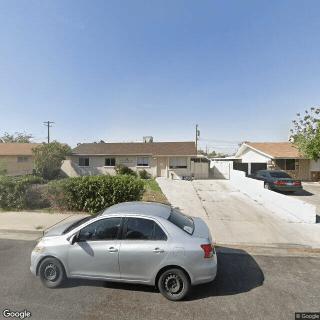
2105 Carroll st, las vegas, NV 89109
To contact a resident: (858) 335-9074
For more information about senior living options: (866) 208-4318
Overall Review of Adult Comfort and Care Home
Pros
 The facility is decent and willing to work with families.
Cons
 The place is horrible.
- The reviewer states the mother-in-law was severely dehydrated and had a UTI infection.
- Kay Pannu let her lay in bed without contacting medical emergency.
- They called 911 and she was rushed to the hospital where she stayed for weeks.
- The medical team, case workers and social workers told them not to send her back to that home.
- They warn others not to put their loved ones in Kay Pannu's facility.
- They have a lawyer on the case and they won't stop.
- It would be nice if Kay Pannu would communicate with the family.
- They left several messages and had to find another home for their mom due to non-communication.
- A late call (650pm) on a Saturday night and threats to remove their mom's social security for not using the group home are unacceptable.
- They intend to report this to social services, social security and Medicare.
Review
Adult Comfort and Care Home in Las Vegas fits best for families that need an affordable, straightforward living option where a loved one can be supervised day-to-day and where family members are prepared to play an active, hands-on role in coordinating care. The community appears to operate on a model that relies on regular family involvement to fill gaps in medical oversight, rather than on a high-touch, always-on clinical team. In practice, this means the facility can be a reasonable choice for those who can weather limited proactive medical management with clear, proactive family advocacy.
On the other hand, anyone whose priority is reliable medical responsiveness, predictable communication, and strong protections against dehydration or infections should seriously consider alternatives. If a loved one is at elevated risk for dehydration, recurring UTIs, or needs rapid medical escalation, this home risks falling short. Families that demand timely, transparent updates and a non-confrontational, steady communication channel will likely find this setting insufficient. Prospective residents who require consistent professional oversight and a documented, responsive care process should look elsewhere.
The lone positive thread in the feedback is that the place is described as decent and willing to work with families. That willingness can translate into better collaboration when families come armed with clear care plans and a consistent point of contact. Yet this potential upside is overwhelmed by the most serious downsides. The most disturbing events involve severe dehydration and a UTI that led to hospitalization, with accusations that medical emergencies were not promptly engaged. When a medical crisis is handled inadequately, every other advantage, cost, schedule flexibility, or a cooperative attitude, cannot compensate for compromised safety.
Communication failures emerge as a core, recurring fault line. Families report delays in returning calls or messages, and on at least one occasion, direct threats over billing or placement were described. The sense that important updates and changes are not communicated promptly undercuts trust and makes safe, patient-centered care difficult. In a setting where a residentā€™s health can deteriorate rapidly, consistent, proactive communication with families and appropriate medical personnel is non-negotiable. Here, those standards appear to be inconsistently met.
From a risk-management perspective, the confluence of safety concerns and communication gaps means the main cons clearly outweigh the visible, fragile pro of a cooperative management style. The facility may be affordable and superficially decent, but the price paid in safety and peace of mind is too high for most families. The prudent course is to pursue alternatives that demonstrate stronger medical protocols, higher staffing ratios, and a disciplined, transparent approach to family updates. If this community is still under consideration, insist on concrete safeguards: guaranteed 24/7 nurse access, a documented escalation plan for health concerns, direct administrative contact, written care plans with measurable goals, and verifiable referrals or responses from healthcare professionals.
Ultimately, the decision hinges on risk tolerance and advocacy capacity. For families that can maintain vigilant oversight, demand rigorous care plans, and leverage external medical channels, the option may be workable as a budget-conscious choice. For most families prioritizing safety, reliability, and clear, respectful communication, this community warrants a firm comparison against higher-rated alternatives with demonstrated track records in managing hydration, infection risk, and rapid medical response.
 Board and Care Home
 McCarran International (8 miles away)




 Essential Knowledge on Pneumonia in Older Adults
 Exploring Palliative Care in the Home: A Comprehensive Overview
 Comprehensive Insights into Palliative Home Care: What It Is and What to Expect