
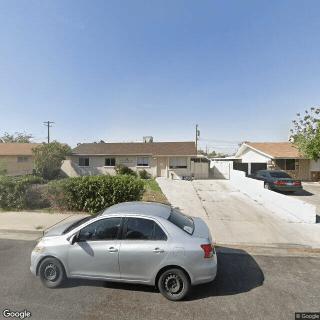
2105 Carroll Street, Las Vegas, NV 89030
For more information about senior living options: (866) 208-4318
Overall Review of Adult Comfort And Care Home
Pros
 The facility is described as a decent place that is willing to work with families.
Cons
 The facility is described as horrible.
- The reviewer claims the resident was severely dehydrated and had a UTI.
- It is stated that staff failed to promptly contact medical emergency.
- There was a lack of communication with the family.
- The reviewer plans to pursue legal action.
Review
Adult Comfort And Care Home in Las Vegas is best suited for budget-conscious families able to provide ongoing, hands-on oversight for an elder whose medical needs are relatively stable. It can work for residents who require help with daily tasks but do not demand constant clinical intervention. The facility’s lower-cost footprint and straightforward, part-time care model appeal to those who want a practical, no-frills living arrangement without the higher price tag of more medically integrated communities. This is not the right fit for residents who rely on reliable, around-the-clock medical monitoring or rapid escalation of health concerns.
Those with significant medical fragility or strict requirements for timely, professional medical care should seriously consider alternatives. Reviewers describe episodes of dehydration and a urinary tract infection that led to hospital stays, underscoring a fragile medical safety net. Communication lapses that left families waiting for updates or feeling out of the loop amplify concerns about responsiveness during emergencies. Potential residents should be wary if medical oversight appears inconsistent, if family members must manage care decisions during evenings, weekends, or holidays, or if staff show reluctance to coordinate with outside healthcare providers.
The facility’s apparent strength lies in a willingness to work with families. When staff and management engage collaboratively, there is a sense that care plans can be adjusted to align with an elder’s evolving needs. The prospect of a tighter, family-driven care partnership can mitigate some limitations inherent in a less medically intensive setting. However, this upside is fragile; it depends on sustained, proactive family involvement and a consistent demonstration of cooperation from leadership. In practice, collaboration becomes the critical hinge on whether acceptable care can be achieved.
The most troubling elements are the serious care lapses and the communications breakdowns described by reviewers. Allegations of dehydration and infection culminating in hospital admission point to potential gaps in daily medical monitoring. The reported pattern of confrontational or intimidating communication regarding benefits, including threats to social supports, creates an unsafe, high-stress environment for families seeking reliable care for a loved one. These factors significantly erode confidence in the community’s ability to act as a steady partner for frail seniors and should weigh heavily in any decision.
To make a sound choice, set non-negotiable expectations before admission: prompt medical escalation for concerning symptoms, consistent daily updates, direct access to a supervisor, and clearly documented care plans in coordination with the elder’s physician. Prospective residents should verify on-site nursing availability, medication management practices, hydration monitoring protocols, and regular weight checks. If the facility cannot demonstrate steady, transparent communication and dependable medical response, alternatives with stronger nursing oversight and structured family communication should be pursued. A community that cannot consistently meet these benchmarks is unlikely to offer the predictable, safe care that most families require.
In the end, Adult Comfort And Care Home demands careful scrutiny. It may serve a budget-minded family willing to take a highly involved role and tolerate some variability in care. For most seniors with ongoing medical needs, however, the drawbacks appear to outweigh the potential savings. Safer options exist, facilities with on-site licensed nursing supervision, robust care coordination, and a track record of steady medical attention and respectful, proactive family communication. The decision should hinge on whether reliable medical oversight and clear, compassionate communication can be achieved here, or whether another community will deliver steadier, higher-quality care with fewer red flags.
 10 resident community capacity
 Assisted Living
 Board and Care Home
 Cable or satellite TV
 Dining room
 Fully furnished
 Garden
 Housekeeping services
 Move-in coordination
 Outdoor space
 Telephone
 Wi-Fi/high-speed internet available
 McCarran International (8 miles away)
 24-hour supervision
 Activities of daily living assistance
 Assistance with bathing
 Assistance with dressing
 Assistance with transfers
 Diabetes diet
 Meal preparation and service
 Medication management
 Special dietary restrictions
 Transportation arrangement (medical)
 Transportation to doctors appointments





 Comprehensive Insights into Activities of Daily Living (ADLs) and Their Assessment
 Guiding Elderly Parents Who Refuse Assisted Living: 6 Practical Steps
 Your Comprehensive Guide to Luxury Assisted Living: Elevated Facilities, Amenities, and Costs