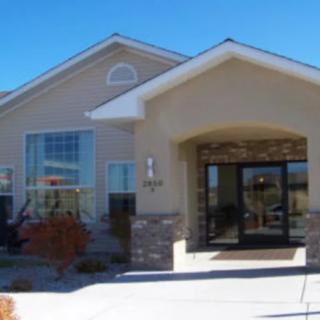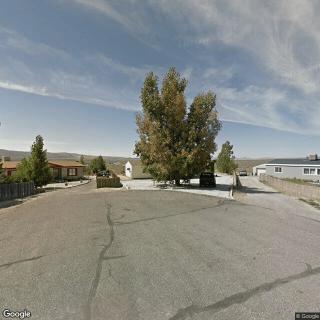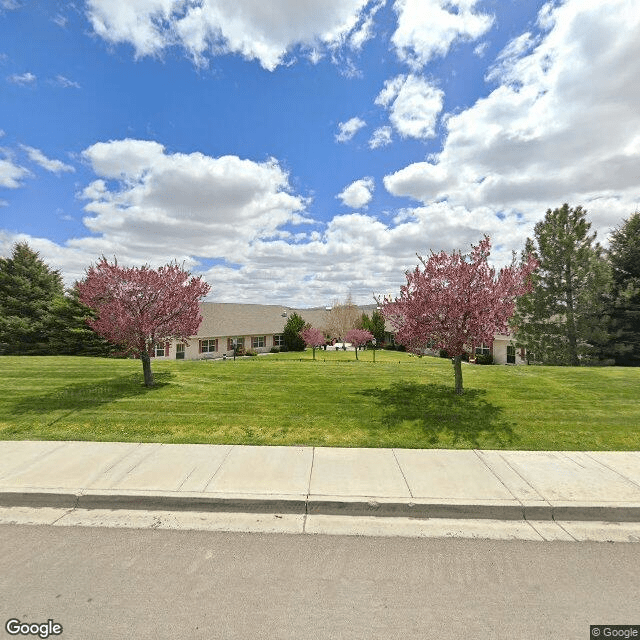
Highland Village of Elko

Save
Highland Village of Elko

Highland Village of Elko

2850 Ruby Vista Dr, Elko, NV 89801

For more information about senior living options: (844) 490-3973

2.9 from 14 reviews
5 stars
5
4 stars
1
3 stars
0
2 stars
3
1 stars
5

Assisted Living Independent Living Memory Care Skilled Nursing Facility

Highland Village of Elko Costs & Pricing

Highland Village of Elko presents a compelling value proposition when compared to both Elko County and the broader Nevada state averages. For example, the cost of a studio at Highland Village is $1,600, significantly lower than the county's average of $2,948 and the state average of $3,567. Similarly, one-bedroom apartments are priced at $1,800, compared to $3,930 in Elko County and $3,619 statewide. Even for larger accommodations like two-bedroom units and semi-private rooms, Highland Village remains competitively priced at $2,490 and $2,550 respectively - substantially more affordable than their counterparts in both Elko County and Nevada overall. This pricing strategy positions Highland Village as an attractive option for those seeking quality living without the hefty financial burden typically associated with similar housing in the region.

Floor plansHighland Village of ElkoElko CountyNevada
Studio$1,600$2,948$3,567
1 Bedroom$1,800$3,930$3,619
2 Bedrooms$2,490$4,760$3,949
Semi-Private$2,550$2,550$3,907

Overall Review of Highland Village of Elko

Pros

  • pro Highland Inn Assisted Living in Elko, Nevada is described as an amazing place with caring, kind, and thoughtful staff.
  • pro The manager is noted for doing an excellent job.
  • pro Reviewers call Highland Inn amazing, with top-notch staff and management and a great environment.
  • pro People describe the staff as very caring.
  • pro A reviewer praises loving, professional care from nurses, doctors, cooks, activities directors, and volunteers.
  • pro The facility is recommended for loved ones who want to live independently but with some assistance.

Cons

  • pro The staff could not be reached to get her help.
  • pro No one would answer the phone.
  • pro The joker of a pull cord system was not available close to where she fell.
  • pro The new pull cord system was several lengths of different yarns crocheted tied together, described as a joke.
  • pro The manor is blamed for bed sores suffered by these men.
  • pro The manor is criticized for not cleaning adequately before catheterization.
  • pro It has slowly shut him down.

Review

In Elko, Nevada, families discuss elder care with a mix of hope and concern, and the voices you hear paint a picture of two very different experiences with local facilities. On one hand, Highland Inn Assisted Living is repeatedly praised as a place where residents can thrive with help when they need it, where staff dedication and thoughtful leadership shape daily life in a distinctly positive way. A spokesperson for several families described Highland Inn as "an amazing place," with "the staff [being] caring, kind. And thoughtful," and credits the manager for doing "an excellent job." The message is clear: when families look for a balance between independence and assistance, Highland Inn often stands out as a strong option. The sentiment is echoed by others who call it an "amazing" environment, underscoring how important a supportive team and a well-led atmosphere are for residents seeking quality of life and peace of mind for their loved ones.

For these families, the qualities that matter most at Highland Inn include genuine warmth from caregivers, consistent attentiveness, and a sense that the facility's leadership is actively involved in daily operations. One reviewer explicitly states that Highland Inn is "definitely recommend[ed]" for anyone whose loved one wants to live somewhat independently but with necessary support. The emphasis on staff kindness, reliability, and a culture that values residents' dignity resonates across multiple accounts, creating a portrait of a community where residents feel seen and cared for and where families feel reassured about ongoing oversight and compassion.

Yet, as in many communities that balance elder care with limited options, not every account is rosy, and some experiences at other local facilities raise red flags for families seeking consistency and safety. A contrasting perspective centers on a nearby facility referred to as "the manor," where several reviewers recount troubling experiences that have left loved ones physically harmed or emotionally distressed. One account describes a family member who is paralyzed and lives at the manor, detailing serious health events that followed, including three urinary tract infections and a tube placed in the abdomen because of issues with care during catheterization. The account goes further, describing a perceived failure to address critical care needs and a sense that safety and medical oversight were not adequately provided, with the writer noting that the situation led to a hospital visit and ongoing concern about the care being received.

In these reviews, the pain is palpable: a sense that more attention, better procedures, and stronger medical oversight were needed to protect vulnerable residents. The writer laments that a cath-related injury occurred and that a hospital stay was required as a result, describing it as something that could have been prevented with more careful handling and monitoring. The expressions of frustration are strong, with the reviewer pointing to consequences such as bed sores and a belief that the facility's priorities did not consistently align with residents' well-being. The closing sentiment is telling: "Thanks manor for all of the bed sores these men have gotten. You want payment but don't give it YOUR ALL." It's a blunt critique that underscores a fear many families carry - that financial incentives might overshadow the fundamental obligation to provide safe, compassionate care.

Another thread running through these opinions is a critique of basic safety infrastructure and responsiveness within the manor. A separate, explicit grievance centers on an emergency response - specifically, a pull cord system that failed to be readily accessible when needed after a fall. The writer recalls discovering that the system was not where it should have been, and, worse, describing the improvised solution that followed: "the pull cord system was several lengths of different yarns crocheted tied together and then tied to her wheel chair." The tone of incredulity - "a joke for sure" - speaks to a broader concern about how emergencies are managed in some settings and what that implies for patient safety and peace of mind for families.

Amid these strong opinions, the broader takeaway for families listening to other residents and staff narratives is a call for vigilance and discernment. Highland Inn's supporters point to genuine strengths: compassionate staff, visible leadership, and an environment that supports independence with appropriate assistance. Those strengths matter greatly to families seeking a dependable routine, predictable care, and a sense that caretakers will respond when blueprints of service and safety are most needed. The positive experiences highlight how crucial it is to find a setting where staff feel empowered, residents feel respected, and families feel included in ongoing care decisions.

Conversely, the experiences shared about the manor illuminate the quiet fear that can accompany elder care in facilities where remedying medical or safety lapses proves challenging. The combination of hospital visits, concerns about catheter care, and the emotional weight of potential long-term impacts - along with the stark remark about bed sores - forms a sobering counterpoint to the cheerier endorsements of Highland Inn. In these narratives, families are not merely evaluating amenities or staff friendliness; they are weighing the likelihood of consistent, life-preserving care in moments of vulnerability. For many, such decisions hinge on concrete safeguards: reliable emergency response, diligent medical oversight, transparent communication, and demonstrable accountability when problems arise.

Taken together, the collection of experiences from Elko families reflects a community actively seeking the right balance between independence and protection for its aging residents. Highland Inn Assisted Living stands out as a beacon for those who prioritize a caring, well-led environment where staff attentiveness and supportive leadership can make daily life smoother and safer. At the same time, the manor's critiques remind readers that elder care remains a domain where vigilance, ongoing assessment, and accountability are essential. For families navigating aging loved ones' needs, these voices underscore the importance of visiting facilities, asking pointed questions about safety protocols and medical oversight, and seeking out care options that demonstrate a consistent commitment to the dignity and health of the residents they serve.

Features

Types of Care

  • Assisted Living Assisted LivingAssisted living facilities provide crucial support and care for seniors who may need help with daily tasks such as medication management, bathing, and meal preparation. These communities offer a safe and comfortable environment where seniors can maintain their independence while receiving the assistance they need to thrive in their golden years.
  • Independent Living Independent LivingIndependent living communities are important for seniors because they offer a safe and supportive environment where older adults can live independently while still having access to amenities and services that enhance their quality of life. These communities provide social opportunities, recreational activities, and assistance with daily tasks, promoting overall well-being and allowing seniors to maintain their independence for as long as possible.
  • Memory Care Memory CareMemory care is crucial for seniors as it provides specialized support and services for individuals with dementia or Alzheimer's disease. These programs offer a safe and secure environment where residents receive personalized care, cognitive stimulation, and help with daily activities. Memory care helps seniors maintain their independence, quality of life, and dignity while also providing peace of mind for their families.
  • Skilled Nursing Facility Skilled Nursing FacilitySkilled Nursing Facilities are crucial for seniors as they provide round-the-clock medical care, rehabilitation services, and assistance with daily activities. These facilities ensure that seniors receive the specialized care they need to maintain their health and well-being as they age.

Amenities

  • Activities on-site Activities on-siteActivities on-site are important for seniors because they provide opportunities for socialization, mental stimulation, physical activity, and overall well-being. Engaging in activities can help seniors stay active, maintain their independence, and improve their quality of life.
  • Devotional services off-site Devotional services off-siteDevotional services off-site are important for seniors as they provide spiritual nourishment, social engagement, and a sense of community outside of the senior living facility. This can enhance overall well-being and help combat feelings of isolation and loneliness often experienced by older adults.
  • Indoor common areas Indoor common areasIndoor common areas are crucial for seniors as they provide a space for socialization, recreation, and community engagement, promoting overall well-being and reducing feelings of isolation and loneliness.

Transportation

  • Elko Regional (3 miles away) Elko Regional (3 miles away)

Care Services

  • Ambulatory care Ambulatory care"Ambulatory care services provide essential medical support and treatment to seniors without requiring hospitalization, allowing them to maintain their independence and quality of life while managing chronic conditions or receiving routine medical care."
  • Diabetic care Diabetic careDiabetic care is crucial for seniors as they are more susceptible to developing diabetes due to aging and other health conditions. Proper management of diabetes can help prevent complications such as heart disease, vision loss, and nerve damage, improving the overall quality of life for seniors in senior living communities.
  • High acuity care High acuity careHigh acuity care is important for seniors because it provides specialized medical attention and support for individuals with complex medical needs. This level of care ensures that seniors receive the appropriate treatment and assistance to maintain their health and quality of life as they age.

Dining

  • Meals provided Meals provided"Meals provided" are crucial for seniors in assisted living communities as it ensures they have access to nutritious, balanced meals without the stress of meal planning and preparation. This can help promote overall health and well-being for seniors who may have limited mobility or cognitive abilities.

Activities

  • Activities on-site Activities on-siteActivities on-site are important for seniors because they provide opportunities for socialization, mental stimulation, physical activity, and overall well-being. Engaging in activities can help seniors stay active, maintain their independence, and improve their quality of life.
  • Devotional activities offsite Devotional activities offsiteDevotional activities offsite are important for seniors because they provide social engagement, spiritual growth, and a sense of community outside of their living environment. This can improve overall well-being, mental health, and combat feelings of isolation or loneliness.

Description

Highland Village of Elko is an assisted living community located in Elko, NV. We offer a range of care options including independent living, memory care, and a skilled nursing facility for individuals with varying needs.

Our community provides residents with a comfortable and welcoming environment where they can receive the care and support they require while still enjoying an active and fulfilling lifestyle.

In terms of amenities, we offer devotional services off-site for those who wish to participate in religious activities. Our indoor common areas provide spaces for socializing and engaging in activities with fellow residents.

We also offer specialized care services such as diabetic care and high acuity care to ensure that our residents receive the specific medical attention they need.

At Highland Village of Elko, we understand the importance of keeping our residents engaged and stimulated. That's why we organize various devotional activities offsite to cater to different interests and preferences.

In addition to the amenities within our community, we are conveniently located near two cafes, five parks, 10 physicians' offices, 11 restaurants, two transportation options, and three places of worship. This ensures that our residents have easy access to essential services and recreational opportunities in the surrounding area.

Overall, Highland Village of Elko is committed to providing personalized care in a supportive community setting. We strive to enhance the quality of life for each individual resident while promoting their independence and well-being.

Nearby Places of Interest

This area of Elko, Nevada offers a variety of amenities for seniors looking to retire in a comfortable and convenient community. With several restaurants nearby such as Arctic Circle Restaurant, WINGERS Restaurant, and Teppanyaki Japanese fresh grill, there are plenty of dining options to choose from. In terms of healthcare facilities, there are reputable physicians and medical centers within a short distance, including Northern Nevada Ob/Gyn and Total Eyecare. Additionally, there are parks like Johnny Appleseed Park and Elko City Park for outdoor recreation and relaxation. Transportation options such as U-Haul Neighborhood Dealer and Amtrak-Elk provide easy access to travel around the area. Places of worship such as St Paul's Episcopal Church and Shiloh Bible Church offer spiritual support for those seeking religious community engagement. Overall, this part of Elko provides a well-rounded environment for seniors looking to settle down in a vibrant neighborhood with various services at their disposal.

Restaurants

  • Arctic Circle Restaurant (0.4 miles)
  • WINGERS Restaurant (0.4 miles)
  • Diamondchippers (0.6 miles)
  • J R's Bar & Grill (0.7 miles)
  • Wendy's (0.8 miles)
  • Teppanyaki Japanese fresh grill (1 miles)
  • Garibaldis (1 miles)

Cafes

  • Coffee Garden Restaurant (0.6 miles)
  • Sweet Barrel (1.6 miles)

Physicians

  • Northern Nevada Ob/Gyn (0.9 miles)
  • Nevada Health Centers (1.3 miles)
  • Kenneth W Houchin (1.4 miles)
  • Total Eyecare (1.7 miles)
  • Ruby Mountain Orthopedics (1.8 miles)
  • Erich Mattern Family Medicine (1.8 miles)
  • Family Medical Clinic (1.8 miles)

Parks

  • Johnny Appleseed Park (1 miles)
  • Elko City Park (1.2 miles)
  • Big Orv's Playground (1.3 miles)
  • Peace Park (1.7 miles)
  • Railroad Park (1.9 miles)

Transportation

  • U-Haul Neighborhood Dealer (1.3 miles)
  • Amtrak-Elk (1.6 miles)

Places of Worship

  • St Paul's Episcopal Church (1.8 miles)
  • Shiloh Bible Church (1.9 miles)
  • Elko Greater Life Church (1.9 miles)

Frequently Asked Questions

How much does it cost to live at Highland Village of Elko in Elko, NV?
Where is Highland Village of Elko?
Does Highland Village of Elko provide care for residents with dementia or Alzheimer's disease?

Nearby Communities

Related Resources

  • do dementia patients sleep a lotWhy Do Dementia Patients Sleep So Much? Understanding Oversleeping, Stages, and Care Approaches

    Dementia often results in disrupted sleep patterns, leading to excessive daytime sleeping due to factors like brain damage affecting circadian rhythms, medication side effects, and lack of structure in daily activities. Caregivers must monitor these changes closely, as oversleeping can increase risks such as malnutrition or dehydration, and provide necessary support and routines to enhance patient engagement and well-being.

  • when to move from assisted living to nursing home8 Key Indicators That Suggest It May Be Time to Transition from Assisted Living to Skilled Nursing Care
    The transition from assisted living to skilled nursing care is often prompted by complex medical needs that assisted living cannot meet, with key indicators including frequent health declines, increased falls, severe memory issues, and caregiver burnout. Families should recognize these signs early to discuss options with healthcare providers and prepare for the emotional and logistical aspects of moving to a facility that offers comprehensive medical support.

  • best foods for dementia patients to eatNourishing the Mind: Essential Dietary Approaches for Dementia

    Dementia is characterized by cognitive decline, with nutrition playing a vital role in brain health; while no specific diet can prevent or reverse it, a nutrient-dense diet rich in antioxidants and healthy fats may support cognitive function. The MIND diet, which emphasizes beneficial foods and limits processed items, along with proper hydration and individualized meal strategies, can enhance the well-being of dementia patients.