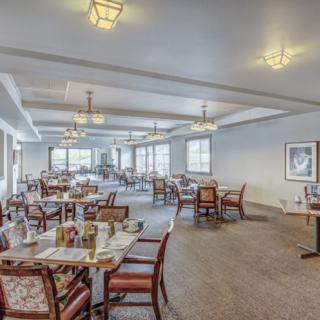
The Lodge Assisted Living And Memory Care Community

Save

The Lodge Assisted Living And Memory Care Community

2200 East Long Street, Carson City, NV 89706

For more information about senior living options: (844) 490-3973

4.6 from 77 reviews
5 stars
68
4 stars
2
3 stars
1
2 stars
0
1 stars
6

Assisted Living Memory Care

Overall Review of The Lodge Assisted Living And Memory Care Community

Pros

  • pro Victoria Erwin is kind, informative, and attentive during visits and tours.
  • pro The Lodge's staff are friendly, helpful, and caring toward residents and among themselves.
  • pro Connie is terrific with everything, especially the exercise classes.
  • pro Cassie and Lindsay and their team are patient and attentive to residents and families.
  • pro Denise, Lindsay, and Cassie provide prompt, thorough, and compassionate care.
  • pro The Lodge is a beautiful community with a warm, welcoming staff that takes pride in providing first-rate care, activities, meals, and quality of life.
  • pro The maintenance staff resolve problems promptly, such as helping with TV issues.
  • pro The property is well-led by management that cares for clients as if they were family.
  • pro The Lodge offers engaging social events and programs that enhance residents' quality of life.

Cons

  • pro Lindsay is described as probably the least professional healthcare worker the reviewer has ever met, being downright dismissive and rude toward families and residents.
  • pro The property staff is described as extremely rude to delivery drivers, with a cleaning lady's unprofessional behavior making the reviewer uncomfortable and raising concerns about how residents are treated.
  • pro Denise is accused of complacency and not correcting Lindsay's behavior.
  • pro A staff member is recounted as refusing to confirm whether the missing father was at the facility and hanging up on the caller, described as rude and unprofessional.
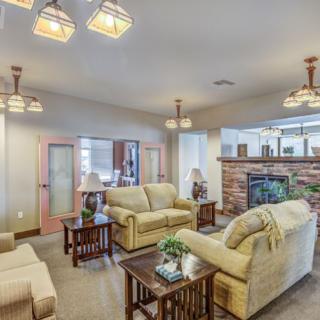
  • pro The halls are criticized as sterile and lacking color, with calls for more decoration and mental stimulation.
  • pro One reviewer warns that if the current healthcare management remains, leaving a loved one here would feel like punishing them.

Review

The Lodge, located in Carson City and connected with Five Star Living, emerges from these impressions as a place that genuinely strives to combine a welcoming community with attentive, compassionate care. Across many voices, there is a clear sense that residents and their families value the warmth of the people who work there, the ease of getting help, and the overall atmosphere of a close-knit senior living environment. At the same time, there are practical critiques about decor, communication, and certain staff interactions that point to opportunities for improvement. Taken as a whole, the collection of experiences paints a picture of a facility with strong strengths, tempered by specific concerns that leadership could address to make the lodge even more comfortable and supportive.

A particularly standout thread runs through the admissions and early experience with Victoria Erwin. Several families describe Victoria as calm, patient, and exceptionally informative, effectively guiding them through the moving process with responsiveness and courtesy. One reviewer noted that Victoria was available by phone and was even willing to meet in person without an appointment, a gesture that helped ease the transition for families during a time of great discretion and concern. This same caregiver-focused approach extended to the halls themselves, where Victoria's interactions with residents - greeting them by name, being aware of their activities, and showing a genuine caring manner - left an impression of a facility where staff know residents as individuals. Even in cases where The Lodge did not fit every family's needs, Victoria's attentiveness and willingness to offer guidance stood out as a model of respectful, person-centered engagement.

Beyond Victoria, the Lodge earns praise for its front-line staff and care team. Cassie and Lindsay, along with their colleagues, are frequently described as patient and attentive, creating a sense of support for families who feel they are on the same side as the caregivers. Comments about Denise and Cassie, in particular, highlight how the team helps families navigate the practicalities of care - evaluations, planning, and concrete recommendations for at-home support. Several reviews emphasize the reassurance that comes from staff who are prompt, thorough, and compassionate, whether they are arranging social activities, coordinating care plans, or simply addressing questions and concerns with kindness. The maintenance team and the receptionist also receive thanks for their hands-on help and for knowing how to get things done, reinforcing the overall impression of a responsive, capable operation.

The social and community aspects of The Lodge receive repeated commendation as well. Numerous residents and families point to the warmth of interactions with staff and with other residents, describing a culture where people feel seen and valued. The lodge's offerings in terms of activities and meals are portrayed as thoughtful and engaging, with caregivers who take pride in creating meaningful experiences and opportunities for connection. Several reviewers express gratitude for the sense of family that develops over time, noting how staff turnover appears low and how programs are tailored to individual needs. The reference to Sandra, who stands out among the cleaning team for her attentiveness and consistent positivity, underscores the way even support staff can contribute to a safer, more comfortable living environment by staying alert to potential difficulties and communicating them.

However, not every experience is uniformly glowing. A few reviews raise concerns that deserve attention. One guest describes Lindsay as the least professional healthcare worker they have encountered, characterized by dismissiveness toward families and residents. This kind of critique, especially when paired with supportive testimony about other staff, suggests that there may be some inconsistencies in how different team members interact with families and patients. A separate, strongly negative note targets a member of the property staff who was perceived as rude to a delivery driver, raising questions about how staff behavior is modeled in public-facing moments. The reviewer wonders how such interactions might translate to interactions with residents, underscoring the need for ongoing training in respectful, professional communication for all staff.

Another significant concern centers on a front-desk interaction related to a missing loved one. In a harrowing account, a family member reports that their father went missing from his apartment, and when they sought information, the staff member offered evasive responses and ultimately hung up. The reviewer described the response as unprofessional and distressing, emphasizing the importance of privacy policies while also acknowledging that families facing a loved one's absence deserve clear, compassionate communication. Events like this highlight the critical need for consistent, empathetic crisis management and transparent, supportive communication from the people who are the first point of contact for anxious families.

Despite these negative experiences, the broader sentiment across many reviews is one of high regard for the Lodge's overall environment and leadership. Several voices emphasize that the care is thoughtful, the setting is beautiful, and the staff treats residents with genuine kindness and respect. Families repeatedly mention that the lodge feels like a community - one where residents can form meaningful friendships, participate in engaging activities, and feel secure about the level of care they receive. The repeated praise for Connie's contributions to exercise programming, for Denise's teamwork and promptness, and for the general atmosphere of attentiveness corroborates a picture of a facility that prioritizes quality of life and resident well-being.

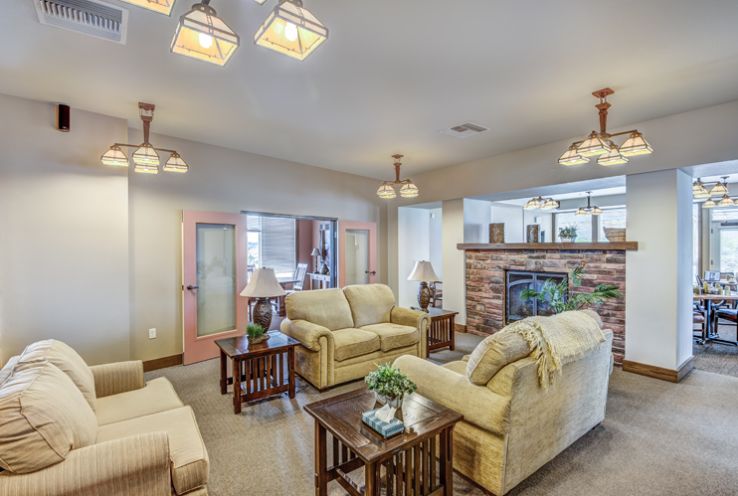
As this picture comes into focus, a practical note emerges about the physical environment itself. There is a recurring hope that management will incorporate a bit more decoration and color to enliven the halls and the upstairs patio. Several residents and family members feel that pictures, artwork, and brighter color schemes could make the spaces more mentally stimulating and reduce the "sterile" impression that some observers associate with otherwise welcoming facilities. This critique is constructive in tone, signaling a desire to enhance the sensory environment without detracting from the excellent care and positive relationships already in place.

In sum, The Lodge presents a portrait of a vibrant, caring senior living option that many families trust and value. The staff - especially individuals like Victoria Erwin, Denise, Cassie, Connie, and the receptionist - are frequently praised for their dedication, responsiveness, and genuine kindness. Families describe a welcoming community where residents are treated as individuals and where meaningful connections are forged with staff and fellow residents. At the same time, the nicks and snags reported, from occasional lapses in professionalism to challenging privacy-related incidents, point to clear opportunities for growth. With targeted improvements in staff training, front-d desk communication, and the physical ambiance of common areas, The Lodge seems well-positioned to elevate an already strong experience into one that feels even more like a warm, well-managed home for aging loved ones.

Features

Housing

  • 90 resident community capacity 90 resident community capacity

Types of Care

  • Assisted Living Assisted LivingAssisted living facilities provide crucial support and care for seniors who may need help with daily tasks such as medication management, bathing, and meal preparation. These communities offer a safe and comfortable environment where seniors can maintain their independence while receiving the assistance they need to thrive in their golden years.
  • Memory Care Memory CareMemory care is crucial for seniors as it provides specialized support and services for individuals with dementia or Alzheimer's disease. These programs offer a safe and secure environment where residents receive personalized care, cognitive stimulation, and help with daily activities. Memory care helps seniors maintain their independence, quality of life, and dignity while also providing peace of mind for their families.

Amenities

  • Air-conditioning Air-conditioningAir conditioning is important for seniors as they are more vulnerable to heat-related illnesses and may have underlying health conditions that make it difficult for them to regulate their body temperature. It helps to keep them comfortable, safe, and healthy in hot weather.
  • Beauty salon Beauty salonBeauty salons are important for seniors because they provide a space for them to feel pampered, socialize, and maintain their personal grooming and hygiene. Regular visits to a beauty salon can help boost seniors' self-esteem and overall well-being.
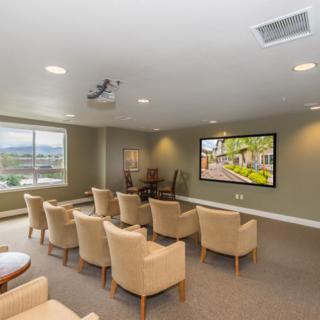
  • Cable or satellite TV Cable or satellite TVCable or satellite TV is important for seniors because it provides entertainment, news, and companionship, helping to combat loneliness and boredom. It also offers a wide range of programming options tailored to different interests and preferences.
  • Computer center Computer centerA computer center is essential for seniors as it provides access to technology, communication tools, and resources that can enhance their daily lives. It allows them to stay connected with loved ones, engage in online activities, and learn new skills, ultimately promoting socialization and mental stimulation.
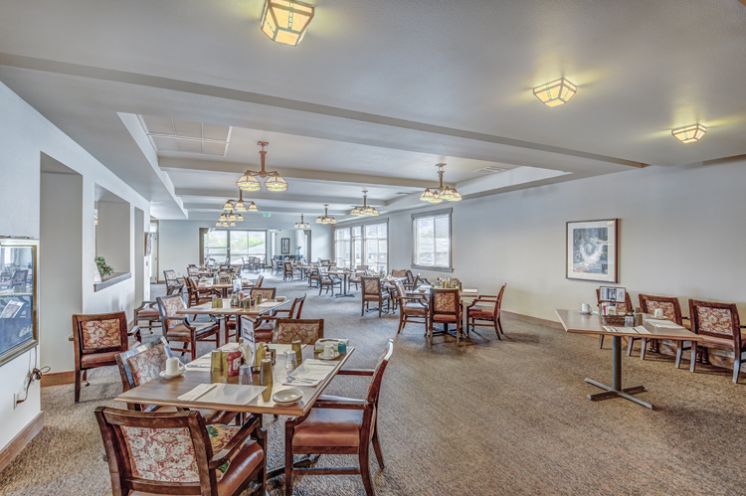
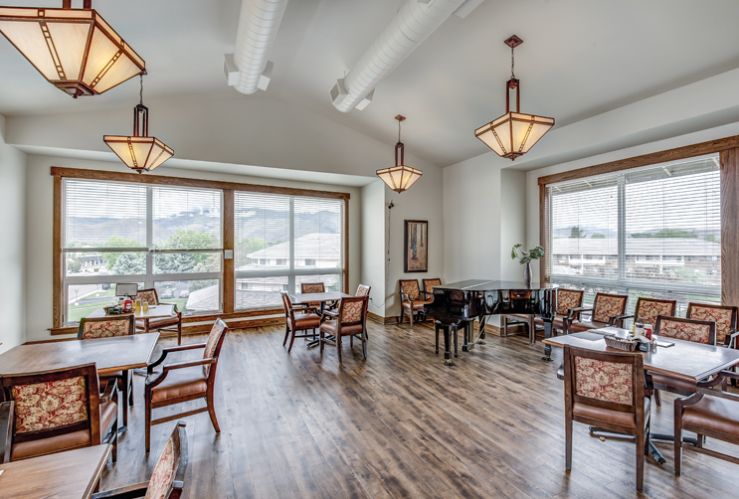
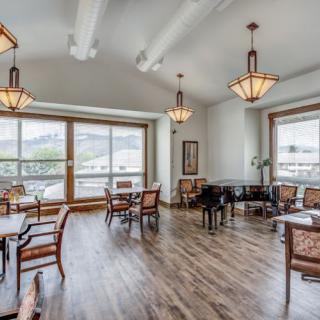
  • Dining room Dining roomDining rooms are important for seniors as they provide a space for socialization, connection, and nutritious meals. They offer opportunities for residents to bond over shared meals, foster a sense of community, and promote healthy eating habits. Dining rooms also ensure that seniors have access to well-balanced meals tailored to their dietary needs and preferences.
  • Fitness room Fitness roomHaving a fitness room in a senior living community is essential for seniors to stay active, maintain their physical health, and improve their overall well-being. Regular exercise can help prevent falls, reduce the risk of chronic diseases, and promote mental sharpness. It also provides social opportunities for residents to connect with others and enjoy a sense of community.
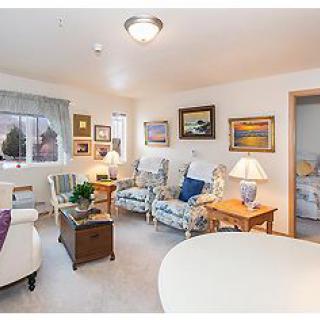
  • Fully furnished Fully furnishedFully furnished senior living communities are important for seniors because they provide convenience, comfort, and a hassle-free moving experience. Seniors can easily settle into their new living space without the stress of having to buy and move furniture. This allows them to focus on enjoying their new home and community.
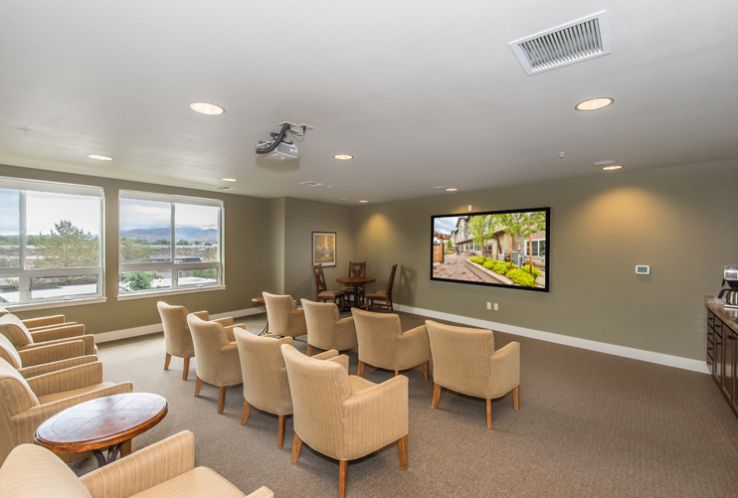
  • Gaming room Gaming roomGaming rooms are important for seniors as they provide a fun and engaging environment for socializing, cognitive stimulation, and physical activity. Games can improve memory, problem-solving skills, and overall mental well-being while fostering friendships and reducing feelings of isolation.
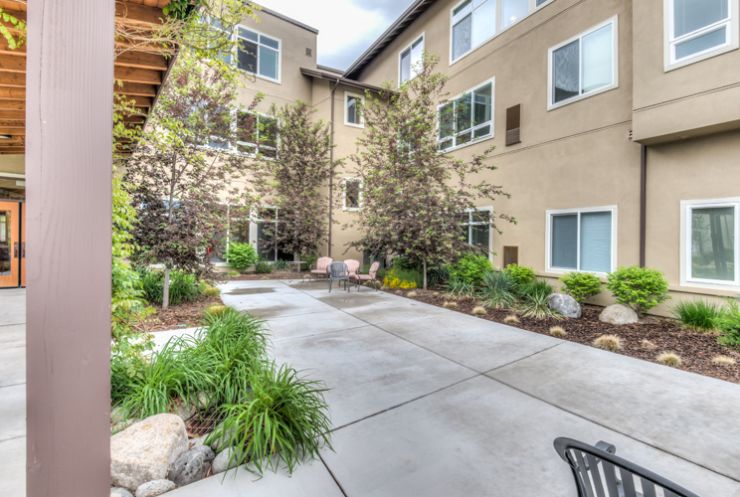
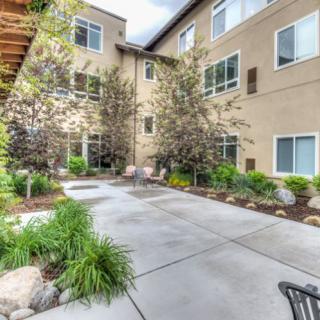
  • Garden GardenGardens are important for seniors as they provide a peaceful and therapeutic environment for relaxation, physical activity, and socialization. Being in nature has been shown to reduce stress, improve mood, and promote overall well-being. Gardens also offer opportunities for seniors to engage in gardening activities, which can improve mobility, flexibility, and cognitive function. Additionally, gardens create a sense of community and connection with others who share a passion for plants and outdoor spaces.
  • Housekeeping services Housekeeping servicesHousekeeping services are important for seniors because they help maintain a clean and safe living environment, promote independence, and reduce the risk of accidents or illnesses. Additionally, having assistance with household chores can alleviate physical strain and allow seniors to focus on other aspects of their well-being.
  • Kitchenette KitchenetteKitchenettes are important for seniors living in senior living communities because they provide the convenience and independence of being able to prepare simple meals and snacks in the comfort of their own living space. This can help promote a sense of autonomy and well-being for seniors, allowing them to maintain some level of control over their dietary choices and daily routines.
  • Move-in coordination Move-in coordinationMove-in coordination is important for seniors because it helps ease the transition into their new living environment. It ensures that all logistics, such as packing, organizing movers, and setting up utilities are taken care of, allowing seniors to focus on settling in and adjusting to their new home. Having a smooth move-in process can alleviate stress and anxiety, making the transition smoother and more enjoyable for seniors.
  • Outdoor space Outdoor spaceOutdoor spaces are important for seniors as they provide opportunities for physical activity, social interaction, exposure to natural light and fresh air, and a sense of connection to nature. Having access to outdoor spaces can improve overall well-being and quality of life for older adults living in senior communities.
  • Private bathrooms Private bathroomsPrivate bathrooms are important for seniors in senior living communities because they provide independence, dignity, and comfort. Having a private bathroom allows seniors to maintain their personal hygiene routines without the need for assistance, promoting a sense of autonomy and privacy. Additionally, private bathrooms help prevent the spread of infections and provide a safe and clean environment for seniors to navigate safely.
  • Restaurant-style dining Restaurant-style diningRestaurant-style dining is important for seniors because it allows them to enjoy delicious, nutritious meals in a social and upscale setting. This enhances their dining experience, promotes healthy eating habits, and fosters socialization with fellow residents, ultimately contributing to their overall well-being and quality of life.
  • Small library Small librarySmall libraries are important for seniors as they provide access to a variety of reading materials, including books, newspapers, and magazines. This can help stimulate their minds, keep them engaged, and provide a sense of community through book clubs and other social activities. Additionally, reading has been shown to improve cognitive function and overall mental well-being in older adults.
  • Telephone TelephoneTelephones are important for seniors as they provide a lifeline for communication with loved ones, emergency services, and healthcare providers. They offer a sense of security and independence, enabling seniors to stay connected and access assistance when needed.
  • Wellness center Wellness centerWellness centers are important for seniors because they offer a variety of programs and services that promote physical, mental, and emotional well-being. These centers provide opportunities for exercise, socialization, education, and relaxation, helping seniors maintain their overall health and quality of life.
  • Wi-Fi/high-speed internet available Wi-Fi/high-speed internet availableWi-Fi/high-speed internet is important for seniors to stay connected with loved ones, access online resources, and participate in virtual activities to combat feelings of loneliness and isolation. It also allows them to easily manage healthcare needs, access entertainment, and engage in lifelong learning opportunities.

Transportation

  • Reno Tahoe International (22 miles away) Reno Tahoe International (22 miles away)
  • Community operated transportation Community operated transportationCommunity operated transportation is crucial for seniors as it provides them with the means to access essential services, social activities, and medical appointments. It allows seniors to maintain their independence and quality of life by ensuring they can participate in activities outside of their homes. Additionally, community-operated transportation services offer a safe and reliable way for seniors to travel without having to rely on family or friends for assistance.
  • Transportation arrangement Transportation arrangementTransportation arrangements are crucial for seniors as they may face challenges with driving, mobility, or access to public transportation. Having reliable transportation services ensures that seniors can easily attend appointments, social activities, and maintain their independence and quality of life.
  • Transportation arrangement (non-medical) Transportation arrangement (non-medical)Transportation arrangements are essential for seniors as they provide access to essential services, activities, and social interactions outside the home. This service helps maintain independence, mobility, and overall well-being for seniors who may have limited transportation options.

Care Services

  • 12-16 hour nursing 12-16 hour nursing12-16 hour nursing care is crucial for seniors in order to ensure around-the-clock monitoring, timely medication administration, and prompt response to any health concerns or emergencies. This level of care helps to promote the overall well-being and safety of seniors living in senior living communities.
  • 24-hour call system 24-hour call system24-hour call systems are important for seniors because they provide peace of mind and immediate assistance in case of emergencies. This technology ensures that help is always available, promoting safety and security for elderly individuals living alone or in assisted living facilities.
  • 24-hour supervision 24-hour supervision24-hour supervision is important for seniors to ensure their safety, well-being, and access to immediate assistance in case of emergencies or health issues. This constant support provides peace of mind for both seniors and their loved ones, allowing them to age in place with dignity and security.
  • Activities of daily living assistance Activities of daily living assistanceActivities of daily living assistance are important for seniors because they provide essential support with tasks such as eating, bathing, dressing, and mobility. This assistance helps seniors maintain their independence, dignity, and overall quality of life as they age.
  • Assistance with bathing Assistance with bathingAssistance with bathing is crucial for seniors as it helps maintain personal hygiene, prevents infections, and ensures their overall well-being and comfort. It also provides a sense of dignity and independence for seniors who may struggle with this task on their own.
  • Assistance with dressing Assistance with dressingAssistance with dressing is important for seniors because it helps maintain their independence, promotes personal hygiene, prevents accidents and injuries, and improves overall quality of life. This service ensures that seniors can continue to dress comfortably and confidently, despite any physical limitations they may have.
  • Assistance with transfers Assistance with transfersAssistance with transfers is crucial for seniors as it helps prevent falls and injuries, maintains their independence, and ensures they can safely navigate their living environment. It also provides peace of mind for both seniors and their loved ones.
  • Coordination with health care providers Coordination with health care providersCoordination with health care providers is crucial for seniors to ensure proper medical care, medication management, and overall well-being. This collaboration helps prevent overlapping treatments, track progress more effectively, and provide comprehensive support tailored to individual needs.
  • Dementia waiver Dementia waiverDementia waivers are essential for seniors as they provide critical protections and accommodations for those experiencing cognitive decline. These waivers ensure individuals with dementia receive appropriate care, support, and resources to maintain their quality of life and dignity as they navigate the challenges of this progressive condition.
  • Diabetes diet Diabetes dietA diabetes diet is crucial for seniors as it helps manage blood sugar levels, reduce risks of complications, and improve overall health and well-being. By following a balanced and nutritious diet tailored to their specific needs, seniors can better control their diabetes and enhance their quality of life.
  • Hospice waiver Hospice waiverHospice waivers are important for seniors because they allow individuals to receive specialized end-of-life care and support at home or in a hospice facility. This waiver ensures that seniors can access the necessary resources and services to maintain comfort and dignity during their final days.
  • Meal preparation and service Meal preparation and serviceMeal preparation and service are crucial for seniors as they may have limited mobility or energy to cook nutritious meals. Having access to healthy and convenient food options can ensure they are getting the proper nutrition needed to maintain their overall health and well-being.
  • Medication management Medication managementMedication management is crucial for seniors to ensure they are taking the right medications at the correct dosages and times. This helps prevent adverse drug interactions, reduces the risk of medication errors, and promotes overall health and well-being. Proactive management also allows for adjustments as needed based on changing health conditions or new prescriptions.
  • Mental wellness program Mental wellness programMental wellness programs are essential for seniors as they promote cognitive stimulation, emotional support, and social engagement. These programs help prevent isolation, depression, and cognitive decline, ultimately enhancing the overall quality of life for older adults.
  • Mild cognitive impairment Mild cognitive impairment"Mild cognitive impairment" is important for seniors because it is an early stage of cognitive decline that can potentially progress to more severe conditions such as dementia. Recognizing and addressing mild cognitive impairment can help seniors receive appropriate care and support to maintain their quality of life and independence for as long as possible.
  • Special dietary restrictions Special dietary restrictionsSpecial dietary restrictions are important for seniors because age-related changes in metabolism and health conditions can make it difficult for their bodies to process certain foods. By following a diet tailored to their specific needs, seniors can maintain their overall health and well-being, manage chronic conditions, and reduce the risk of complications such as malnutrition or food interactions with medications.
  • Specialized memory care programming Specialized memory care programmingSpecialized memory care programming is crucial for seniors with cognitive impairments such as dementia or Alzheimer's disease. These programs provide a safe and supportive environment tailored to the unique needs of individuals with memory loss, helping them maintain their independence, dignity, and quality of life.
  • Transportation arrangement (medical) Transportation arrangement (medical)Transportation arrangements for medical purposes are essential for seniors as they may have difficulty driving themselves to appointments or accessing public transportation. Having reliable and safe transportation options ensures that seniors can receive timely medical care and maintain their health and well-being.
  • Transportation to doctors appointments Transportation to doctors appointmentsTransportation to doctors' appointments is crucial for seniors as it ensures they have access to necessary medical care and support for their health needs. Without reliable transportation, seniors may struggle to attend important appointments, leading to potential delays in treatment and health complications. Providing transportation services helps seniors maintain their overall well-being and quality of life.

Dining

  • Diabetes diet Diabetes dietA diabetes diet is crucial for seniors as it helps manage blood sugar levels, reduce risks of complications, and improve overall health and well-being. By following a balanced and nutritious diet tailored to their specific needs, seniors can better control their diabetes and enhance their quality of life.
  • Special dietary restrictions Special dietary restrictionsSpecial dietary restrictions are important for seniors because age-related changes in metabolism and health conditions can make it difficult for their bodies to process certain foods. By following a diet tailored to their specific needs, seniors can maintain their overall health and well-being, manage chronic conditions, and reduce the risk of complications such as malnutrition or food interactions with medications.

Activities

  • Community-sponsored activities Community-sponsored activitiesCommunity-sponsored activities are important for seniors as they provide opportunities for social interaction, mental stimulation, and physical activity. These activities can help improve overall well-being, combat loneliness and isolation, and promote a sense of belonging and purpose among older adults.
  • Concierge services Concierge servicesConcierge services are essential for seniors as they provide assistance with daily tasks and errands, enhance their quality of life by offering convenience and personalized care, and promote a sense of safety and security.
  • Fitness programs Fitness programsFitness programs are crucial for seniors as they help improve strength, flexibility, balance, and overall well-being. Staying active can reduce the risk of chronic diseases, improve mental health, and enhance quality of life in older adults.
  • Planned day trips Planned day tripsPlanned day trips are important for seniors because they offer opportunities for socialization, mental stimulation, and physical activity. They provide a change of scenery and help seniors stay engaged and connected to their community, promoting overall well-being and quality of life.
  • Resident-run activities Resident-run activitiesResident-run activities are important for seniors as they encourage social interaction, creativity, and a sense of autonomy. These activities empower seniors to stay engaged and active in their community while fostering meaningful connections with their peers.
  • Scheduled daily activities Scheduled daily activitiesScheduled daily activities are important for seniors because they provide structure, socialization, mental stimulation, and physical activity. Engaging in regular activities can improve overall well-being and quality of life for seniors living in a community setting.

Description

The Lodge Assisted Living And Memory Care Community in Carson City, NV is a premier senior living community that specializes in providing exceptional memory care services. Our community offers a comfortable and welcoming environment for individuals who require assistance with their daily activities due to memory-related conditions.

Our community features a range of amenities designed to enhance the quality of life for our residents. We have an on-site beauty salon where residents can get pampered and enjoy some self-care. The availability of cable or satellite TV ensures they can stay connected and entertained. We also provide community-operated transportation for outings and appointments. Residents can access our computer center to stay connected with loved ones and explore the internet.

Our dining room offers restaurant-style dining where residents can enjoy delicious meals prepared by our talented chefs. Special dietary restrictions are accommodated to ensure that each resident's unique needs are met.

Physical fitness is encouraged at our community, with a fully equipped fitness room available for residents to stay active and maintain their overall health and well-being. Our gaming room provides entertainment options for those looking to unwind and have fun, while our small library offers a quiet space for reading.

We understand the importance of outdoor spaces, which is why we have a beautiful garden where residents can relax and enjoy nature. Housekeeping services are provided to ensure a clean and comfortable living environment.

Our care services include around-the-clock supervision, assistance with activities of daily living such as bathing, dressing, and transfers, as well as medication management. We also offer coordination with healthcare providers to ensure holistic care for our residents.

At The Lodge Assisted Living And Memory Care Community, we take pride in providing specialized memory care programming to meet the individual needs of our residents with dementia or mild cognitive impairment. Our dedicated staff members are trained in memory care techniques to create engaging activities that promote cognitive stimulation.

We understand the importance of social engagement, which is why we offer concierge services as well as scheduled daily activities. Residents can participate in fitness programs, planned day trips, and resident-run activities to stay socially connected within our community.

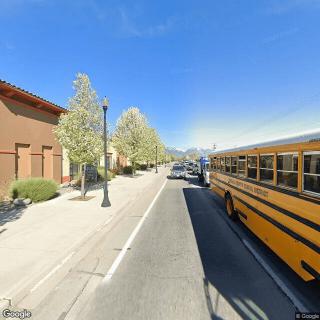
Our convenient location provides easy access to nearby cafes, parks, pharmacies, physicians, restaurants, and hospitals, ensuring that our residents have everything they need to live a fulfilling and vibrant lifestyle. Come and experience The Lodge Assisted Living And Memory Care Community in Carson City, NV.

Nearby Places of Interest

Restaurants

  • Hacienda Market & Grill (0.1 miles)
  • El Pollo Loco (0.2 miles)
  • Centro Market (0.4 miles)
  • Kei Sushi (0.7 miles)
  • Ed's Dog House (1 miles)
  • Sonic Drive-In (1 miles)
  • Tito's Restaurants Fine Mexican Food (1.1 miles)

Cafes

  • Dutch Bros Coffee (0.2 miles)
  • Starbucks (0.5 miles)
  • LA Bakery (1.3 miles)
  • Comma Coffee (1.5 miles)
  • Dutch Bros (1.8 miles)
  • Dutch Bros Coffee (3.8 miles)

Hospitals

  • Carson Convalescent Center (0.5 miles)
  • Sierra Surgery Hospital (0.9 miles)
  • Renown Regional Medical Center (0.9 miles)
  • Lake Tahoe Nevada State Park (1.4 miles)
  • Carson-Tahoe Hospital (1.5 miles)
  • Mountain View Care Center of C (3.1 miles)
  • Evergreen At Mountain View (3.1 miles)

Pharmacies

  • Walgreens (0.5 miles)
  • CVS Pharmacy (0.7 miles)
  • Smith's Food & Drug (1.1 miles)
  • Smith's (1.1 miles)
  • Medcare Pharmacy (1.2 miles)
  • CVS Pharmacy (1.3 miles)
  • Mike's Pharmacy (1.3 miles)

Parks

  • Mills Park (0.8 miles)
  • John Mankins Park (1.9 miles)
  • Sonoma Park (2.5 miles)
  • Sunridge Park (5.9 miles)

Physicians

  • Sierra Family Health Center (1 miles)
  • Great Basin Primary Care Association (1 miles)
  • Spine Care & Rehabilitation (1 miles)
  • Mark DeMar, MD FACS (1 miles)
  • Hemmer Eye Care (1.1 miles)
  • Mountain Medical (1.3 miles)
  • Mountain Medical Pulmonary and Sleep Center (1.3 miles)

Frequently Asked Questions

Where is The Lodge Assisted Living And Memory Care Community?
Does The Lodge Assisted Living And Memory Care Community provide care for residents with dementia or Alzheimer's disease?
What photos are available for The Lodge Assisted Living And Memory Care Community in Carson City, Nevada?

Nearby Communities

Assisted Living in Nearby Cities

Related Resources

  • what do dementia patients think aboutDelving into the Inner World of Dementia: Insights into Thoughts and Awareness

    Dementia, primarily caused by Alzheimer's disease but also linked to other conditions, leads to cognitive decline impacting memory and daily functioning, with individuals experiencing varied awareness of their impairments. Despite memory loss, emotional connections persist, enabling responses to familiar stimuli, highlighting the need for caregivers to provide compassionate support that recognizes both limitations and retained emotional depth.

  • does my mom have dementia quizFive Subtle Dementia Indicators to Observe: An In-Depth Guide to Understanding “Does My Mom Have Dementia?”

    The article presents five subtle indicators of dementia, such as memory lapses and mood swings, to help families assess cognitive decline in loved ones. It emphasizes early detection, open communication, and seeking professional help while providing practical support steps.

  • dementia paranoiaDementia, Paranoia, and Caregiver Guidance: Understanding the Connection
    Dementia encompasses progressive neurological disorders that impair cognitive functions and can lead to paranoia due to cognitive decline and emotional changes. The article discusses the triggers of paranoia in dementia, caregiver strategies for managing it, and the importance of distinguishing between dementia-related paranoia and other psychiatric conditions.