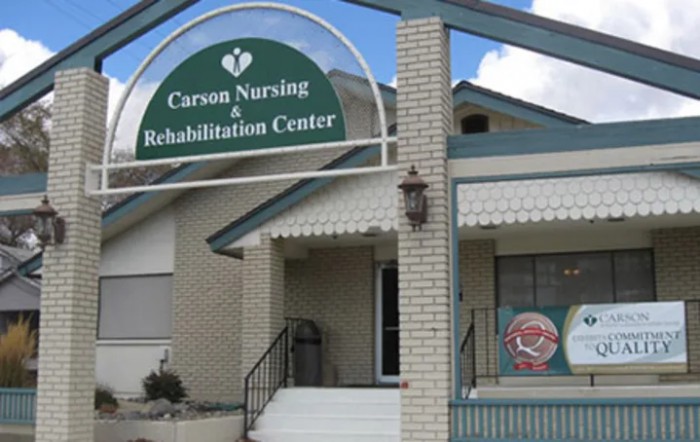
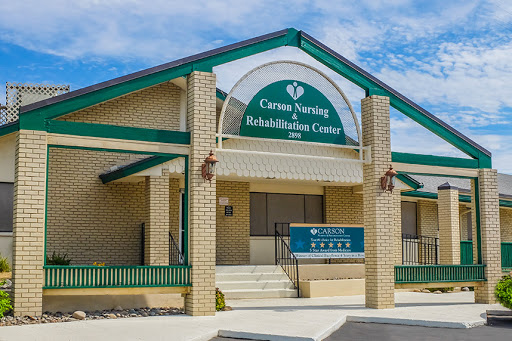
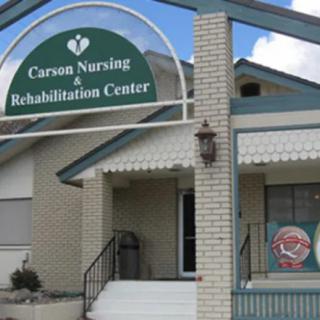
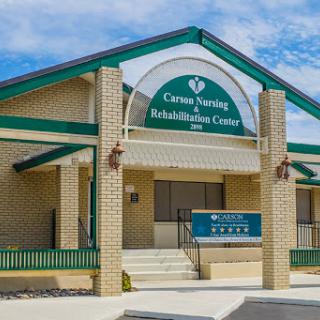
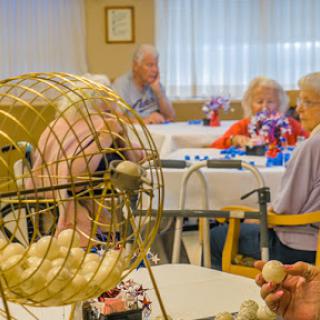
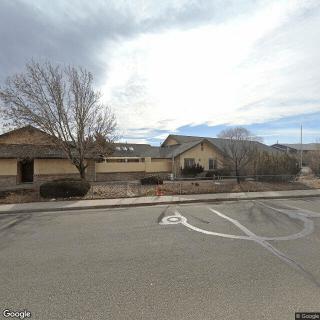
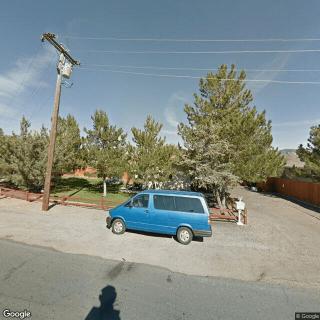
2898 Highway 50 East, Carson City, NV 89701
For more information about senior living options: (866) 208-4318
Overall Review of Carson Nursing and Rehabilitation Center
Pros
 The visitor had a great experience visiting their grandma; everyone was very friendly and helpful, and the facility was clean and sanitized.
- The facility has many patients who consistently report good experiences with the staff, who are very responsive and easy to work with.
- Carson Nursing and Rehab goes above and beyond, and it is a pleasure to work with them.
- The reviewers were extremely pleased with the nursing care, noting that staff went out of their way to help and that the social workers showed patience and care.
- The staff are very caring, the food is good, and the facility is clean.
- Carole Harris LPN DSD was praised for going above and beyond to ensure medications were delivered, providing relief and peace of mind to the family.
Cons
 The facility is described as the worst nursing home in Nevada.
- The staff couldn’t care less about caring for patients.
- The nurses are rude and horrible.
- The place should be shut down, gutted and leveled, and rebuilt.
- The care quality is extremely poor; patients aren’t receiving timely help or care.
- The staff ignored calls for help multiple times.
- They aren’t providing a personalized insulin plan and have missed antibiotic doses.
- There are no doctors or NPs on staff to speak with.
- The nursing staff is inept; an aide was reportedly under the influence of meth.
- A bedsore was never charted or treated.
- Oxygen was billed for but never administered.
- The facility is filthy; the hallway stinks of urine; staff are inattentive.
- The place is described as a place where people go to die.
Review
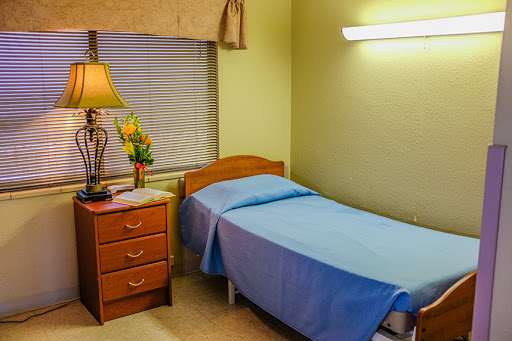
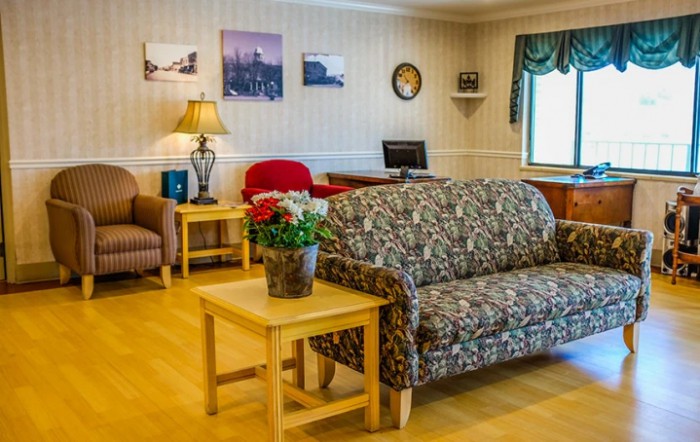
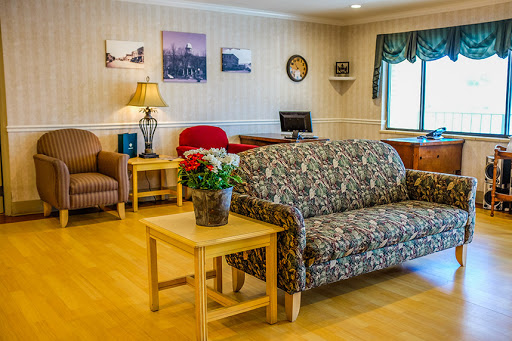
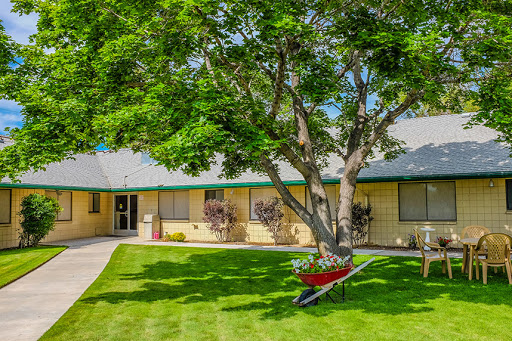
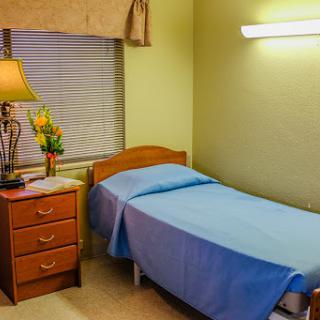
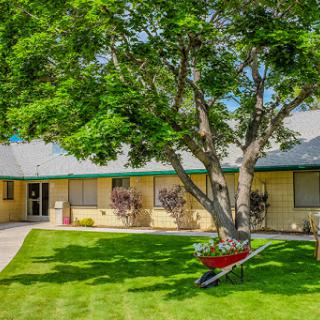
Carson Nursing and Rehabilitation Center in Carson City is best suited for families seeking local skilled nursing and rehab with the expectation that care will require active advocacy. The community can serve residents who are relatively independent but need short- or medium-term therapy, med management, and continuous monitoring by a capable staff. It works best when a family member or trusted advocate is prepared to coordinate medications, escalate concerns quickly, and stay closely connected with the care team. In this scenario, the facility’s potential for clean surroundings, reasonable dining quality, and responsive social work support can translate into meaningful rehabilitation and safety improvements.
Those who should seriously consider alternatives are families prioritizing consistently reliable medical oversight and airtight accountability. Several reviews flag persistent gaps in urgent responsiveness, medication administration, and clinical attention. If a resident requires unwavering, on-demand nursing support, regular doctor or NP presence, or meticulous infection control and wound care, options with stronger demonstrated track records may prevent avoidable setbacks. Prospective residents should also note the risk signals around staffing stability and the potential for substantial variability between shifts.
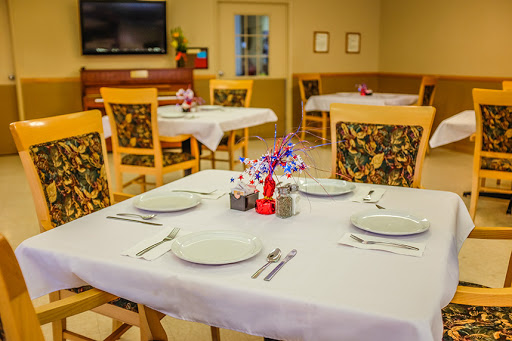
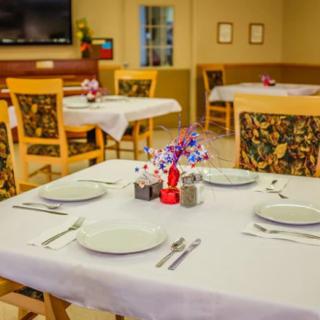
On the positive side, when staff engagement is present, the pros are tangible and meaningful. Some caregivers are described as genuinely caring, with social workers and nurses going the extra mile to coordinate care and support families. Instances of staff members who navigate complex medication needs and transport challenges to obtain lifesaving prescriptions show what the facility can deliver under the right circumstances. Cleanliness and a responsive dining experience emerge as reliable strengths in several accounts, and a few families praise specific individuals who augmented care and comfort during difficult transitions.
However, the recurring cons overwhelm in reviews where safety and responsiveness were severely compromised. Allegations of delayed or withheld medications, missed antibiotic schedules, and insufficient monitoring of a patient with a recent craniectomy paint a troubling picture of inconsistent medical management. Reports of understaffing, nurses multitasking across wings, and slow response to calls translate into real risks for fear, pain, and preventable complications. Disturbing anecdotes about wound care, unaddressed pressure ulcers, and questions about oxygen charges further underscore the fragility of day-to-day safety. Even when there are bright spots, they appear fragile and contingent on specific staff members being present.
For families choosing this center, a disciplined due diligence approach is essential. Schedule tours with a focus on real-time operations: observe the med pass process, if possible, and ask about nurse-to-patient ratios on each shift. Request a meeting with the Director of Nursing and the social work lead to review a resident’s current care plan, pain management policy, and wound care protocols. Probe the on-site availability of a qualified physician or nurse practitioner, and confirm how orders are communicated across transfers and weekends. Verify the facility’s tracking of call bells, response times, and documented follow-through on care requests. And insist on a transparent pathway for escalating concerns that lack timely resolution.
In the end, Carson Nursing and Rehabilitation Center is a mixed-value option that demands active, informed participation from families. It can be a practical, locally convenient choice for those who can partner with a competent care team and insist on high standards of cleanliness, food quality, and personalized advocacy. Yet for residents whose safety depends on consistent med administration, rapid pain relief, and physician-level oversight every day, the case for alternatives is strong. A carefully chosen, well-supported resident may thrive, but the risk of significant lapses cannot be ignored.
 73 resident community capacity
 Skilled Nursing Facility
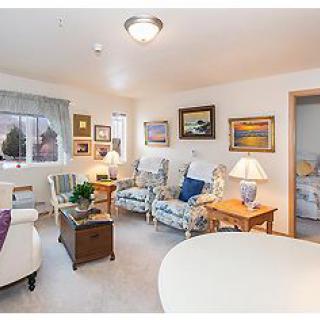
 Air-conditioning
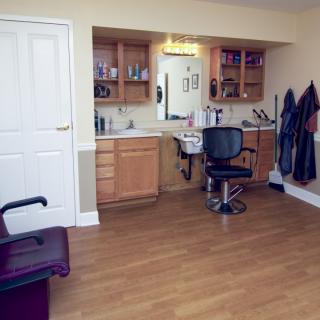
 Beauty salon
 Cable or satellite TV
 Computer center
 Continuing learning programs
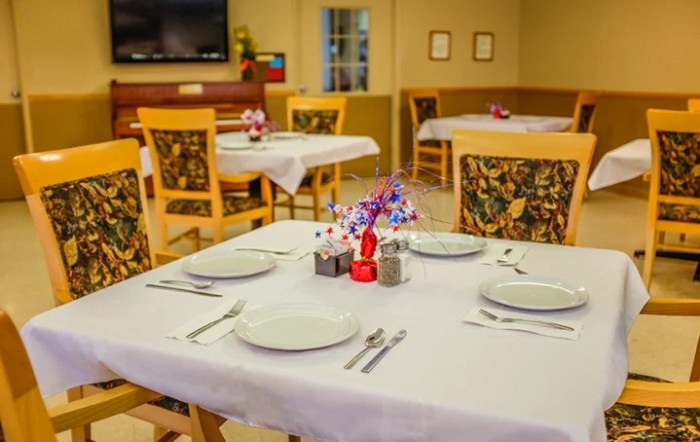
 Dining room
 Family education and support services
 Fitness room
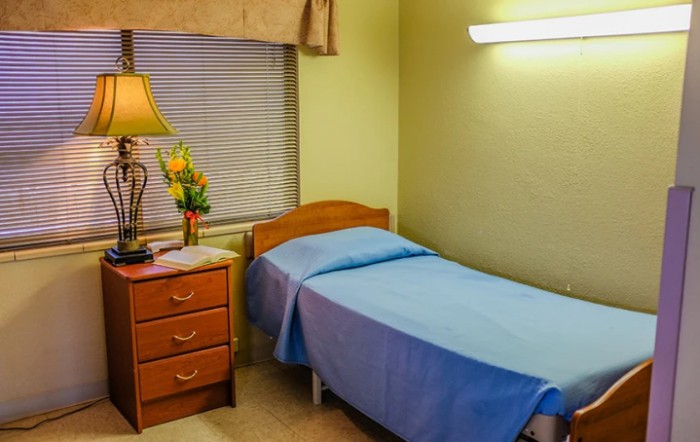
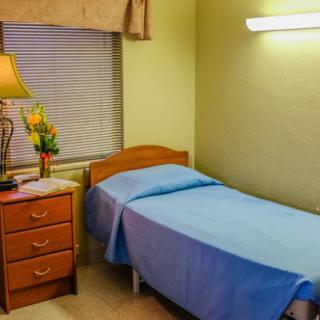
 Fully furnished
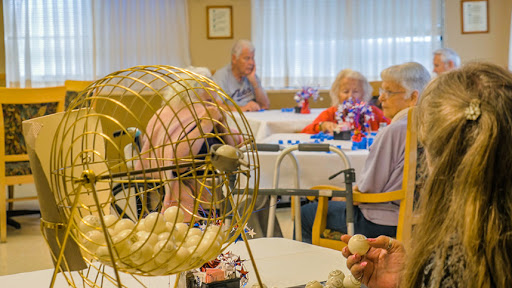
 Gaming room
 Garden
 Housekeeping services
 Kitchenette
 Move-in coordination
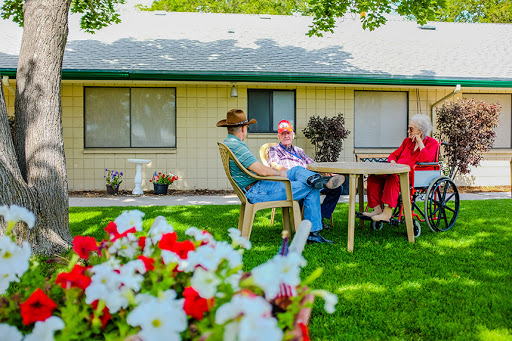
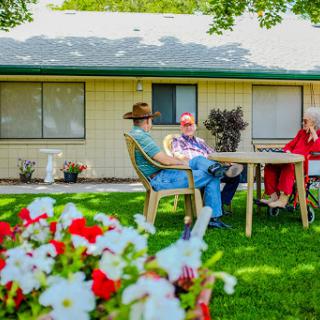
 Outdoor patio
 Outdoor space
 Private bathrooms
 Restaurant-style dining
 Small library
 Telephone
 Wellness center
 Wi-Fi/high-speed internet available
 Reno Tahoe International (22 miles away)
 Community operated transportation
 12-16 hour nursing
 24-hour call system
 Accept incoming residents on hospice
 Activities of daily living assistance
 Administer insulin injections
 Assistance with bathing
 Assistance with dressing
 Assistance with transfers
 Care with behavioral issues
 Diabetes diet
 Medication management
 Mental wellness program
 Mild cognitive impairment
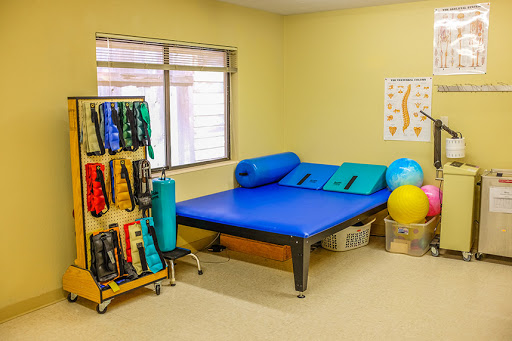
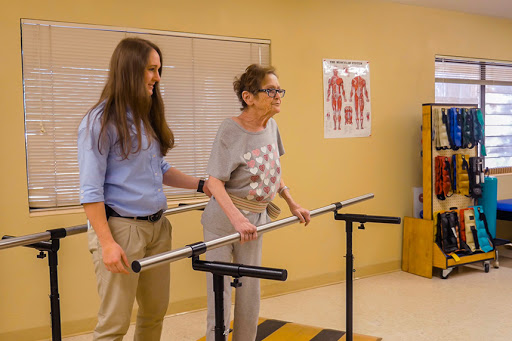
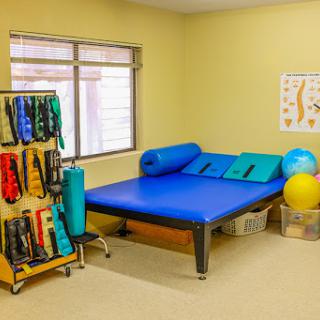
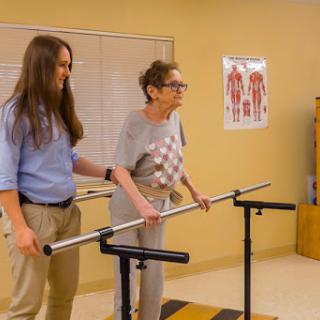
 Physical therapy
 Same day assessments
 Special dietary restrictions
 Transportation arrangement (medical)
 Concierge services
 Planned day trips

 Encouraging Participation in Adult Day Care: A Guide to Supporting a Hesitant Parent
 Comprehensive Exploration of Living Wills and Other Advance Directives
 A Detailed Exploration of Living Wills and Advance Directives