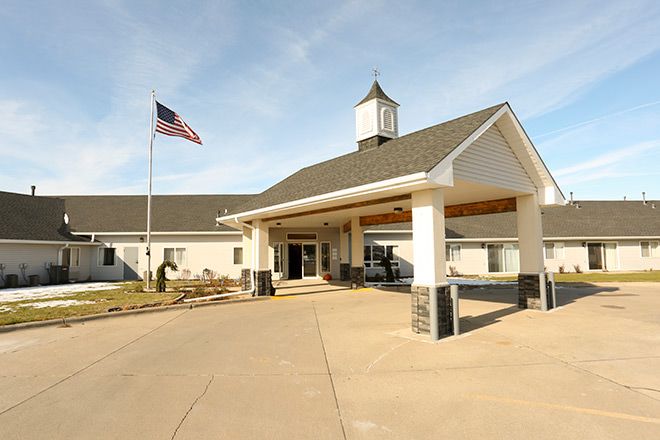
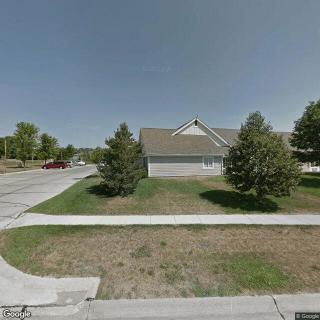
1500 Vintage Hill Drive, Wayne, NE 68787
For more information about senior living options: (866) 208-4318
Overall Review of Wayne
Pros
 The staff were very courteous.
- The facility was clean.
- The food was good.
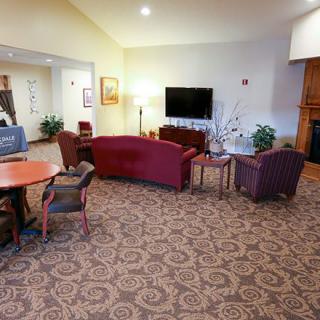
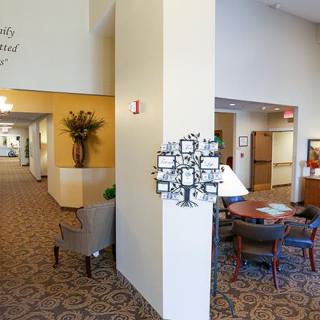
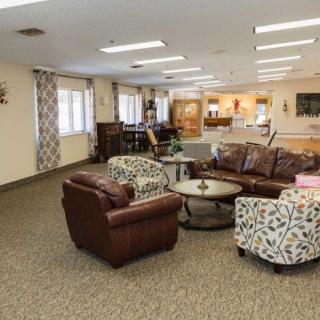
- The amenities of the facility are fantastic.
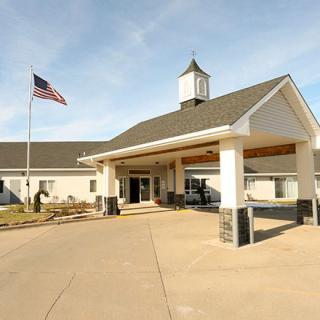
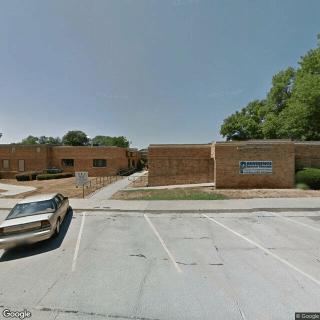
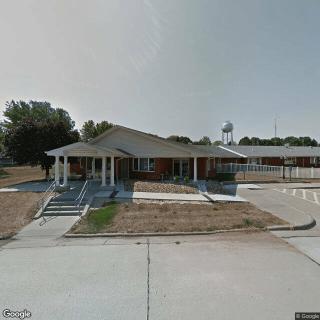
- The grounds are beautifully cared for, and the view is great.
- The cooking staff goes above and beyond for their residents.
- Hospitality is incredible.
- Residents seemed very happy.
Cons
 The care provided at this facility seemed lacking at times.
- Any slips in concentration or loss of temper by the staff were not tolerable.
Review
This Wayne community is best suited for seniors who value a warm, hospitality-driven environment with strong dining and attractive surroundings, and who can tolerate occasional variability in direct caregiving. It rewards families seeking a social, well-kept setting where meals and amenities are standout features, rather than a rigid focus on medical supervision. Residents who enjoy well-maintained grounds, nicely furnished rooms, and a view-filled atmosphere will likely feel content here, provided daily care needs are moderate and regularly supported by family involvement or external aides when necessary.
Those considering alternatives should note that this option may not be ideal for residents who require consistently vigilant, highly individualized care. Families needing steady, hands-on attention, predictable responses to ADLs, or specialized medical supervision may want to explore communities with a demonstrably stronger track record in staffing stability and care delivery. The reviews suggest a capable hospitality culture, but also point to moments when caregiving did not meet expectations, underscoring the importance of a facility with unwavering staff reliability for more demanding care needs.
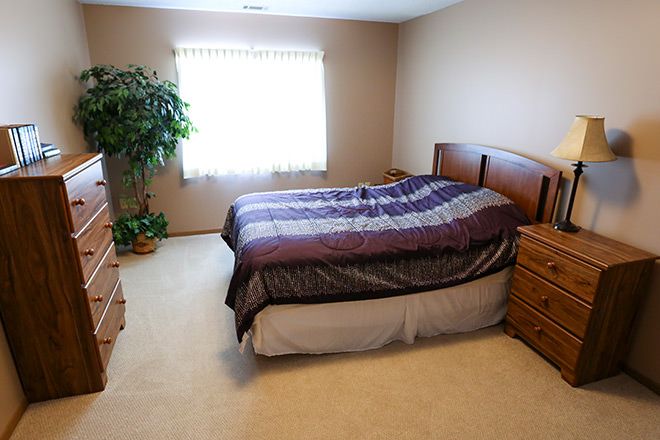
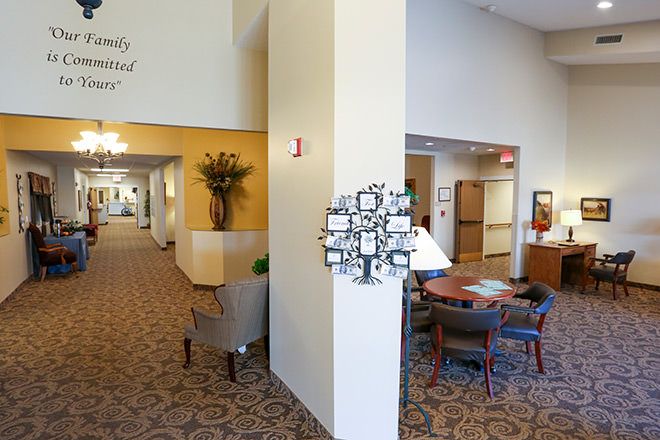
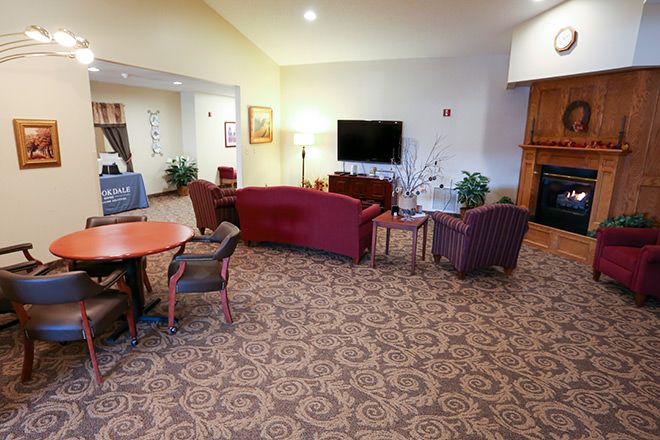
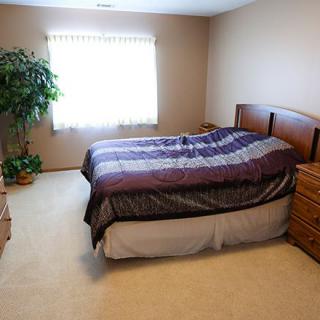
On the plus side, the strongest assets are evident in the environment and the people who greet families at the door. Staff are described as courteous and welcoming, with visits and inquiries handled in a manner that makes families feel heard. The physical plant earns high marks: pristine cleanliness, well-kept grounds, and rooms that feel thoughtfully furnished. The culinary program stands out as a real differentiator, the food is repeatedly praised as above average to excellent, with cooks who “go above and beyond” to please residents. Such elements can significantly elevate daily life, reduce relocation stress, and support socialization and overall mood.
Where the narrative becomes more nuanced is in the care delivery. One reviewer notes that, while the staff is friendly, the level of attention to residents can waver, with frustrations stemming from concentration lapses or temper moments. This is not presented as universal, but it is enough to demand careful inquiry before deciding, especially for residents who rely on consistent hands-on assistance. There is also a small but meaningful reminder about visit logistics, one instance where a family member took a resident out for the day, highlighting how scheduling and personal autonomy intersect with family involvement and care plans. These threads suggest a welcoming culture that can be undermined by uneven caregiving.
In practice, the positive dimensions can offset some concerns if the resident’s needs align with the facility’s strengths. For those who prize social engagement, meaningful dining experiences, and an aesthetically pleasing home base, Emeritus at the Oaks delivers measurable value. The environment supports independence and activity, and hospitality remains a clear differentiator that helps families feel confident about the quality of daily life. However, the caveat remains: when daily, reliable care is non-negotiable, the reported inconsistencies require careful vetting. Prospective residents should demand concrete assurances about care protocols, staffing patterns, and accountability mechanisms before making a commitment.
Ultimately, a deliberate, questions-first approach will determine fit. Prospective families should request a candid tour focused on care staffing, watch for how staff respond in real time to resident needs, and ask for a clear care schedule with expected response times. Inquire about the staff-to-resident ratio during peak hours, how weekends are covered, and what contingency plans exist for staffing gaps. If the answer supports consistent, attentive caregiving and transparent oversight, this community stands as a solid, inviting option. If not, the search should advance toward alternatives with demonstrated, unwavering caregiving performance and fewer subjective gaps in daily support.
 34 resident community capacity
 1-bedroom apartments
 Assisted Living
 Independent Living
 Beautician on-site
 Cable or satellite TV
 Computer center
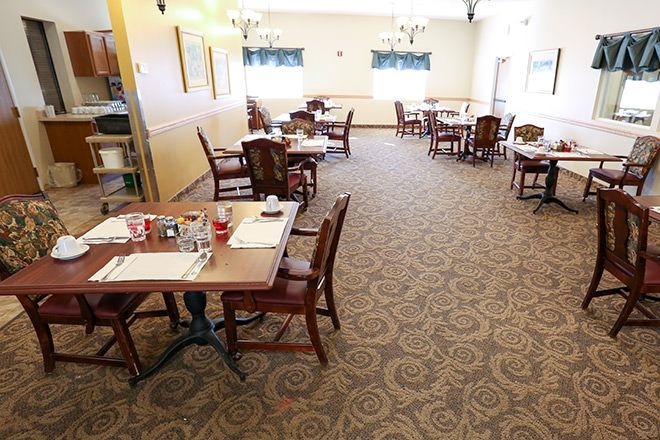
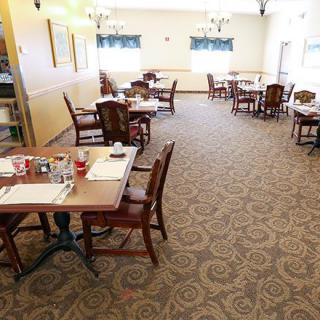
 Dining room
 Financing advice
 Full kitchen
 Fully furnished
 Garden
 Guest parking
 Housekeeping services
 Laundry
 Move-in coordination
 Outdoor space
 Overnight guests
 Party space
 Respite or short term stays offered
 Telephone
 Wi-Fi/high-speed internet available
 Transportation & parking
 24-hour call system
 Activities of daily living assistance
 Assistance with bathing
 Assistance with dressing
 Assistance with transfers
 Diabetes diet
 Meal preparation and service
 Medication management
 Mental wellness program
 Special dietary restrictions
 Transportation arrangement (medical)
 Arts and crafts
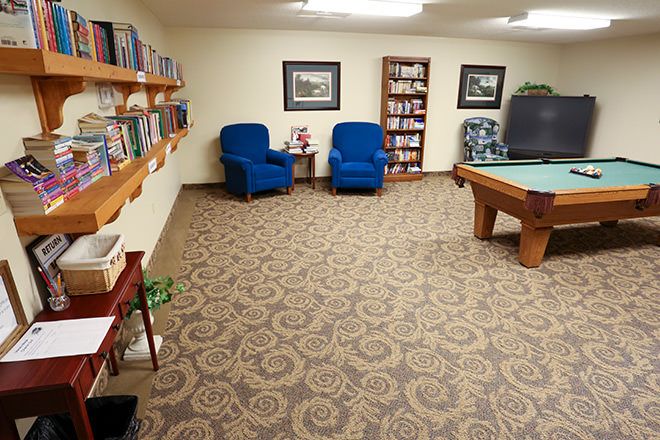
 Book club
 Cooking club
 Educational speakers / life long learning
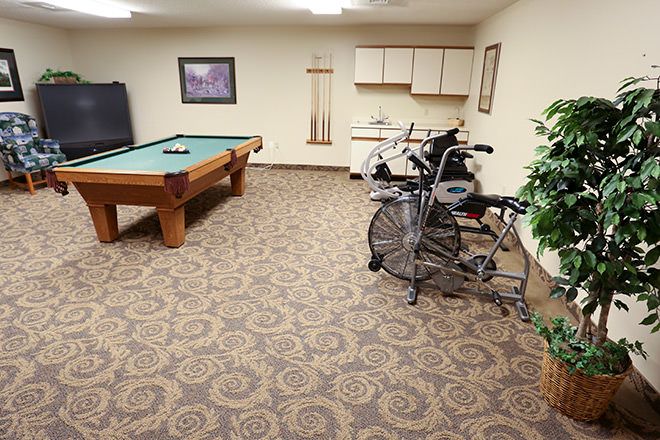
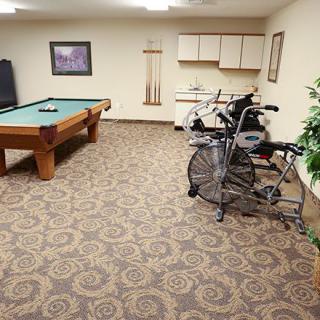
 Fitness programs
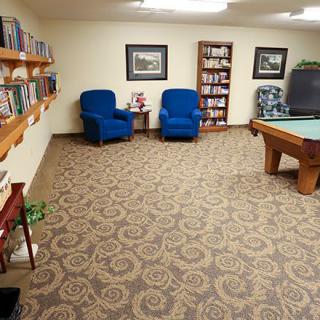
 Games
Games Live musical performances
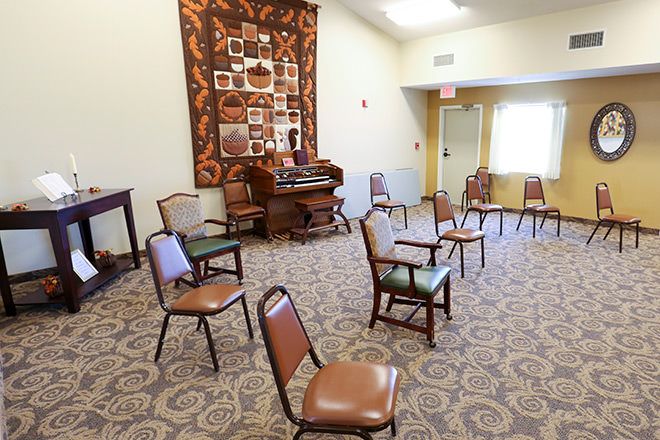
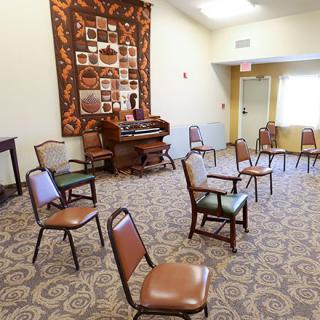
 Religious services
 Wii bowling
 English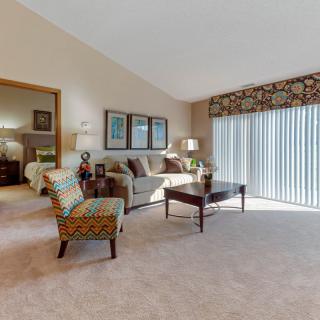

 8 Key Indicators That Suggest It May Be Time to Transition from Assisted Living to Skilled Nursing Care
 Vibrant Senior Living: A Comprehensive Guide for Active Older Adults
 When to Transition from Assisted Living to Memory Care: Key Indicators, Steps, and Finding the Right Community