
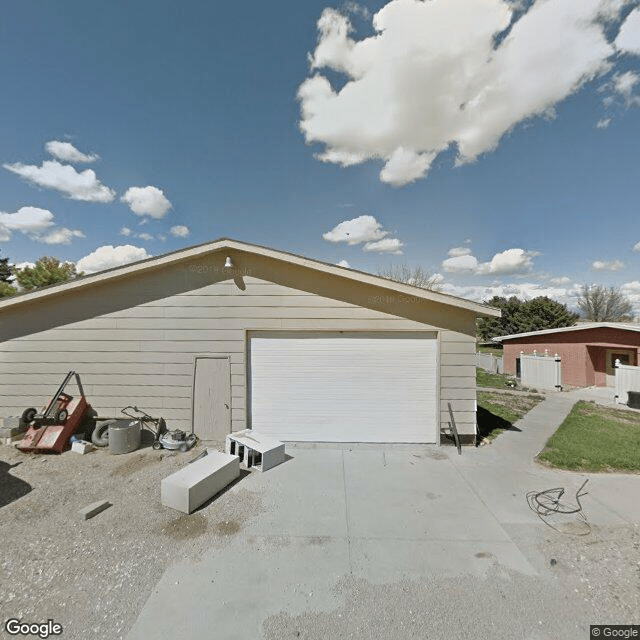
2025 21st St, Gering, NE 69341
To contact a resident: (308) 436-5007
For more information about senior living options: (866) 208-4318
Overall Review of Heritage Health Care Ctr
Pros
 It is a wonderful place for aging family members.
- Everyone is nice and attentive.
- They offer amazing ice cream.
- The PT department is highly regarded.
- The staff are helpful and friendly.
- Heritage is a lovely home for loved ones.
- The staff are kind, patient and caring.
Cons
 Heritage is too expensive.
- Heritage is all about the money.
- There is no compassion for families during hard times at Heritage.
- Heritage is completely pathetic.
- Heritage advertised end-of-life care and rehab, but that was a total lie.
Review
Heritage Health Care Center in Gering, NE is best suited for families seeking a warm, community-style environment where an aging loved one can feel like a resident rather than a number, and where daily life is guided by attentive staff, open communication, and a dementia-capable setting. It works best for seniors who need steady oversight, companionship, and hands-on help with meals and activities, coupled with a rehab focus that shows up in consistent physical therapy support. Families comfortable with paying a premium for a homey atmosphere and proactive care will find value here, provided expectations align with the realities of pricing and service scope.
On the positive side, the recurring threads in the reviews point to a consistently friendly staff culture. Families describe the team as kind, helpful, and quick to escalate concerns, with a strong sense of teamwork that translates into coordinated care for loved ones. The dementia unit is singled out for its patient, caring approach, with staff that ensures residents stay engaged and receive assistance with eating when needed. The rehabilitation department earns praise in several accounts, signaling that residents in need of therapy can access capable therapists and purposeful exercise. Even smaller perks, like a welcoming touch from staff and, notably, enjoyable offerings such as ice cream, help create a humane, comforting atmosphere that families remember.
Yet the negatives cannot be ignored. A common critique centers on cost and what some families perceive as emphasis on money over compassion during hard times. One review labels the facility as “all about the money,” suggesting that financial considerations can overshadow empathetic response when families face difficult circumstances. Another troubling account describes misalignment between marketing and reality: promises of rehab and end-of-life care that allegedly did not translate into available services, leaving a loved one in a critical transition with uncertain outcomes. Such experiences undermine confidence in dependable outcomes and raise important questions about transparency and consistency in service offerings.
The facility’s strengths do not automatically erase these concerns, but they do offset them for a segment of families who place premium value on daily kindness, proactive communication, and a stable, home-like environment. The ability of staff to call quickly when problems arise, and to present a united, collaborative approach to care planning, can significantly ease the daily burden on families. For residents with dementia, the consistent, patient approach is not just comforting, it can contribute to safer, more meaningful daily routines. The overall impression is that Heritage Health Care Center can deliver quality, personable care when the budget supports it and when expectations are aligned with what is realistically offered.
Given the mixed track record, the smart move is to view Heritage as a viable option for specific needs rather than a universal fit. It serves well for families prioritizing warmth, staff attentiveness, and a dementia-friendly setting, along with solid rehabilitation when access and criteria align. It is less well suited for those who must tightly control costs, or for families seeking rock-solid guarantees around rehab-to-home outcomes or end-of-life care that is marketed but not reliably delivered. Prospective residents should approach with clear, written questions about pricing, what rehab services are actually available, acceptance criteria, and the exact scope of end-of-life support. A candid visit to observe staff interactions, tour the dementia unit, and speak with current families will illuminate whether the day-to-day experience justifies the investment.
 Assisted Living
 Activities on-site
 Devotional services off-site
 Indoor common areas
 Ambulatory care
 Diabetic care
 Meals provided



 Assisted Living and Memory Care: Understanding Their Core Differences
 Beyond the Bingo Hall: 50+ Enriching Activities for Seniors in Assisted Living
 Understanding the Distinctions: Assisted Living and Memory Care Explained