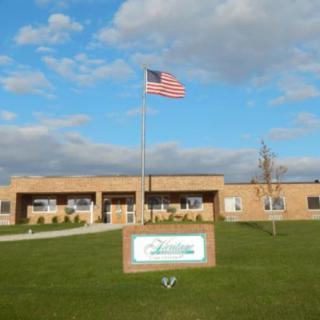
607 Nebraska St, Emerson, NE 68733
To contact a resident: (402) 695-2683
For more information about senior living options: (866) 208-4318
Overall Review of Heritage of Emerson
Pros
 Heritage Of Emerson is a great place for a family member to reside.
- The staff are friendly, knowledgeable, and always eager to help.
- Families feel comfortable knowing their loved ones are well cared for.
- Transportation and activities at Heritage Of Emerson are excellent.
- Everything overseen by Heritage Of Emerson has been a great experience.
- The care at Heritage Of Emerson is provided with love and compassion.
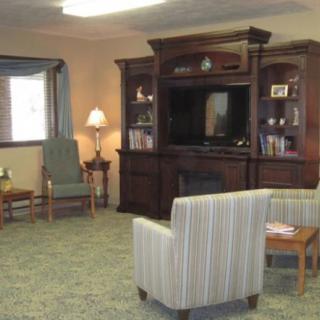
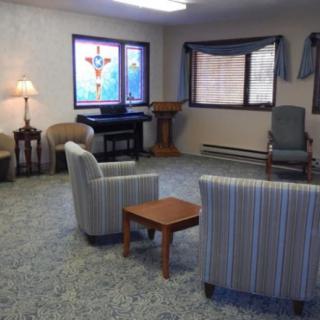
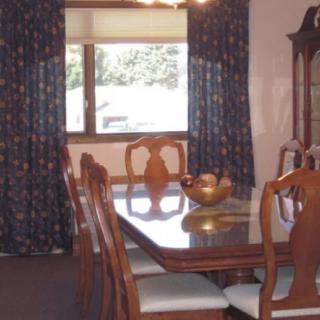
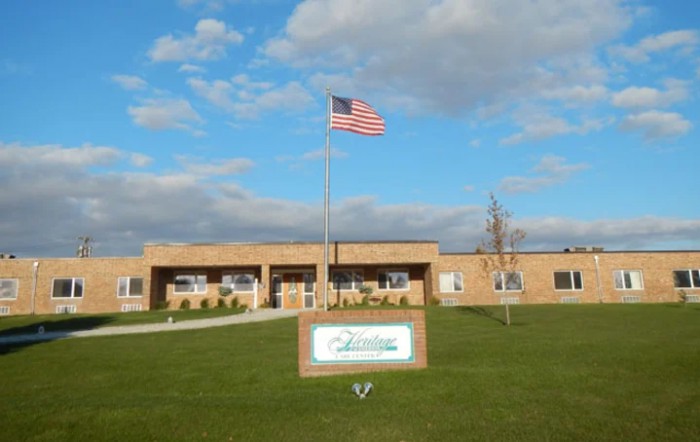
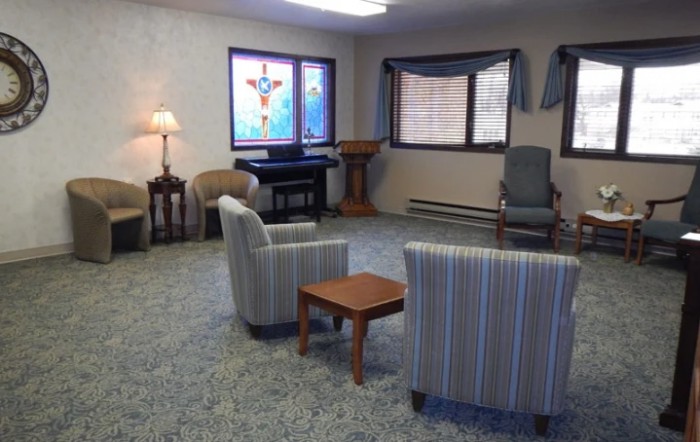
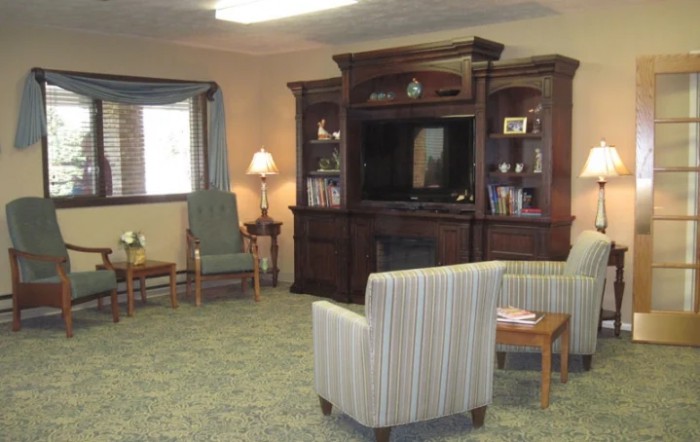
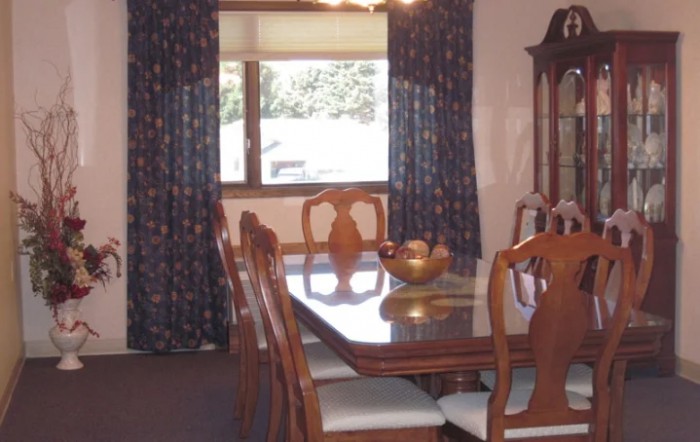
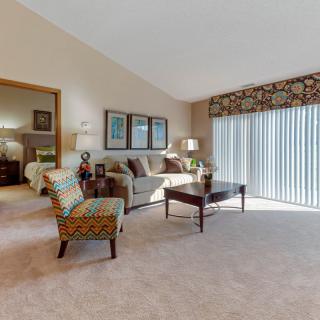
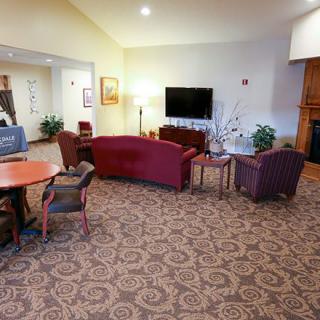
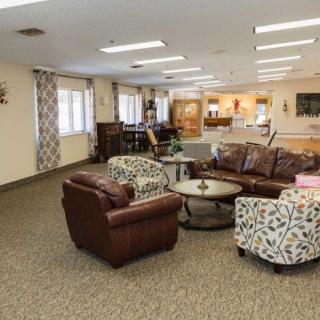
- The facility is beautiful, unlike many homes that feel cold and sterile.
- Families would recommend Heritage Of Emerson to everyone.
- The facility is a happy, beautiful place.
- The facility offers entertaining activities for residents.
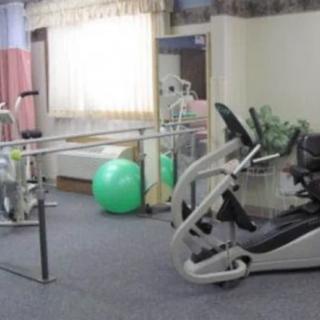
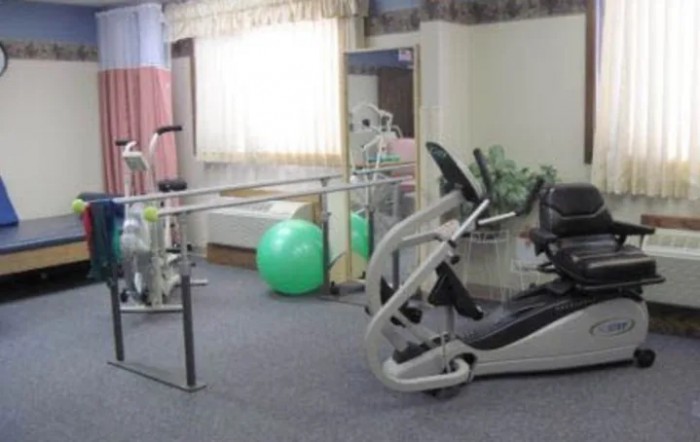
- The facility is very nice, clean, and well equipped.
- The staff are truly dedicated and provide culturally sensitive, person-centered care to each client.
- Heritage provides facilitation across cultural barriers, essential to delivering quality care to its diverse client base.
Cons
 Its also beautiful, unlike most "cold & sterile" homes.
- However, staff is small and many activities rely heavily on volunteer commitment.
Review
Heritage of Emerson is best suited for families seeking a warm, intimate environment where residents are known by name and care feels deeply personal. This community shines for seniors who want compassionate, relationship-based support rather than a clinical, impersonal setting. The combination of genuinely friendly staff, dependable transportation, and a steady slate of activities makes the option practical for households that want daily reassurance that a loved one is not just supervised but truly cared for. The building reads as a welcoming home, clean, well maintained, and aesthetically pleasing, which lowers stress for families during transitions. In essence, it serves those who prize connection, consistent routines, and a comforting sense of safety.
Those with heavier medical needs or a preference for a large, paid-staff operation may want to compare alternatives. If 24/7 skilled nursing coverage, rapid clinical response, or a highly structured activity calendar led by paid professionals is a priority, another community could deliver more certainty. Likewise, residents for whom a complex cultural or religious framework requires constant, formal coordination might find some facilities better equipped with dedicated multi-disciplinary teams and fewer volunteer dependencies. Heritage of Emerson does well with cultural sensitivity, but the scale of resources matters when medical acuity is high or when volunteer-based programming ebbs and flows.
On the upside, the strongest positives revolve around staff warmth, knowledge, and dependable logistics. Residents benefit from a caring team that remembers preferences, advocates for comfort, and coordinates transportation and activities with thoughtful intention. The environment is not clinical; it feels like a home with entertainment options that can lift moods and stimulate engagement. Where the operation relies on volunteers for many activities, Heritage of Emerson still maintains meaningful programming through close partnerships with local aging services, ensuring care stays person-centered even as staffing proportions shift. The result is a practical blend: excellent relational care paired with a charming setting, offsetting some capacity constraints.
Cultural sensitivity emerges as a standout strength. The community serves a diverse population and works across cultural lines to respect communication styles, family structures, end-of-life planning, and religious practices. Staff are described as dedicated and collaborative with community resources to deliver care that respects individual backgrounds. That cross-cultural dexterity is not incidental; it is built into daily practice and planning. It does create additional complexity, one reason activities lean on volunteers, but it also means residents receive care that aligns with deeply held values and traditions, which many families will find essential when choosing a long-term home.
From a decision standpoint, this community checks the boxes for reliable transport, clean facilities, and engaging outings, all wrapped in a home-like atmosphere. Pros offset cons in tangible ways: the affectionate, capable staff provides reassurance that keeps nights calm, and the beauty of the surroundings supports emotional well-being. Yet the smaller team size and volunteer-driven activity schedule warrant a realistic appraisal of expectations, especially for families that want highly predictable programming or require rapid clinical escalation. Prospective residents should verify staffing patterns, availability of paid programming, and how cultural programming is sustained during staffing gaps.
Bottom line: Heritage of Emerson represents a high-value option for seniors who want a compassionate, culturally aware, and engaging home with reliable transportation and a warm environment. It is a particularly strong fit for families prioritizing personal connection, resident dignity, and a calm, community-focused setting. Those with substantial medical needs, a demand for constant, paid staff supervision, or a preference for less volunteer-lifted programming may want to explore alternatives and compare care models. A focused visit that probes staffing rhythms, cultural care practices, and the activity calendar will reveal how well Heritage of Emerson aligns with the care goals of a given loved one and family.
 38 resident community capacity
 Assisted Living
 Memory Care
 Skilled Nursing Facility
 Activities on-site
 Beauty salon
 Cable or satellite TV
 Devotional services off-site
 Dining room
 Fully furnished
 Garden
 Housekeeping services
 Indoor common areas
 Kitchenette
 Move-in coordination
 Outdoor space
 Restaurant-style dining
 Small library
 Telephone
 Wi-Fi/high-speed internet available
 Sioux Gateway (19 miles away)
 24-hour call system
 Ambulatory care
 Assistance with bathing
 Assistance with dressing
 Assistance with transfers
 Diabetes diet
 Diabetic care
 Medication management
 Mental wellness program
 Special dietary restrictions

 Dementia-Related Hallucinations: Causes, Experiences, and Practical Approaches
 Illuminating Insights About Alzheimer's Disease: Ten Crucial Realities
 A Thorough Discussion of Medications Potentially Linked to Dementia Risk