
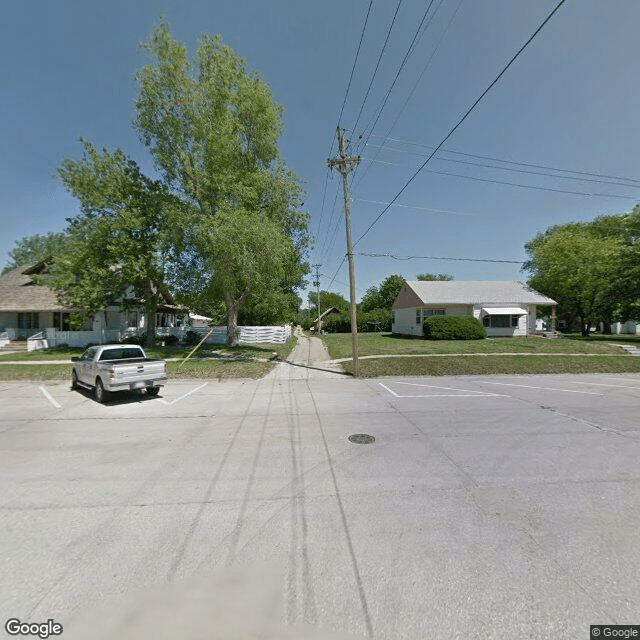
Po Box 340, 1015 F Street, Burwell, NE 68823
For more information about senior living options: (866) 208-4318
Overall Review of Friendship Home Assisted Living
Pros
 The staff are wonderful at CMHC.
- The food in the cafeteria is always outstanding.
- The activities that they are allowed to attend or participate in are outstanding as well.
- They take such great care of him and everyone that comes in.
- Everyone went out of their way to help.
- They were kind, personable, and focused on serving patients and families.
Review
Friendship Home Assisted Living in Burwell, NE is best suited for seniors who want a small, intimate community where staff deliver steady, hands-on care and where families can participate easily in daily life. The reviews consistently highlight a warm, attentive staff and a culture of service that makes residents feel seen and valued. It’s particularly well-matched for residents with limited mobility who need help with daily tasks, yet still want to preserve meaningful social connections, evidenced by the care described for a grandpa who “can’t walk” and the welcome opportunity for family meals in the dining room.
Those who may want to consider alternatives are individuals who require a broader medical safety net or specialized memory care beyond an assisted-living setting. The small-campus model naturally limits the scope of on-site clinical services, rehab options, and memory-care configurations found in larger communities. Families prioritizing hospital-level nursing oversight, 24/7 skilled care, or a wide array of advanced therapies should assess whether the footprint here can meet escalating medical needs or complex dementia care over time.
The strongest positives sit squarely in the staff and the daily living rhythm. Staff are described as wonderful, kind, and genuinely focused on both residents and families, with every team member, from director to kitchen staff, going out of their way to help. That same spirit translates into practical benefits: meals that are consistently praised for quality, a dining experience that even accommodates visiting family members, and a cafeteria lineup that reliably impresses. The facility’s ability to deliver high-caliber meals in a small setting reinforces dignity and enjoyment of everyday life, not merely basic sustenance.
Another clear win is the activity slate, described as outstanding within the bounds of the setting. Residents gain access to engaging programs and events that keep minds and social ties active, a critical factor in quality of life for aging adults. The collaborative energy of the staff fosters a sense of community, and the rumored attentiveness of maintenance and kitchen staff complements the overall care ecosystem. Taken together, these pros create a living environment where daily routines feel purposeful, not merely custodial.
The potential drawbacks align with the familiar tradeoffs of a smaller assisted-living campus. While the reviews are glowing, the limited size commonly means fewer specialized service lines and fewer highly specialized staff than larger campuses. In practice, this translates to a pragmatic ceiling on the breadth of medical oversight, rehab options, and memory-care configurations. For families, the offsetting factors are clear: the intimate setting, consistently strong staff engagement, and high-quality meals often compensate for the narrower service spectrum. For those whose priority is family-friendly access and consistent personal attention, these offsetting benefits typically outweigh the compromises.
For those planning a visit, the following steps help separate good fit from a misfit scenario: observe staff interactions with residents and note the pace of care during peak times; request a sample menu to gauge kitchen quality beyond broad assurances; confirm the policy on guest meals and family involvement to ensure ongoing connection; ask about available care levels, staffing ratios, and the facility’s ability to accommodate evolving medical needs on-site; and explore transportation options for appointments or social activities. In short, Friendship Home Assisted Living is a practical, well-suited choice for families prioritizing personal touch, culinary quality, and meaningful daily activities in a small-community setting. If medical complexity or a need for advanced memory-care services is pressing, however, alternatives with broader clinical footprints should be pursued.
 18 resident community capacity
 Assisted Living
 Activities on-site
 Cable or satellite TV
 Devotional services off-site
 Dining room
 Fully furnished
 Garden
 Housekeeping services
 Indoor common areas
 Move-in coordination
 Outdoor space
 Telephone
 Wi-Fi/high-speed internet available
 24-hour supervision
 Ambulatory care
 Assistance with bathing
 Assistance with dressing
 Assistance with transfers
 Diabetes diet
 Diabetic care
 Meal preparation and service
 Medication management
 Special dietary restrictions
 Transportation arrangement (medical)
 Transportation to doctors appointments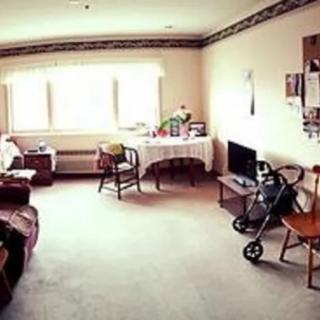


 Senior Transition Services: Understanding Their Role, Cost, and Importance
 Exploring the Path to Senior Living: A Comprehensive Look at Independent Living and Assisted Living
 Is Assisted Living Deductible on Your Taxes? Understanding the Complexities of Assisted Living Expenses and Deductions