
2814 Great Northern Loop, Missoula, MT 59808
For more information about senior living options: (866) 208-4318
Overall Review of Rosetta Assisted Living - Missoula 2
Pros
 The staff at Rosetta are warm and friendly, and welcoming to visiting families.
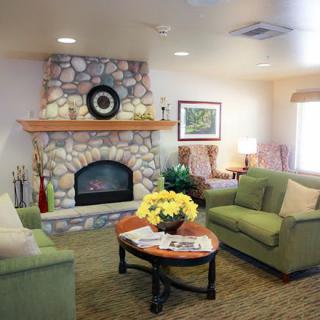
- Rosetta feels small and home-like, with a clean and pleasant environment.
- The care at Rosetta is excellent, with good food and a kind, loving staff.
- Caregivers at Rosetta provide emotional support and involve residents in activities, helping them feel part of something greater.
- Residents enjoy privacy and a comfortable room, contributing to a sense of home.
- Rosetta has great staff and residents, creating a positive community.
Cons
 They report consistent, undeniable neglect from the staff.
- Medications are often administered late or skipped altogether.
- They describe understaffing, with 14+ residents and only 2 caregivers on duty.
- The on-duty caregivers are required to cook, do laundry, answer phones, give tours, and still care for residents.
- Family members had to repeatedly prompt for medications and care, including feeding.
- Bruises on the resident’s arm indicated possible rough treatment.
- On moving out, the resident was left soaking wet, hungry, and unfed.
Review
Rosetta Assisted Living - Missoula 2 is best suited for families seeking a small, home-like setting where residents receive personal attention, maintain privacy, and feel part of an intimate community. The core appeal lies in warmth, clean surroundings, and routines that can be tailored to individual preferences, delivered by caregivers who know residents well. It is a good fit for seniors who prize relationship-based care over institutional scale, and who want to be able to drop in, talk with staff, and see familiar faces during visits. The Missoula locale contributes to a feel of familiar Northwest hospitality, with multiple accounts noting tidy rooms and a residence that appears content when loved ones visit.
Those with higher medical complexity or a need for rigid, replicable care protocols should consider alternatives. Several accounts raise concerns about staffing levels and the reliability of medication administration, and one grievous review describes neglect with serious consequences. For residents requiring strict adherence to med schedules, dependable assistance with feeding and toileting, or robust coordination with outside clinicians, Rosetta may not provide the safety margin or operational discipline that such needs demand. Families should scrutinize whether governance, accountability, and day-to-day procedures align with the resident’s medical and safety requirements before committing.
On the positive side, the facility’s small footprint translates into meaningful staff–resident interaction, greater opportunities for residents to participate in routine tasks, and a sense of belonging. Multiple families praise warm, attentive caregivers, clean rooms, and solid meals. A resident who values privacy and a calm, quieter atmosphere will likely thrive in the room setups and the sense of personal space afforded by the home-like environment. These strengths can meaningfully reduce anxiety for both residents and families who want consistent, personal contact and predictable, personable updates.
Yet the flip side cannot be ignored. The strongest concerns center on understaffing and the resulting heavy workloads, which can lead to delays in medication, missed or rushed care, and gaps in daily routines. In several accounts, caregivers were stretched thin, and family members found themselves stepping in to supervise basics like feeding or toileting. The situation is exacerbated when activities programming is inconsistent or absent due to turnover or staffing gaps, eroding the sense of ongoing engagement residents rely on. When a facility cannot sustain reliable, attentive care, even a warm, homelike ambiance struggles to compensate.
Decision-makers should approach Rosetta with a disciplined due-diligence plan. Request current staffing rosters for each shift, quantify caregiver-to-resident ratios, and obtain a clear, auditable med-pass protocol with dosing logs. Observe a typical day to verify timely meals, medication delivery, and assistance with activities, hygiene, and mobility. Inquire about the presence and role of an activities director, and how regularly residents are offered meaningful engagement. Probe how palliative or complex medical care is coordinated, and confirm escalation paths if care needs intensify. Speak with multiple families, review state inspection records, and, if possible, negotiate a probationary period with explicit performance metrics and contingency plans.
Bottom line: Rosetta delivers a warm, intimate environment with real potential to feel like home for the right resident and family willing to stay actively involved. The most substantial cautions are the risks tied to staffing gaps, consistency of care, and potential safety concerns, all of which carry serious implications for daily well-being. If choosing Rosetta, formalize expectations in writing, including precise med administration schedules, care plans, and a schedule for regular family updates, while maintaining an active, ongoing family presence as a safeguard. For residents whose needs demand steady, high-capacity staffing and rigorous clinical oversight, alternatives with larger teams and stronger governance will generally offer greater peace of mind.
 21 resident community capacity
 Assisted Living
 Beauty salon
 Cable or satellite TV
 Dining room
 Fully furnished
 Garden
 Housekeeping services
 Kitchenette
 Move-in coordination
 Outdoor space
 Restaurant-style dining
 Small library
 Telephone
 Wi-Fi/high-speed internet available
 Missoula International (4 miles away)
 24-hour call system
 Activities of daily living assistance
 Assistance with bathing
 Assistance with dressing
 Assistance with transfers
 Diabetes diet
 Medication management
 Mental wellness program
 Special dietary restrictions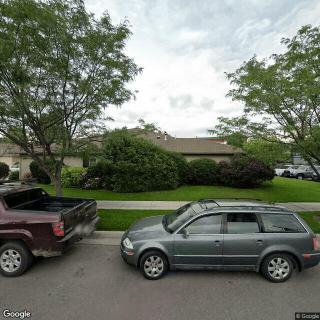



 Senior Transition Services: Understanding Their Role, Cost, and Importance
 Exploring the Path to Senior Living: A Comprehensive Look at Independent Living and Assisted Living
 Is Assisted Living Deductible on Your Taxes? Understanding the Complexities of Assisted Living Expenses and Deductions