Bee Hive Homes of Missoula

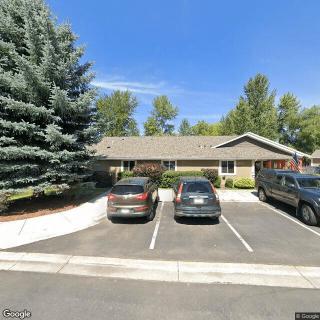
2406 River Road, Missoula, MT 59804

For more information about senior living options: (844) 490-3973

3.7 from 33 reviews
5 stars
21
4 stars
2
3 stars
0
2 stars
0
1 stars
10

Assisted Living

What level of care are you interested in?

Assisted Living

Memory Care

Independent Living

Skilled Nursing Facility

Continuing Care Retirement Community (CCRC)CCRC

Other


Request a tour at Bee Hive Homes of Missoula

    Overall Review of Bee Hive Homes of Missoula

    Pros

    • pro The facility has a homey atmosphere with strong, positive relationships among residents and staff.
    • pro Staff turnover is very low, contributing to stable, consistent care.
    • pro The memory care unit is described as amazing, with responsive, caring staff.
    • pro The staff are attentive, thoughtful, and loving.
    • pro Meals are home-cooked in an open kitchen, with nutritious menus and regular variety.
    • pro There is a rich program of activities, music, outings, and celebrations that engage residents.
    • pro The owners are actively involved in events and personally serve meals, reinforcing a family-like atmosphere.
    • pro Families report that residents are treated as part of the BeeHive family and feel welcomed and supported.
    • pro Transitions to hospice are handled professionally and with sensitivity.

    Cons

    • pro Dad was a kind man, but he was very angry about being put in the home and acted out.
    • pro The administration and staff should have known how to de-escalate the situation; instead they made it worse and behaved as if they had never dealt with a disruptive end-stage dementia patient.
    • pro They would let him sleep all morning, causing him to miss breakfast, and then tell him he would have to wait until lunch to eat.
    • pro He couldn't even have coffee because that was only served with breakfast.
    • pro They would then give him another dose of medication to mellow him out, which would make him sleep through lunch.
    • pro Dad complained about being hungry every time they visited him.
    • pro He lost 20 pounds in the three weeks he was there.
    • pro Dad's bathroom floor had a huge pool of urine every time they visited.
    • pro He hadn't been given a shower the entire time he was there.
    • pro Dad was very thin and cold all the time, yet they refused to cover the vent or turn off the air conditioning blowing in his room.
    • pro They left the shade shut in his room all day long, trying to get him to sleep the day away.
    • pro Dad, who was used to walking, could no longer walk, feed himself, and didn't smile after the first week.
    • pro After two weeks he could no longer carry on a conversation.
    • pro He had bruises all over his body, knees raw from falls, cuts on his head, hands and face, and a soft ball-sized lump on his lower back by his kidney from where he had fallen.
    • pro They broke the trust by taking care of Dad.
    • pro They waited three weeks to remove him and send him to another home.
    • pro One facility felt more like a cruise ship, and another felt like a hospital with every small thing charged for along with filthy rooms.

    Review

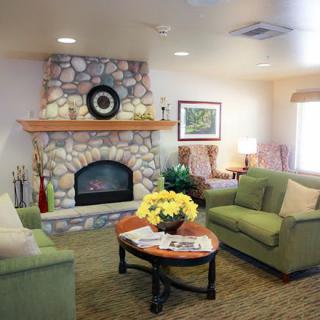
    BeeHive Homes in Missoula emerges in these reflections as a place that many families feel genuinely comfortable calling a home for their loved ones. Across several accounts, the setting is described as cozy and homey, with residents forming strong bonds not only with each other but with the staff who seem to invest deeply in their everyday lives. Families repeatedly point to the open, welcoming atmosphere - unannounced visits are met with warmth, and even the presence of a family dog brings smiles to residents. The sense conveyed is that the staff know the residents well, and that the personal touch goes beyond routine care to include meaningful, day-to-day relationships.

    The everyday environment is painted with specifics that many prospective residents and families would appreciate. Some residents have private rooms with their own bathrooms, while others share a large living area where daily activities unfold. Open kitchens and dining areas allow meals to be cooked in view and eaten together, reinforcing a sense of home. There are walking paths around the facility, group activities, and outings that keep residents engaged. Music, dining out, and diverse enrichment experiences appear to be regular components of the program, and there is a clear emphasis on keeping residents active and socially connected. Several reviewers highlight how well the facility seems to "see" and understand each resident, with staff taking the time to engage on individual levels.

    A recurring thread among many families is the strength and stability of the staff. Reviews frequently mention low turnover and a team that feels consistent enough to build trust over time. The memory care unit is singled out by multiple families as particularly strong, with several names cited for leadership and accessibility. One reviewer notes that April, a manager, and Theresa, an administrator, are consistently available and supportive, and Christina is singled out as being exceptionally caring. The sense that the owners themselves show up at events and pitch in to serve - forming a kind of village of care - comes through as well. Families describe how staff communicate with medical teams, coordinate transitions, and adapt to evolving needs with a calm, professional approach.

    The quality of life for residents is highlighted through intimate testimonials about nutritious, home-cooked meals and a menu that evolves. Meals are prepared in-house rather than pre-made, and residents are kept clean and well-groomed, with attention to clothing and appearance. The facility also emphasizes celebration and connection - weekly activities, holiday gatherings, and opportunities for church musicians to visit on Sundays are cited as meaningful enrichments. Families repeatedly express gratitude for the way BeeHive Homes has become a supportive final home for loved ones, with stories of dignity, tears, laughter, and genuine care that extend beyond basic daily tasks into the realm of emotional and social well-being.

    There are deeply positive, long-standing relationships described as well. One family speaks of a mom or grandma living at BeeHive Homes for several years, thriving in an environment where meals, outings, and celebrations are integral. They emphasize how the staff treats residents as part of a family, noting especially the comfort of knowing meals are nutritious and varied, and that the resident has formed friendships and remained cognitively engaged. Other testimonials recount the experience of bringing a parent or grandparent into house 3 or into memory care, underscoring that these moves were made with compassion and thoughtful consideration for changing care needs. The sense across these narratives is not only that BeeHive Homes provides care, but that it can feel like a living home in which residents are loved and valued.

    Amid these overwhelmingly positive experiences, there is also a candid, serious account from a family who felt the care did not meet expectations. This reviewer describes a different experience in Missoula's BeeHive Homes, focusing on an incident in the memory care unit where they believe the care fell short in both responsiveness and safety. The account details weight loss, missed meals, dehydration concerns, and a series of practical failures - including missed showers and a cold, uncomfortable environment - and claims of insufficient de-escalation techniques for a disruptive dementia-related behavior. The family describes multiple signs that the care environment did not protect their loved one's dignity or safety, including injuries and a lack of progress in addressing the situation. They moved their father to another facility after a few weeks and express regret about having chosen BeeHive Homes in the first place, noting a perceived lack of training to handle challenging residents and a breakdown in trust with the administration.

    Taken together, these reviews paint a portrait of BeeHive Homes Missoula as a facility that many families regard as warm, attentive, and highly capable in providing a home-like atmosphere, rich in personal attention, meaningful activities, and stable staffing. The overwhelmingly positive experiences center on the residents' sense of being known, the quality of meals and daily life, the opportunities for social engagement, and the heartfelt involvement of administrators and owners. Yet the lone negative account introduces a crucial counterpoint: in any memory care setting, training, consistency in de-escalation, and vigilant attention to safety are non-negotiable, and when families perceive gaps in those areas, the consequences can be profound and lasting. This contrast underscores the reality that, while BeeHive Homes Missoula can be a wonderful fit for many, care experiences can vary by unit and individual staff dynamics, and families are urged to conduct thorough tours, ask pointed questions about memory care protocols and staff training, and observe interactions to ensure alignment with their loved one's needs and safety expectations. For families evaluating options, the prevailing sentiment across most testimonials is to expect a warm, community-centered environment with strong personal connections, while also remaining vigilant for signs that any facility can fall short - and seeking out facilities that demonstrate robust training, transparent communication, and a proven track record in managing the complexities of memory care.

    Features

    Housing

    • 15 resident community capacity 15 resident community capacity

    Types of Care

    • Assisted Living Assisted LivingAssisted living facilities provide crucial support and care for seniors who may need help with daily tasks such as medication management, bathing, and meal preparation. These communities offer a safe and comfortable environment where seniors can maintain their independence while receiving the assistance they need to thrive in their golden years.

    Amenities

    • Beauty salon Beauty salonBeauty salons are important for seniors because they provide a space for them to feel pampered, socialize, and maintain their personal grooming and hygiene. Regular visits to a beauty salon can help boost seniors' self-esteem and overall well-being.
    • Cable or satellite TV Cable or satellite TVCable or satellite TV is important for seniors because it provides entertainment, news, and companionship, helping to combat loneliness and boredom. It also offers a wide range of programming options tailored to different interests and preferences.
    • Dining room Dining roomDining rooms are important for seniors as they provide a space for socialization, connection, and nutritious meals. They offer opportunities for residents to bond over shared meals, foster a sense of community, and promote healthy eating habits. Dining rooms also ensure that seniors have access to well-balanced meals tailored to their dietary needs and preferences.
    • Fully furnished Fully furnishedFully furnished senior living communities are important for seniors because they provide convenience, comfort, and a hassle-free moving experience. Seniors can easily settle into their new living space without the stress of having to buy and move furniture. This allows them to focus on enjoying their new home and community.
    • Garden GardenGardens are important for seniors as they provide a peaceful and therapeutic environment for relaxation, physical activity, and socialization. Being in nature has been shown to reduce stress, improve mood, and promote overall well-being. Gardens also offer opportunities for seniors to engage in gardening activities, which can improve mobility, flexibility, and cognitive function. Additionally, gardens create a sense of community and connection with others who share a passion for plants and outdoor spaces.
    • Housekeeping services Housekeeping servicesHousekeeping services are important for seniors because they help maintain a clean and safe living environment, promote independence, and reduce the risk of accidents or illnesses. Additionally, having assistance with household chores can alleviate physical strain and allow seniors to focus on other aspects of their well-being.
    • Kitchenette KitchenetteKitchenettes are important for seniors living in senior living communities because they provide the convenience and independence of being able to prepare simple meals and snacks in the comfort of their own living space. This can help promote a sense of autonomy and well-being for seniors, allowing them to maintain some level of control over their dietary choices and daily routines.
    • Move-in coordination Move-in coordinationMove-in coordination is important for seniors because it helps ease the transition into their new living environment. It ensures that all logistics, such as packing, organizing movers, and setting up utilities are taken care of, allowing seniors to focus on settling in and adjusting to their new home. Having a smooth move-in process can alleviate stress and anxiety, making the transition smoother and more enjoyable for seniors.
    • Outdoor space Outdoor spaceOutdoor spaces are important for seniors as they provide opportunities for physical activity, social interaction, exposure to natural light and fresh air, and a sense of connection to nature. Having access to outdoor spaces can improve overall well-being and quality of life for older adults living in senior communities.
    • Restaurant-style dining Restaurant-style diningRestaurant-style dining is important for seniors because it allows them to enjoy delicious, nutritious meals in a social and upscale setting. This enhances their dining experience, promotes healthy eating habits, and fosters socialization with fellow residents, ultimately contributing to their overall well-being and quality of life.
    • Small library Small librarySmall libraries are important for seniors as they provide access to a variety of reading materials, including books, newspapers, and magazines. This can help stimulate their minds, keep them engaged, and provide a sense of community through book clubs and other social activities. Additionally, reading has been shown to improve cognitive function and overall mental well-being in older adults.
    • Telephone TelephoneTelephones are important for seniors as they provide a lifeline for communication with loved ones, emergency services, and healthcare providers. They offer a sense of security and independence, enabling seniors to stay connected and access assistance when needed.
    • Wi-Fi/high-speed internet available Wi-Fi/high-speed internet availableWi-Fi/high-speed internet is important for seniors to stay connected with loved ones, access online resources, and participate in virtual activities to combat feelings of loneliness and isolation. It also allows them to easily manage healthcare needs, access entertainment, and engage in lifelong learning opportunities.

    Transportation

    • Missoula International (4 miles away) Missoula International (4 miles away)

    Care Services

    • 24-hour supervision 24-hour supervision24-hour supervision is important for seniors to ensure their safety, well-being, and access to immediate assistance in case of emergencies or health issues. This constant support provides peace of mind for both seniors and their loved ones, allowing them to age in place with dignity and security.
    • Activities of daily living assistance Activities of daily living assistanceActivities of daily living assistance are important for seniors because they provide essential support with tasks such as eating, bathing, dressing, and mobility. This assistance helps seniors maintain their independence, dignity, and overall quality of life as they age.
    • Assistance with bathing Assistance with bathingAssistance with bathing is crucial for seniors as it helps maintain personal hygiene, prevents infections, and ensures their overall well-being and comfort. It also provides a sense of dignity and independence for seniors who may struggle with this task on their own.
    • Assistance with dressing Assistance with dressingAssistance with dressing is important for seniors because it helps maintain their independence, promotes personal hygiene, prevents accidents and injuries, and improves overall quality of life. This service ensures that seniors can continue to dress comfortably and confidently, despite any physical limitations they may have.
    • Assistance with transfers Assistance with transfersAssistance with transfers is crucial for seniors as it helps prevent falls and injuries, maintains their independence, and ensures they can safely navigate their living environment. It also provides peace of mind for both seniors and their loved ones.
    • Diabetes diet Diabetes dietA diabetes diet is crucial for seniors as it helps manage blood sugar levels, reduce risks of complications, and improve overall health and well-being. By following a balanced and nutritious diet tailored to their specific needs, seniors can better control their diabetes and enhance their quality of life.
    • Meal preparation and service Meal preparation and serviceMeal preparation and service are crucial for seniors as they may have limited mobility or energy to cook nutritious meals. Having access to healthy and convenient food options can ensure they are getting the proper nutrition needed to maintain their overall health and well-being.
    • Medication management Medication managementMedication management is crucial for seniors to ensure they are taking the right medications at the correct dosages and times. This helps prevent adverse drug interactions, reduces the risk of medication errors, and promotes overall health and well-being. Proactive management also allows for adjustments as needed based on changing health conditions or new prescriptions.
    • Mental wellness program Mental wellness programMental wellness programs are essential for seniors as they promote cognitive stimulation, emotional support, and social engagement. These programs help prevent isolation, depression, and cognitive decline, ultimately enhancing the overall quality of life for older adults.
    • Special dietary restrictions Special dietary restrictionsSpecial dietary restrictions are important for seniors because age-related changes in metabolism and health conditions can make it difficult for their bodies to process certain foods. By following a diet tailored to their specific needs, seniors can maintain their overall health and well-being, manage chronic conditions, and reduce the risk of complications such as malnutrition or food interactions with medications.
    Dining

    • Diabetes diet Diabetes dietA diabetes diet is crucial for seniors as it helps manage blood sugar levels, reduce risks of complications, and improve overall health and well-being. By following a balanced and nutritious diet tailored to their specific needs, seniors can better control their diabetes and enhance their quality of life.
    • Special dietary restrictions Special dietary restrictionsSpecial dietary restrictions are important for seniors because age-related changes in metabolism and health conditions can make it difficult for their bodies to process certain foods. By following a diet tailored to their specific needs, seniors can maintain their overall health and well-being, manage chronic conditions, and reduce the risk of complications such as malnutrition or food interactions with medications.

    Activities

    • Community-sponsored activities Community-sponsored activitiesCommunity-sponsored activities are important for seniors as they provide opportunities for social interaction, mental stimulation, and physical activity. These activities can help improve overall well-being, combat loneliness and isolation, and promote a sense of belonging and purpose among older adults.
    • Resident-run activities Resident-run activitiesResident-run activities are important for seniors as they encourage social interaction, creativity, and a sense of autonomy. These activities empower seniors to stay engaged and active in their community while fostering meaningful connections with their peers.
    • Scheduled daily activities Scheduled daily activitiesScheduled daily activities are important for seniors because they provide structure, socialization, mental stimulation, and physical activity. Engaging in regular activities can improve overall well-being and quality of life for seniors living in a community setting.

    Description

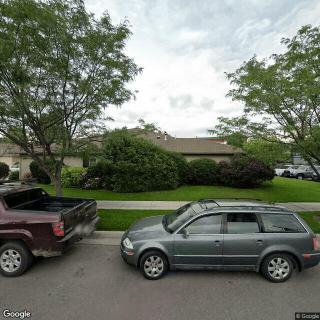
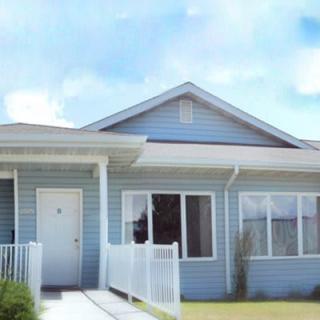
    Bee Hive Homes of Missoula in Missoula, MT is a well-appointed assisted living community that offers a comfortable and convenient living environment for seniors. The community provides a range of amenities to ensure residents have a pleasant and fulfilling lifestyle.

    Residents can enjoy their favorite shows or movies on cable or satellite TV in their fully furnished accommodation. The dining room provides a pleasant setting for meals, where residents can socialize with fellow residents while enjoying delicious and nutritious food. Additionally, the community offers kitchenettes for those who prefer to prepare their own meals.

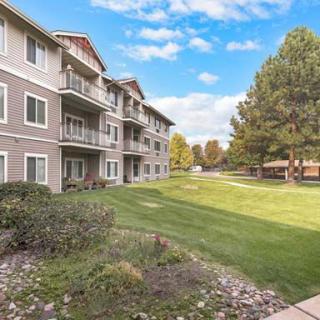
    The outdoor space and garden are perfect for residents who enjoy spending time outdoors, providing a refreshing and tranquil environment. For intellectual stimulation, there is a small library available where residents can access various books.

    Housekeeping services are provided to ensure that residents' living spaces are clean and tidy at all times. Move-in coordination is also available to make the transition into the community as smooth as possible.

    Residents can stay connected with friends and family through telephone and Wi-Fi/high-speed internet services. Additionally, the community offers restaurant-style dining, ensuring that every meal is an enjoyable experience.

    Care services at Bee Hive Homes of Missoula include assistance with activities of daily living such as bathing, dressing, and transfers. The staff also assists with medication management and provides specialized care for individuals on diabetes diets. A mental wellness program is available to support residents' emotional well-being.

    Special dietary restrictions are catered for in the dining options provided by the community. Residents will have peace of mind knowing that their nutritional needs are taken care of.

    To keep residents engaged and active, there are resident-run activities as well as scheduled daily activities planned by the staff. These help foster a sense of community and provide opportunities for socialization among residents.

    In terms of nearby amenities, Bee Hive Homes of Missoula benefits from its proximity to cafes, parks, pharmacies, physicians' offices, restaurants, places of worship, and hospitals. This ensures that residents have easy access to various services and activities in the local area.

    Overall, Bee Hive Homes of Missoula offers a well-rounded assisted living community with a range of amenities and care services designed to meet the needs of seniors in a comfortable and supportive environment.

    Nearby Places of Interest

    Physicians

    • Providence International Heart Institute - Montana Cardiology (0.5 miles)
    • Montana Internal Medicine (0.5 miles)
    • Mullan Medical Center Association (0.5 miles)
    • Montana Allergy & Asthma Practice, Carl Thornblade MD (0.5 miles)
    • Miller Hayley Community Firstcare North Reserve Missoula (0.6 miles)
    • Northwest Plastic Surgery Associates (0.6 miles)
    • Missoula Bone & Joint (0.6 miles)

    Hospitals

    • Joint Repair Clinic of Montana (0.5 miles)
    • Cancer Center-St Patrick Hospital and Health Sciences Cen (1.8 miles)
    • Village Health Care Center (2 miles)
    • Providence Surgery Center (2.1 miles)
    • CMC Missoula (2.1 miles)
    • Big Sky Surgery Center (2.2 miles)

    Pharmacies

    • Walmart Pharmacy (0.5 miles)
    • Albertsons Pharmacy (0.6 miles)
    • CVS Pharmacy (0.7 miles)
    • Walgreens (0.8 miles)
    • Missoula Pharmacy (1.2 miles)
    • Broadway Pharmacy (1.8 miles)
    • Shopko Missoula Pharmacy (2.1 miles)

    Restaurants

    • Cafe Rio Mexican Grill (0.6 miles)
    • Taco Bell (0.6 miles)
    • Hoagieville (0.7 miles)
    • Wheat Montana (0.7 miles)
    • Burger King (0.8 miles)
    • Noodle Express (0.8 miles)
    • McDonald's (0.8 miles)

    Parks

    • McCormick Park (1.7 miles)
    • Evelyn Borg Johnson Park (2 miles)
    • Bess Reed Park (2.2 miles)
    • Fort Missoula Recreation Area (2.3 miles)

    Places of Worship

    • St Francis Xavier Church (1.9 miles)

    Cafes

    • Le Petit Outre Breads (2 miles)
    • Starbucks (2.1 miles)
    • Florence Coffee (2.1 miles)
    • Florence Coffee Co. (2.2 miles)
    • Break Espresso (2.2 miles)
    • Market on Front (2.2 miles)
    • Ducrey Chocolate Maker (2.3 miles)

    Frequently Asked Questions

    Where is Bee Hive Homes of Missoula?

    Nearby Communities

    Related Resources

    • active senior livingVibrant Senior Living: A Comprehensive Guide for Active Older Adults

      Vibrant Senior Living emphasizes active senior living communities that promote independence and engagement through diverse amenities and activities, fostering wellness and social interaction among older adults. These communities range from independent to assisted living, with a focus on personal growth, family involvement, financial planning, and leveraging technology to enhance residents' experiences.

    • when to move from assisted living to memory careWhen to Transition from Assisted Living to Memory Care: Key Indicators, Steps, and Finding the Right Community

      Transitioning from assisted living to memory care is driven by an individual's cognitive decline and specific needs, requiring careful evaluation of indicators like increased confusion and wandering. The process involves consulting medical professionals, researching suitable communities, considering financial and legal aspects, and ensuring effective communication for personalized care plans.

    • assisted living vs memory careAssisted Living and Memory Care: Understanding Their Core Differences

      Assisted living provides moderate support for seniors seeking independence, while memory care offers specialized support for individuals with dementia or cognitive impairments through structured routines and trained staff. Key differences include care approaches, environment security measures, staff training levels, activity types, and cost considerations.


    Get Pricing Ask A Question Schedule A Tour Contact Senior Advisor