
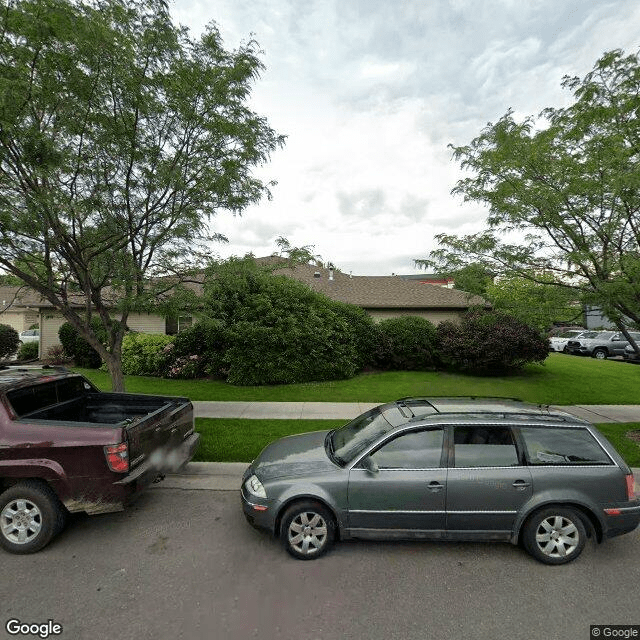
2810 Great Northern Loop, Missoula, MT 59808
For more information about senior living options: (866) 208-4318
Rosetta Assisted Living - Missoula 1 Costs & Pricing
Rosetta Assisted Living - Missoula 1 offers a range of accommodation options that reflect competitive pricing within the local and state markets. For a semi-private room, residents can expect to pay $3,750 per month, which is notably higher than the Missoula County average of $2,969 yet remains more affordable than the statewide average of $3,874. The studio option is priced at $4,300, exceeding both local and state averages significantly - $3,499 in Missoula County and $3,729 in Montana. Lastly, the one-bedroom unit is offered at $4,500; this rate is slightly above the county's average of $4,348 but considerably higher than the state figure of $3,468. Overall, while Rosetta Assisted Living - Missoula 1 is positioned on the higher end for some types of accommodations compared to county norms, it provides valuable services that may justify its pricing relative to broader Montana standards.
| Floor plans | Rosetta Assisted Living - Missoula 1 | Missoula County | Montana |
|---|---|---|---|
| Semi-Private | $3,750 | $2,969 | $3,874 |
| Studio | $4,300 | $3,499 | $3,729 |
| 1 Bedroom | $4,500 | $4,348 | $3,468 |
Memory care communities with a similar price nearby
-
from -$690 / mo
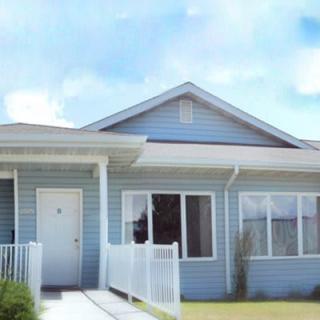
Edgewood Vista Missoula
$3,060 to $4,500 / month0.2 miles away -
from -$700 / mo
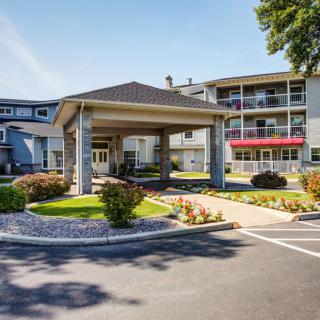
The Village Senior Residence
$3,050 to $4,425 / month2.7 miles away -
from -$715 / mo

The Springs at Missoula
$3,035 to $4,605 / month0.8 miles away
Overall Review of Rosetta Assisted Living - Missoula 1
Pros
 The staff at Rosetta is warm, friendly, and genuinely caring.
- Rosetta feels small and home-like, putting residents at ease.
- The facility is clean, well-maintained, and has a pleasant smell.
- The administrator is hands-on and attentive to residents’ needs.
- The housekeepers keep spaces clean and sanitized, contributing to a comfortable environment.
- Residents enjoy engaging activities, crafts, and outdoor outings.
- Families feel fortunate to have found Rosetta for their loved ones.
Cons
 The staff neglected the family member, with medications often administered late or skipped.
 - The facility pressured to sever services of a trusted local palliative care provider, driven by greed and indifference.
- The facility was severely understaffed, with 14+ residents and only two caregivers on staff.
- The two staff members were required to perform all cooking, laundry, answering phones, giving tours, and direct resident care.
- Family members had to constantly request that medications be given, sometimes every six hours.
- Bruises were found on the resident, with signs of rough handling.
Review
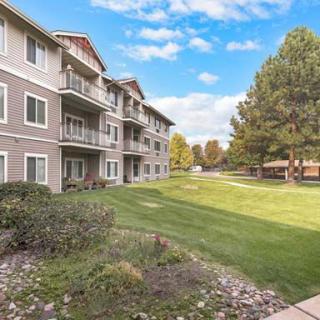
Rosetta Assisted Living in Missoula is best suited for families seeking a small, intimate, home‑like setting where residents receive markedly personal attention and a strong sense of community. It works well for seniors who value constant access to staff, meaningful interaction, and a transparent, hands‑on administrator who is visible and responsive. The community tends to attract those who prefer a quieter, neighborhood‑style atmosphere with private rooms, direct caregiver contact, and daily routines that feel more like a living room than a hospital corridor. It is less ideal for residents with high medical acuity, complex memory care needs, or families counting on expansive programming and industrial‑scale support services on site.
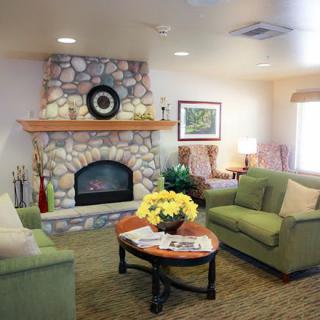
Pros are anchored in the small scale and the consistent, relational care that staff can deliver. The resident‑to‑caregiver ratio in this 24‑person setting often translates into warmer interactions, quicker responses, and a sense that residents are known and valued as individuals. Families repeatedly praise the hands‑on Administrator and the house manager, whose presence tends to smooth communication and facilitate timely attention to requests. Cleanliness and updated interiors reinforce an environment that feels secure and comfortable, while amenities like well‑maintained common areas, pleasant scents, and a central kitchen help make meals feel fresh and homelike. The small footprint also supports ongoing, varied activities and opportunities for residents to participate in daily life, from art projects to outdoor strolls, contributing to a feeling of belonging and purpose.
Yet the mix of experiences in the reviews cannot be ignored. The most serious concerns center on staffing pressures and prior episodes of neglect, with at least one report detailing delayed medications, skipped treatments, and a troubling pressure to sever a trusted palliative care relationship. A separate account describes extreme understaffing, two caregivers for a larger group, performing multiple duties beyond caregiving, which led to missed care, a lack of activities, and distressing incidents. These accounts, while not universal, highlight a real risk in a very small operation: when the workload spikes or turnover rises, the line between good care and overextension can blur quickly. In addition, price sensitivity and questions about long‑term affordability appear in several families’ assessments, complicating the decision if ongoing financial clarity is a priority.
The critical question becomes whether the community’s strengths outweigh its weaknesses in a given family’s context. When families value consistent family‑style communication, strong day‑to‑day engagement, and the reassurance that concerns will be heard and acted upon by an accessible leadership team, Rosetta’s pro‑active administration, clean facilities, and intimate setting can offset the risk of staffing gaps. The recent upgrades, ongoing housekeeping standards, and a clear emphasis on resident privacy and dignity further mitigate concerns for those who can maintain active involvement and regular oversight. For many, the atmosphere feels safe, respectful, and genuinely nurturing, which can translate into higher satisfaction and better quality of life for residents who do not demand high‑acuity medical management on site.
Families who should consider alternatives are those that require robust, regulated clinical oversight on a daily basis, or need specialized memory care programming beyond basic activities and social engagement. Prospective residents with significant mobility challenges, complex wound or feeding needs, or reliance on highly scheduled medical services may find the staffing reality less predictable in this setting. Cost considerations also matter: the small, personalized model often comes with a premium price tag that may not be sustainable long term for every budget. When evaluating options, the emphasis should be on tangible, current operations, staffing schedules, how medication administration is documented, the cadence of activities, and the responsiveness of leadership to caregiver concerns.
For a decisive visit, approach Rosetta with a concrete checklist. Request to observe a shift change to gauge real staffing levels, ask to review medication logs and care plans, and talk with frontline caregivers about typical day‑to‑day routines. Inspect several rooms and common areas for cleanliness and comfort, and examine the activity calendar to see if programs align with the resident’s interests and energy levels. Seek references from multiple families about recent experiences with administration responsiveness and care quality. Finally, confirm the all‑in‑cost details and what is included in the monthly rate, ensuring clarity on meals, transportation, and any additional services. With due diligence, Rosetta can be the right home for those who prize personal touch and a close‑knit community, provided that ongoing staffing stability and transparent governance stay central to the care model.
 17 resident community capacity
 Assisted Living
 Board and Care Home
 Memory Care
 Beauty salon
 Cable or satellite TV
 Dining room
 Fully furnished
 Garden
 Housekeeping services
 Kitchenette
 Move-in coordination
 Outdoor space
 Restaurant-style dining
 Small library
 Telephone
 Wi-Fi/high-speed internet available
 Missoula International (4 miles away)
 24-hour supervision
 Activities of daily living assistance
 Assistance with bathing
 Assistance with dressing
 Assistance with transfers
 Diabetes diet
 Diabetic care
 Incontinence care
 Medication management
 Mental wellness program
 Special dietary restrictions

 A Holistic Dementia Care Guide: Effective Strategies for Memory Support
 Memory Care Pathways: A Holistic Guide to Dementia Support
 Comprehending Evening Confusion in Dementia: Causes, Manifestations, and Support