
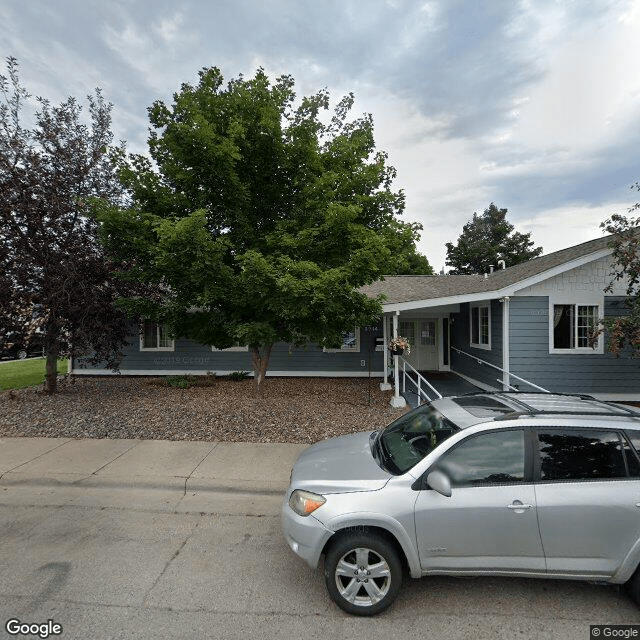
3214 Washburn St, Missoula, MT 59801
To contact a resident: (406) 542-0927
For more information about senior living options: (866) 208-4318
Overall Review of Loving Care Personal Care Home
Pros
 The place is great, with fast and reliable service.
- This organization is first rate for a small community.
- The care provided by the organization has been consistently the best.
- Nurses and therapists go out of their way to care for patients and improve lives.
- Jeanette from Loving Care helps families navigate paperwork and coordinates with doctors to obtain needed services.
- The therapists are amazing and the staff are kind and caring.
Cons
 Linda is described as very damaging to families and homes.
- Linda is said to have no regard for helping mental health.
- Linda is claimed to care only about a paycheck.
- Linda is described as having a vendetta against men.
- Linda is said to want to tell people who they should be, rather than helping them discover themselves.
- Linda is reported to have told the reviewer they were too much and needed to be less.
Review
Loving Care Personal Care Home in Missoula is best suited for families seeking a small, hands-on personal care environment where residents benefit from an intimate, tightly coordinated team. The facility emphasizes a close-knit culture, with nurses, aides, and therapists who know residents well and respond quickly to changing needs. For families prioritizing fast service, reliability, and a warm, community-oriented atmosphere, this home delivers practical care with a personal touch. The rating of 4.2 out of 5 from reviews reflects solid performance in delivering steady, home-like care, while underscoring that experiences can vary by provider. The size and spirit of the operation translate into predictable routines and frequent face-to-face interactions, which many families find reassuring when navigating daily living, medical appointments, and daily living tasks.
However, the landscape is not without caveats. A strongly negative account centers on a specific therapist, suggesting that therapeutic experiences can diverge based on the individual provider. While this view is not representative of every interaction, it signals the possibility of inconsistent approaches within the therapy team. Prospective residents should verify the current therapy lineup, request introductions to counseling staff, and ask for a clear outline of how mental-health interventions are chosen and monitored. For families prioritizing a uniformly aligned therapeutic philosophy, exploring alternatives with a broader clinician pool may be wise.
On the positive side, multiple families praise the care quality. The nurses and therapists are described as going out of their way to support patients and to help improve life quality, reflecting a dedicated clinical team operating in a small setting. Administrative helpers add value by guiding families through paperwork and coordinating with doctors, sometimes even contacting doctors to secure orders that unlock needed services. The result is a practical, well-coordinated care pathway where medical oversight feels continuous and personal rather than fragmented. The testimonials emphasize an environment where staff compassion and competence reinforce daily stability for residents.
These strengths offset the concerns in meaningful ways. The efficiency of service, the attentiveness of care teams, and the ease of family collaboration mitigate common drawbacks of smaller homes, such as bureaucratic delays or impersonality. Yet the singular negative account cannot be dismissed entirely; it underscores the importance of meeting therapy staff and understanding the therapeutic philosophy in place. For families seeking a smoother experience, a structured introduction to the current team and a trial period with oversight can help ensure alignment between resident needs and therapeutic style.
This community shines for residents who need steady medical oversight, rehab-related support, and ongoing relationships with a stable care team. The proven willingness of staff to engage beyond basic tasks, whether enhancing daily living activities, coordinating with doctors, or supporting mental-health goals, offers practical value. The small but capable team seems especially suitable for long-term stays where continuity matters, and families view the care as an extension of home. Prospective residents should still confirm the current mix of clinicians, the availability of therapy slots, and the home’s approach to care planning to ensure that expectations match reality.
The bottom line is clear: Loving Care Personal Care Home is a practical, reliable choice for families prioritizing a close-knit care team, rapid service, and coordinated medical oversight in a Missoula setting. It works best for those who value staff accessibility, administrative support, and a home-like environment over scale. Those who rely heavily on standardized, uniform therapy experiences or prefer a broader network of clinicians may want to compare alternatives. A visit should include direct conversations with nursing leadership and the therapy staff, a review of current care plans, and a clear plan for any needed transitions. With due diligence, this community can deliver solid, hands-on care that keeps residents comfortable and connected.
 Board and Care Home
 Missoula International (6 miles away)


 Top Cars for Senior Drivers and Essential Safety Innovations
 A Closer Look at Private Pay Home Care
 Comprehensive Approaches for Arthritis: A Detailed Guide to Symptoms, Causes, and Care