Memory care programming is described as specialized, structured, and tailored to dementia needs.
Residents and families describe memory-care support that goes beyond basic safety, including family education and practical communication strategies. Multiple reviews also mention validation/redirection techniques used instead of arguing, with attention to cognitive exercises and sensory engagement. Several comments tie the approach to keeping residents calm and dignified, including options like movement, music, and pet-based therapies.
common10 reviews mention this
Activities keep residents engaged
Activities and therapies are described as a daily part of life for residents.
Reviewers repeatedly point to an entertainment and activities calendar that helps residents stay engaged, including people with physical limitations or cognitive decline. There are multiple mentions of music and pet-related sessions, plus exercise and other scheduled programming that runs throughout the week. Families also describe residents having opportunities to socialize, such as joining card games and ongoing group interactions.
common12 reviews mention this
Staff communication builds trust
Families describe staff and administration as attentive and communicative.
A consistent theme in the reviews is responsive, caring staff who follow through on resident needs and check in regularly. Several families also mention administration providing transparent updates—such as care plan explanations, menu or staffing changes, and health or incident updates—which helps them feel informed between visits. Cleanliness and a well-maintained environment are also part of how residents and visitors describe day-to-day care.
How we summarize
Counts show how many written reviews mention each theme; a review can touch several themes, and only frequently mentioned themes are displayed.
Features
Housing
21 resident community capacity
Types of Care
Assisted Living
Amenities
Beauty salon
Cable or satellite TV
Dining room
Fully furnished
Garden
Housekeeping services
Kitchenette
Move-in coordination
Outdoor space
Restaurant-style dining
Small library
Telephone
Wi-Fi/high-speed internet available
Care Services
24-hour call system
24-hour supervision
Activities of daily living assistance
Assistance with bathing
Assistance with dressing
Assistance with transfers
Diabetes diet
Meal preparation and service
Medication management
Mental wellness program
Special dietary restrictions
Dining
Diabetes diet
Special dietary restrictions
Activities
Community-sponsored activities
Resident-run activities
Scheduled daily activities
Nearby Places of Interest
Places of Worship
Shiloh Christian Retreat Flwsp (0.5 miles)
7TH Day Adventist Church (0.6 miles)
First Presbyterian Church (1 miles)
Methodist Baptist Federated (1.3 miles)
Church of Jesus Christ of Latter Day Saints (1.4 miles)
Big Sky Baptist Church (1.6 miles)
The Parish of St Francis Of Assisi (1.6 miles)
Parks
City of Hamilton Dog Run (0.9 miles)
Claudia Driscoll Park (1.2 miles)
River Park (1.4 miles)
Hieronymus Park (1.6 miles)
Physicians
Calderwood, Carol Dr - Marcus Daly Convenient Care Clinic (0.9 miles)
The article discusses assisted living expenses, the importance of long-term care insurance in covering these costs, and various financing options, highlighting the need for careful policy review and early planning to address potential needs. It also clarifies common misconceptions about Medicare and private health insurance limitations regarding long-term care coverage.
Assisted living facilities offer crucial support for older adults needing help with daily activities but come with varying and significant costs, which can be financed through personal savings, government assistance programs, long-term care insurance, and home equity options. Professional guidance from experts can aid families in navigating these financial complexities to establish a sustainable budgeting approach for assisted living services.
Assisted living costs often exceed Social Security benefits, necessitating a combination of funding sources like state aid and Medicaid. Understanding the interaction between Social Security programs and available financial support is essential for affording such care.
Get PricingAsk A QuestionSchedule A TourContact Senior Advisor
By clicking submit, you agree to our Partner's Terms of Use. You
also consent to receive calls and texts, which may be autodialed, from our Partner. Your consent is not a condition to
using our Partner's service. Please visit our Partner's Privacy Policy for information about their privacy practices.


 21 resident community capacity
 Assisted Living
 Beauty salon
 Cable or satellite TV
 Dining room
 Fully furnished
 Garden
 Housekeeping services
 Kitchenette
 Move-in coordination
 Outdoor space
 Restaurant-style dining
 Small library
 Telephone
 Wi-Fi/high-speed internet available
 24-hour call system
 Activities of daily living assistance
 Assistance with bathing
 Assistance with dressing
 Assistance with transfers
 Diabetes diet
 Medication management
 Mental wellness program
 Special dietary restrictions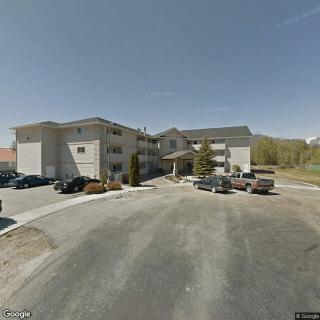
 Comprehensive 24/7 care with restaurant-style dining and on-site amenities (salon, library, Wi-Fi) plus medication management.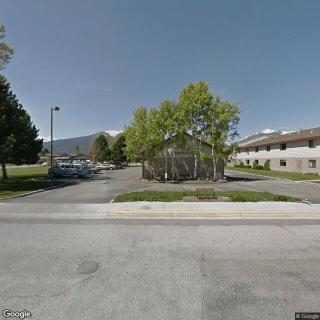
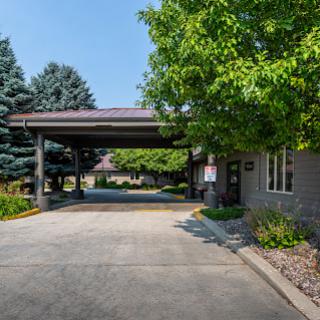


 Assisted Living Expenses and Long-Term Care Insurance: A Comprehensive Exploration
 Securing Financial Support for Assisted Living: A Comprehensive Overview
 Social Security Benefits and Assisted Living: Navigating Options Across the U.S.