

2665 N Service Rd E, Sullivan, MO 63080
To contact a resident: (573) 927-5562
For more information about senior living options: (866) 208-4318
Overall Review of Happy Acres Residential Care
Pros
 They were a godsend during his final days.
- They brought calm and reassurance in a difficult time.
- They explained that what he was going through was normal and not hurting him.
- They made the most horrific time a little easier to bear.
- Becky stayed with the family and kept them calm till the very end.
- Becky was an angel that day.
Cons
 It was the most horrific time in their family’s lives.
- It was upsetting to watch what he was going through.
- She wasn’t always sure she was doing the right thing for her husband.
- The experience left the family feeling overwhelmed and distressed.
Review
Happy Acres Residential Care in Sullivan, MO is best suited for families who need intimately attentive, comfort-focused care for a loved one at the end of life. The community excels when the priority is steadfast, compassionate presence in a small, home-like setting. It is especially strong for those seeking emotional reassurance, clear explanations of what a loved one is experiencing, and a calm, steady caregiver alliance during a time that is emotionally overwhelming. The testimonial underscored the ability of the staff to explain discomfort and decline in plain terms, which helps families navigate fear and uncertainty with a measure of trust and dignity.
Those facing longer-term medical needs or seeking expansive programming may want to consider alternatives. If the situation involves a demand for around-the-clock skilled nursing, extensive clinical oversight, complex medical equipment, or highly specialized memory-care services, a larger assisted living community, a skilled nursing facility, or a hospice-focused provider with broader clinical capacity may be more appropriate. Happy Acres appears to pivot around comfort, presence, and relational care rather than a full spectrum of hospital-level medical services, so families with substantial medical requirements should evaluate other options to avoid gaps in care.
The most compelling pros here are relational and emotional strengths that blur into practical benefits during a fraught period. The staff’s ability to provide calm reassurance, to normalize what is happening, and to reassure families that the process is not causing harm offers tangible relief in a crisis. The responsiveness, coming quickly when called, and the willingness of a caregiver to stay engaged with the family through the final moments demonstrate a level of dedication that converts a difficult experience into one in which dignity and comfort are prioritized. Those elements can offset concerns about limited clinical resources by delivering a trusted, human-centered approach when every minute matters.
From the one highly positive patient-family review, the personal touch stands out as a differentiator. Becky’s presence, staying with the family and keeping them calm until the end, embodies a culture of continuity and compassion that is hard to replicate in larger facilities. This kind of enduring, hands-on attention can be the determining factor for families who fear abandonment or brief, impersonal care in a sensitive period. The takeaway is not merely kindness in the abstract but a demonstrated capacity to accompany families through the most challenging moments with real, stabilizing support.
When families are weighing options, there are practical questions to guide the decision. First, assess the level of medical oversight available on nights and weekends and how it integrates with outside hospice partners if needed. Second, evaluate staff-to-resident ratios and the consistency of caregiving teams, since continuity of caregivers directly affects comfort and trust. Third, consider the environment's atmosphere, whether it feels like a welcoming, intimate home rather than a clinical setting, and how that ambiance aligns with the person’s preferences for dignity and familiar routines. Finally, confirm how end-of-life wishes are honored and coordinated, including comfort measures, spiritual or cultural considerations, and family access.
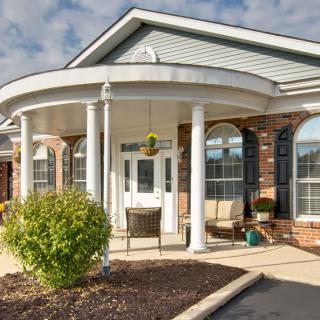
In sum, Happy Acres Residential Care offers a compelling option for families prioritizing compassionate, present end-of-life care delivered in a small, caring setting within Sullivan. The strongest justification for choosing this community is the proven ability to alleviate family distress through warmth, timely responsiveness, and clear explanations at a profoundly difficult time. Those with substantial medical or specialized care needs should view it as a complementary option or a potential short-term setting while arranging for a facility with broader clinical capabilities. For the right family, this can be the difference between a fear-filled transition and a dignified, supported passage.
 Board and Care Home






 Understanding the Sandwich Generation: Stress and Responsibilities for Multigenerational Caregivers
 8 Essential Assistive Devices for Older Adults
 Navigating the Financial Road to Nursing Home Care: In-Depth Guidance and Resources