Residents and families repeatedly describe staff who feel welcoming and attentive.
Many reviews emphasize a warm, family-like approach, with residents and visitors noting kindness, responsiveness, and good communication. Several also point to specific care roles—like a nursing director and a dedicated tour contact—when describing how supported they felt. A minority of reviewers report negative experiences with some staff and inconsistent medication delivery, but most feedback centers on caring interactions and staff taking responsibilities seriously.
common7 reviews mention this
Dining earns repeated praise
Dining is a frequent bright spot, with residents saying meals taste better.
Multiple reviews highlight the quality of the food, including comments that meals were among the best compared with places toured. Residents also describe improved eating after moving in, and one reviewer specifically calls out restaurant-style dining as a standout experience. Overall, dining appears to be an everyday strength that families notice alongside other care details.
common11 reviews mention this
It feels like home
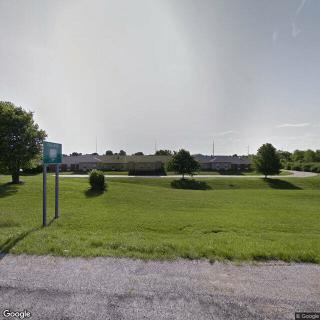
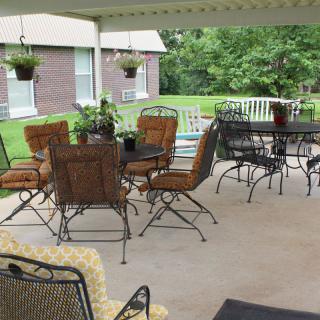
The community is described as warm and home-like rather than institutional.
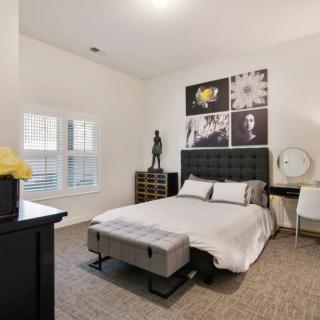
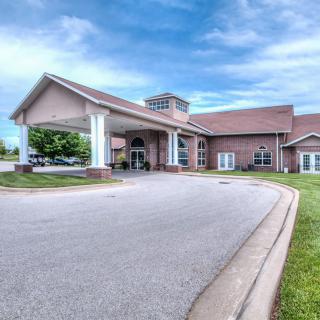
A recurring theme is the “feels like home” impression, with reviewers saying it doesn’t look or feel like a facility when you walk in. Several also describe the setting and common spaces in ways that reinforce that residential atmosphere, including landscaping and features that make the environment feel comfortable. Even reviewers focused on tours describe the space as upscale, which supports the idea that the atmosphere is part of the overall experience.
common3 reviews mention this
Activities and therapy support
Residents mention activities and therapy resources as part of daily support.
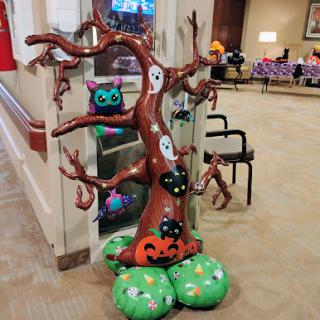
Reviews include mentions of an activity coordinator and a therapy team, along with families describing how residents stay engaged. One resident story specifically calls out activities like bingo, movies, and community outings, framing them as meaningful for routine and quality of life. Together, the feedback suggests the community builds time for participation alongside day-to-day care.
How we summarize
Counts show how many written reviews mention each theme; a review can touch several themes, and only frequently mentioned themes are displayed.
Features
Types of Care
Assisted Living
Amenities
Activities on-site
Devotional services off-site
Indoor common areas
Transportation
Springfield-Branson Regional (10 miles away)
Care Services
Ambulatory care
Diabetic care
Dining
Meals provided
Activities
Activities on-site
Devotional activities offsite
Nearby Places of Interest
Restaurants
McDonald's (0.8 miles)
Packer's Lounge (2.1 miles)
Waffle House (2.2 miles)
Wendy's (2.2 miles)
Andy's Frozen Custard (2.3 miles)
First Watch (2.3 miles)
La Paloma (2.4 miles)
Parks
Bark Yard (1.1 miles)
Phelps Grove Park (4.1 miles)
Sequiota Park (4.5 miles)
Physicians
Chestnut Wellness Center (1.1 miles)
Command Family Medicine (2.6 miles)
K.T.Health (3 miles)
Mercy Clinic (3.8 miles)
Brandon Lee Hoffman, NP (3.8 miles)
Mercy Clinic Pediatric Surgery - S. Fremont (3.9 miles)
Assisted living communities offer diverse activities beyond traditional games to enhance seniors' physical health, cognitive well-being, emotional enrichment, and social connections, including fitness classes, creative expression, and intergenerational interactions. These enriching programs foster community bonds and support residents' independence and happiness.
The article differentiates between assisted living and memory care, explaining that assisted living supports seniors with daily activities while promoting independence, whereas memory care provides specialized services for individuals with dementia, focusing on secure environments and cognitive support. It also addresses staff training, safety considerations, costs, family involvement, and transition strategies for families navigating these care options.
Family caregivers face emotional, legal, and practical challenges when elderly parents refuse assisted living, often due to fears of losing autonomy. Open conversations and professional assessments can help address these concerns while exploring alternatives and ensuring safety, potentially leading to legal guardianship if necessary.
Get PricingAsk A QuestionSchedule A TourContact Senior Advisor
By clicking submit, you agree to our Partner's Terms of Use. You
also consent to receive calls and texts, which may be autodialed, from our Partner. Your consent is not a condition to
using our Partner's service. Please visit our Partner's Privacy Policy for information about their privacy practices.

 Assisted Living
 Activities on-site
 Devotional services off-site
 Indoor common areas
 Springfield-Branson Regional (10 miles away)
 Ambulatory care
 Diabetic care
 Meals provided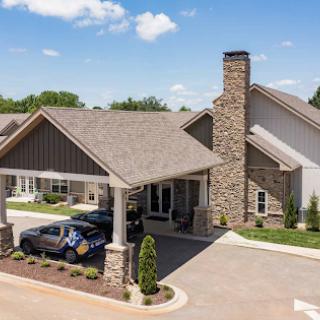
 24/7 on-site care on one campus with extensive amenities.
 Beyond the Bingo Hall: 50+ Enriching Activities for Seniors in Assisted Living
 Understanding the Distinctions: Assisted Living and Memory Care Explained
 Guiding Elderly Parents Who Refuse Assisted Living: 6 Practical Steps