
1501 Clinton Street, St. Louis, MO 63106
For more information about senior living options: (866) 208-4318
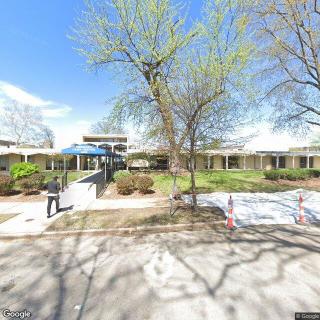
Overall Review of Superior Manor Of Downtown
Pros
 The facility is well put together and has a great staff.
Cons
 The facility is worse than any other facility.
- Rodents are everywhere, conditions are filthy, and there are no fire exits.
- No regular activities are ever scheduled.
- The food served is very unbalanced.
- There are no menus.
- There is no designated cook; the attendant does the cooking.
- Usually chili cheese fries or egg rolls are served.
- There is rampant illegal drug use.
- People should not send a loved one there.
Review
This community is best suited for seniors who want a downtown address, uncomplicated care needs, and a staff presence that residents and families can rely on. The setting presents as well put together, with staff that are readily visible and oriented toward daily assistance. For someone who prioritizes personal attention, cheerful management, and a straightforward routine over formal programming, Superior Manor of Downtown offers a level of reassurance that can be hard to find in tighter budget options. The emphasis on a tidy environment and approachable caregivers makes it feasible for couples or individuals who do not require intensive medical oversight but still want a safe, supervised place to call home. In short, it works best for residents who crave contact with staff, predictable supervision, and a clean, familiar atmosphere, rather than a facility whose draw is sophisticated activities or medical specialization.
However, several alarms should push families toward alternatives. For residents requiring rigorous safety standards, full-fire-safety engineering, and predictable, professionally managed meal service, this house may fall short. The most convincing reasons to look elsewhere are concerns about cleanliness, pest control, and obvious gaps in daily programming. If the loved one depends on a steady routine of structured activities, outings, memory-care stimulation, or nutritionally balanced, menu-driven meals, this community may not deliver. Families who demand transparent oversight, documented safety checks, and a climate free of illicit behavior would be prudent to explore other options. In sum, the situations that demand uncompromising hygiene, concrete fire-safety measures, and a robust activity calendar point to considering alternatives.
Among the positives, the staff's engagement and the overall presentation of the facility create a credible baseline of care. When care teams are attentive, residents experience meaningful daily interactions, timely assistance, and a sense of being valued. The environment's organization and the visible readiness of personnel contribute to peace of mind for families who want reliable oversight. Yet these strengths grapple with the most serious debits: no fire exits apparent, pests and sanitation concerns, and a lack of consistent, scheduled activities. The core cost of such gaps is safety and quality of life; even the best caregivers cannot fully compensate for structural and systemic lapses. The meals, described as uneven and lacking menus, diminish daily satisfaction and can erode nutritional quality over time. In this calculus, the advantages belong to staff and ambience, while the liabilities lie in safety, hygiene, and predictable engagement.
This is not a place to glide past without scrutiny. The negative report paints a picture of a facility that struggles with basic sanitation and safety: widespread rodents, filthy conditions, and the absence of fire exits. Those factors create real hazards for seniors, including slip-and-fall risk and exposure to disease. The absence of a formal kitchen operation, relying on whoever is on duty to cook, translates into inconsistent meals and no defined nutrition plan, which strains residents who depend on dependable, balanced meals. The mention of illegal drug use signals governance and supervision gaps that simply cannot be ignored by families seeking a secure living environment. When such critical liabilities exist, the merit of competent staff and a clean lobby is overshadowed by risk to health and safety, as well as the potential for unpredictable daily life. Any family must weigh these red flags with indisputable seriousness.
To move from concern to clarity, approach a visit as a risk audit. Request to see the current fire safety plan, emergency lighting, exit routes, and recent pest-control logs. Inspect the kitchen during mealtime to verify food safety practices and to gauge whether menus exist and how meals are planned. Look for a structured activities calendar, resident engagement, and staff-to-resident ratios during different times of day. Interview residents about consistency of programming and perceived safety. Demand documentation of cleanliness standards and housekeeping schedules. If any of these items reveal gaps, demand immediate remediation and a clear action timeline. The right choice will balance the warmth and attentiveness of staff against tangible safety and quality metrics that reflect daily life, not just a pleasant lobby.
Bottom line: Superior Manor of Downtown can be a reasonable fit for families that prioritize personal attention and a presentable, neighborly atmosphere, provided that recent checks confirm robust safety, cleanliness, and consistent programming. The glaring red flags in the cited experiences are not trivial and must be resolved before committing. For those who cannot reconcile a shaky safety framework with expected daily life, alternatives are strongly advised, facilities with transparent fire-safety compliance, rigorous housekeeping, reliable menus, and a well-structured activity schedule. In practical terms, the decision hinges on verifying safety and standards as a prerequisite to trust. If the current realities persist, it is prudent to widen the search rather than anchor a loved one in a setting where basic controls seem precarious. The aim is a home that feels secure, engaging, and predictable, this community should be measured against that standard with strict due diligence.
 40 resident community capacity
 Assisted Living
 Respite Care
 Beauty salon
 Cable or satellite TV
 Dining room
 Fully furnished
 Garden
 Housekeeping services
 Kitchenette
 Move-in coordination
 Outdoor space
 Restaurant-style dining
 Small library
 Telephone
 Wi-Fi/high-speed internet available
 Lambert-St Louis International (11 miles away)
 24-hour call system
 Activities of daily living assistance
 Assistance with bathing
 Assistance with dressing
 Assistance with transfers
 Diabetes diet
 Medication management
 Mental wellness program
 Special dietary restrictions


 Assisted Living Support for Veterans: A Complete and Detailed Overview
 Exploring the Contrasts Between Assisted Living and Skilled Nursing
 8 Key Indicators That Suggest It May Be Time to Transition from Assisted Living to Skilled Nursing Care