
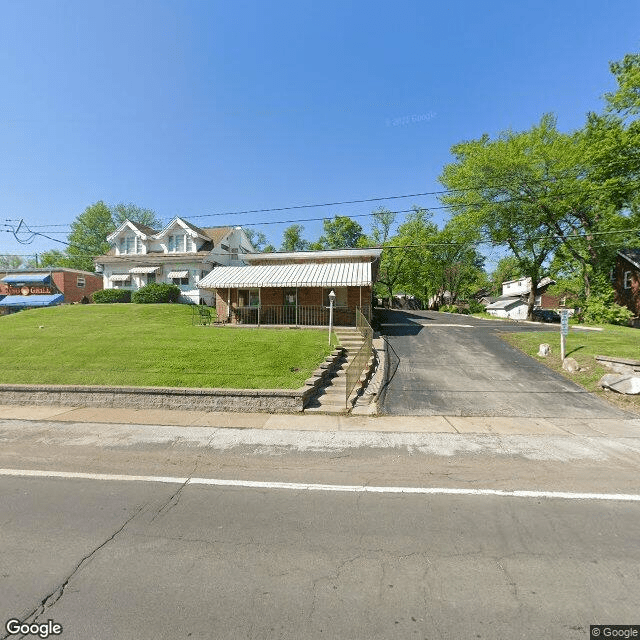
9444 Midland Boulevard, St. Louis, MO 63114
For more information about senior living options: (866) 208-4318
Overall Review of Boarding Inn
Pros
 The Boarding Inn is a very caring and well-run home.
- The sister has lived at the Boarding Inn for several years.
- The sister loves the friends she has made and the staff.
Cons
 Their nurse is extremely rude over the phone.
- Very unprofessional.
- She does not even introduce herself and does not want to be called with questions about the residents.
- The facility can do better.
Review
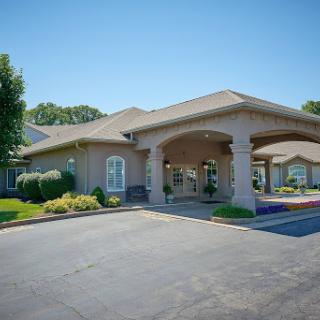
This community in St. Louis is best suited for seniors who need assisted living support but still want a degree of independence and a strong social fabric. Boarding Inn operates more like a small, homeā€‘like residence than a sterile care campus, which makes it a solid match for residents who respond well to personal attention and predictable routines. It is especially fitting for individuals whose mental health challenges are present but manageable, provided there is a steady level of daily assistance and a supportive peer group. Families seeking a setting where staff relationships feel genuine and residents can form lasting friendships will find value here, as long as expectations align with a tightly knit, closely supervised environment.
Those who may want alternatives are those who require unwavering professionalism in every interaction or who need highly transparent, proactive medical updates on a frequent basis. A single negative experience with a nurse on the phone, rude, unwelcoming, and unwilling to engage with questions, can be a red flag for ongoing communication quality. If quick, courteous responsiveness and formal processes for care coordination are non-negotiable, this community may fall short. Likewise, families seeking very structured psychiatric or medical oversight, or those wanting a larger campus with more specialized resources, should evaluate other options.
On the plus side, the most credible note from a long-time resident family is that the home feels caring and well run, with staff who genuinely connect with residents. The sister described as having lived there for years underscores that the environment supports meaningful social ties, friends are made, and staff become familiar, reliable figures for daily life. The indication that the facility can manage a resident with mental illness while keeping them functional is meaningful; it suggests a supportive milieu where independence is preserved rather than stifled. In practical terms, that mix of warmth, stability, and social opportunity can meaningfully improve quality of life for residents who are steady but not entirely self-sufficient.
Yet the flip side is real. The standout negative involves how questions about residents are handled by a nurse over the phone: a lack of introductions, brusque tone, and a reluctance to engage on concerns. That single interaction can undermine otherwise solid caregiving and creates a hurdle for families trying to stay informed. The rating snapshot, two reviews, with one clearly negative and the other glowing, shows a community with real strengths but uneven experiences in customer service. Prospective residents should weigh that communication friction against the stability and kindness described by others.
Overall, the positive attributes, consistent, caring staffing; a homey, social environment; and capacity to accommodate residents with mental health needs who remain functional, tend to offset the negative communication issue when a proactive approach is taken. If families insist on meeting staff, touring, and establishing clear channels with administration before any transition, the risk of a miscommunication outcome declines. The environment rewards people who build relationships and participate in routines, and that social capital often translates to smoother daily life for residents who thrive on connection more than formal oversight.
Actionable decision steps: arrange a direct meeting with the administrator or director, not just a tour. Observe how staff interact with residents and whether questions about care are welcomed. Clarify who handles medical updates, how often families will receive reports, and what communications protocol is in place. Inquire about specialized supports for mental health and how crisis or behavioral issues are managed. If these checks align and the resident matches the social and practical fit described, Boarding Inn presents a grounded, livable option; if not, explore alternatives with stronger communication culture or broader medical resources.
 40 resident community capacity
 Assisted Living
 Activities on-site
 Beauty salon
 Cable or satellite TV
 Devotional services off-site
 Dining room
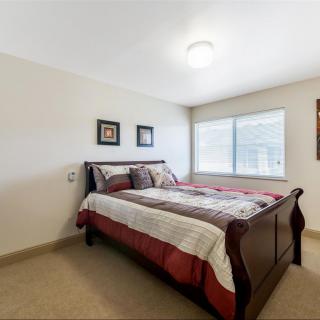
 Fully furnished
 Garden
 Housekeeping services
 Indoor common areas
 Kitchenette
 Move-in coordination
 Outdoor space
 Restaurant-style dining
 Small library
 Telephone
 Wi-Fi/high-speed internet available
 Lambert-St Louis International (3 miles away)
 24-hour call system
 Ambulatory care
 Assistance with bathing
 Assistance with dressing
 Assistance with transfers
 Diabetes diet
 Diabetic care
 Medication management
 Mental wellness program
 Special dietary restrictions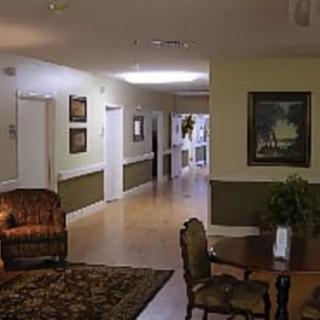

 Beyond the Bingo Hall: 50+ Enriching Activities for Seniors in Assisted Living
 Understanding the Distinctions: Assisted Living and Memory Care Explained
 Guiding Elderly Parents Who Refuse Assisted Living: 6 Practical Steps