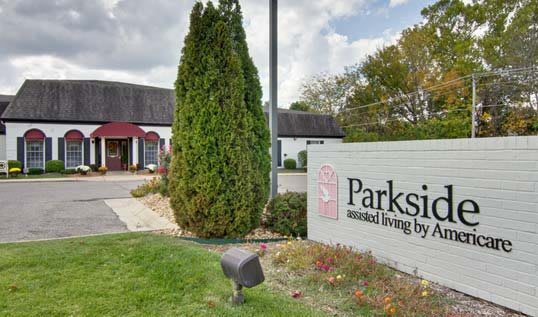


1700 E 10th St, Rolla, MO 65401
To contact a resident: (573) 364-2602
For more information about senior living options: (866) 208-4318
Arbors At Parkside - Memory Care Assisted Living By Americare Costs & Pricing
Arbors At Parkside - Memory Care Assisted Living By Americare offers competitive pricing for its memory care services in comparison to the broader market in Phelps County and the state of Missouri. For a semi-private room, the monthly cost is $3,510, which is slightly higher than the county average of $3,359 but lower than the state average of $3,772. The studio option is priced at $4,290, which again exceeds both the county's average of $3,632 and Missouri's statewide average of $3,418. Additionally, for those seeking more spacious accommodations with a one-bedroom layout, Arbors At Parkside charges $4,800 - a figure that surpasses both local and state averages of $3,909 and $3,349 respectively. This pricing reflects the quality and specialized care provided by Arbors At Parkside, positioning it as a reputable choice for families considering memory care options in this region.
| Floor plans | Arbors At Parkside - Memory Care Assisted Living By Americare | Phelps County | Missouri |
|---|---|---|---|
| Semi-Private | $3,510 | $3,359 | $3,772 |
| Studio | $4,290 | $3,632 | $3,418 |
| 1 Bedroom | $4,800 | $3,909 | $3,349 |
Assisted Living communities with a similar price nearby
-
from -$570 / mo
Stubblefield Retirement Home
$2,940 / month23.6 miles away
Overall Review of Arbors At Parkside - Memory Care Assisted Living By Americare
Pros
 The staff at The Arbors is kind and caring, and helpers are willing to pitch in to take care of the residents 24/7.
- The Arbors in Rolla MO is described as cozy and comfortable.
- The Arbors at Parkside is an amazing place with a memory care focus and a secure facility.
- Parkside is an intimate and welcoming community with a stunning environment.
- Parkside has a great staff, and the CMAs take very good care of the residents.
- The food at Parkside is really good and the residents love it there.
- Parkside gets 5 stars and is highly recommended.
Cons
 The reviewer described the facility as warehousing their mother for money.
- The reviewer noted there was no transportation offered, leaving families to handle hospital trips themselves.
- A doctor appointment was scheduled without the family’s knowledge, and the mother was taken to it without notification.
- The director allegedly approved an exception to the no-transportation rule using another facility’s van, without informing the family.
- Medications and vitamins were prescribed without the family’s knowledge, and the mother rarely had fresh air.
- The mother experienced five urinary tract infections in seven months before hospice involvement.
- Personal belongings (glasses, walker, bathrobe) were misplaced or left behind without notification.
- The pharmacy policy limited prescriptions to 14 days, making 30-day copays ineffective.
Review
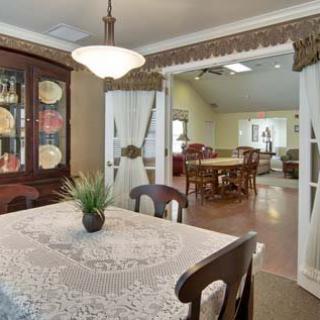
Arbors At Parkside – Memory Care Assisted Living by Americare is best suited for families seeking a memory-care focused, intimate, and caregiving-driven environment. It works well for residents who benefits from a secure, homelike atmosphere, compassionate staff, and consistently pleasant dining and social engagement. The emphasis is clearly on memory care with a smaller, more personal feel, rather than on skilled nursing or high-intensity medical oversight.
Those weighing alternatives should consider options if a loved one needs regular skilled nursing, frequent medical transport, or highly transparent, tightly coordinated medical management. If reliable, hassle-free transportation to appointments and hospital visits is essential, or if a family requires stringent oversight over medications and daily medical decisions, other communities may be a better fit. Similarly, families wary of intermittent communication or governance gaps should scrutinize facilities that demonstrate stronger, real-time family notification and accountability practices.
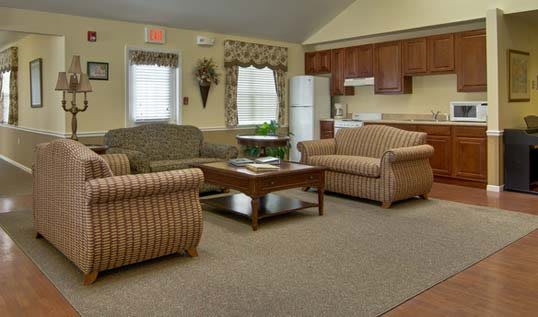
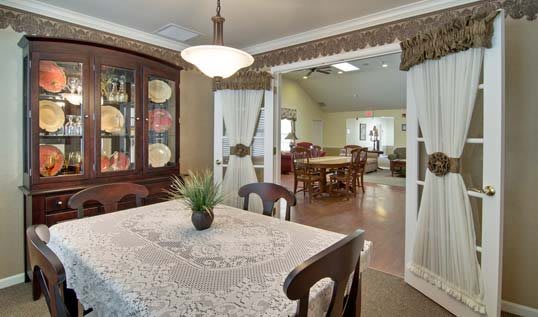
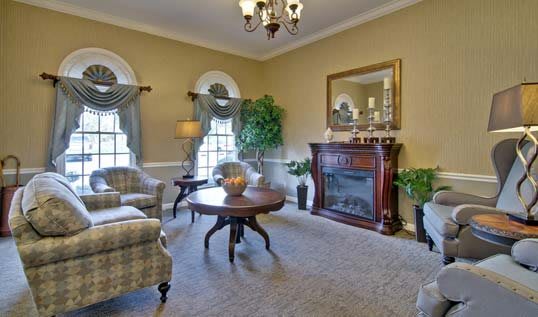
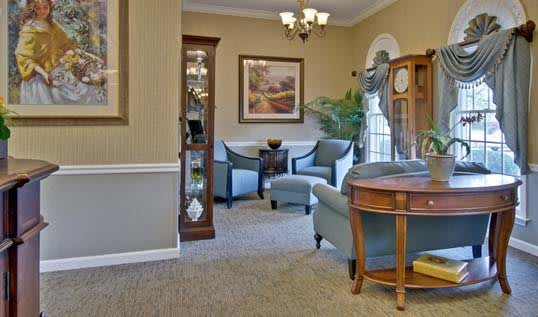
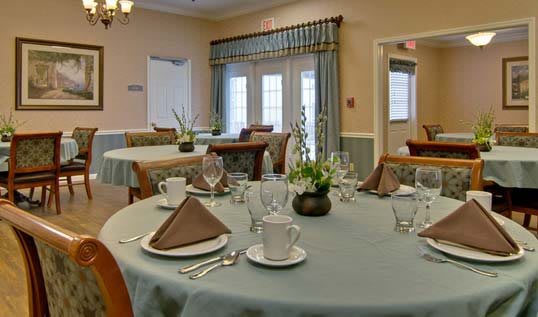
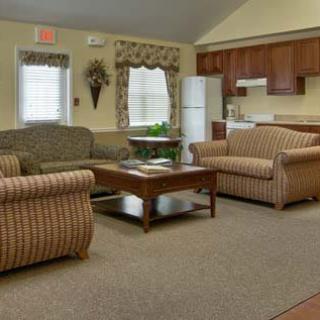
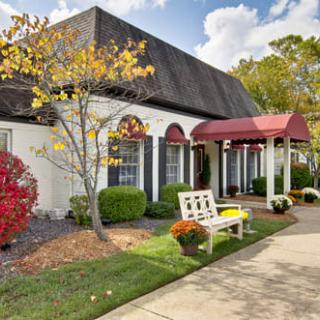
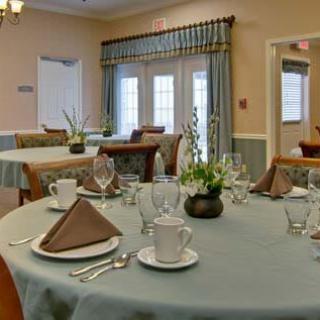
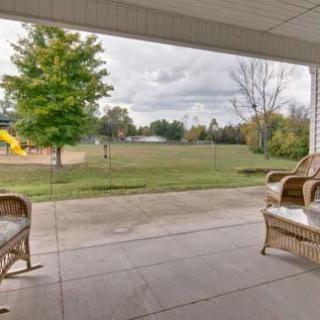
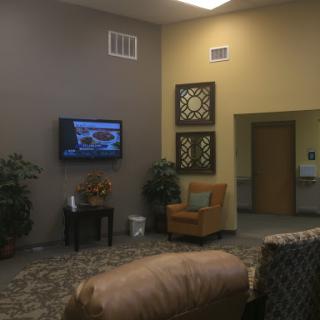
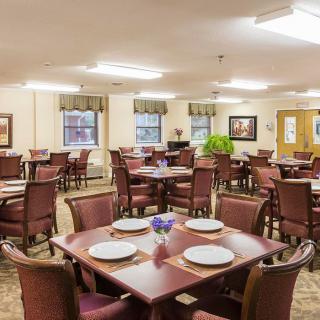
On the positive side, the strongest and most consistent pros are the staff’s warmth and willingness to pitch in around the clock, the intimate, welcoming atmosphere, and the facility’s memory-care focus with a secure environment. Residents are described as well cared for by capable aides and nurses, with a reputation for a tidy, inviting living space and thoughtfully updated interiors. The dining experience stands out in reviews as genuinely good, and the overall mood is repeatedly characterized as friendly, with a culture of greeting visitors and offering hospitality upon entry.
However, the most substantial drawbacks are meaningful and hard to overlook. The facility is not a nursing home, and the cost, about $5,300 per month for 31 days, places it in a higher tier without delivering traditional nursing-level care. Transportation is not offered, which shifts a heavy burden onto families for medical trips or hospital discharges. Communication lapses also recur: there are troubling anecdotes about unilateral medical appointments, missed family notification, and inconsistent adherence to stated rules around transportation. Medication management and pharmacy practices raise further concerns, with reports of 14-day supply limits that undermine 30-day plan copays, and a perceived pattern of overreach or miscommunication around prescriptions.
These positives do offset risks only to a degree. For a resident whose needs are primarily supervision, social engagement, and routine in a tightly supervised memory-care setting, the caring staff, secure environment, and agreeable dining can provide meaningful quality of life. But the cons disproportionately tilt the balance for families facing frequent medical contacts, strict medication controls, or a tight budget. In short, Parkside delivers on warmth and environment, but it struggles with transportation gaps, medical oversight transparency, and the financially and logistically burdensome realities that accompany care without nursing-level services.
Actionable due diligence is essential before making a move. Prospective families should request a detailed transportation policy, a clear notification protocol for medical appointments, and a transparent medication management plan that outlines pharmacy partners, refill timelines, and all paid versus covered costs. Meet with the memory care director to discuss incident history, staff turnover, and measures that have been implemented since the most troubling reviews. If a loved one’s needs include frequent doctor visits, substantial medication management, or a preference for in-house transport and rapid family communication, alternatives with integrated transportation and nursing-level support should be prioritized. For families who proceed, gird expectations with a concrete care plan, documented policies, and a strong, proactive line of communication to ensure that both medical and daily living needs are met without surprises.
 Assisted Living
 Cats allowed
 Dogs allowed
 Activities off-site
 Air-conditioning
 Bath tubs
 Beautician on-site
 Devotional services off-site
 Ground floor units
 Handicap accessible
 Indoor common areas
 Kitchenette
 Outdoor common areas
 Respite or short term stays offered
 Wheelchair accessible showers
 Wi-Fi/high-speed internet available
 Ambulatory care
 Diabetic care
 Incontinence care
 Medication management
 Anytime dining
 Art classes
 Catholic services
 Cooking classes
 Day trips and outings
 Educational speakers / life long learning
 Wine tasting



 Funding and Affording Assisted Living: A Thorough Overview
 Assisted Living Expenses and Long-Term Care Insurance: A Comprehensive Exploration
 Securing Financial Support for Assisted Living: A Comprehensive Overview