
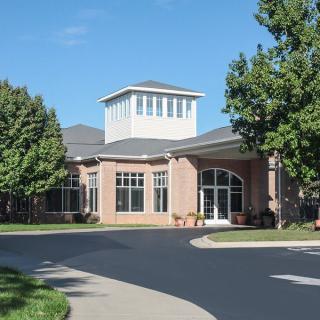
732 South Gregg Road, Nixa, MO 65714
For more information about senior living options: (866) 208-4318
Overall Review of Life Enhancement Village
Pros
 He receives wonderful care.
- They ensure his medication is given on time.
- They have a nice small community.
- He likes the food and it’s healthy.
Cons
 The facility is a horrible place.
- The facility doesn’t serve enough food, and medications are sometimes lost by staff.
- The reviewer would not recommend the facility.
- The place is terrible, and residents are treated like prisoners.
- The staff are rude.
- There is constant turnover in the staff, and the staff do not seem motivated to help residents; Wi-Fi permission or internet access for residents is not provided.
- It is unfair that the Wi‑Fi password is not shared with residents’ families.
Review
Life Enhancement Village in Nixa, Missouri is best suited for families seeking a small, home-like setting where daily care is manageable and family involvement can help shore up staffing gaps. It works for residents who primarily need light, regimented assistance and who value a tight-knit community atmosphere over broad activity programming. In this model, predictable routines and close relationships with a small caregiving team can feel reassuring. Those who need reliable, ongoing supervision, robust social engagement, strong customer service, or extensive medical support will likely find the fit uneven. For residents who expect consistent staffing, clear communication, and dignity in every interaction, alternatives should be seriously considered.
On the positive side, several accounts highlight the upside of a compact community: a smaller setting can foster familiarity, easier oversight, and a sense of belonging. When medication administration is described as timely, it clearly supports daily stability and mental well-being, which matters greatly for residents who rely on routine to remain calm and oriented. The menu is noted as healthy and reasonably enjoyed by some residents, and there are “extras” that a family member may appreciate in a quieter, more intimate environment. In short, the strongest advantages hinge on a calm, familiar living space where staff can build relationships with residents and families, and where medications are managed with basic reliability.
Yet these strengths confront a broad and serious list of drawbacks that many families will weigh heavily. The most persistent red flags point to care atmosphere and staff engagement: several reviews describe treatment that feels punitive or disrespectful, with comments about residents being treated as if imprisoned. Rude interactions and a sense of ambivalence from staff are repeatedly cited, along with frequent turnover and constant shifts in personnel. Such instability erodes the very reliability that a small community promises, making it difficult for families to trust that their loved ones are in capable, compassionate hands day after day.
Competing against the positives are tangible operational concerns that cannot be dismissed. Medication mishaps, including losses reported by staff, raise safety alarms for anyone whose loved one depends on precise administration. Food, while praised by some, is not consistently deemed sufficient by others, leaving the impression of uneven nourishment. Restrictions around amenities that affect daily life, most notably Wi-Fi access and internet connectivity, poke at residents’ autonomy and social connection, which is a meaningful quality-of-life factor for many families and for the residents themselves. Taken together, these issues undermine the perceived value of a small-campus advantage when reliability and dignity are at stake.
To determine whether the pros can offset the cons, focus on the resident profile and family expectations. If a senior seeks a very intimate setting with a familiar staff presence and can tolerate periodic lapses in service, Life Enhancement Village may deliver gentle day-to-day stability, provided family members are prepared to stay closely involved, regularly monitor care, and advocate for consistent practices. However, for residents who require steadfast staffing, predictable routines, ample nutrition, and unencumbered access to digital communication with loved ones, the balance shifts away from a favorable risk-benefit equation. When staffing is unstable and accountability appears inconsistent, the small-community appeal is quickly overshadowed by concerns about safety, respect, and nerve-wracking unpredictability.
Families should explicitly consider alternatives if the top priorities include reliable, courteous care, strong and steady medication management, sufficient meals, and open connectivity. Prospective residents and their supporters should not rely on impression alone; arrange tours during meal periods to gauge kitchen quality, observe caregiver-resident interactions, and assess whether staff respond promptly and respectfully. Ask direct questions about medication safety protocols, incident reporting, staff-to-resident ratios, and how dietary concerns are addressed. Request recent state inspection findings and talk with current residents or family members about day-to-day satisfaction. If a facility can demonstrate consistent staffing, transparent communication, and a culture of respect, it will clearly outshine Life Enhancement Village for families prioritizing reliability and dignity.
In the end, Life Enhancement Village presents a mixed proposition that narrows the field to families who value a close-knit, low-key environment and can accept significant reliance on family oversight to mitigate gaps. For others, especially those prioritizing steady staffing, robust programming, generous meals, and unfettered connectivity, the prudent move is to explore alternatives first. The decision hinges on the resident’s medical needs, the family’s capacity to participate in ongoing oversight, and the degree to which dignity, reliability, and nourishment are non-negotiable. If those criteria tilt toward the latter, it is time to compare competing options with a critical eye and to insist on transparent evidence of improvement before committing.
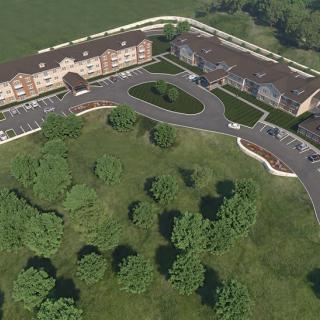
 44 resident community capacity
 Assisted Living
 Independent Living
 Beauty salon
 Cable or satellite TV
 Dining room
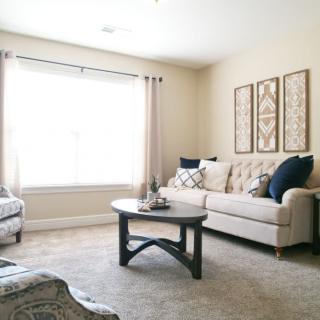
 Fully furnished
 Garden
 Housekeeping services
 Kitchenette
 Move-in coordination
 Outdoor space
 Restaurant-style dining
 Small library
 Telephone
 Wi-Fi/high-speed internet available
 Springfield-Branson Regional (15 miles away)
 24-hour call system
 Activities of daily living assistance
 Assistance with bathing
 Assistance with dressing
 Assistance with transfers
 Diabetes diet
 Medication management
 Mental wellness program
 Special dietary restrictions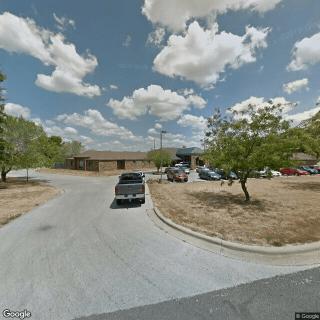



 Understanding Medicaid Coverage for Assisted Living: A Comprehensive Guide
 How and When Medicaid May Cover Assisted Living Costs
 A Detailed Exploration of Assisted Living Medicaid Waivers Across the United States