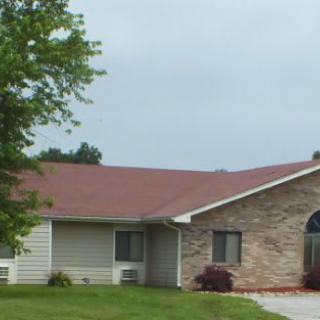
625 W 2nd Street, Montgomery City, MO 63361
To contact a resident: (573) 564-3386
For more information about senior living options: (866) 208-4318
Ashbury Heights of Montgomery City Costs & Pricing
At Ashbury Heights of Montgomery City, residents find competitive pricing for both studio and one-bedroom accommodations, with each room type offered at $1,850 per month. This aligns perfectly with the average costs in Montgomery County, ensuring that potential residents benefit from local rates without additional financial burden. In contrast, the average costs across Missouri show a significant increase; studios and one-bedroom apartments statewide average $3,418 and $3,349 respectively. This stark difference highlights Ashbury Heights as an attractive option for those seeking quality living arrangements at a fraction of the state average, making it a compelling choice for individuals looking to balance comfort with value.
| Floor plans | Ashbury Heights of Montgomery City | Montgomery County | Missouri |
|---|---|---|---|
| Studio | $1,850 | $1,850 | $3,418 |
| 1 Bedroom | $1,850 | $1,850 | $3,349 |
Assisted Living communities with a similar price nearby
-
from +$354 / mo
Kingdom Care Senior Living
$2,204 to $3,223 / month24.9 miles away -
from +$70 / mo

Teal Lake
$1,920 to $4,050 / month23.3 miles away -
from +$185 / mo

Frene Valley Hermann
$2,035 to $3,635 / month19.8 miles away -
from +$150 / mo

Essex Of Mexico
$2,000 to $3,250 / month24.3 miles away -
from +$350 / mo

Bristol Manor of Warrenton
$2,200 to $3,200 / month22.4 miles away
Overall Review of Ashbury Heights of Montgomery City
Pros
 This is an excellent community for outstanding care.
- The community is very clean.
- They have excellent communication on keeping us informed on his progress.
- The meals are outstanding.
- This community has been outstanding in all ways for everything they have done to help my uncle.
- Very client oriented with personal care.
Cons
 The reviews are all positive and contain no third-person negative statements.
Review
Ashbury Heights of Montgomery City is best suited for families seeking a compact, well-maintained assisted living option in the Montgomery City area where daily personal care is provided with consistent cleanliness and straightforward communication. The community earns a solid 4.3 rating from three reviews, signaling a dependable, no-surprise environment rather than a flashy or risk-heavy option. This is a setting where residents appear to receive steady daily support, with an emphasis on respectful care and predictable routines. For families prioritizing a calm, value-driven choice that centers on basics, hygiene, meals, and regular updates, this option fits the bill in a practical, not aspirational, way.
Alternatives to consider exist for those needing specialized clinical oversight, memory-care programming, or a wider array of therapeutic activities. The reviews concentrate on core praise, cleanliness, communication, and meals, without detailing memory support, rehabilitation services, or extensive social programming. Given the small number of sources, a family should plan for a hands-on due-diligence process, including site visits and direct conversations with staff and current residents’ families to verify consistency over time. If concerns revolve around needing more intensive medical management or a broader social calendar, it makes sense to look at other communities in the region.
From a care quality perspective, the strongest argument for Ashbury Heights rests on outstanding daily care, a spotless environment, and reliable family communication. Cleanliness lowers infection risk and creates a welcoming, home-like atmosphere that reduces stress for residents and families alike. The promise of excellent progress updates means families are not left guessing about a loved one’s condition, which is a critical factor when daily supervision and safety are priorities. Coupled with meals described as outstanding and with a liked menu, the core day-to-day experience feels intentional and steady, turning daily living into something residents can enjoy rather than endure.
Staff behavior and the service model come across as highly client-oriented, with a focus on personal care that feels tailored rather than scripted. The emphasis on personalized attention, care that adapts to individual routines and preferences, helps offset potential gaps in areas not highlighted by the reviews, such as specialized activity programming or memory supports. This kind of attentiveness matters when evaluating value, because predictable, respectful care often translates into fewer hospital transfers and greater family peace of mind. The anecdote about helping a family member and the consistent praise for care reinforce the impression of a responsive, dependable team.
However, several practical caveats emerge from the limited review pool. Only three reviews exist, which means the community’s performance may not yet be tested across seasons, staff turnover, or varied health needs. The absence of explicit information on memory care, rehabilitative services, or a broad activity calendar means families must pursue direct confirmation of these offerings if they are essential. Prospective residents should request a current care plan example, request to speak with front-line caregivers, and seek references from multiple families to gauge consistency beyond the initial impression.
In the end, Ashbury Heights delivers a solid, dependable choice for families prioritizing cleanliness, clear communication, and high-quality meals within a value-oriented package. It is well suited for residents who need steady, personal daily support and for families who want predictable caregiving without the complexities of a larger, more clinical setting. For those whose loved ones require extensive memory-care programming, aggressive medical oversight, or a richer social calendar, alternatives should be explored. A focused site visit, candid questions about services, and a review of current staffing levels will finalize whether this community fits the specific care trajectory and budget of the decision.
 Assisted Living
 Day Program
 Cats allowed
 Dogs allowed
 Air-conditioning
 Devotional services off-site
 Indoor common areas
 Outdoor common areas
 Respite or short term stays offered
 Ambulatory care
 Diabetic care
 Incontinence care
 Medication management
 Guest meals
 BBQs or picnics
 Birthday parties




 Senior Transition Services: Understanding Their Role, Cost, and Importance
 Exploring the Path to Senior Living: A Comprehensive Look at Independent Living and Assisted Living
 Is Assisted Living Deductible on Your Taxes? Understanding the Complexities of Assisted Living Expenses and Deductions