For more information about senior living options: (866) 208-4318
2.7 from 116 reviews
5 stars
39
4 stars
9
3 stars
4
2 stars
9
1 stars
55
Willow Creek Costs & Pricing
Willow Creek offers a competitive and affordable pricing structure for its residential units compared to the broader market in Jackson County and Missouri as a whole. For instance, the monthly cost for a one-bedroom apartment at Willow Creek is just $524, significantly lower than the county average of $2,857 and the state average of $3,349. Similarly, two-bedroom apartments are available for $699 at Willow Creek, which remains far more economical than both the county price of $3,010 and the state price of $3,675. These figures highlight Willow Creek's commitment to providing residents with high-quality living accommodations at accessible prices, making it an attractive option for individuals and families seeking housing in the region.
Floor plans
Willow Creek
Jackson County
Missouri
1 Bedroom
$524
$2,857
$3,349
2 Bedrooms
$699
$3,010
$3,675
Senior living communities with a similar price nearby
from +$67 / mo
The Gardens at Northgate Village
4.5 from 130 reviews
$591 to $688 / month
14.0 miles away
from +$86 / mo
Washington Heights
4.1 from 17 reviews
$610 / month
14.4 miles away
from +$101 / mo
Rose Wood Place LLC
3.6 from 44 reviews
$625 to $785 / month
8.2 miles away
from +$36 / mo
LeGrand
3.3 from 9 reviews
$560 to $2,648 / month
12.2 miles away
from +$51 / mo
Cottages of Kansas City East
3.8 from 15 reviews
$575 to $665 / month
11.1 miles away
Overall Review of Willow Creek
common9 reviews mention this
Maintenance response is mixed
Maintenance support is praised as fast and reliable by many residents.
Several residents describe maintenance teams as responsive, with work completed quickly after requests. A few reviews call out specific issues like AC and hot water being handled promptly. At the same time, other reviews say fixes were delayed, incomplete, or required repeated follow-ups.
caveat10 reviews mention this
Security and package theft are concerns
Residents frequently raise concerns about safety, theft, and weak accountability.
Many reviews mention stolen packages, items taken from storage, or cars being broken into. Several residents also describe issues with cameras or general monitoring and say management did not take meaningful action. A number of reviews connect these concerns to safety and a lack of peace of mind, especially around mail, deliveries, and building security.
caveat12 reviews mention this
Staff and communication get criticized
Multiple residents describe rude or unresponsive communication from staff and management.
A recurring theme in the reviews is that residents felt treated disrespectfully by leasing office staff, including harsh or dismissive communication. Several people also say calls and emails went unanswered or were handled poorly, requiring frequent follow-ups in person. Alongside those complaints, there are also a few reviews that praise specific staff members for being helpful and professional during the leasing process.
caveat11 reviews mention this
Repairs and upkeep disappoint some
Some residents report long-running problems that were not fully resolved.
Beyond general maintenance impressions, several reviews describe particular breakdowns and upkeep problems, including A/C or heating issues, leaks, and other in-unit concerns. Other residents mention pest issues and damage that they felt maintenance did not address in a timely or lasting way. A few reviews also describe common-area conditions like stained hallways, broken doors, or equipment needing servicing.
common2 reviews mention this
Pool and on-site activities
Residents comment on the pool and on-site activity options.
One review highlights the pool size and the experience of being in it. Another says the pool was open for a limited stretch before closing. The community is listed as offering on-site activities and includes a swimming pool and hot tub among its amenities.
caveat5 reviews mention this
Value themes: size, price, and rent changes
Reviews are mixed on value, with some citing reasonable rent but others flagging rising costs.
Some residents say the apartments are a good fit for the money, including comments about affordability and large apartment size. Other reviews counter that rent increases and fees made the cost less manageable over time. Pricing info on the listing also shows unit prices well below county and state ranges in the categories provided.
How we summarize
Counts show how many written reviews mention each theme; a review can touch several themes, and only frequently mentioned themes are displayed.
Features
Types of Care
Active Adult Communities (55+)
Pets
Cats allowed
Dogs allowed
Amenities
Activities off-site
Activities on-site
Indoor common areas
Outdoor common areas
Swimming pool / hot tub
Transportation
Kansas City International (25 miles away)
Activities
Activities off-site
Activities on-site
Nearby Places of Interest
This part of Kansas City, Missouri offers a variety of amenities and services that may be appealing to seniors looking for a comfortable and convenient place to live. The area includes a range of restaurants, cafes, pharmacies, physicians' offices, hospitals, parks, places of worship, and even a nearby movie theater. With options for dining out, healthcare access, outdoor recreation, spiritual community involvement, and entertainment all within a short distance, residents can enjoy a well-rounded and fulfilling lifestyle. Additionally, the proximity to major medical centers such as The University of Kansas Cancer Center and Saint Luke's Hospital provides peace of mind for seniors seeking quality healthcare. Overall, this area presents a balanced mix of conveniences that cater to the needs and interests of older adults looking to settle into a welcoming community in Kansas City.
Restaurants
Southside Bar & Grille (0.8 miles)
Strip's Chicken (1.8 miles)
McDonald's (1.9 miles)
Rye (2.1 miles)
Martin City Pizza & Tap Room - Mission Farms (2.3 miles)
Kansas City Bier Company (2.6 miles)
Bier Station (3.5 miles)
Physicians
The University of Kansas Cancer Center - South (0.9 miles)
Kansas City Orthopaedic Institute (2.4 miles)
Village Pediatrics (2.8 miles)
Allergy & Asthma Care, PA (3 miles)
Discover Vision Centers in Leawood, Kansas (3.2 miles)
Research Medical Center: Yandrapu, Harathi MD (4.6 miles)
Kansas City Allergy & Asthma Associates, P.A. (5.1 miles)
Pharmacies
CVS Pharmacy (1.7 miles)
Walgreens (2.1 miles)
CVS Pharmacy (2.6 miles)
CVS Pharmacy (3 miles)
Walgreens (3 miles)
CVS Pharmacy (3 miles)
CVS Pharmacy (3.3 miles)
Cafes
McLain's Market (2.6 miles)
McLain's Bakery (3.5 miles)
Front Range Coffeehouse & Provisions (3.5 miles)
Starbucks (4.2 miles)
Starbucks (4.4 miles)
Starbucks (5.2 miles)
Panera Bread (5.9 miles)
Hospitals
Rehabilitation Hospital of Overland Park (2.9 miles)
Willow Creek offers a competitive and affordable pricing structure for its residential units compared to the broader market in Jackson County and Missouri as a whole. For instance, the monthly cost for a one-bedroom apartment at Willow Creek is just $524, significantly lower than the county average of $2,857 and the state average of $3,349. Similarly, two-bedroom apartments are available for $699 at Willow Creek, which remains far more economical than both the county price of $3,010 and the state price of $3,675. These figures highlight Willow Creek's commitment to providing residents with high-quality living accommodations at accessible prices, making it an attractive option for individuals and families seeking housing in the region.
Elder abuse affects many older adults worldwide and includes physical, emotional, neglectful, and financial harm, with about one in six individuals over 60 experiencing abuse annually. Prevention and intervention strategies focus on awareness, support for caregivers, and mandatory reporting, while recovery necessitates comprehensive support for both physical and emotional needs.
The guide details ten essential responsibilities of senior caregivers, including personal care, mobility assistance, medication management, and emotional support, while emphasizing the importance of safety, nutrition, and maintaining a safe living environment to enhance seniors' quality of life and independence.
The article highlights nine memory-boosting activities for seniors that enhance cognitive health and social interaction, including puzzles, trivia quizzes, and storytelling, while emphasizing the importance of adapting these activities to individual preferences to maximize enjoyment and engagement. Consistent mental engagement is linked to improved cognitive function and emotional well-being in older adults.
Get PricingAsk A QuestionSchedule A TourContact Senior Advisor
By clicking submit, you agree to our Partner's Terms of Use. You
also consent to receive calls and texts, which may be autodialed, from our Partner. Your consent is not a condition to
using our Partner's service. Please visit our Partner's Privacy Policy for information about their privacy practices.


 Active Adult Communities (55+)
 Cats allowed
 Dogs allowed
 Activities off-site
 Indoor common areas
 Outdoor common areas
 Swimming pool / hot tub
 Kansas City International (25 miles away)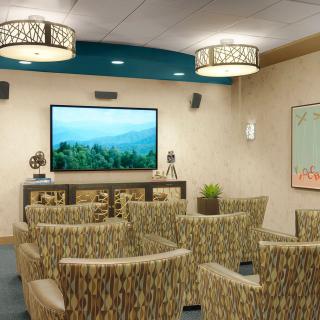
 Comprehensive on-site care options with amenities and relatively affordable pricing.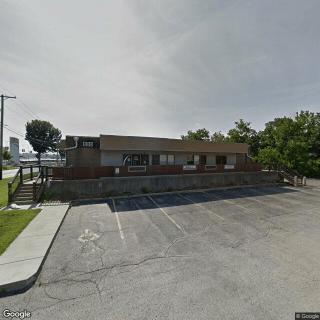
 Powerful Realities of Elder Abuse and the Most Effective Ways to Report It
 Ten Vital Duties of a Senior Caregiver: A Comprehensive Guide
 9 Stimulating Memory Activities for Seniors: Puzzles, Cards, and Much More