
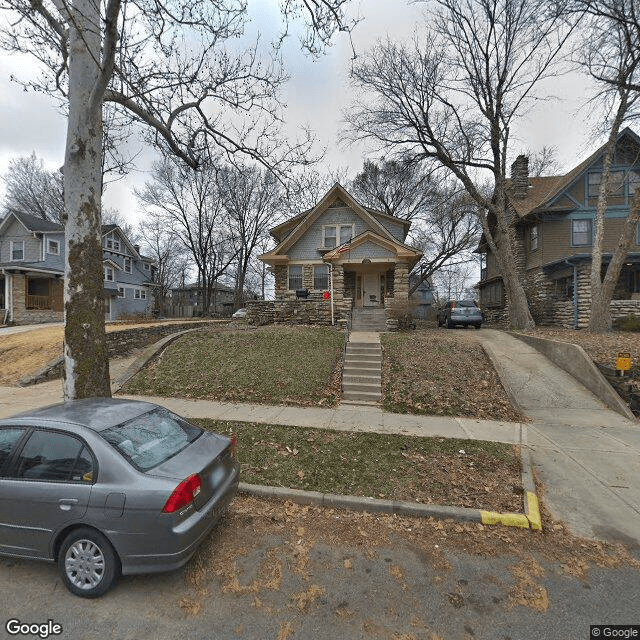
3920 Forest, Kansas City, MO 64110
For more information about senior living options: (866) 208-4318
Overall Review of Jolet Home
Pros
 The administrator and the tour guide were very friendly and welcoming.
- The administrator spent a generous amount of time with visitors.
- The staff and administrator were among the most genuinely caring, gentle people.
- The house sits on a beautiful, leafy street in the center of an improving historic district.
- The kitchen seemed clean.
- The facility provides better, more individualized care and attention for residents with budgetary limitations than many similarly-priced facilities.
Cons
 The facility would be a better fit for those with cognitive issues, not just the usual physical difficulties of ageing.
- The building is older and looks somewhat run down from wear.
- One of the restrooms was out of order.
- The living areas seemed worn down.
- Three or four residents share most bedrooms.
- It is toward the bottom of the cost range, and that becomes apparent in the building and room-sharing.
Review
Jolet Home in Kansas City is a pragmatic choice for families seeking a intimate, low-margin assisted living option that can still deliver genuine warmth and attentive care. It is best suited for residents whose primary needs are cognitive or behavioral health support, and for households operating within a tight budget who prize personal attention over polished amenities. The community thrives when the emphasis is on consistent, gentle interaction from staff and leadership, rather than on high-end fixtures or expansive programming. For families prioritizing a lively, upscale environment or a facility built around comprehensive physical rehabilitation, another option will usually serve better.
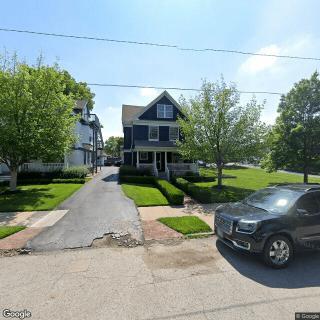
The atmosphere at Jolet Home contrasts with larger, more commercial facilities. A sister site shared by Paseo Residential Care, Jolet’s setting is a converted single-family house that conveys a homelike feel rather than a clinical footprint. The administrator and the touring staff come across as sincerely kind and patient, with the administrator notably generous with time despite a demanding schedule. The resident mix skews older in some facilities’ sense, but Jolet’s age range also includes much younger adults, reportedly down into the thirties, underscoring a focus on cognitive and behavioral care more than the typical aging-in-place model. This emphasis makes it a potentially excellent match for individuals whose needs revolve around memory, mood, or behavioral management.
Accessibility and condition are the clearest watch-outs. The building’s age shows in wear, faded interiors, worn living areas, and at least one restroom out of service. These tangible signs of use are not mere cosmetic concerns; they reflect the realities of a budget-friendly, home converted property. While the staff are described as caring and the house sits on a pleasant, tree-lined street near a historic district, the physical environment may pose friction for residents with significant mobility limitations or those requiring consistently modern accessibility features. The assurance that wheelchair users can be accommodated is tempered by the visible limitations of a small, older home, and a tour-presentation that emphasizes personal attention rather than infrastructure upgrades.
Cost is a meaningful lever in the equation. Jolet Home sits toward the lower end of the assisted living spectrum, which is echoed in the shared-bedroom arrangements, three or four residents per room, rather than private or semi-private layouts. The price advantage is real and meaningful for families with constrained budgets, but it does not come without trade-offs. The combination of lower upfront cost with highly personable staff can deliver a favorable care-to-cost ratio for residents whose needs are cognitive or behavioral rather than strictly physical. In this light, the strongest value arises when the care philosophy aligns with intimate, consistent caregiver contact and a home-like setting that prioritizes relationships over space and polish.
For decision-makers weighing alternatives, several clear signals emerge. If mobility limits, private rooms, or modern, resort-like amenities are non-negotiable, Jolet Home may not satisfy, and a facility with stronger physical-care capabilities and newer construction should be explored. Likewise, families seeking a facility with robust medical oversight, memory-care programming, or a tightly wound calendar of activities for a broad spectrum of physical and cognitive needs should compare options with an eye toward those services. On the flip side, if the priority is a compassionate staff, a less intimidating environment, and a budget-conscious plan that still treats residents with dignity and personal attention, Jolet Home offers a compelling fit.
The bottom-line recommendation is practical and focused. Jolet Home excels as a budget-conscious, small-house option where staff warmth and individualized attention can compensate for some physical infrastructure limitations, particularly for residents whose primary needs are cognitive or behavioral support. For families where physical accessibility, private accommodations, and modern facility amenities are essential, it is prudent to look at alternatives that deliver stronger high-level mobility support and newer building standards. In either path, a candid, in-person visit remains essential: verify accessibility in real-world use, inspect shared spaces and bathrooms, and confirm care plans align with the resident’s specific cognitive or behavioral requirements. In the right context, Jolet Home can be a humane, attentive home rather than a sterile institution, but the match hinges on aligning care priorities with the realities of the physical setting.
 17 resident community capacity
 Assisted Living
 Board and Care Home
 Cable or satellite TV
 Dining room
 Fully furnished
 Garden
 Housekeeping services
 Move-in coordination
 Outdoor space
 Telephone
 Wi-Fi/high-speed internet available
 Kansas City International (18 miles away)
 24-hour supervision
 Activities of daily living assistance
 Assistance with bathing
 Assistance with dressing
 Assistance with transfers
 Diabetes diet
 Meal preparation and service
 Medication management
 Special dietary restrictions
 Transportation arrangement (medical)
 Transportation to doctors appointments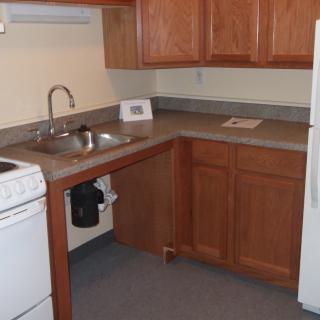



 Comprehensive Insights into Activities of Daily Living (ADLs) and Their Assessment
 Guiding Elderly Parents Who Refuse Assisted Living: 6 Practical Steps
 Your Comprehensive Guide to Luxury Assisted Living: Elevated Facilities, Amenities, and Costs