
1402 Riverview Drive, Elsberry, MO 63343
For more information about senior living options: (866) 208-4318
Bristol Manor Of Elsberry Costs & Pricing
Bristol Manor of Elsberry offers competitive pricing for its residents when compared to the broader market rates in Pike County and throughout Missouri. For instance, the monthly cost of a studio apartment at Bristol Manor is $1,950, which significantly undercuts both the county average of $2,573 and the state average of $3,418. Similarly, for a one-bedroom unit, Bristol Manor charges $2,950, which remains lower than Pike County's average of $3,133 and Missouri's overall average of $3,349. This positioning not only highlights Bristol Manor's commitment to providing affordable living options but also ensures that residents receive quality care without compromising their financial stability.
| Floor plans | Bristol Manor Of Elsberry | Pike County | Missouri |
|---|---|---|---|
| Studio | $1,950 | $2,573 | $3,418 |
| 1 Bedroom | $2,950 | $3,133 | $3,349 |
Overall Review of Bristol Manor Of Elsberry
Pros
 The staff are very friendly.
- The facility is very clean and home-like.
- The staff provide good care and seem to truly care about the residents.
- Residents were eating and laughing with others, suggesting a warm social environment.
- Meals are tasty and portions are ample.
- The staff do a good job cleaning the facility all around.
- The price is very reasonable.
- Move-in was fast and efficient, giving peace of mind.
Cons
 The staff was reduced to one person most of the time, leaving the facility consistently understaffed.
- They warn that it is not a good place for anyone you care about.
- They lament that, despite a huge need for affordable elder care, the facility does not seem to be doing it right.
- They criticize the regulation, noting that assisted living is regulated differently than nursing homes and that regulators came, but nothing changed for the better.
Review
Bristol Manor of Elsberry is best suited for seniors who want an affordable, small-community feel with a clean, home-like environment and sufficient social opportunities. It works well for residents who need light to moderate assistance and who value daily meals, friendly interaction, and a sense of belonging over a clinical, institution-like setting. The rapid move-in experience noted by one family can be a critical advantage for urgent placement, allowing a loved one to settle in quickly and begin living in a recognizable routine without drawn-out delays.
Those considering alternatives should pay particular attention to staffing stability and the level of medical oversight. A former residentā€™s experience, where staffing was reduced to a single person for extended periods, signals potential reliability gaps that can affect consistency of care. For seniors who require more than minimal supervision, or for families seeking robust round-the-clock attention, more resource-rich communities with larger teams and deeper regulatory oversight may be a safer match. Those with specialized needs, memory care, complex medical management, or a desire for highly structured routines, should evaluate other options carefully rather than assuming a fit.
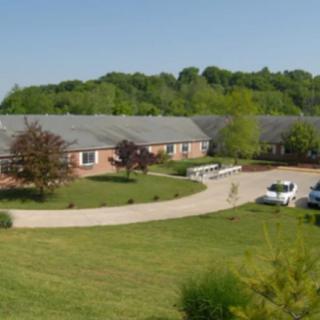
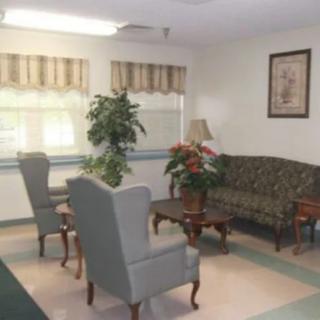
On the positive side, the facility earns credit for a very clean, home-like setting paired with friendly, caring staff. Residents appear to enjoy meals that are both palatable and generously portioned, contributing to a sense of normalcy and satisfaction in daily life. The environment supports social engagement, with residents seen dining and interacting in ways that reflect genuine community bonds. The combination of cleanliness, warmth, and reasonable pricing creates a compelling value for families who prioritize a livable, low-cost living arrangement without sacrificing basic comfort.
However, the main drawbacks center on staffing consistency and the implications of a small-team model. Reports of one-on-one staffing in practice and periodic regulatory observations that did not translate into lasting improvements raise questions about how well day-to-day needs will be met during busy shifts or emergencies. Such variability can translate into slower responses, limited one-to-one attention, and a greater reliance on resident stability and family planning to fill potential gaps. In short, the care experience can be uneven, fluctuating with staff levels and turnover.
Those positives do offset the negatives to a meaningful degree for the right resident. A clean, welcoming setting coupled with a caring staff and affordable pricing means families can allocate resources toward quality daily life rather than escalating care costs. Social opportunities and the home-like atmosphere provide ongoing meaning and engagement, which can help mitigate feelings of isolation often seen in smaller communities. For residents who are comfortable with occasional trade-offs in staffing density and who prioritize cost, flexibility, and neighborhood charm, Bristol Manor delivers a practical, trustworthy option.
In the end, Bristol Manor of Elsberry serves as a practical choice for families prioritizing affordability, social connectedness, and a clean, comfortable environment. It is less suitable for those whose loved ones require consistent, high-staffing ratios, extensive medical supervision, or specialized dementia-focused care. Pros, warmth, cleanliness, decent meals, and a reasonable price, do carry substantial weight when balanced against the staffing volatility and potential gaps in continuous care. Careful, in-person assessment remains essential: verify current staffing levels, ask about caregiver-to-resident ratios, review care plans, and speak with multiple residents and families about day-to-day experiences. With those checks, Bristol Manor can be a sound match for the right senior and the right family dynamics.
 12 resident community capacity
 Assisted Living
 Board and Care Home
 Day Program
 Independent Living
 Cats allowed
 Dogs allowed
 Air-conditioning
 Cable or satellite TV
 Devotional services off-site
 Dining room
 Fully furnished
 Garden
 Ground floor units
 Housekeeping services
 Indoor common areas
 Move-in coordination
 Outdoor common areas
 Respite or short term stays offered
 Telephone
 Wi-Fi/high-speed internet available
 24-hour supervision
 Ambulatory care
 Assistance with bathing
 Assistance with dressing
 Assistance with transfers
 Diabetes diet
 Diabetic care
 Incontinence care
 Meal preparation and service
 Medication management
 Special dietary restrictions
 Transportation arrangement (medical)
 Transportation to doctors appointments
 BBQs or picnics
 Birthday parties





 8 Key Indicators That Suggest It May Be Time to Transition from Assisted Living to Skilled Nursing Care
 Vibrant Senior Living: A Comprehensive Guide for Active Older Adults
 When to Transition from Assisted Living to Memory Care: Key Indicators, Steps, and Finding the Right Community