
102 Lillian, Crane, MO 65633
For more information about senior living options: (866) 208-4318
Overall Review of Crane Residential Care Home
Cons
 The facility is described as unsafe to live in, with an unsafe location.
- Residents experience mental abuse and harassment from staff and the owner.
- The monthly cost is over $2,000, with claims that disability checks are taken.
- Emergency calls (911) are reportedly not allowed or discouraged during emergencies.
- Staff yell at residents every morning and can pretend to be friendly before changing behavior.
- There is ongoing unfair treatment and severe mental abuse.
- A resident’s girlfriend had a stroke but was not allowed to go to the hospital.
- The Wi-Fi is terrible and data connectivity is poor.
- There are mice in the building and no pest control.
- A staff member named Melissia allegedly dismissed concerns about not eating.
- The overall experience left the reviewer feeling severe mental depression.
Review
Crane Residential Care Home in Crane, MO is best suited for seniors whose families can provide vigilant, ongoing oversight and who are prepared to navigate a facility where reported care quality and safety require close monitoring. The prevailing pattern in the available feedback is one of persistent concerns about staff behavior, safety, and the overall environment, which means only those with robust external oversight and a clear plan for rapid intervention should seriously consider this option.
From the outset, the most serious red flags center on safety, dignity, and respect. Multiple accounts describe hostile or abusive treatment by staff and management, with claims of harassment and mental cruelty. The facility is portrayed as an unsafe living environment, including an alleged refusal to allow emergency action for a resident experiencing a medical crisis. There are also repeated accusations of pest problems, mice and other pests, and subpar infrastructure, such as unreliable connectivity and poor overall maintenance. A further financial sting is noted: ongoing monthly charges beyond what some residents can reasonably afford, coupled with accusations that disability income can be unduly impacted. These elements collectively frame Crane as a high-risk choice for anyone needing reliable, compassionate, and timely care.
There are a handful of higher-star ratings among the six reviews, but they are not accompanied by substantive, verifiable detail. That discrepancy suggests possible uneven experiences, with a minority of residents or families perceiving some positives in contrast to the dominant pattern of dissatisfaction and distress. Without concrete, consistent indicators of quality, such as transparent staffing practices, meaningful resident rights protections, and demonstrable responsiveness, these higher ratings do little to alter the overall risk calculus. In practical terms, they amount to outliers in a landscape where the weight of evidence points toward systemic concerns.
Given the alignment of strong negatives, the perceived pros do not meaningfully offset the main drawbacks. The potential advantages would have to be extraordinary and well substantiated to overcome issues around safety, abuse, and alleged financial exploitation. In the absence of reliable, verifiable improvements, like consistently respectful staff interactions, prompt emergency response, rigorous pest control, stable connectivity, and clear, lawful handling of residents’ incomes, the negatives drive the recommendation toward caution rather than endorsement. Families should not rely on hopeful impressions when concrete, harmful patterns have been reported.
For families evaluating options, two clear alternatives deserve focus. First, consider facilities with transparent staffing models, robust resident rights protections, and documented emergency procedures, ideally with independent inspections and current licensing records readily available. Second, explore community-based or larger licensed senior-care settings that offer stronger oversight, better maintenance, and more reliable medical and emergency support. In either case, prioritize facilities that provide verifiable evidence of safe neighborhoods, responsive care teams, pest management, consistent Wi‑Fi or connectivity, and explicit policies about residents’ income and emergency access.
The decision path for Crane should emphasize due diligence before any commitment. If exploration continues, conduct on-site tours with specific, in-scope questions: how emergency calls are handled, what staff training entails, how pest control is managed, and how residents’ health crises are addressed. Speak with current residents and their families, request copies of inspection reports, review how fees are assessed and what protections exist for fixed incomes, and verify the facility’s policy on allowing urgent medical care. In short, Crane Residential Care Home requires a level of external oversight and risk tolerance that most families would prefer to avoid; alternatives that offer clearer safety, accountability, and patient-focused care are the prudent course.
 33 resident community capacity
 Assisted Living
 Beauty salon
 Cable or satellite TV
 Dining room
 Fully furnished
 Garden
 Housekeeping services
 Kitchenette
 Move-in coordination
 Outdoor space
 Restaurant-style dining
 Small library
 Telephone
 Wi-Fi/high-speed internet available
 24-hour call system
 Activities of daily living assistance
 Assistance with bathing
 Assistance with dressing
 Assistance with transfers
 Diabetes diet
 Medication management
 Mental wellness program
 Special dietary restrictions
 Comprehensive care options with 24/7 supervision and dementia-friendly programs at relatively affordable private/semi-private rates.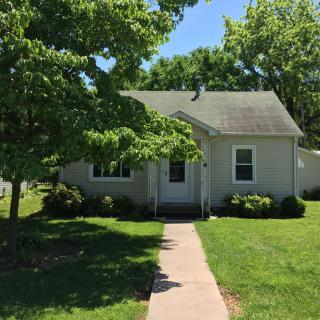


 Comprehensive Insights into Activities of Daily Living (ADLs) and Their Assessment
 Medicare Coverage for Assisted Living: An In-Depth Exploration
 Choosing the Right Senior Care: A Detailed Exploration of Assisted Living and Nursing Homes