
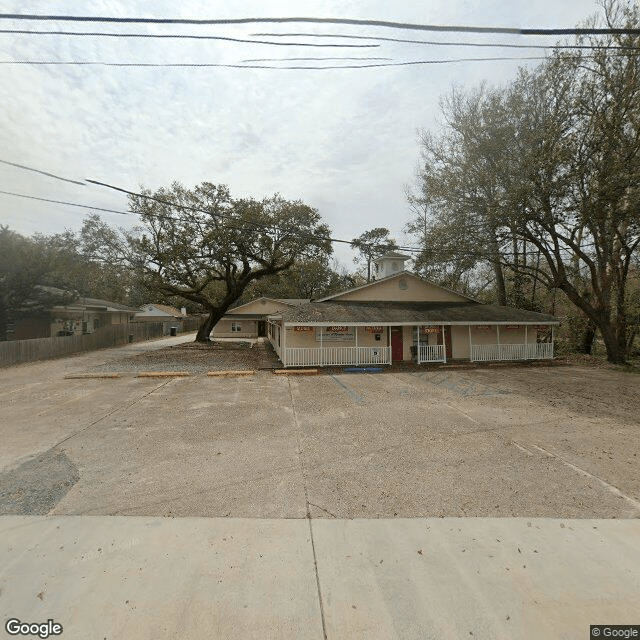
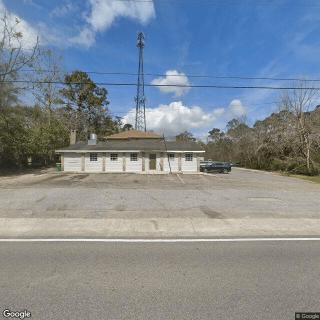
2820 Government St, Ocean Springs, MS 39564
To contact a resident: (228) 875-0668
For more information about senior living options: (866) 208-4318
Dorcester Costs & Pricing
In Dorcester, the cost of care is notably more affordable compared to both Jackson County and the greater state of Mississippi. For a semi-private room, residents can expect to pay around $1,200 per month, a figure significantly lower than the $2,692 charged in Jackson County and the $3,189 average for the state. Similarly, studio accommodations in Dorcester are priced at $1,500 monthly, which stands in stark contrast to Jackson County's steep rate of $5,038 and falls within a competitive range compared to Mississippi's overall average of $3,151. These figures highlight Dorcester as a financially attractive option for individuals seeking comfortable living arrangements without compromising quality care.
| Floor plans | Dorcester | Jackson County | Mississippi |
|---|---|---|---|
| Semi-Private | $1,200 | $2,692 | $3,189 |
| Studio | $1,500 | $5,038 | $3,151 |
Overall Review of Dorcester
Pros
 The Coast is lucky to have this amazing and unique school.
- The school is great, with teachers who help students develop technique and realize their musical potential.
- It provides an excellent facility for adults and children, offering dance, music, and performing arts, with private and small-class lessons that are affordable.
- The instructors, Mrs. Barbara and Mr. Tim, are inspiring and clearly love what they do.
- The program gives students opportunities to perform at notable venues and create lasting recordings and music videos.
- Rock U 2 Academy of Popular Music is a wonderful place for kids and adults to explore their love of music, dance, performing arts, and music production.
- The program is fun, educational, and highly recommended.
Cons
 They were kicked out for not wearing a mask, which led them to change their review to two stars and vow never to return.
- They claimed that masks have been proven useless and unnecessary.
Review
Dorcester in Ocean Springs is best suited for seniors who want an active, arts-forward living experience. It shines for residents who value ongoing cultural engagement, social connection, and affordable programming. The tone in the available observations points to an environment that treats learning as a lifelong pursuit, with offerings that span music, dance, and performing arts in formats that include private lessons and small groups. For families seeking an elder-care setting that keeps minds engaged and bodies busy through creativity, Dorcester presents a compelling fit, especially when the goal is to maintain curiosity and social vitality rather than merely secure basic daily living support.
Those evaluating alternatives should note that this setting may not be the right match for every senior. Residents needing consistent medical oversight, specialized memory care, or highly structured, nurse-driven routines should look for communities with on-site nursing, regular access to healthcare professionals, and dedicated memory-care environments. The available data lean toward an arts-centered, engagement-focused model, which is excellent for wellness and vitality but may fall short on the medical and daily- living supports some seniors require. Families should consider Dorcester’s strengths against the expectations for medical attention, safety features, and assisted living services before deciding.
The strongest pros emerge clearly from the reviews: a passionate, capable cadre of instructors and staff, a broad spectrum of offerings for both adults and youth, and demonstrably affordable access to private and small-group sessions. The ability to explore music, dance, and performance arts in a welcoming setting appears to foster genuine enjoyment and skill-building, with visible opportunities to perform in community venues and to record or produce work. This combination creates meaningful purpose, social interaction, and cognitive engagement, assets that can translate into sustained quality of life for many seniors who thrive on activity and personal achievement.
On the downside, the data hint at potential policy rigidity or experiences where enforcement of rules can feel restrictive. While these excerpts come from a music-education context rather than a traditional senior community, the implication is clear: a resident who values flexibility and a softer touch in daily life may encounter friction if policies are perceived as overly strict. That dynamic matters in assisted living, where warmth, adaptability, and individualized care are critical. It is essential to verify how Dorcester translates its energetic, inclusive culture into a safe, respectful living environment tailored to older adults with varying mobility, health, or daily-assistance needs.
The favorable programming and affordability do offset some concerns, but only to the extent that the setting aligns with the resident’s care requirements. If the goal is sustained social participation, creative stimulation, and a budget-conscious option, Dorcester can be very appealing. Families should still confirm key elder-care fundamentals: staffing levels for daily living assistance, medication management, safety features, ease of mobility around common areas, and access to emergency response. A thorough tour should include a look at calendars, sample activity rosters, and direct conversations with staff about how programming is adapted for older residents with different levels of independence.
In sum, Dorcester stands out for seniors who prize an arts-rich, sociable, and affordable lifestyle with opportunities to learn, perform, and connect. Those who require strong medical oversight, dedicated memory-care programming, or a traditional nursing-model environment should explore alternatives that emphasize on-site healthcare capabilities and age-specific support structures. For families weighing options, the recommendation is clear: prioritize a targeted tour that probes medical readiness and safety assurances, then weigh the vibrant engagement and affordability against the essential care needs. Dorcester may be the right match when cultural immersion and community energy are the primary criteria driving the decision.
 Assisted Living
 Activities on-site
 Devotional services off-site
 Indoor common areas
 Respite or short term stays offered
 Gulfport-Biloxi Regional (17 miles away)
 Ambulatory care
 Diabetic care
 Meals provided



 Vibrant Senior Living: A Comprehensive Guide for Active Older Adults
 When to Transition from Assisted Living to Memory Care: Key Indicators, Steps, and Finding the Right Community
 Assisted Living and Memory Care: Understanding Their Core Differences