
101 Ward Loop, Columbia, MS 39429
To contact a resident: (601) 736-3262
For more information about senior living options: (866) 208-4318
Overall Review of Star B Rest Personal Care Home
Cons
 The father arrived with sepsis and was malnourished, with foot sores and dentures and gums full of food.
- He was unshaved and had a bed sore.
- He had been left wet for long periods of time.
- The company was hired in January 2025 and changed the schedule for their own benefit.
- They did more work for the non-client spouse than for the client.
- The reviewer purchased a special device to clean the father's teeth, but it looks unused.
Review
Star B Rest Personal Care Home in Columbia, MS is best suited for families that can commit to vigilant, hands-on oversight and for residents whose care needs are relatively light. In practice, this setting works only when a trusted advocate is consistently monitoring daily routines, nutrition, hygiene, and safety. Without sustained, proactive supervision, the risk of overlooked basic needs rises quickly, turning what should be a secure living arrangement into a source of avoidable harm.
For families considering alternatives, the message is clear: anyone with significant medical or daily-care requirements should look elsewhere. The most critical red flags pertain to complex needs such as wounds, nutrition management, dental hygiene, continence support, mobility assistance, and active infection risk management. Facilities that cannot reliably deliver these core services are poor fits for residents who depend on consistent, professional oversight. In short, severe medical vulnerability demands a higher level of nursing and supervisory capacity than what appears feasible here.
The limited positives that might be imagined in a small-setting environment do not withstand the weight of the concerns raised. A compact, home-like atmosphere can offer easier communication and a sense of familiarity, but those perceived benefits are overwhelmed when basic care lapses occur. When malnutrition is a concern, wounds go unmanaged, dentures and oral hygiene are neglected, and personal care tasks are inconsistently performed, the purported warmth of a small home becomes a fragile veneer. The presence of these issues elevates infection risk, lowers dignity, and sabotages trust, outcomes unacceptable for most families evaluating long-term arrangements.
The principal drawbacks center on fundamental care failures and what appears to be scheduling practices that prioritize staff convenience over resident welfare. Reports of a resident arriving with sepsis and significant health neglect, unaddressed wounds, improper body care, and prolonged periods without assistance, signal serious gaps in daily supervision. Hygiene lapses, such as being left wet for extended times, and neglected denture care compound these problems, illustrating a pattern where basic needs are not consistently acknowledged or met. Compounding these clinical concerns is a sense that staffing changes may have diverted focus away from residents in favor of accommodating non-client relationships, a dynamic that erodes trust and stability for residents reliant on steady, predictable routines.
From a practical decision-making standpoint, families should demand concrete evidences of strong care governance before considering placement. Request a current, detailed care plan for the resident, with explicit nutrition, wound-care, dental hygiene, and continence strategies, plus documentation of nurse presence and oversight. Schedule multiple, unannounced visits at different times to observe response times, staffing levels, and the actual execution of daily care tasks. Speak with direct caregivers, not just administrators, and, if possible, talk with other families about consistent experiences. Check state licensing records, inspect cleanliness and safety standards, and verify staff-to-resident ratios. If these confirmations cannot be secured, alternatives with transparent staffing and higher-level medical oversight should be pursued.
Ultimately, the verdict is cautious and firm: Star B Rest Personal Care Home should not be the first choice for residents with meaningful medical or daily-care needs. It may serve only a very specific slice of cases where supervision is unwavering and care demands are minimal. For families that cannot commit to that level of oversight, or for residents who require reliable wound care, nutrition management, and robust hygiene practices, exploring better-staffed, higher-rated communities or arranging comprehensive home-care support will yield far stronger safety, dignity, and quality of life. If pursuing this option, proceed with rigorous due diligence, a clear exit plan, and an insistence on measurable, verifiable standards of daily care.
 Board and Care Home
 Clean environment with personalized dietary care.







 Exploring Palliative Care in the Home: A Comprehensive Overview
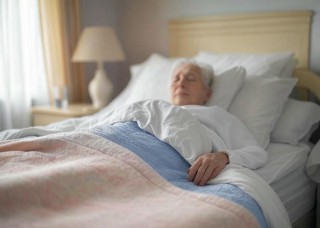 Comprehensive Insights into Palliative Home Care: What It Is and What to Expect
 Skilled Nursing Facilities vs. Nursing Homes: Making Sense of the Differences