
433 Mill Street, Zumbrota, MN 55992
For more information about senior living options: (866) 208-4318
Overall Review of Zumbrota Care Center Home Care
Pros
 The staff are professional and kind, and they know their stuff.
- The facility is well-kept and peaceful, with almost everyone wearing a smile.
- The food is good.
Cons
 They describe the staff as unprofessionally rude.
- They claim the higher-ups have absolutely no consideration for the people who work there.
- They allege a night nurse, Larose, trapped a resident in a room and yelled at someone with no dignity or respect.
- They recount being yelled at and accused of throwing coffee, an accusation they found unbelievable.
- They say it’s hard to find people willing to stay under those conditions, indicating staffing problems.
- They describe the overall situation as a mess and suggest there’s no wonder staffing is difficult.
- They note language barriers and miscommunication, since Afrikaans speakers couldn’t understand much of what the nurse yelled and the residents spoke English.
Review
This community is best suited for families seeking a calm, predictable living environment where daily care is handled by capable, courteous staff and residents can enjoy a peaceful, well-maintained setting. Zumbrota Care Center Home Care tends to attract seniors who prize routine, dignity, and straightforward day-to-day support over high-velocity clinical interventions. The floors are clean, common spaces feel safe, and a genuine effort is visible in staff interactions during ordinary transitions, meals, medication rounds, personal care. Those conditions make it an inviting option for residents who are comfortable with steady oversight, consistent caregiving, and a modest social milieu. However, it is not a one-size-fits-all solution, and certain realities require careful scrutiny before moving in.
Key strengths center on the daily human touch. Staff are described as professional and kind, with solid knowledge and competence, and the facility remains well-kept and peaceful. The atmosphere supports dignity in routine activities and minimizes noise-related stress, which matters for residents with dementia, mobility limits, or sensory sensitivities. The consistency of care from the frontline team often translates into reliable assistance with bathing, meals, medication reminders, and safe mobility. The positive tone extends to perceived morale of the staff, which matters for families seeking dependable hands-on support. Even where occupancy pressures exist, these on-the-ground attributes can anchor a resident’s sense of security and routine.
Yet the community carries a significant caveat rooted in leadership and staffing culture. One review paints a sharp contrast to the pleasant surface: high-level management appears indifferent to staff welfare, and frontline care can be compromised by public displays of unprofessionalism. The most serious incident involves an evening nurse allegedly trapping a resident in a room and yelling at staff or the resident, with accusations flying over a spilled beverage. Such episodes raise red flags about respect, safety, and the willingness of leadership to address complaints. When management tolerance for harsh treatment exists, it can erode trust, slow incident resolution, and create a stressful environment for both residents and the families watching from the outside. Staffing shortages compound these risks, making reliable coverage less predictable, especially during night shifts.
How the positives stack up against the negatives matters for decision-making. The presence of clean facilities and capable aides can cushion the impact of less-than-ideal management if the day-to-day care remains consistent and respectful. However, the core risk is cultural: if leadership tolerates or minimizes problematic behavior, even excellent floor care may fail to prevent distress, miscommunication, or delayed responses to urgent needs. In practical terms, this means potential residents could experience moments where their dignity is compromised, or family members feel uncertain about whether concerns will be properly investigated. For families with a resident who requires calm, predictable routines, the upside may outweigh the downside, provided there is confidence in the care team's ability to shield residents from interpersonal chaos.
Those considering alternatives should zoom in on leadership responsiveness and staffing stability. Prospective families are wise to ask for shift patterns, night coverage, and a clear process for reporting and resolving concerns. Tours should include conversations with current residents or families about how conflicts are handled and whether complaints lead to tangible changes. A careful review of incident history, grievance logs, and whether managers regularly meet with staff to reinforce respectful conduct will reveal much about day-to-day reality. If such assurances feel uncertain or the tone at the top seems dismissive, exploring other options with stronger culture and oversight is prudent.
Overall, Zumbrota Care Center Home Care delivers a solid baseline of everyday comfort, reliable basic care, and a calm living environment when things operate smoothly. The strongest caveat is not the kitchen or the medication cart, but the organizational culture and its willingness to address missteps. For families prioritizing a serene, clean, and capable daily rhythm, the community can be a sound choice, yet only after verifying leadership accountability, consistent staffing, and a transparent path for resolving concerns. In candidates with higher needs for behavioral safeguards, language-sensitive communication, or guaranteed respectful treatment, alternatives should be on the short list. A well-informed visit will determine whether this setting becomes a trusted home or a place to continue the search.
 21 resident community capacity
 Assisted Living
 Continuing Care Retirement Community (CCRC)
 Skilled Nursing Facility
 Beauty salon
 Cable or satellite TV
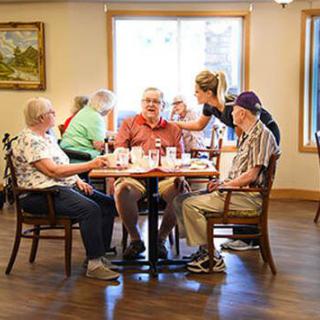
 Dining room
 Fully furnished
 Garden
 Housekeeping services
 Kitchenette
 Move-in coordination
 Outdoor space
 Telephone
 Wi-Fi/high-speed internet available
 24-hour call system
 Activities of daily living assistance
 Assistance with bathing
 Assistance with dressing
 Assistance with transfers
 Diabetes diet
 Meal preparation and service
 Medication management
 Mental wellness program
 Special dietary restrictions
 Transportation arrangement (medical)
 Transportation to doctors appointments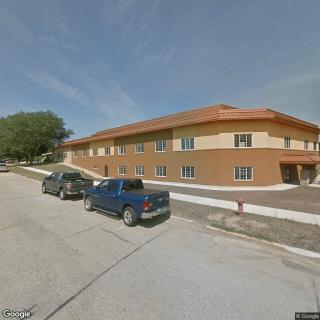




 How and When Medicaid May Cover Assisted Living Costs
 A Detailed Exploration of Assisted Living Medicaid Waivers Across the United States
 Comprehensive Residential Support and Assisted Living Solutions for Individuals with Disabilities