211 6th St NW, Winnebago, MN 56098
To contact a resident: (507) 893-3171
For more information about senior living options: (866) 208-4318
Parker Oaks Senior Living Costs & Pricing
At Parker Oaks Senior Living, the monthly cost for a one-bedroom apartment is $1,890, which positions it competitively against both Martin County and the broader Minnesota state averages. In Martin County, the average cost for similar accommodations is slightly lower at $1,774, indicating that Parker Oaks may offer additional amenities or services that justify its higher price point. When compared to the statewide average of $2,893 in Minnesota, Parker Oaks presents a more affordable option while still maintaining high standards of care and comfort. This pricing structure reflects a commitment to providing quality senior living options that balance affordability with exceptional service in a welcoming community.
| Floor plans | Parker Oaks Senior Living | Martin County | Minnesota |
|---|---|---|---|
| 1 Bedroom | $1,890 | $1,774 | $2,893 |
Assisted Living communities with a similar price nearby
-
from +$70 / mo
Vista Prairie at Goldfinch Estates
$1,960 to $3,225 / month16.6 miles away -
from -$200 / mo

Truman Manor Apartments
$1,690 / month13.2 miles away
Overall Review of Parker Oaks Senior Living
Pros
 The staff were nice.
- The new part is nicer than the older section.
- Wonderful staff and facility.
- The homecare staff has always been personable and helpful.
- The joy and laughter from the residents brings smiles daily.
- They’re doing some great things there.
- The staff on site are tireless and deserve thanks for their efforts.
Cons
 Changes were not positive.
- Services now come in bundles, making it the most expensive option.
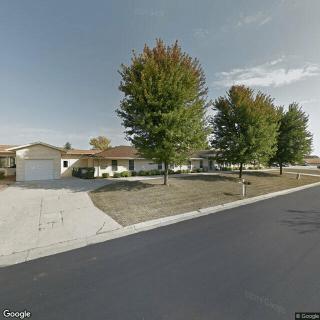
- The layout is not good for an elderly person.
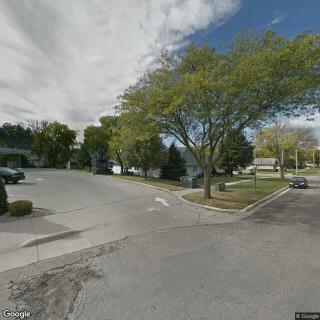
- The view can be dreadful depending on the room location.
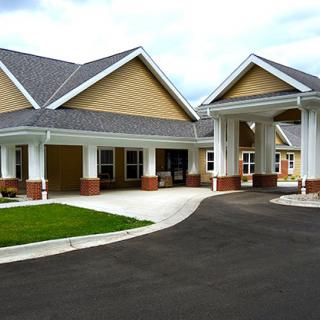
- Parking is very limited.
Review
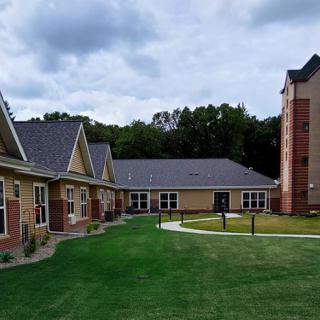
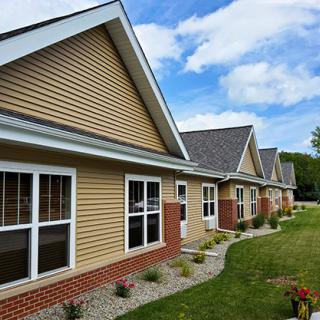
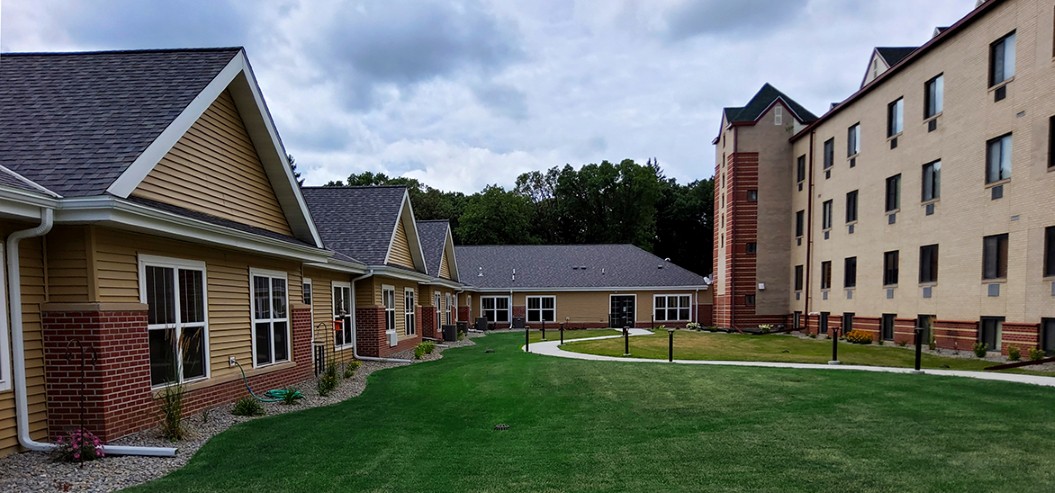
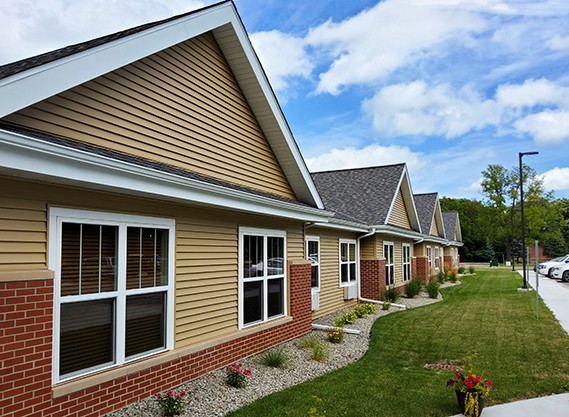
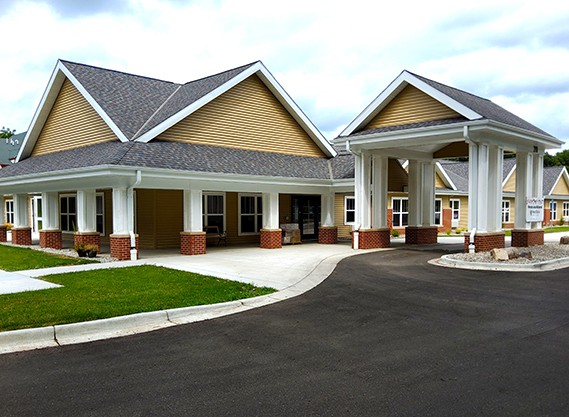
Parker Oaks Senior Living in Winnebago is best suited for seniors who want a warm, neighborly small-town atmosphere and are comfortable with a campus that is both aging in places and being refreshed. Families that prize accessible, personable staff and an engaged resident life will find real value in this community, especially where a newer wing promises brighter spaces while the older sections still serve as functional living areas. The setting appeals to those who prefer a quieter pace and a venue that is not in a major city, with staff who are approachable and resident-focused. For residents who can tolerate ongoing updates and a Medicare-like bundle pricing model, Parker Oaks offers a pragmatic blend of care, interaction, and incremental modernization.
Those weighing options should note who may want to consider alternatives. If cost control is a top priority, Parker Oaks can be a tough fit since ownership changes have shifted services into bundles, making it one of the more expensive choices in the area. Mobility needs matter as well; the layout can be awkward for someone with significant mobility challenges, and the space planning is not uniformly friendly for those who require easy navigation. Parking is limited during expansion, a practical drawback for visits and move-ins, and the ongoing construction introduces scheduling friction and accessibility hiccups. For families seeking a long-standing ownership record with uninterrupted pricing and a consistently quiet campus, other communities may offer a more predictable experience.
The main positives, strong, personable staff and a lively, affectionate resident environment, are meaningful compensations for several cons. The resident experience is described as joyful, with staff who bring warmth to daily life and a homecare team that feels personable and helpful. The newest portion of the facility is brighter and more modern, which can elevate daily living and safety. When paired with a small-town ambiance, these factors create a sense of belonging and stable social engagement that can outweigh some layout drawbacks, particularly for seniors who rely on consistent, human-centered care and a supportive community network.
But the expansion reality cannot be ignored. Parking constraints and evolving access routes during construction can complicate arrivals, transitions, and routine visits. The temporary inconveniences are real, yet they sit against a longer-term upside: upgraded amenities, safer common areas, and a refreshed campus that should improve everyday living as construction winds down. Views from rooms vary, some offer appealing scenery while others are less coveted, but careful room selection can mitigate this. Ownership changes inject a degree of uncertainty about long-term continuity, which matters for families seeking a stable caregiving plan and predictable governance.
Who should consider Parker Oaks as the primary choice? Those who value a high-touch, socially active environment and are prepared to pay for bundled services that promise comprehensive care and a cohesive on-site experience. It is a fit for families who want a dependable homecare partner integrated with the facilities team and who appreciate the warmth of staff that shows up consistently for residents. It suits seniors who enjoy a small-town vibe, are comfortable with ongoing upgrades, and can tolerate periodic construction without conceding on daily quality of life. For seniors seeking a simpler, lower-cost option, or for those who require flawless mobility-friendly design with instant access and parking, alternatives may be a stronger fit.
Practical next steps involve deliberate, on-site evaluation. Schedule multiple tours at different times to observe staff interactions and daily routines, and physically walk the corridors to assess whether the layout aligns with mobility needs. Request a current, itemized price sheet that explains the bundled services and what is included. Inquire about the ownership transition and the concrete timeline for expanded parking and improved access. Speak with the activities team about daily life and with any available homecare staff about how at-home services integrate with on-site care. If these factors align with priorities, engaged staff, visible investment, and a practical path to a supportive, socially rich environment, Parker Oaks becomes a compelling, non-negligible option. If not, it remains prudent to compare alternatives with steadier pricing, more consistent layouts, and fewer construction impacts.
 Assisted Living
 Cats allowed
 Dogs allowed
 Activities on-site
 Beautician on-site
 Devotional services off-site
 Indoor common areas
 Outdoor common areas
 Wi-Fi/high-speed internet available
 Ambulatory care
 Diabetic care
 Incontinence care
 Medication management
 Guest meals
 Art classes
 BBQs or picnics
 Birthday parties
 Cooking classes
 Day trips and outings
 Live musical performances
 Trivia games
 Yoga / chair yoga




 Assisted Living and Memory Care: Understanding Their Core Differences
 Beyond the Bingo Hall: 50+ Enriching Activities for Seniors in Assisted Living
 Understanding the Distinctions: Assisted Living and Memory Care Explained