United Hospital District

Save

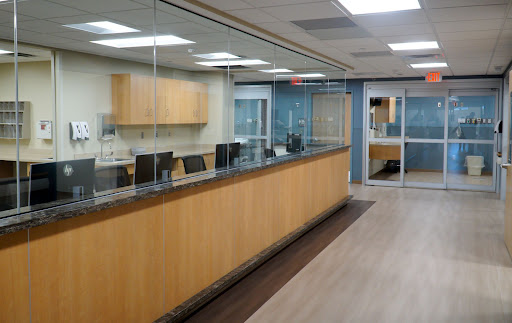
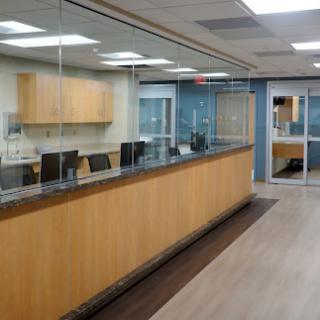
  • Interior

    A modern office reception area featuring a wooden counter and glass partition.
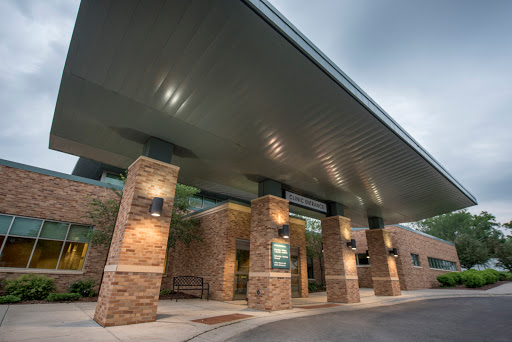
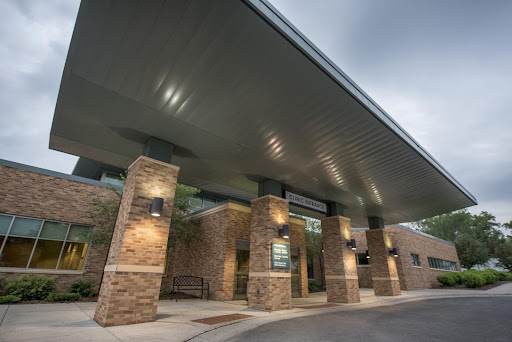
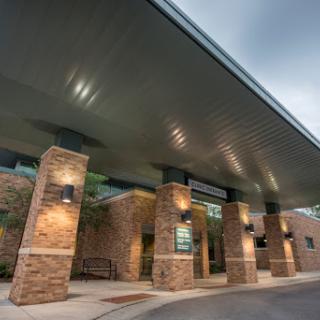
  • Building

    A modern brick building entrance featuring a sleek overhang and stylish lighting.
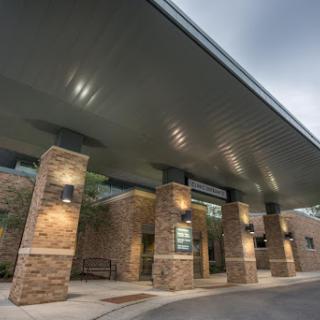
  • Architecture

    A contemporary building entrance featuring a striking stone façade and a modern roof design.
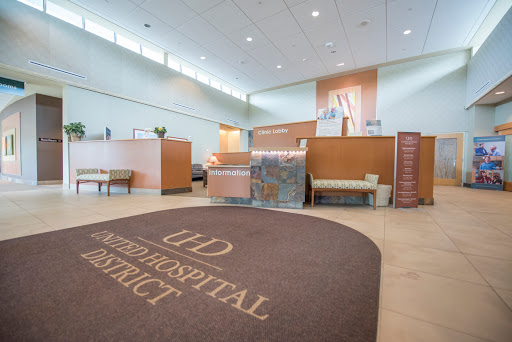
  • Lobby

    A welcoming lobby of a hospital with a reception area and comfortable seating.
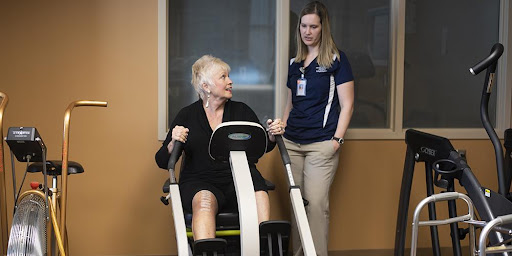
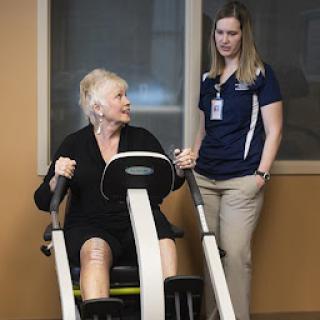
  • Exercise Equipment

    An elderly woman engages in a fitness exercise with the guidance of a trainer.
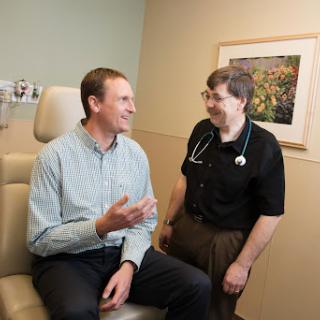
  • Healthcare

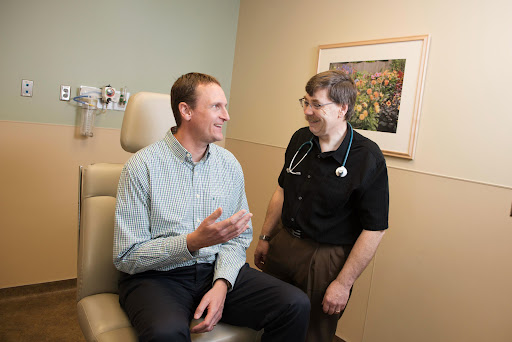
    A doctor and patient engage in a friendly conversation during a medical consultation.
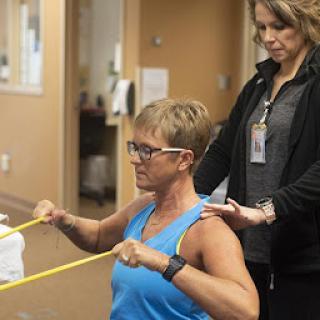
  • Fitness

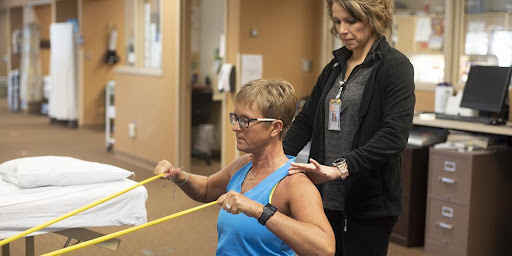
    A person participating in physical therapy using resistance bands, guided by a therapist.

United Hospital District

125 South Main Street, Blue Earth, MN 56013

For more information about senior living options: (844) 490-3973

3 from 59 reviews
5 stars
26
4 stars
4
3 stars
1
2 stars
1
1 stars
27

Assisted Living

Overall Review of United Hospital District

Pros

  • pro The staff were fantastic from check-in through care and checkout.
  • pro Patients were treated with respect, kindness, and professionalism.
  • pro Dr. David was praised for kindness and patience.
  • pro The lab staff were nice and made blood draws less miserable.
  • pro Dr. Su was described as patient, understanding, and caring.
  • pro The hospital was described as having great people and a great environment.

Cons

  • pro A nurse asked if they still wanted to be seen, implying they should give up waiting.
  • pro The infant was given Benadryl to help him sleep, which was viewed as inappropriate for an 8-month-old.
  • pro Staff repeatedly labeled the baby as "just fussy" despite clear signs of distress.
  • pro They waited for hours with little to no follow-up or check-ins on the baby's condition.
  • pro Billing errors occurred, including an overcharge due to wrong information and a preventive-to-diagnostic switch without advance notice.
  • pro Unconsented pregnancy and job drug tests were billed, raising concerns about upcoding and improper charges.
  • pro An ER doctor was described as uncaring, cold, and unprofessional.

Review

A single healthcare facility can feel like a sanctuary to some and a source of frustration to others, all at once. The collection of reviews and anecdotes from this hospital and its clinics paints a portrait of a place where excellent, compassionate care exists alongside disquieting gaps in communication, consistency, and bedside manner. Across the stories, patients describe moments of genuine kindness and clinical competence - especially in the clinic and laboratory settings - while other encounters in the emergency department and billing processes reveal serious concerns about triage decisions, listening, and transparency.

One family's account of an 8-month-old emergency visit stands out for its intensity. The child began screaming uncontrollably the moment they tried to lay him down to sleep, with vomiting, gagging, and labored breathing, accompanied by a bubbling sound in the stomach. After overnight wait times in the lobby, a nurse questioned whether they still wanted to be seen, and the eventual assessment was brief: vitals, an ear check, then chest and abdominal x-rays. No temperature was recorded, and by the time imaging was complete, it was deep into the night. The doctor reportedly found nothing alarming on the x-rays and left, while the baby's distress persisted. Hours later, a Benadryl dose was administered and framed as a sedative to help the child sleep, rather than a targeted treatment for a suspected condition. The family felt the infant's extreme distress was dismissed as simple fussiness, which they firmly disagreed with. The discharge later labeled the episode as "fussy baby," a diagnosis they felt failed to acknowledge the severity of the symptoms.

Beyond this intense pediatric experience, there are numerous positive notes about the clinic and some of its clinicians. Several reviews praise the staff for friendliness, respect, and professionalism throughout the patient journey, from check-in to check-out. "The staff was fantastic," one reviewer wrote, highlighting a sense of care that extended from the check-in desk to the exam room, with specific appreciation for Dr. Trite and the team. Others singled out Dr. David and his nurses, as well as the x-ray technician, for their patience and attentiveness. A recurring theme is the "small-town" warmth and the feeling that the clinicians genuinely want to help, with comments like "great people, great hospital" and "the care I have received has been exceptional." In the clinic and lab settings, patients feel supported by Dr. Su, whose patient-centered approach and clear explanations are consistently praised, along with lab staff who make the less pleasant procedures feel more manageable.

However, not all experiences align with the positive arc. Several reviewers report billing and administrative frustrations that undermine trust and patient satisfaction. One account describes being overcharged by about $500 after a miscommunication about a preventive procedure versus a diagnostic one, with the patient faulted for a change that the physician should have communicated in advance. Another patient recounts paying out of pocket for a drug test that unexpectedly included a pregnancy test, a test not requested and not authorized by the patient. The one common thread is a perception that billing practices and test authorizations were not communicated clearly, leaving patients feeling misinformed and financially exposed. Some even wonder aloud if upcoding or a lack of transparency is at play, especially when insurance coverage was impacted by the way services were coded.

In the realm of mental health and crisis care, a particularly troubling review stands out. A patient who had attempted suicide described being connected to an IV and then vomit-inducing nausea. They felt unable to move without triggering another episode of vomiting and received a response that included criticism about where the vomit landed. The emphasis on the vomit bag, rather than on the patient's acute emotional and physical crisis, left a lasting impression of judgment and insensitivity. This account underscores the critical need for nonjudgmental, compassionate care, especially when patients present in vulnerable states and require urgent, empathetic attention.

Several reviews focus on emergency department dynamics more broadly, highlighting a tension between the realities of an overwhelmed ED and the expectations of patients for timely, thorough, and respectful care. Some patients describe long waits before any meaningful discussion about diagnosis or treatment, with comments about repeated delays in getting to a room, check-ins, and test results. A recurring frustration is the sense that some providers were more dismissive or hurried than patient-centered, particularly when dealing with pre-existing conditions or complex pain issues. One review specifically criticized an ED physician for being uncaring and abrupt, repeating a diagnosis in a manner that felt more punitive than informative. Others recount waiting for basic procedures - like imaging - while feeling that the urgency of the situation wasn't acknowledged in the moment.

Still, the overall picture is not one of uniform despair. Several reviewers who interacted with specialists and clinic staff highlight the positive impact of good communication, empathy, and clear explanations. The doctors and nurses who took the time to listen, validate concerns, and explain next steps left a lasting impression of competent, thoughtful care. The contrast between these experiences and the negative ED encounters seems to hinge on context: acuity, department bottlenecks, and the specific clinicians involved. The phrases of praise - "amazing," "wonderful," "incredibly supportive" - coexist with accusations of disrespect, miscommunication, and inadequate attention in other corners of the same hospital ecosystem.

In sum, the hospital and its affiliated clinics present a dual reality. There are many stories of skilled clinicians, compassionate nurses, and efficient lab personnel who treat patients with genuine care and offer explanations that empower patients to participate in their own care. At the same time, there are serious concerns about emergency department handling, patient-physician communication, and the transparency of billing and test practices. The most constructive takeaway across these accounts is a call for improved triage in the ED, more consistent listening and patient-centered communication, and greater transparency around tests, procedures, and billing. When these elements align, the facility shines; when they don't, patients leave with a sense of being undervalued or underserved, especially in moments of vulnerability.

Features

Housing

  • 21 resident community capacity 21 resident community capacity

Types of Care

  • Assisted Living Assisted LivingAssisted living facilities provide crucial support and care for seniors who may need help with daily tasks such as medication management, bathing, and meal preparation. These communities offer a safe and comfortable environment where seniors can maintain their independence while receiving the assistance they need to thrive in their golden years.

Amenities

  • Beauty salon Beauty salonBeauty salons are important for seniors because they provide a space for them to feel pampered, socialize, and maintain their personal grooming and hygiene. Regular visits to a beauty salon can help boost seniors' self-esteem and overall well-being.
  • Cable or satellite TV Cable or satellite TVCable or satellite TV is important for seniors because it provides entertainment, news, and companionship, helping to combat loneliness and boredom. It also offers a wide range of programming options tailored to different interests and preferences.
  • Dining room Dining roomDining rooms are important for seniors as they provide a space for socialization, connection, and nutritious meals. They offer opportunities for residents to bond over shared meals, foster a sense of community, and promote healthy eating habits. Dining rooms also ensure that seniors have access to well-balanced meals tailored to their dietary needs and preferences.
  • Fully furnished Fully furnishedFully furnished senior living communities are important for seniors because they provide convenience, comfort, and a hassle-free moving experience. Seniors can easily settle into their new living space without the stress of having to buy and move furniture. This allows them to focus on enjoying their new home and community.
  • Garden GardenGardens are important for seniors as they provide a peaceful and therapeutic environment for relaxation, physical activity, and socialization. Being in nature has been shown to reduce stress, improve mood, and promote overall well-being. Gardens also offer opportunities for seniors to engage in gardening activities, which can improve mobility, flexibility, and cognitive function. Additionally, gardens create a sense of community and connection with others who share a passion for plants and outdoor spaces.
  • Housekeeping services Housekeeping servicesHousekeeping services are important for seniors because they help maintain a clean and safe living environment, promote independence, and reduce the risk of accidents or illnesses. Additionally, having assistance with household chores can alleviate physical strain and allow seniors to focus on other aspects of their well-being.
  • Kitchenette KitchenetteKitchenettes are important for seniors living in senior living communities because they provide the convenience and independence of being able to prepare simple meals and snacks in the comfort of their own living space. This can help promote a sense of autonomy and well-being for seniors, allowing them to maintain some level of control over their dietary choices and daily routines.
  • Move-in coordination Move-in coordinationMove-in coordination is important for seniors because it helps ease the transition into their new living environment. It ensures that all logistics, such as packing, organizing movers, and setting up utilities are taken care of, allowing seniors to focus on settling in and adjusting to their new home. Having a smooth move-in process can alleviate stress and anxiety, making the transition smoother and more enjoyable for seniors.
  • Outdoor space Outdoor spaceOutdoor spaces are important for seniors as they provide opportunities for physical activity, social interaction, exposure to natural light and fresh air, and a sense of connection to nature. Having access to outdoor spaces can improve overall well-being and quality of life for older adults living in senior communities.
  • Telephone TelephoneTelephones are important for seniors as they provide a lifeline for communication with loved ones, emergency services, and healthcare providers. They offer a sense of security and independence, enabling seniors to stay connected and access assistance when needed.
  • Wi-Fi/high-speed internet available Wi-Fi/high-speed internet availableWi-Fi/high-speed internet is important for seniors to stay connected with loved ones, access online resources, and participate in virtual activities to combat feelings of loneliness and isolation. It also allows them to easily manage healthcare needs, access entertainment, and engage in lifelong learning opportunities.

Care Services

  • 24-hour call system 24-hour call system24-hour call systems are important for seniors because they provide peace of mind and immediate assistance in case of emergencies. This technology ensures that help is always available, promoting safety and security for elderly individuals living alone or in assisted living facilities.
  • 24-hour supervision 24-hour supervision24-hour supervision is important for seniors to ensure their safety, well-being, and access to immediate assistance in case of emergencies or health issues. This constant support provides peace of mind for both seniors and their loved ones, allowing them to age in place with dignity and security.
  • Activities of daily living assistance Activities of daily living assistanceActivities of daily living assistance are important for seniors because they provide essential support with tasks such as eating, bathing, dressing, and mobility. This assistance helps seniors maintain their independence, dignity, and overall quality of life as they age.
  • Assistance with bathing Assistance with bathingAssistance with bathing is crucial for seniors as it helps maintain personal hygiene, prevents infections, and ensures their overall well-being and comfort. It also provides a sense of dignity and independence for seniors who may struggle with this task on their own.
  • Assistance with dressing Assistance with dressingAssistance with dressing is important for seniors because it helps maintain their independence, promotes personal hygiene, prevents accidents and injuries, and improves overall quality of life. This service ensures that seniors can continue to dress comfortably and confidently, despite any physical limitations they may have.
  • Assistance with transfers Assistance with transfersAssistance with transfers is crucial for seniors as it helps prevent falls and injuries, maintains their independence, and ensures they can safely navigate their living environment. It also provides peace of mind for both seniors and their loved ones.
  • Coordination with health care providers Coordination with health care providersCoordination with health care providers is crucial for seniors to ensure proper medical care, medication management, and overall well-being. This collaboration helps prevent overlapping treatments, track progress more effectively, and provide comprehensive support tailored to individual needs.
  • Diabetes diet Diabetes dietA diabetes diet is crucial for seniors as it helps manage blood sugar levels, reduce risks of complications, and improve overall health and well-being. By following a balanced and nutritious diet tailored to their specific needs, seniors can better control their diabetes and enhance their quality of life.
  • Meal preparation and service Meal preparation and serviceMeal preparation and service are crucial for seniors as they may have limited mobility or energy to cook nutritious meals. Having access to healthy and convenient food options can ensure they are getting the proper nutrition needed to maintain their overall health and well-being.
  • Medication management Medication managementMedication management is crucial for seniors to ensure they are taking the right medications at the correct dosages and times. This helps prevent adverse drug interactions, reduces the risk of medication errors, and promotes overall health and well-being. Proactive management also allows for adjustments as needed based on changing health conditions or new prescriptions.
  • Mental wellness program Mental wellness programMental wellness programs are essential for seniors as they promote cognitive stimulation, emotional support, and social engagement. These programs help prevent isolation, depression, and cognitive decline, ultimately enhancing the overall quality of life for older adults.
  • Special dietary restrictions Special dietary restrictionsSpecial dietary restrictions are important for seniors because age-related changes in metabolism and health conditions can make it difficult for their bodies to process certain foods. By following a diet tailored to their specific needs, seniors can maintain their overall health and well-being, manage chronic conditions, and reduce the risk of complications such as malnutrition or food interactions with medications.
  • Transportation arrangement (medical) Transportation arrangement (medical)Transportation arrangements for medical purposes are essential for seniors as they may have difficulty driving themselves to appointments or accessing public transportation. Having reliable and safe transportation options ensures that seniors can receive timely medical care and maintain their health and well-being.
  • Transportation to doctors appointments Transportation to doctors appointmentsTransportation to doctors' appointments is crucial for seniors as it ensures they have access to necessary medical care and support for their health needs. Without reliable transportation, seniors may struggle to attend important appointments, leading to potential delays in treatment and health complications. Providing transportation services helps seniors maintain their overall well-being and quality of life.
Dining

  • Diabetes diet Diabetes dietA diabetes diet is crucial for seniors as it helps manage blood sugar levels, reduce risks of complications, and improve overall health and well-being. By following a balanced and nutritious diet tailored to their specific needs, seniors can better control their diabetes and enhance their quality of life.
  • Special dietary restrictions Special dietary restrictionsSpecial dietary restrictions are important for seniors because age-related changes in metabolism and health conditions can make it difficult for their bodies to process certain foods. By following a diet tailored to their specific needs, seniors can maintain their overall health and well-being, manage chronic conditions, and reduce the risk of complications such as malnutrition or food interactions with medications.

Activities

  • Community-sponsored activities Community-sponsored activitiesCommunity-sponsored activities are important for seniors as they provide opportunities for social interaction, mental stimulation, and physical activity. These activities can help improve overall well-being, combat loneliness and isolation, and promote a sense of belonging and purpose among older adults.
  • Resident-run activities Resident-run activitiesResident-run activities are important for seniors as they encourage social interaction, creativity, and a sense of autonomy. These activities empower seniors to stay engaged and active in their community while fostering meaningful connections with their peers.
  • Scheduled daily activities Scheduled daily activitiesScheduled daily activities are important for seniors because they provide structure, socialization, mental stimulation, and physical activity. Engaging in regular activities can improve overall well-being and quality of life for seniors living in a community setting.

Description

The United Hospital District in Blue Earth, MN is an assisted living community that offers a variety of amenities and care services to ensure the comfort and well-being of its residents.

The community provides fully furnished accommodations with cable or satellite TV, Wi-Fi/high-speed internet, and telephone services. Each unit also comes with a kitchenette for added convenience. Housekeeping services are available to maintain a clean and organized living space.

Residents can enjoy spending time outdoors in the garden or other outdoor spaces provided. Move-in coordination is offered to assist residents with settling into their new environment seamlessly.

In terms of care services, 24-hour supervision is provided to ensure the safety and security of all residents. Trained staff members are available to provide assistance with activities of daily living such as bathing, dressing, and transfers. The community also coordinates with healthcare providers for seamless medical care.

For those with special dietary needs, the community offers diabetes diets and accommodates special dietary restrictions. Residents can enjoy delicious meals prepared and served by the staff.

To promote mental well-being, a mental wellness program is in place which provides support and resources for emotional health.

Transportation arrangements are made for medical appointments as well as regular visits to doctors. This ensures that residents can easily access necessary medical care conveniently.

Residents have plenty of opportunities for social engagement through resident-run activities and scheduled daily activities organized by the staff. This encourages socialization and promotes an active lifestyle within the community.

Additionally, there are three parks nearby where residents can take walks or enjoy outdoor activities. One pharmacy is conveniently located nearby along with two physicians' offices for easy access to healthcare services. Numerous restaurants provide dining options for outings or special occasions while 11 places of worship cater to different religious preferences within close proximity.

Overall, the United Hospital District in Blue Earth, MN offers a comfortable living environment with comprehensive care services and ample amenities to meet the unique needs of each resident while promoting an active and fulfilling lifestyle.

Nearby Places of Interest

Restaurants

  • Country Kitchen (0 miles)
  • China Restaurant (0.6 miles)
  • El Tio Restaurant (0.6 miles)
  • Cedar Inn (0.6 miles)
  • Subway (0.9 miles)
  • Kerry (1 miles)
  • McDonald's (1.1 miles)

Places of Worship

  • First Baptist Church (0.1 miles)
  • Trinity Lutheran Church (0.1 miles)
  • Cornerstone Evangelical Free Church (0.1 miles)
  • First Presbyterian Church (0.1 miles)
  • St Paul Lutheran Church (0.2 miles)
  • Life Family Church Blue Earth (0.2 miles)
  • Hope United Methodist Church (0.2 miles)

Physicians

  • United Hospital & Clinic (0.3 miles)
  • Southern Minnesota Surgical (0.3 miles)
  • Center for Specialty Care (17.2 miles)
  • Center for Primary Care (17.2 miles)
  • Fairmont Orthopedics & Sports Medicine PA (17.2 miles)
  • Dulcimer Medical Center (17.4 miles)

Parks

  • Putnam Park (0.6 miles)
  • Steinberg Nature Park (1 miles)
  • Green Giant Statue Park (1 miles)
  • Walnut Lake State Wildlife Management Area (16.2 miles)
  • Veterans Park (17.7 miles)
  • Fairmont Aquatic Park (17.8 miles)

Pharmacies

  • Blue Earth Drug (0.6 miles)
  • Walgreens (17.2 miles)
  • Sterling Drug - Five Lake Centre (17.3 miles)
  • Sterling Stores (17.4 miles)
  • Sterling Pharmacy (17.4 miles)

Hospitals

  • Center For Specialty Care (0.6 miles)
  • Fairmont Medical Center-Mayo Health - Sam Meals MD (17.4 miles)
  • Fairmont Medical Center (17.4 miles)

Transportation

  • U-Haul Neighborhood Dealer (1.2 miles)
  • Brown Truck Lease (16.9 miles)
  • U-Haul Moving & Storage (17.4 miles)
  • Fair Lakes Transportation (17.6 miles)

Cafes

  • Caribou Coffee (17.2 miles)

Frequently Asked Questions

Where is United Hospital District?
What photos are available for United Hospital District in Blue Earth, Minnesota?

Nearby Communities

Related Resources

  • assisted living insuranceAssisted Living Expenses and Long-Term Care Insurance: A Comprehensive Exploration

    The article discusses assisted living expenses, the importance of long-term care insurance in covering these costs, and various financing options, highlighting the need for careful policy review and early planning to address potential needs. It also clarifies common misconceptions about Medicare and private health insurance limitations regarding long-term care coverage.

  • how to pay for assisted livingSecuring Financial Support for Assisted Living: A Comprehensive Overview

    Assisted living facilities offer crucial support for older adults needing help with daily activities but come with varying and significant costs, which can be financed through personal savings, government assistance programs, long-term care insurance, and home equity options. Professional guidance from experts can aid families in navigating these financial complexities to establish a sustainable budgeting approach for assisted living services.

  • assisted living for seniors on social securitySocial Security Benefits and Assisted Living: Navigating Options Across the U.S.
    Assisted living costs often exceed Social Security benefits, necessitating a combination of funding sources like state aid and Medicaid. Understanding the interaction between Social Security programs and available financial support is essential for affording such care.