
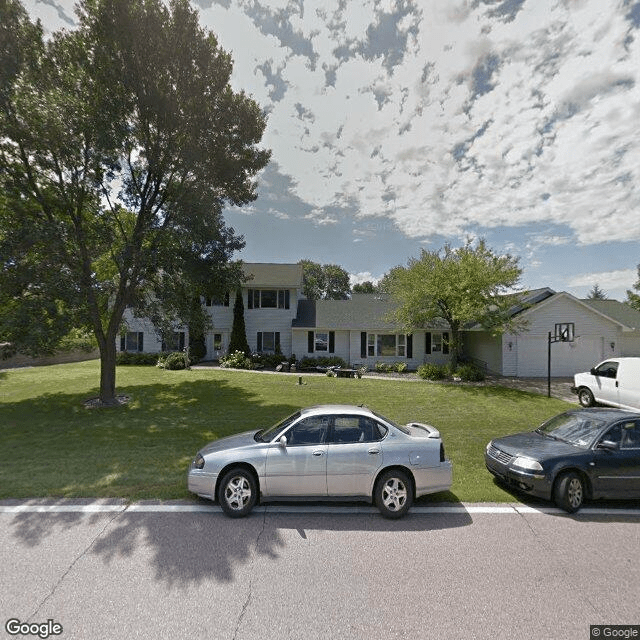
1885 Steiger Lake Ln, Victoria, MN 55386
To contact a resident: (952) 443-2735
For more information about senior living options: (866) 208-4318
Victoria Care Center Costs & Pricing
At Victoria Care Center, residents can take advantage of competitive pricing across various room types when compared to Carver County and the broader Minnesota region. For instance, a studio here is priced at $2,065, significantly lower than the county average of $3,349 and state median of $3,617. Residents seeking more space will find that the one-bedroom option at Victoria Care Center costs $2,685, which is higher than Carver County's rate of $2,049 but still remains below the state average of $2,893. The two-bedroom units are priced at $3,990 - this figure stands out when juxtaposed with both Carver County's $2,558 and Minnesota's average of $2,955. Lastly, for those requiring private accommodations, the cost mirrors that of Carver County at $4,000 but is notably less than the statewide price of $5,090. Overall, Victoria Care Center offers a blend of affordability and quality care that distinguishes it within the local landscape.
| Floor plans | Victoria Care Center | Carver County | Minnesota |
|---|---|---|---|
| Studio | $2,065 | $3,349 | $3,617 |
| 1 Bedroom | $2,685 | $2,049 | $2,893 |
| 2 Bedrooms | $3,990 | $2,558 | $2,955 |
| Private | $4,000 | $4,000 | $5,090 |
Senior living communities with a similar price nearby
-
About the same
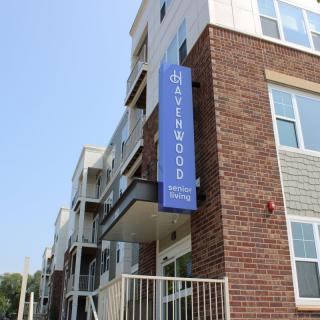
Havenwood of Buffalo
$2,080 to $3,665 / month23.7 miles away -
from +$185 / mo

The Kenwood
$2,250 to $3,000 / month19.7 miles away -
from -$365 / mo

Avidor Minnetonka, 55+ Active Adult Apartment Homes
$1,700 to $2,500 / month13.2 miles away -
from -$361 / mo
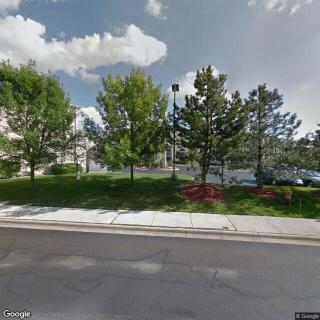
SummerWood of Plymouth
$1,704 to $3,945 / month14.1 miles away -
About the same

Tradition Living
$2,025 to $2,510 / month22.6 miles away
Overall Review of Victoria Care Center
Pros
 The place is amazing, and the staff are beyond friendly.
- It feels like home, not a sterile hospital.
- The owners live in the building and are there seven days a week to help the staff.
- The owners clearly care about what they are doing.
- The place is best in the county.
Cons
 Other care centers felt like hospitals—sterile and soulless.
- None of the other centers were comfortable; they seemed hospital-like and unwelcoming.
- The competing facilities were described as sterile, soulless, and impersonal.
Review
Victoria Care Center in Victoria, Minnesota, is best suited for seniors who prize a homey, non-clinical atmosphere and want hands-on, visible leadership. The community shines when residents and families value warmth, daily kindness, and a true sense of belonging over hospital-like polish. The ownership model is a strong differentiator: the owners live in the building and are on-site seven days a week to support the staff, intervene when needed, and reinforce a family-oriented routine. For someone seeking a polished, institution-like setting with highly regimented care pathways, this would not be the ideal match; the appeal here is the feeling of a genuine home with caretaking that reads as personal rather than impersonal.
Those weighing alternatives should consider residents with higher medical needs or more structured programming requirements. If a family requires robust clinical oversight, memory-care-specific protocols, or a larger campus offering diverse rehab and activity options, other communities in the county or region will likely deliver those services more comprehensively. The impressions available do not foreground formal medical niches, which suggests that Victoria Care Center prioritizes warmth and daily companionship over specialized medical programming. For families prioritizing clinical rigor or expansive therapy menus, it pays to look at options with greater scale and formalized protocols.
The strongest attributes are unmistakable. The staff are described as beyond friendly, creating an environment that feels welcoming rather than clinical. Visitors repeatedly note that the center avoids a sterile hospital vibe and instead cultivates a comforting, homelike ambiance. The on-site ownership presence reinforces this experience: owners living in the building and actively supporting staff seven days a week signal stability, accountability, and a hands-on commitment that permeates day-to-day resident interactions. That combination often translates into more reliable responsiveness, meaningful social connections, and a sense of being genuinely cared for.
Gaps in publicly shared information are the primary caveat arising from the reviews. No explicit downsides surface in the available impressions, but that absence itself warrants proactive verification. Families should seek confirmation on care levels, availability of rehab services, medication management, transportation, and daily living supports, ensuring these align with a loved one’s needs. The size implied by a close-knit setting could also influence privacy options, breadth of activities, and the pace of program expansion if needs evolve. A candid tour and direct questions about scheduling, staffing ratios, and what happens if care needs become more demanding will reveal whether the welcoming atmosphere remains sufficient.
Those trade-offs are where the favorable aspects offset the potential gaps. The owners’ visible involvement and the staff’s demonstrated warmth co-create a trusted, low-stress daily experience. For families prioritizing dependable oversight, rapid issue resolution, and a truly home-like environment, this combination often yields a higher daily quality of life than what a larger, more impersonal facility might offer. When a resident’s needs stay within assisted-living parameters rather than requiring hospital-grade medical acuity, the Victoria Care Center model delivers a compelling value: personal attention, continuity, and a culture of care that’s difficult to match elsewhere.
Bottom line: Victoria Care Center is a strong pick for families who want a warm, community-driven setting with owners who are present and invested. It excels at daily life quality, friendliness, and the sense of belonging that comes from a small-team, owner-led culture. For those who must rely on advanced medical care, extensive dementia programming, or expansive activity and therapy options, serious consideration of alternatives is warranted. Prospective buyers should tour with a practical checklist: confirm available care levels and staffing ratios, review meal plans and activity calendars, ask about transportation and assistance with daily tasks, and request a meeting with the owners to gauge alignment with a loved one’s preferences. An in-person assessment will reveal whether the homey atmosphere truly matches the required care trajectory.
 Board and Care Home
 Activities on-site
 Outdoor common areas
 Private
 Wheelchair accessible showers
 Minneapolis-St Paul International (22 miles away)
 Diabetic care
 High acuity care
 Meals provided
 Christian services


 A Detailed Exploration of Living Wills and Advance Directives
 Comprehensive Guide to Medicare Coverage for Hospice Care
 Caring for Those Who Care: Recognizing, Understanding, and Overcoming Caregiver Burnout