For more information about senior living options: (866) 208-4318
3.4 from 45 reviews
5 stars
24
4 stars
3
3 stars
0
2 stars
2
1 stars
16
The Lakes at Stillwater Costs & Pricing
The Lakes at Stillwater offers competitive monthly costs for its accommodations, especially when compared to both Washington County and the broader Minnesota market. For a studio apartment, residents can expect to pay $1,595, significantly lower than the county average of $4,066 and state average of $3,617. The pricing remains attractive with one-bedroom units available for $1,885, which is more affordable than Washington County's rate of $2,771 and slightly above Minnesota's average of $2,893. Two-bedroom options at The Lakes are priced at $2,815 - this is higher than the county's average of $2,762 but still below the state average of $2,955. Overall, The Lakes at Stillwater presents an appealing choice for those seeking quality living spaces in a cost-effective manner within this region.
Floor plans
The Lakes at Stillwater
Washington County
Minnesota
Studio
$1,595
$4,066
$3,617
1 Bedroom
$1,885
$2,771
$2,893
2 Bedrooms
$2,815
$2,762
$2,955
Memory care communities with a similar price nearby
Residents and families repeatedly describe the staff as helpful, kind, and responsive.
Across many reviews, people describe day-to-day interactions as friendly and supportive, from reception and nursing teams to maintenance help. Several residents specifically call out responsiveness and helpfulness when they needed support or guidance. Even among more critical reviews, commenters often separate strong day-to-day caregivers from concerns about management decisions. The community’s overall caregiving presence comes through as a major part of why families feel comfortable or, in some cases, frustrated.
common8 reviews mention this
Activities support everyday connection
The community offers scheduled activities that help residents stay social and engaged.
Multiple reviews mention a steady calendar of things to do, including life enrichment programs and group activities at community locations. Families also describe residents staying active and participating in activities that help them meet people. The activities list includes on-site and off-site devotionals, scheduled daily programming, day trips, and educational speakers, which aligns with the way residents describe having options available. Reviews also describe resident-run involvement and structured outings as part of the day-to-day feel.
common7 reviews mention this
Dining is a recurring highlight
Dining is frequently praised, with many reviewers describing good meals and service.
Several residents and families talk about good food in the dining room and choices like soups, sandwiches, and baked goods. Some reviewers also point to room dining options and a restaurant-style feel at least some of the time. The community offers restaurant style dining along with room service, meals provided, and a range of diet-related options, which matches the recurring mentions around meal quality and variety. A smaller number of comments suggest they’d like dining to be more restaurant-quality overall, but the overall theme is that meals matter here.
caveat6 reviews mention this
Memory care and care staffing raise issues
Some reviewers report concerns with memory care staffing and the level of support delivered.
Reviews focused on memory care describe mismatches between advertised dementia support and the care experience their families received. Commenters raise concerns about staffing adequacy, training for dementia needs, and inconsistent support as conditions changed. Separate reviews also mention care execution problems like call-button response time, missed or delayed medications, and safety-related incidents. While many reviews praise care, these recurring negative experiences point to a noticeable risk area for families evaluating memory care needs.
caveat4 reviews mention this
Billing and pricing can feel unpredictable
Some families describe steep billing changes, unclear charges, and delays with refunds.
A few negative reviews describe billing that rose quickly without changes in care needs, along with concerns about being overcharged or charged for services that were not used. Others mention difficulty getting help with appointments or disputes that lingered after a move-out. In contrast, the listing pricing range is relatively low compared to county and state benchmarks across unit types, suggesting cost is not simply “high” in every case. Taken together, reviews point more to billing clarity and consistency concerns than to sticker price alone.
How we summarize
Counts show how many written reviews mention each theme; a review can touch several themes, and only frequently mentioned themes are displayed.
Features
Housing
21 resident community capacity
Types of Care
Assisted Living
Independent Living
Memory Care
Pets
Cats allowed
Dogs allowed
Amenities
Activities off-site
Activities on-site
Air-conditioning
Beautician on-site
Beauty salon
Cable or satellite TV
Devotional services off-site
Devotional services on-site
Dining room
Fireplaces
Full kitchen
Fully furnished
Garden
Ground floor units
Handicap accessible
Housekeeping services
Indoor common areas
Kitchenette
Move-in coordination
Outdoor common areas
Outdoor space
Pet friendly
Telephone
Wheelchair accessible showers
Wi-Fi/high-speed internet available
Transportation
Minneapolis-St Paul International (22 miles away)
Care Services
24-hour call system
24-hour supervision
Activities of daily living assistance
Assistance with bathing
Assistance with dressing
Assistance with transfers
Coordination with health care providers
Dementia waiver
Diabetes diet
Diabetic care
Hospice waiver
Incontinence care
Meal preparation and service
Medication management
Mental wellness program
Mild cognitive impairment
Special dietary restrictions
Specialized memory care programming
Transportation arrangement (medical)
Transportation to doctors appointments
Dining
Anytime dining
Diabetes diet
Gluten-free
Guest meals
International cuisine
Low / no sodium
Meals provided
No Sugar
Organic
Professional chef
Restaurant style dining
Room service
Special dietary restrictions
Special dining programs
Vegan
Vegetarian
Activities
Art classes
Catholic services
Community-sponsored activities
Cooking classes
Day trips and outings
Devotional activities offsite
Devotional activities on-site
Educational speakers / life long learning
Jewish services
Karaoke
Live well programs
Protestant services
Resident-run activities
Scheduled daily activities
Visiting chaplain or priest
Nearby Places of Interest
This part of Stillwater, Minnesota offers a convenient and diverse array of amenities for seniors looking to settle in the area. With a variety of restaurants such as Culver's, Arby's, and Acapulco Mexican Restaurant nearby, there are plenty of dining options to choose from. Additionally, pharmacies like Cub Pharmacy and Walmart Pharmacy are readily accessible for any medical needs. The proximity to parks like Benson Park and Teddy Bear Park provides opportunities for outdoor recreational activities, while nearby physicians and hospitals ensure quality healthcare services. Places of worship such as St Paul Lutheran Church offer spiritual support, and cafes like Dock Cafe provide a cozy atmosphere for socializing. For entertainment, theaters like St Croix Hilltop Drive-In offer a fun outing option. Overall, this part of Stillwater combines convenience, healthcare access, and recreational opportunities that make it a great choice for senior living.
The Lakes at Stillwater offers competitive monthly costs for its accommodations, especially when compared to both Washington County and the broader Minnesota market. For a studio apartment, residents can expect to pay $1,595, significantly lower than the county average of $4,066 and state average of $3,617. The pricing remains attractive with one-bedroom units available for $1,885, which is more affordable than Washington County's rate of $2,771 and slightly above Minnesota's average of $2,893. Two-bedroom options at The Lakes are priced at $2,815 - this is higher than the county's average of $2,762 but still below the state average of $2,955. Overall, The Lakes at Stillwater presents an appealing choice for those seeking quality living spaces in a cost-effective manner within this region.
The Lakes at Stillwater offers a comprehensive range of features specifically designed to support residents with varying stages of dementia or Alzheimer's disease, ensuring their safety and enhancing their quality of life. The 24-hour supervision provides a secure environment where trained staff can respond immediately to the needs of residents, while assistance with activities of daily living, such as bathing and dressing, promotes dignity and comfort. Coordination with healthcare providers enables personalized medical attention, and the dementia waiver allows for tailored support plans that align with individual capabilities. Incontinence care and specialized meal preparation ensure that residents' personal needs are met compassionately. Medication management is crucial for maintaining health stability, alongside a mental wellness program that addresses cognitive challenges through engagement in meaningful activities. Additionally, transportation arrangements for medical appointments enhance accessibility to essential healthcare services, while specialized memory care programming focuses on cognitive stimulation appropriate for individuals with mild cognitive impairment or advanced dementia stages. Together, these features create an environment that fosters both physical well-being and emotional security for residents navigating the complexities of memory loss.
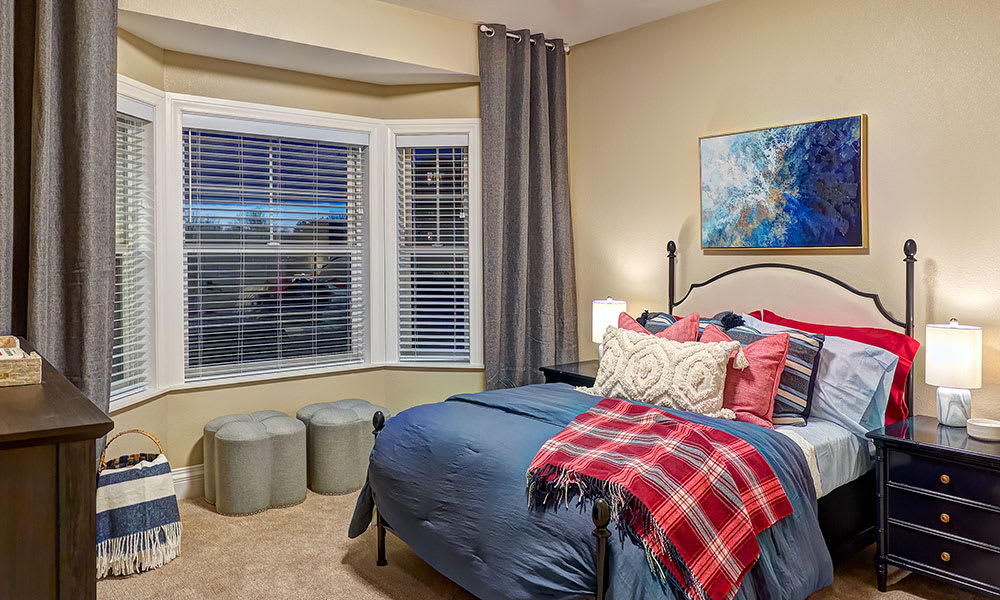
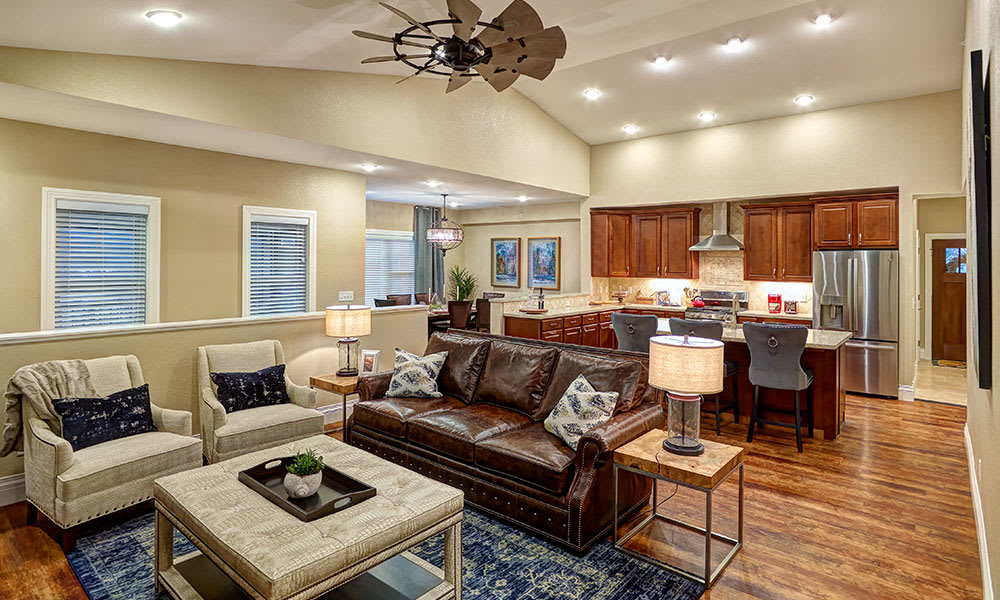
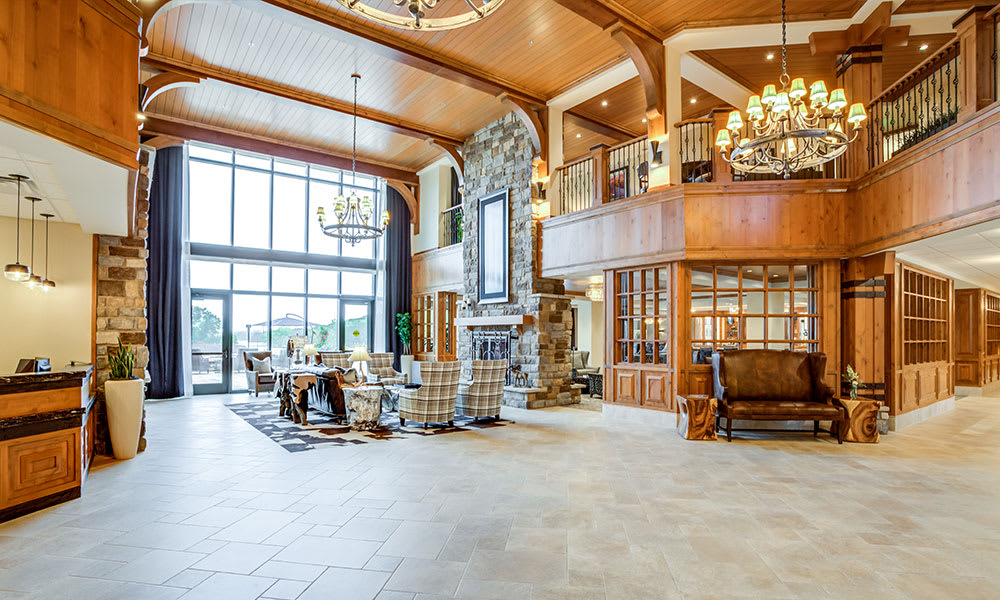
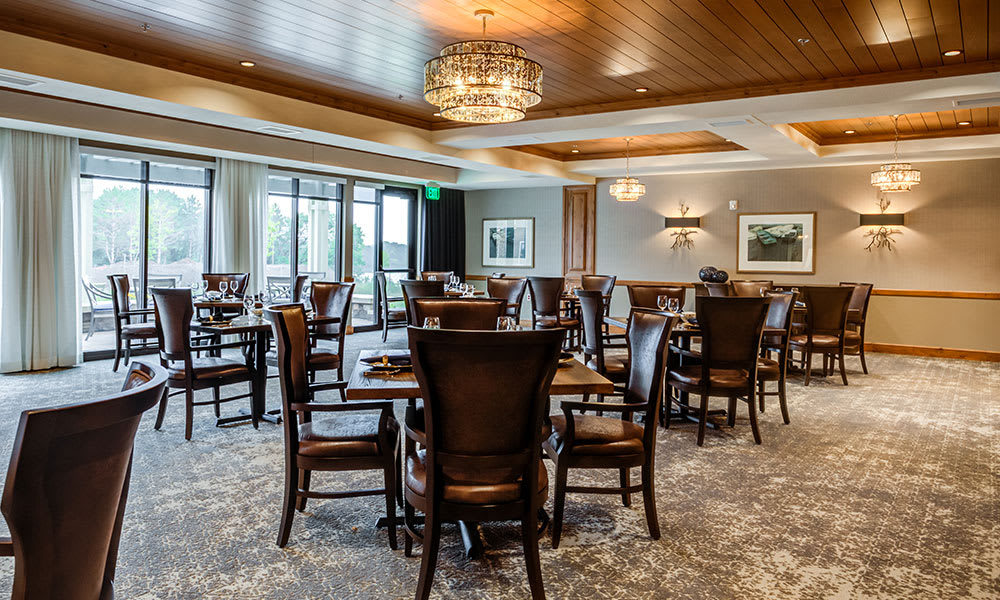
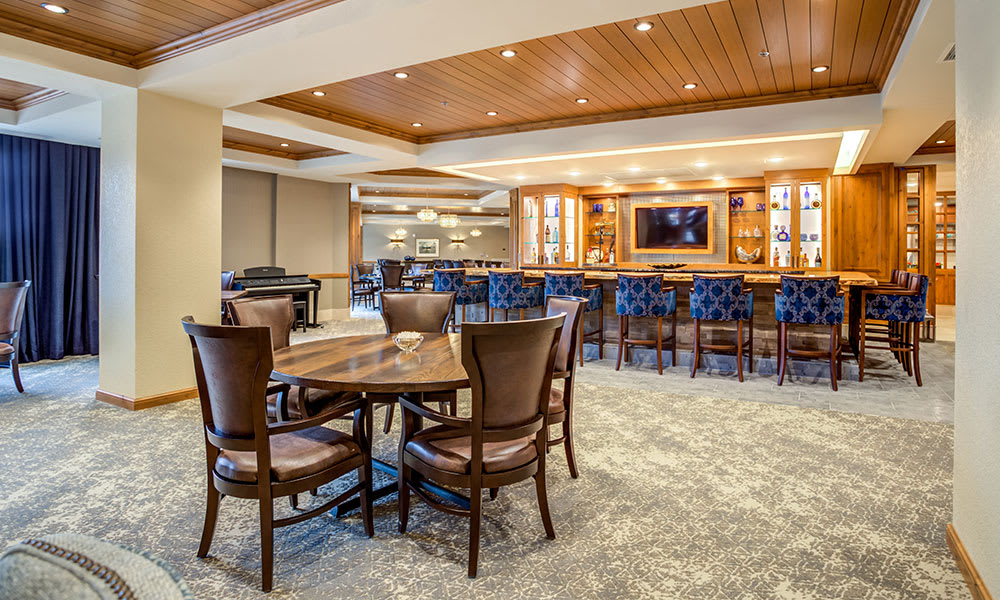
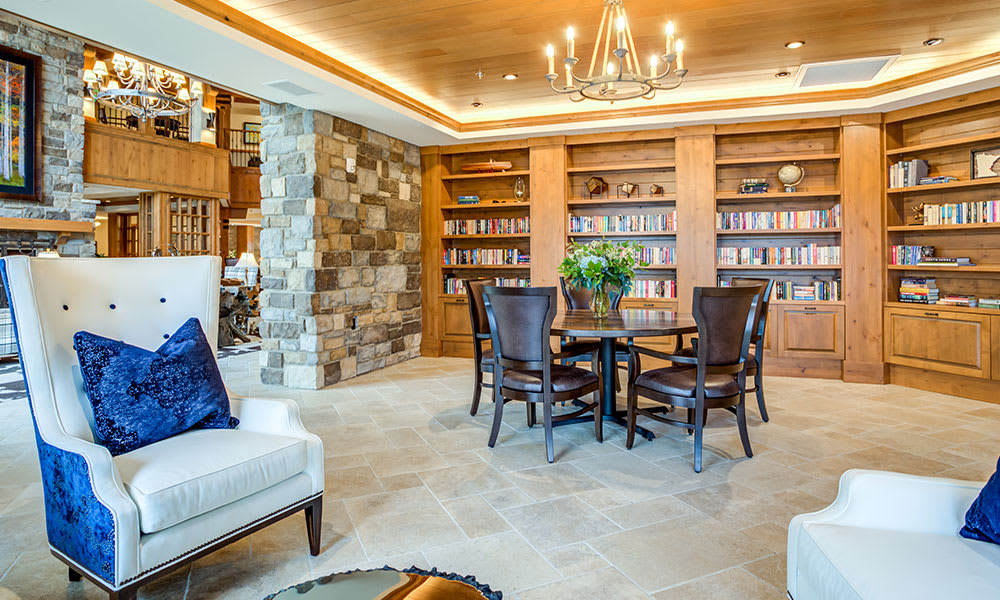
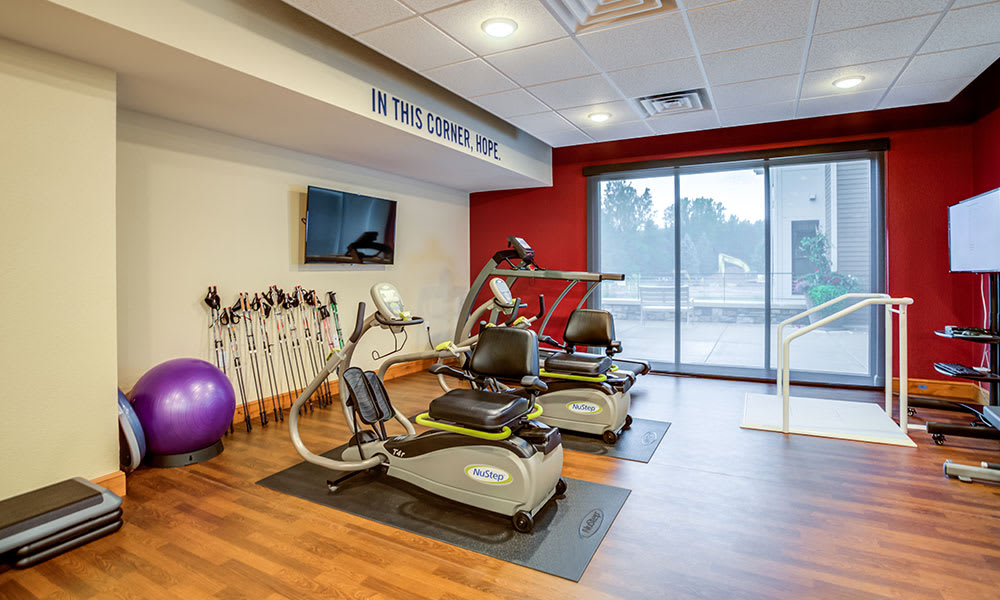
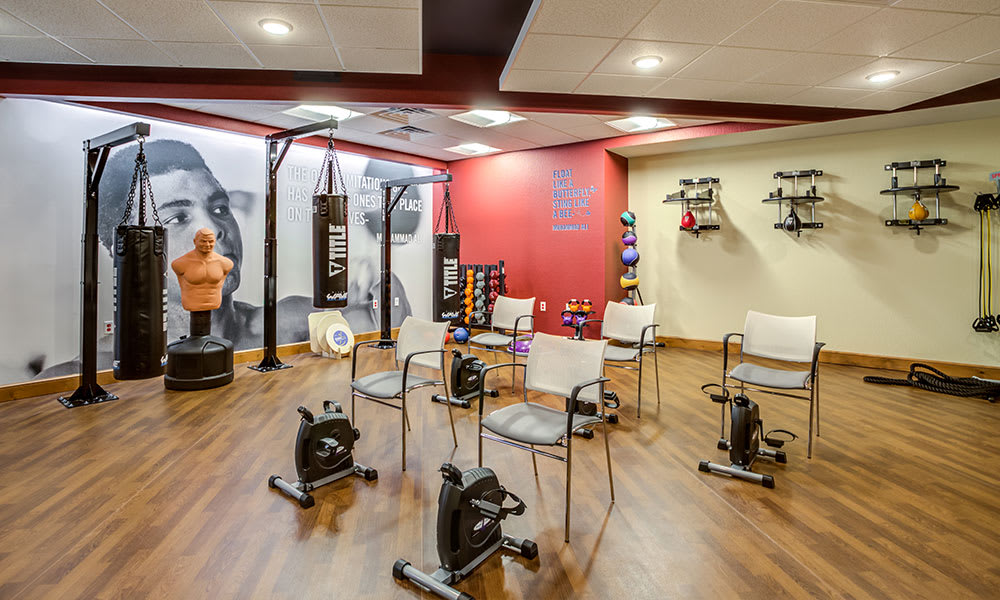
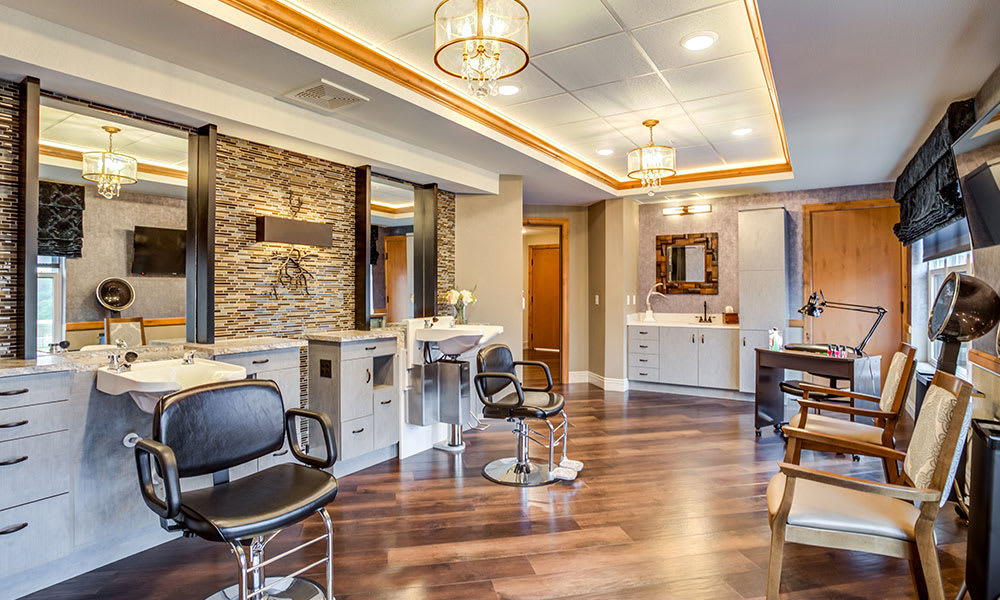
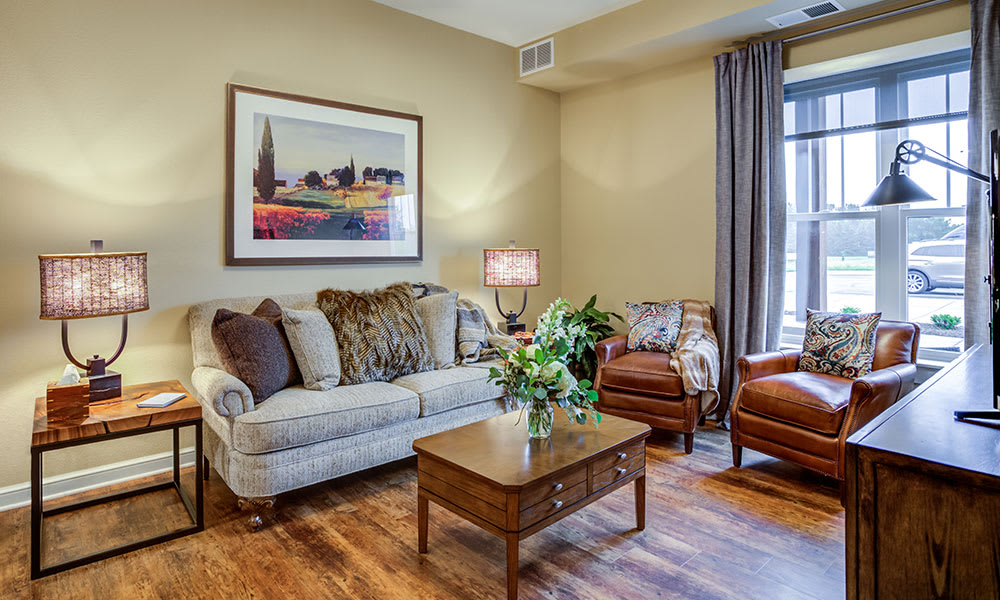
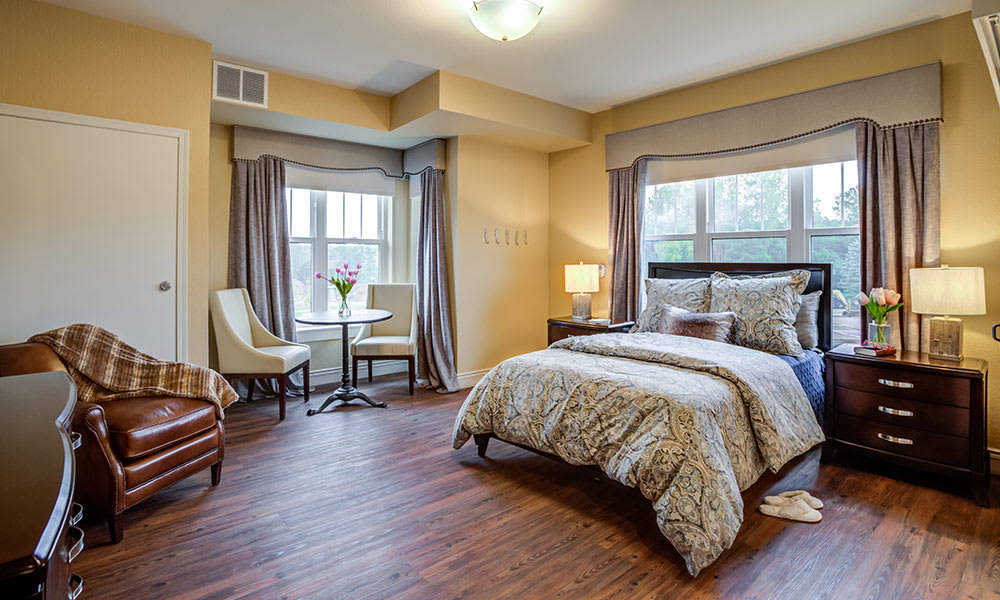
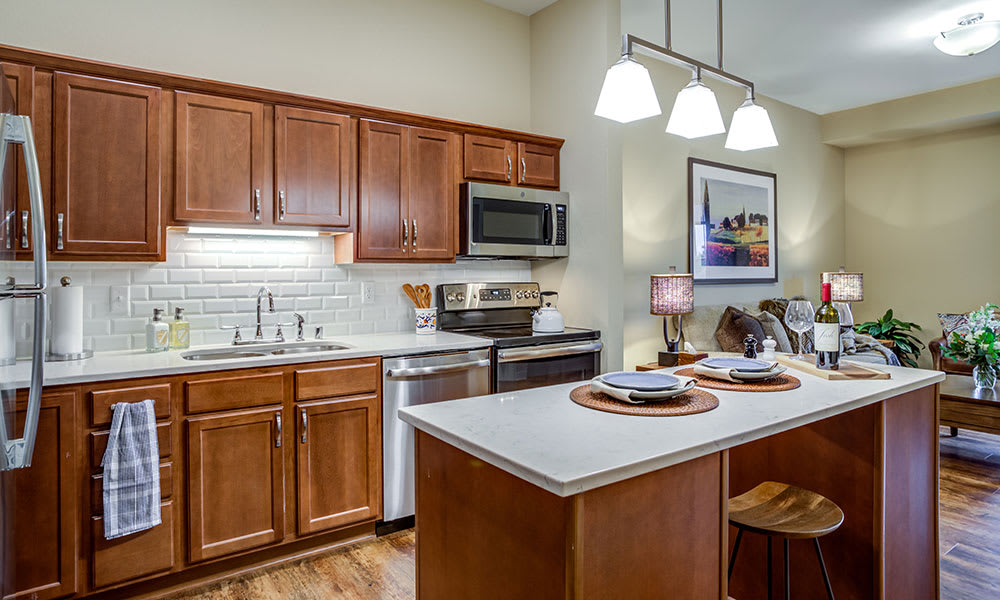
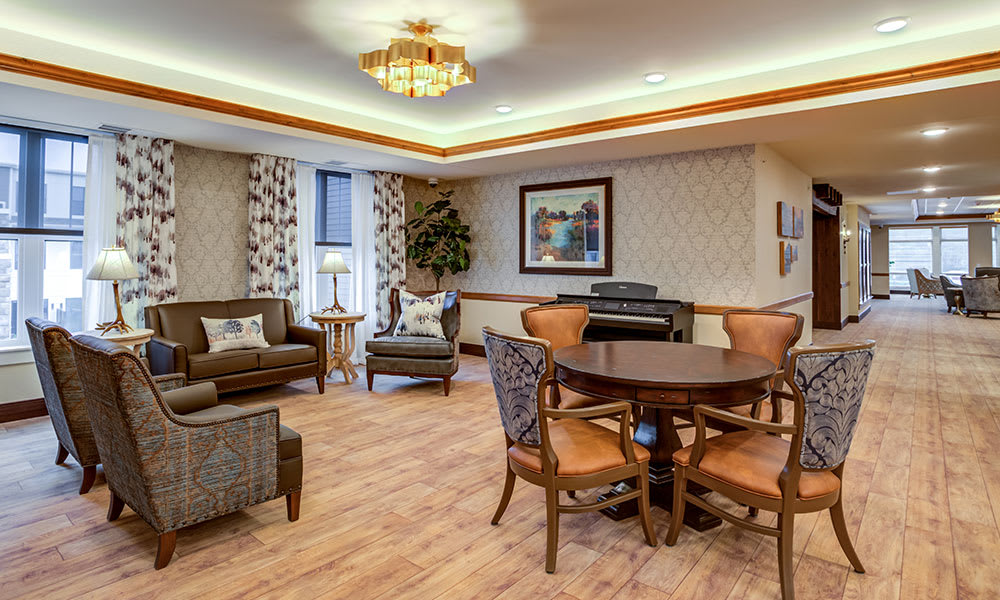
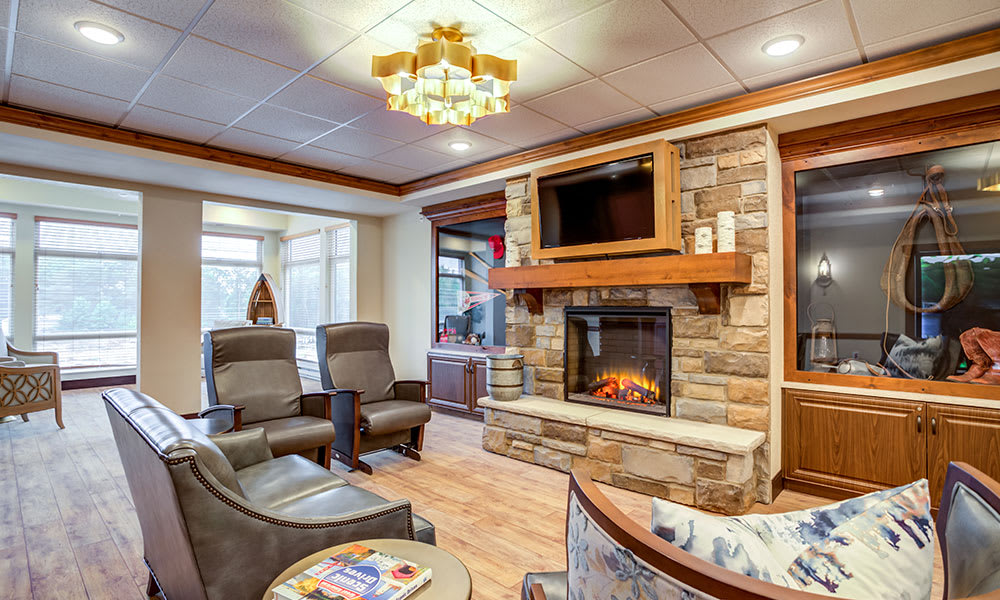
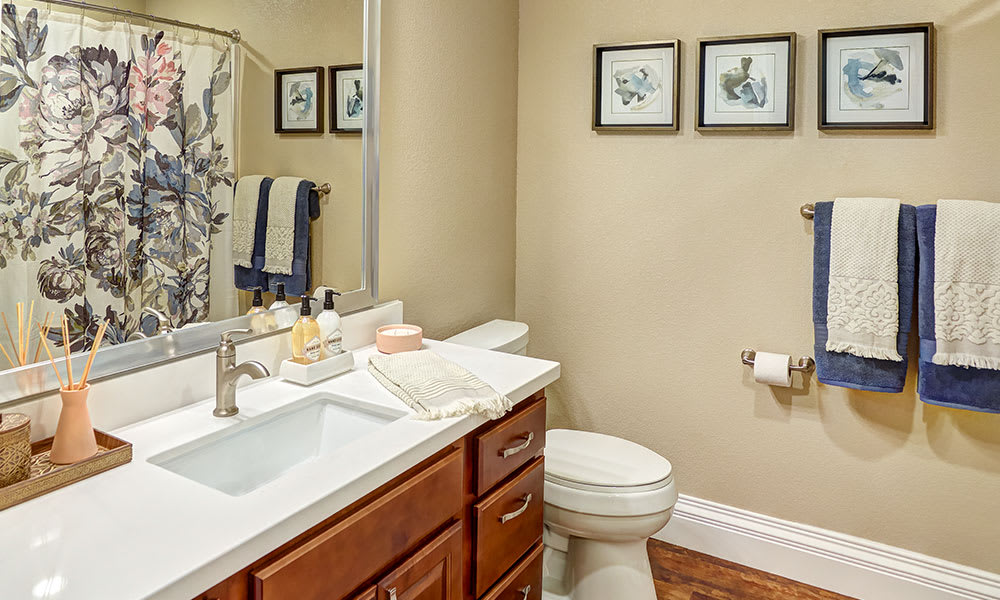
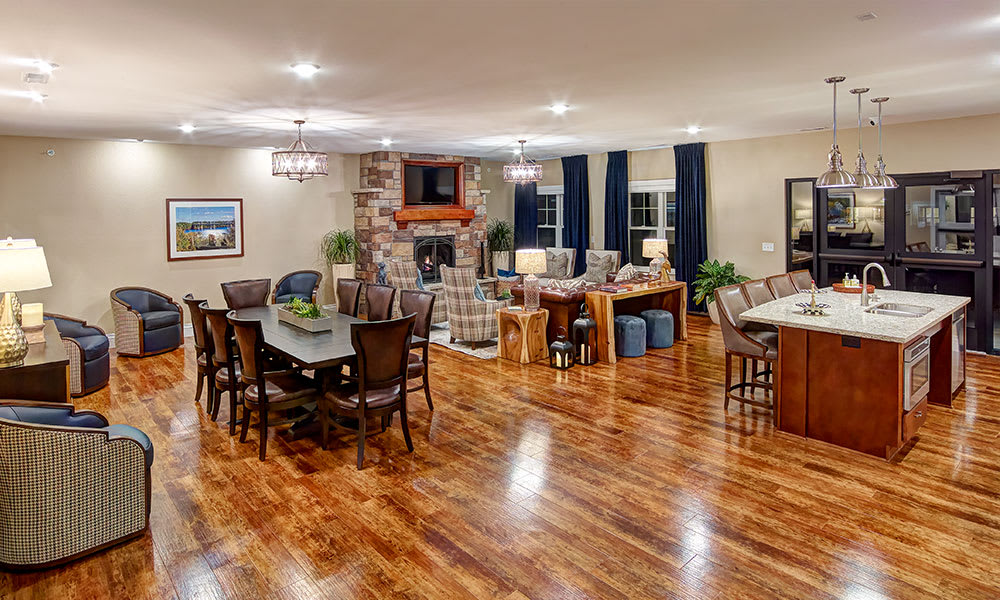
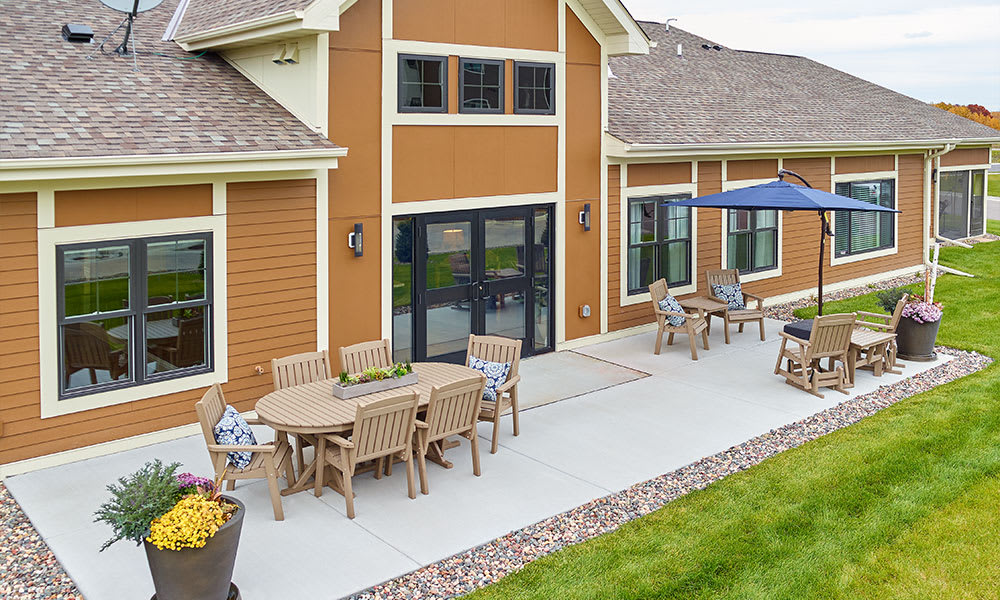
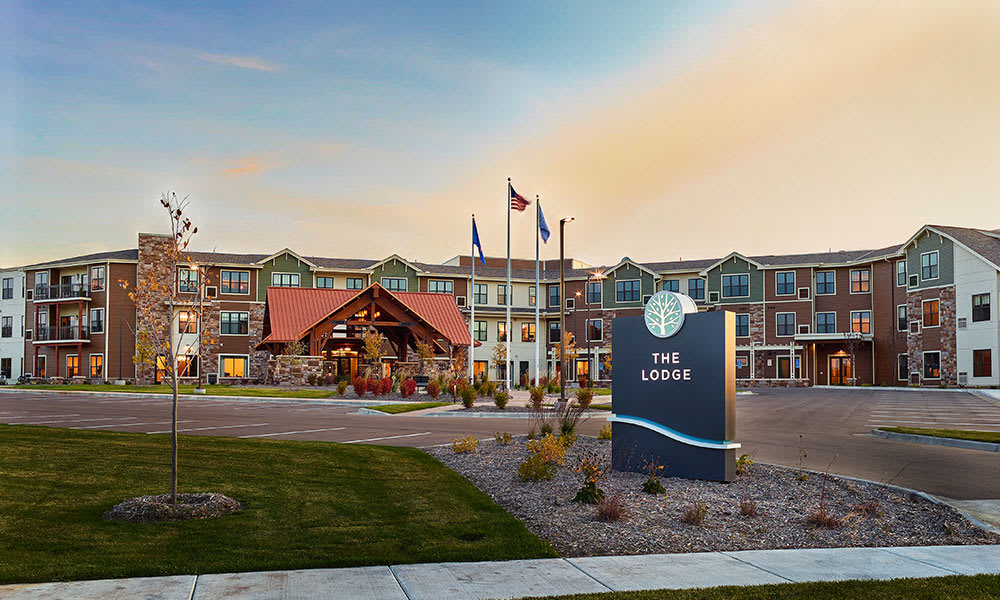
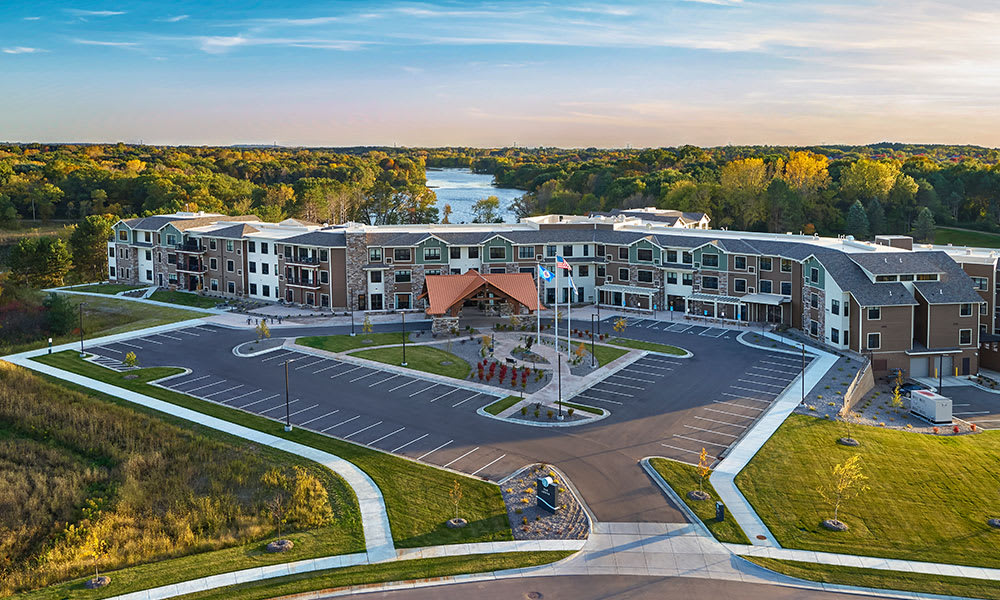
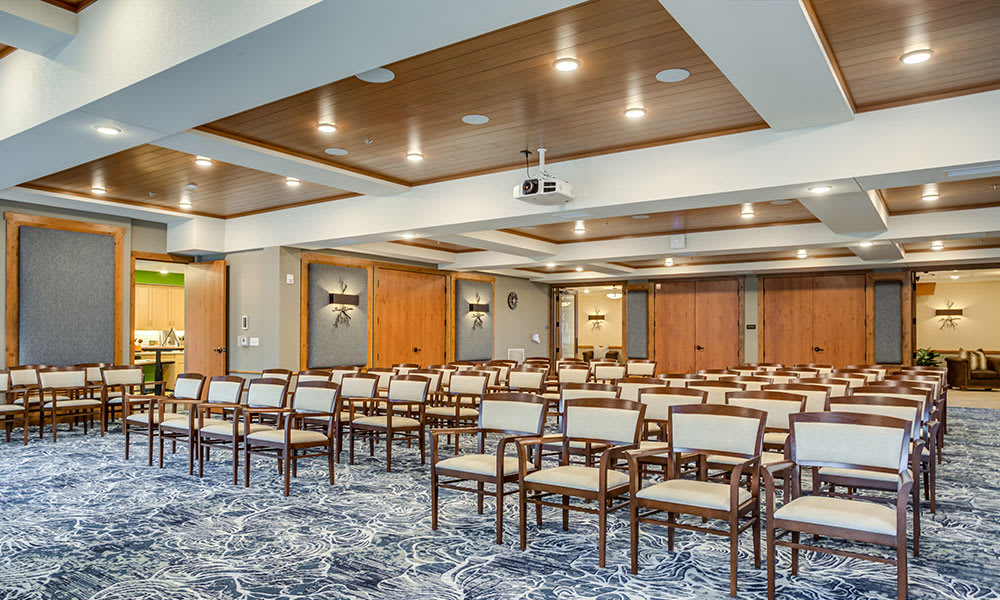
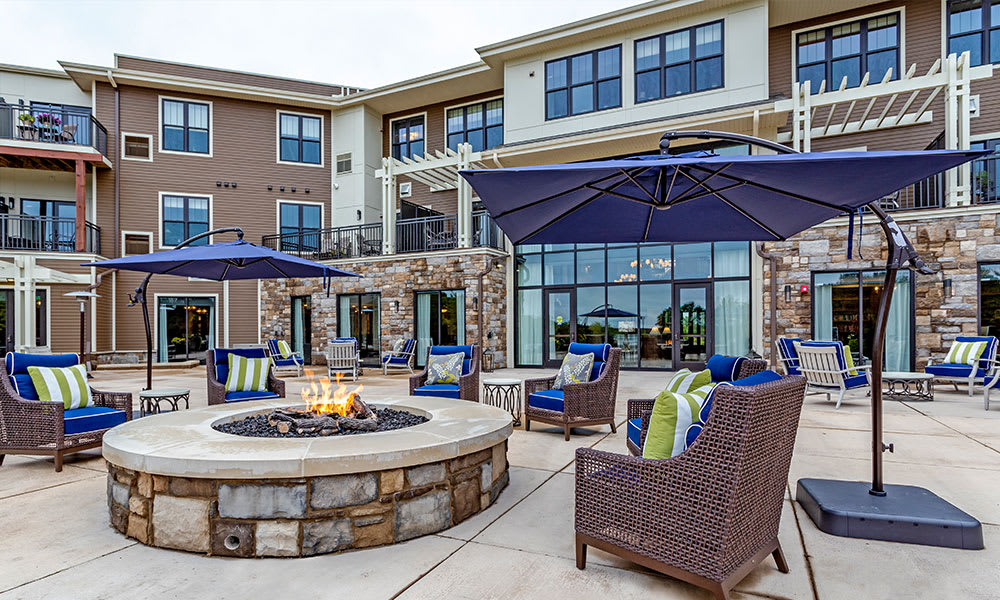
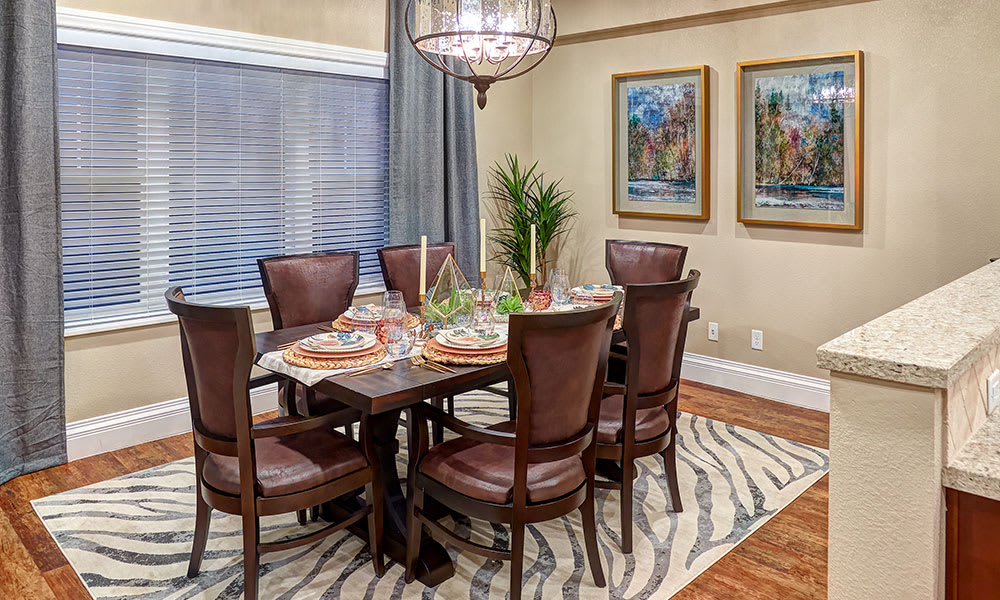
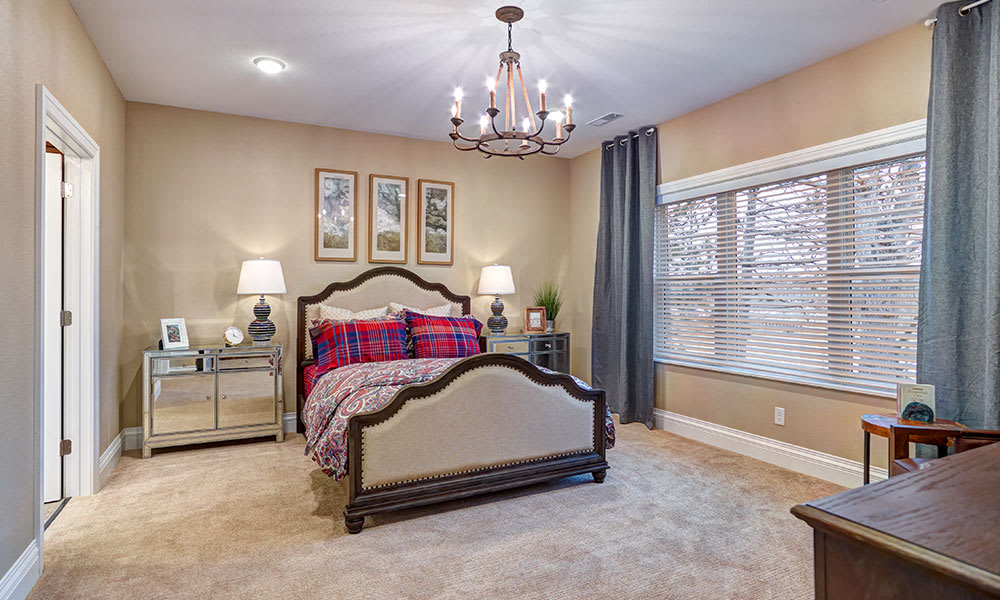
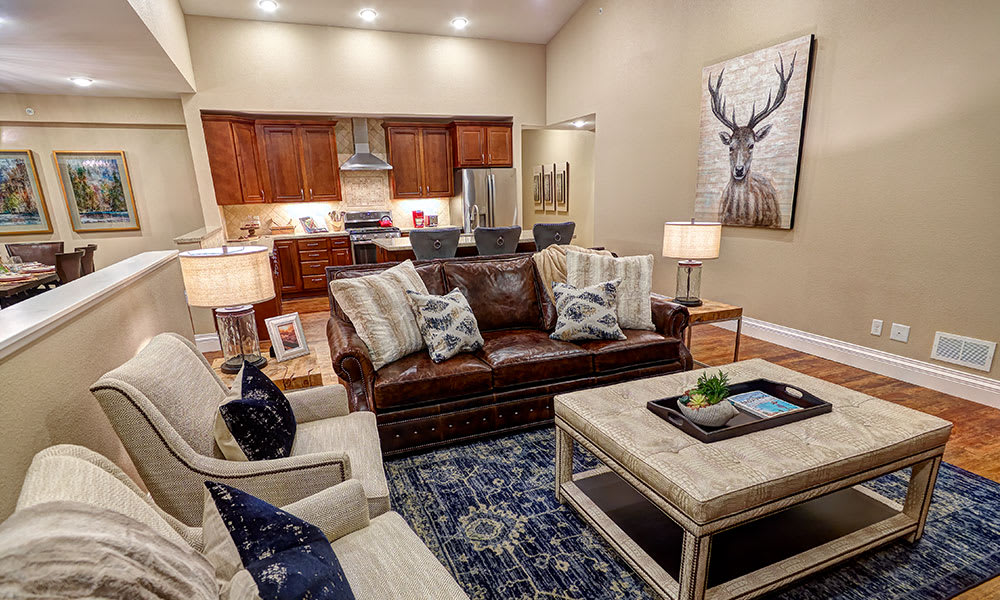
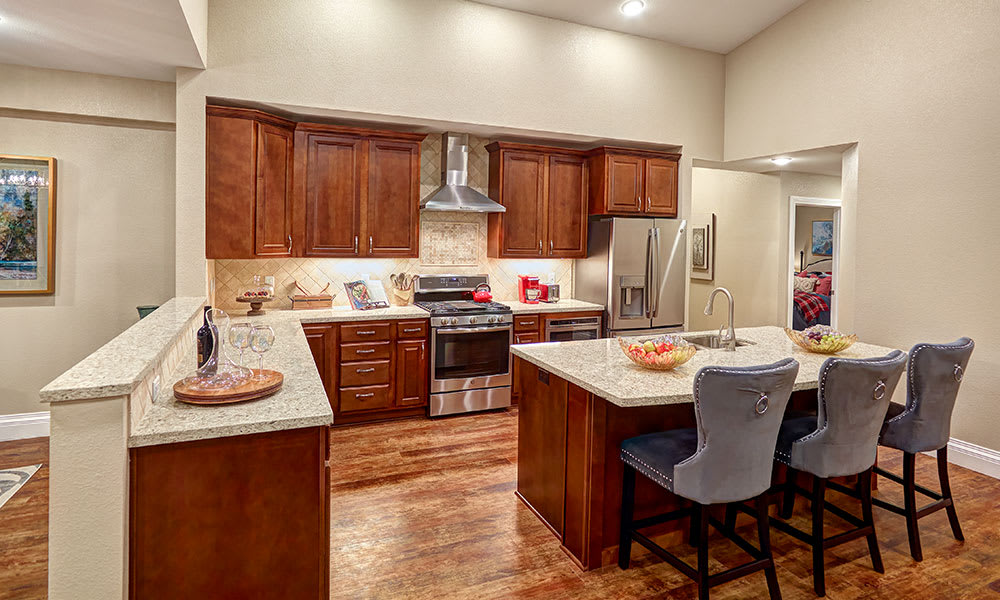
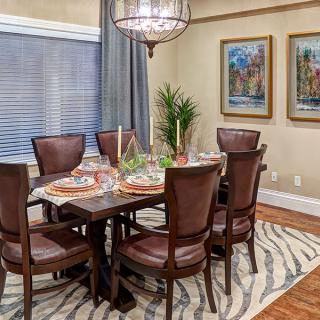
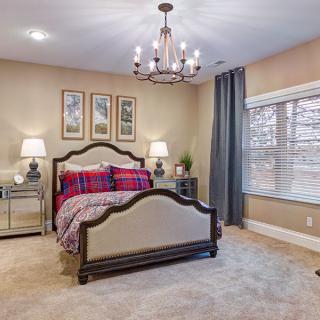
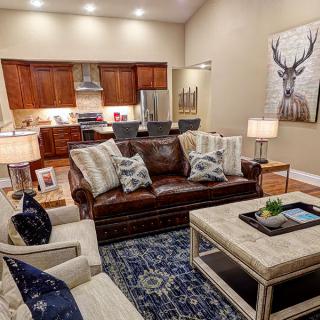
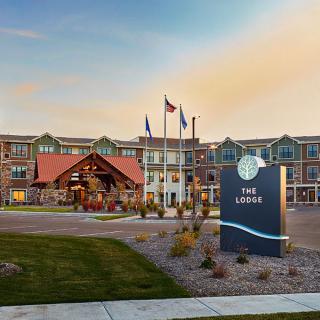
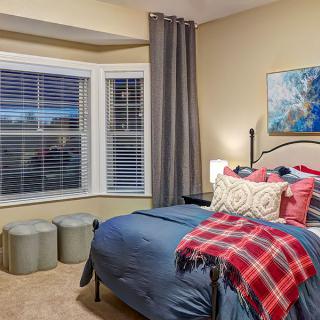
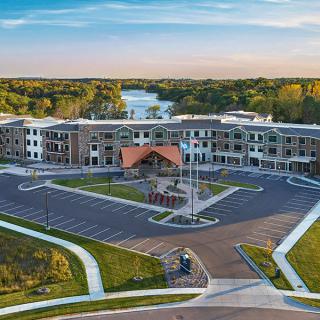
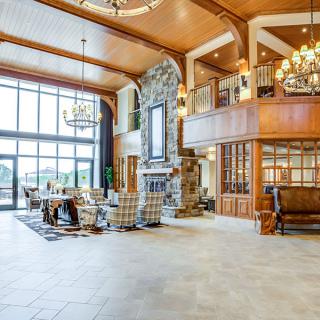
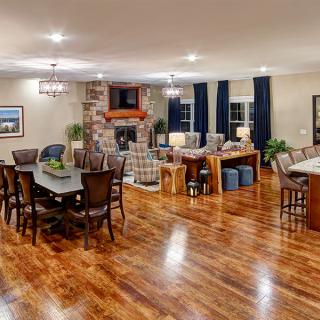
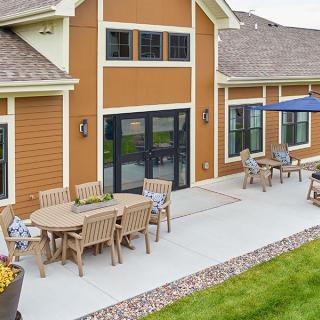
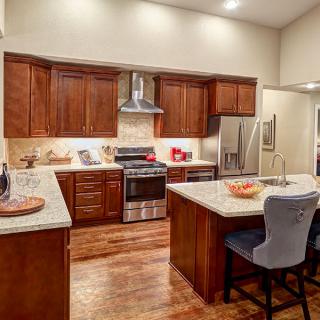
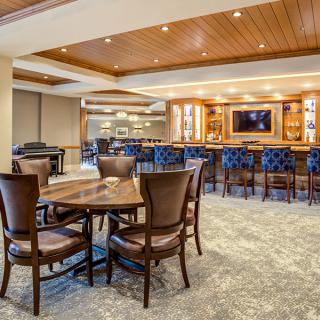
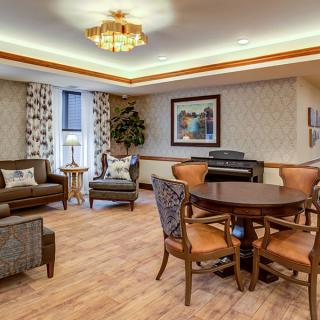
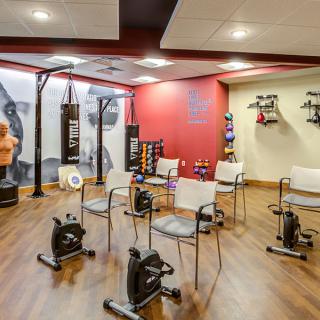
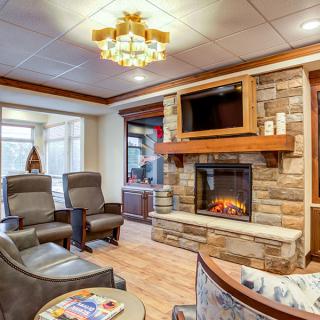
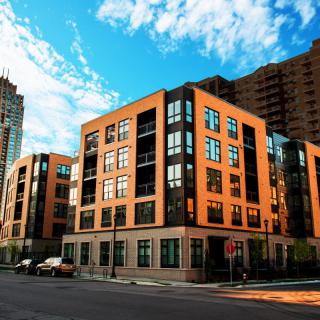
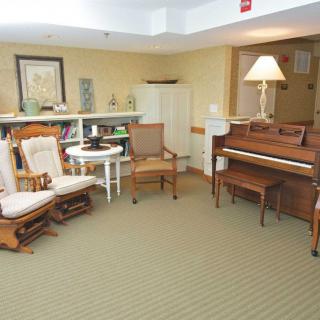
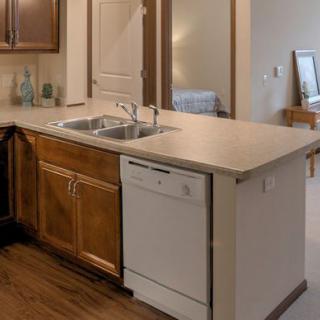
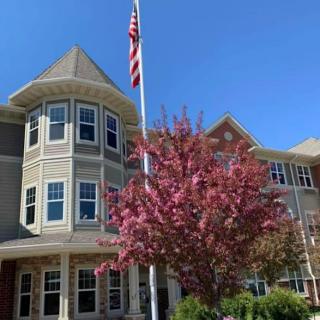
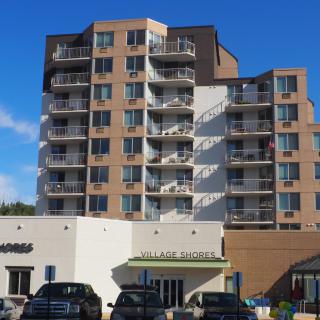
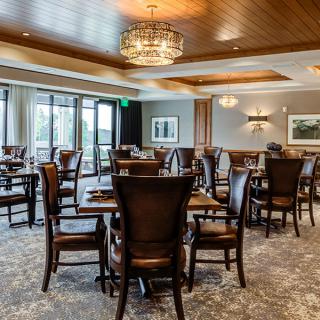
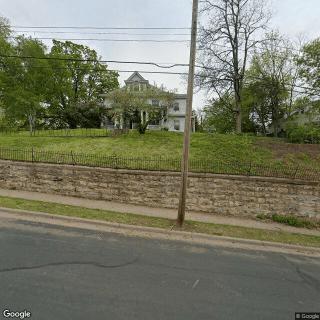
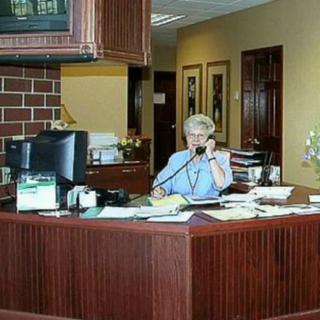
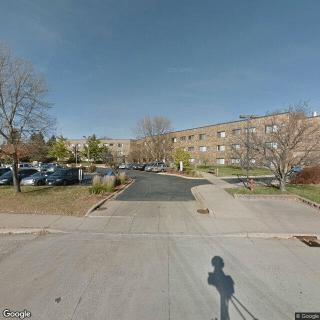
The Lakes at Stillwater on seniors.fyi includes 26 photos including images showing interior, decor, chandelier, living room, dining, bedroom, windows, lighting, and more.
Nearby Communities
The St. Croix Residence
Stillwater, MN
$5,000 / month
Specialized memory care with high-acuity and incontinence support; private rooms with private baths; on-site/off-site activities and devotional services.
The Estates At Greeley
Stillwater, MN
3.7 from 38 reviews
$4,050 / month
Clean facility with some friendly staff.
Home Instead Senior Care II
Stillwater, MN
4.9 from 12 reviews
24-hour supervision with comprehensive care and robust social/meal programs in a furnished setting.
Home Instead Senior Care
Stillwater, MN
4.9 from 14 reviews
Nearby amenities (dining, parks, healthcare, pharmacies, worship, and theater) support an enriched senior lifestyle.
Good Samaritan Society - Stillwater
Stillwater, MN
3.2 from 34 reviews
Caring staff and clean, spacious rooms with good meals.
Lakeview Homecare
Stillwater, MN
5 from 9 reviews
24-hour supervision with comprehensive care and fully furnished accommodations.
Stillwater Residence
Stillwater, MN
5 from 2 reviews
Extensive nearby amenities and healthcare access
Boutwells Landing
Oak Park Heights, MN
4 from 49 reviews
$970 to $2,165 / month
Caring staff, wide amenities, and engaging activities.
East Shore Place Apartments
Mahtomedi, MN
5 from 1 review
Vibrant community with convenient access to healthcare, dining, parks, and nearby amenities.
The article presents five subtle indicators of dementia, such as memory lapses and mood swings, to help families assess cognitive decline in loved ones. It emphasizes early detection, open communication, and seeking professional help while providing practical support steps.
Dementia encompasses progressive neurological disorders that impair cognitive functions and can lead to paranoia due to cognitive decline and emotional changes. The article discusses the triggers of paranoia in dementia, caregiver strategies for managing it, and the importance of distinguishing between dementia-related paranoia and other psychiatric conditions.
Memory care activities are essential for improving the quality of life of seniors with cognitive impairments, as they stimulate cognitive function, promote well-being, and encourage social interaction through tailored strategies. These activities combine structured exercises with spontaneous tasks, sensory engagement, physical workouts, creative pursuits, and intergenerational interactions to enhance emotional connection and a sense of purpose.
Outdoor Seating, Umbrellas, Residential Building, Fire Pit, and Wicker Chairs
Salon
Appliances
Natural Light
Bookshelves and Library
Painting and Hardwood Floor
Cabinets
Piano
Rug and Paintings
Conference Room, Meeting Space, and Projector
Fitness and Workout Space
Outdoor Furniture and Building Exterior
Open Space
Stone Wall
Fitness Center and Treadmills
Bar
Open Floor Plan
Indoor Lighting and Cozy Atmosphere
Window Blinds
Get PricingAsk A QuestionSchedule A TourContact Senior Advisor
By clicking submit, you agree to our Partner's Terms of Use. You
also consent to receive calls and texts, which may be autodialed, from our Partner. Your consent is not a condition to
using our Partner's service. Please visit our Partner's Privacy Policy for information about their privacy practices.

 21 resident community capacity
 Assisted Living
 Independent Living
 Memory Care
 Cats allowed
 Dogs allowed
 Activities off-site
 Air-conditioning
 Beautician on-site
 Cable or satellite TV
 Devotional services off-site
 Dining room
 Fireplaces
 Full kitchen
 Fully furnished
 Garden
 Ground floor units
 Handicap accessible
 Housekeeping services
 Indoor common areas
 Move-in coordination
 Outdoor common areas
 Pet friendly
 Telephone
 Wheelchair accessible showers
 Wi-Fi/high-speed internet available
 Minneapolis-St Paul International (22 miles away)
 24-hour call system
 Assistance with bathing
 Assistance with dressing
 Assistance with transfers
 Diabetes diet
 Diabetic care
 Hospice waiver
 Incontinence care
 Meal preparation and service
 Medication management
 Mental wellness program
 Special dietary restrictions
 Transportation arrangement (medical)
 Transportation to doctors appointments
 Art classes
 Catholic services
 Cooking classes
 Day trips and outings
 Educational speakers / life long learning
 Jewish services
 Karaoke
 Live well programs
 Specialized memory care with high-acuity and incontinence support; private rooms with private baths; on-site/off-site activities and devotional services.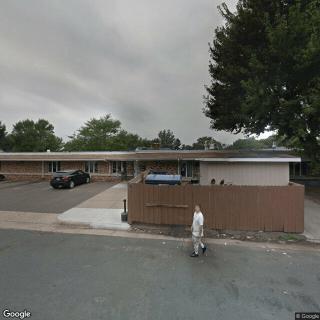


 Five Subtle Dementia Indicators to Observe: An In-Depth Guide to Understanding “Does My Mom Have Dementia?”
 Dementia, Paranoia, and Caregiver Guidance: Understanding the Connection
 Engaging Memory Care Activities That Enhance Quality of Life