
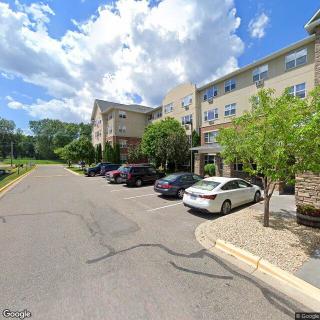
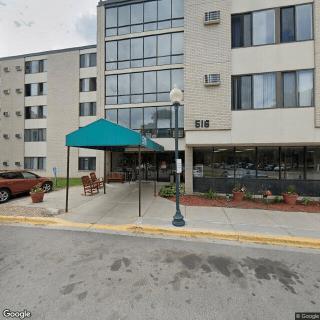
355 15Th Avenue North, South St Paul, MN 55075
For more information about senior living options: (866) 208-4318
Overall Review of Everyday Living
Pros
 Residents love living in the community.
- Residents know each other and the property is kept up very well.
- Snow removal on the sidewalks has improved considerably, and the area is relatively quiet.
- They consider it the best job they have ever had.
Cons
 They are not helpful at all.
- One of the buildings shot a gun.
- This company is cheap and does not fix problems in the apartments they own.
- Nate is a gay manager and mean.
- Nate allows inappropriate things with staff and gets away with it.
- The manager would rather residents have no food in their apartments.
- The manager is rude, mean, ugly, and old.
- The properties in South Saint Paul are managed horribly.
Review
This community is best suited for adults who want a small, neighborly feel in South St. Paul and who prioritize quiet, well-kept surroundings. The strongest draw is the sense of familiarity: residents tend to know one another, the grounds are kept up, and the option for a relatively peaceful living environment is real. For someone who wants more than a generic, large-plex experience, Everyday Living offers a compact, low-key setting where sidewalks stay clear and the atmosphere remains calm. That said, the appeal rests on a narrow axis: if social bustle, professional advocacy, and consistently responsive management are priorities, this option will fall short.
Those who should seriously consider alternatives are families and residents who value strong, reliable leadership and transparent operations. The reviews flag ongoing concerns about how problems are handled, and they describe management behavior that undermines trust and safety. Reports of harassment, discrimination, and even violent incidents within or tied to the complex create a pattern that cannot be ignored. In short, any decision-maker prioritizing resident protection, respectful staff interactions, or firm consequences for misconduct should look elsewhere and pursue communities with verifiable accountability and a track record of constructive problem-solving.
The tangible pros, tight-knit social opportunity, decent maintenance of common spaces, and improved snow removal that enhances accessibility, do offer real daily benefits. A quiet setting and a small community can reduce stress for residents who dislike crowds or constant programming. These positives, however, do not meaningfully offset the fundamental risks described in multiple accounts: inconsistent or hostile management, inadequate response to repairs or concerns, and a climate that residents interpret as unsafe or unsupportive. When the core value proposition is safety and dignified treatment, the lapses in leadership and the documented episodes of mismanagement dominate the calculus.
Practical due diligence is essential for anyone still weighing this option. Prospective residents should inquire about the current leadership structure and who is responsible for resident welfare today, then talk with several active residents about how conflicts are resolved. Seek concrete evidence of responsive maintenance practices, clear complaint channels, and any formal anti-harassment or resident-rights policies. Request to review recent incident logs, if available, and ask about how staff are trained to handle tense situations. A tour focused on witnessing how staff interact with residents can reveal more than glossy memoranda ever will. Above all, verify that there is an accessible, independent mechanism to escalate concerns without fear of retaliation.
In practice, this community is unlikely to be the best fit for families seeking dependable advocacy, predictable safety, and consistently respectful operations. If these are non-negotiables, steer toward options with transparent governance, active resident councils, and clearly defined procedures for addressing disputes and urgent needs. If cost or location forcibly narrows the field to tighter, smaller communities, insist on a documented plan of care, a guaranteed maintenance-response window, and a trial period that allows testing of management responsiveness in real-world scenarios. The upside remains the intimate setting; the decision rests on whether that intimacy can coexist with the high standard of care, safety, and civility that reputable communities must demonstrate.
Ultimately, the decision should hinge on risk tolerance and priorities. Everyday Living can offer a quiet, compact living experience, but the information in the reviews places a premium on accountability, safety, and respectful treatment that this community must prove through action. If those assurances cannot be delivered consistently, broaden the search to other South St. Paul and Twin Cities options where leadership is demonstrably accountable and residents feel protected, heard, and valued. The right choice aligns real daily comfort with solid, non-negotiable safeguards for every resident.
 21 resident community capacity
 Assisted Living
 Beauty salon
 Cable or satellite TV
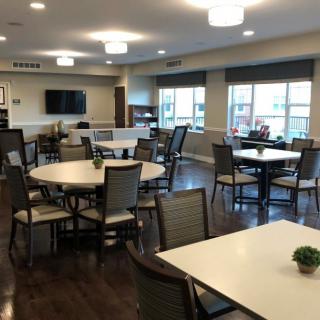
 Dining room
 Fully furnished
 Garden
 Housekeeping services
 Kitchenette
 Move-in coordination
 Outdoor space
 Telephone
 Wi-Fi/high-speed internet available
 Minneapolis-St Paul International (8 miles away)
 24-hour call system
 Activities of daily living assistance
 Assistance with bathing
 Assistance with dressing
 Assistance with transfers
 Diabetes diet
 Meal preparation and service
 Medication management
 Mental wellness program
 Special dietary restrictions
 Transportation arrangement (medical)
 Transportation to doctors appointments



 When to Transition from Assisted Living to Memory Care: Key Indicators, Steps, and Finding the Right Community
 Assisted Living and Memory Care: Understanding Their Core Differences
 Beyond the Bingo Hall: 50+ Enriching Activities for Seniors in Assisted Living