Twin Cities Nursing Care

1635 Hazel Street North, St Paul, MN 55119

For more information about senior living options: (844) 490-3973

5 from 84 reviews
5 stars
84
4 stars
0
3 stars
0
2 stars
0
1 stars
0

Assisted Living

Overall Review of Twin Cities Nursing Care

Pros

  • pro Christine was a huge help in finding a lovely assisted living place.
  • pro Jennifer cut through the process, lined the family up with facilities that met their needs, and accompanied tours, making the process easier and ensuring the right fit.
  • pro Diana Jorgensen provided extensive knowledge, pointed out important questions, and helped pinpoint facilities that met high standards.
  • pro Becca consistently understood the situation, advocated for loved ones, and found the best fit while navigating hurdles.
  • pro Karli offered compassion, attended tours, and facilitated informed family decisions during the search.
  • pro Jonathan was thorough and, with years of experience, found the best match for the family.
  • pro Lisa has been a lifesaver, advocating for families and helping keep parents living together.
  • pro Twin Cities Care is described as a lifesaver and highly recommended for finding the best care options.
  • pro The team at Twin Cities Care is honest, experienced, and fully informed about facilities, home care, and other options.
  • pro Becca was knowledgeable, professional, and caring, helping to secure a wonderful place quickly.

Cons

  • pro The process of relocating a mother to a suitable facility was daunting and challenging.
  • pro Their talk of care became a crisis situation when their dad fell and broke his leg.
  • pro The hospital stay and surgery set him back, making it evident he couldn't return home with his mother.

Review

Twin Cities Care has become a trusted lifeline for families navigating the challenging path of elder care placement. Across numerous stories, families repeatedly describe a partnership that is compassionate, knowledgeable, and right-sized for the moment they're in. From the moment help is sought, the tone is set by a team that listens deeply, asks the right questions, and rolls up their sleeves to guide families toward options that truly fit their loved ones' needs. The overarching message from these experiences is clear: with Twin Cities Care, families feel seen, supported, and empowered to make informed decisions in what is often a crisis-filled or emotionally overwhelming process.

Christine emerges consistently as a beacon of expertise and steadiness. Several families note that working with her was a turning point in what had felt like an insurmountable transition. One reviewer calls her "fabulous," highlighting her depth of knowledge and the reassurance she provided during a difficult time. Another account mentions how Christine's guidance helped a family move through a hard transition with clarity and care, underscoring that her insight and viewpoint were tremendously appreciated. In every reference, Christine's ability to blend practical guidance with genuine concern helps families feel that they are not alone in a complicated journey.

Becca is celebrated for the same blend of expertise and empathy, repeatedly described as a crucial advocate for loved ones. Families recount that Becca takes time to understand each unique situation, advocates relentlessly for the best fit, and helps navigate the inevitable hurdles along the way. Her support is described as both practical and inspirational, with several reviewers noting that Becca's involvement made challenging placements smoother and more hopeful. In one particularly strong testament, Becca is described as a saving grace during an urgent moment, illustrating how quickly she can mobilize suitable options and guide a family toward a timely, compassionate outcome.

Diana Jorgensen (often referred to as Dianna in one account) is portrayed as a font of knowledge and a thoughtful, thorough guide in areas beyond facility selection. Reviewers highlight her ability to point out the important questions that families might not know to ask, while also connecting them to a broader spectrum of services - such as in-home care - when appropriate. The sense from families is that Diana not only helps locate facilities that meet high standards but also arms families with the information necessary to navigate what comes next after a move. Her knowledge feels expansive and practical, leaving families with confidence in the decisions they make.

Karli is described as an extraordinary facilitator who brings both compassion and concrete know-how to the process. Families emphasize her ability to tailor options to priorities and to accompany them on tours to ensure nothing is overlooked. Karli's approach feels deeply collaborative - she helps families reach a shared understanding and alignment, including conversations among family members when needed to ensure everyone moves forward together. Her dedication to guiding families through the decision-making process is repeatedly highlighted as a critical factor in finding placements that feel like the right fit for both short-term needs and long-term wellbeing.

Jonathan is presented as a consummate, seasoned advisor whose thoroughness and honesty shine through in every interaction. Reviewers describe him as an experienced guide who understands facilities, home care, and the full landscape of options. He is praised for being meticulous and transparent, and for delivering results with a tone of trust and respect. The recurring sentiment attached to Jonathan is simple but powerful: when he takes on a case, families feel confident that they are in capable hands and that the team will surface the best possible match with straightforward, open communication.

Lisa's contributions consistently read as a lifeline in the most demanding moments. Families describe her as a lifesaver who not only searches for suitable options but also advocates fiercely for their needs. Her work helps preserve important elements, such as keeping parents together when possible, and her resourcefulness is credited with transforming stressful itineraries into navigable paths. The testimonials portray Lisa as reliable, thoughtful, and deeply committed to achieving outcomes that honor the family's goals and the loved one's dignity.

Across the board, the reviews emphasize an approach that is distinctly unhurried and unpressured. Families repeatedly note that Twin Cities Care respects the decision-making process and provides a supportive space to ask questions, tour facilities, and consider all possibilities. The team's local knowledge - encompassing firsthand familiarity with area facilities and services - emerges as a key strength, enabling them to direct families to options that truly meet high standards. In moments of crisis, such as sudden health scares or hospital stays, the firm's responsive, proactive guidance shines, helping families transition more smoothly and with less chaos.

The collective voice also underscores a shared philosophy: elder care decisions are deeply personal, and the best outcomes come from careful listening, thorough exploration, and ongoing support. Families tell stories of tours that were made easier by having a knowledgeable guide by their side, of questions that were clarified in real time, and of recommendations that felt aligned with who their loved ones are and how they live. The end results are consistently described as finding not just a place to live, but a home that better supports safety, daily life, and peace of mind for everyone involved.

In sum, Twin Cities Care is celebrated as a reliable, compassionate partner that families rely on during some of life's most challenging transitions. The testimonials reveal a robust team - Christine, Becca, Diana, Karli, Jonathan, Lisa, and others - whose combined expertise, empathy, and practical guidance translate into real, meaningful outcomes: homes found that fit short-term and long-term needs, crises mitigated through informed planning, and families who feel supported every step of the way. The sentiment that recurs with almost every story is gratitude - for the care, for the advocacy, and for the sense of hope that comes from knowing a trusted team is in your corner when you need it most.

Features

Housing

  • 21 resident community capacity 21 resident community capacity

Types of Care

  • Assisted Living Assisted LivingAssisted living facilities provide crucial support and care for seniors who may need help with daily tasks such as medication management, bathing, and meal preparation. These communities offer a safe and comfortable environment where seniors can maintain their independence while receiving the assistance they need to thrive in their golden years.

Amenities

  • Beauty salon Beauty salonBeauty salons are important for seniors because they provide a space for them to feel pampered, socialize, and maintain their personal grooming and hygiene. Regular visits to a beauty salon can help boost seniors' self-esteem and overall well-being.
  • Cable or satellite TV Cable or satellite TVCable or satellite TV is important for seniors because it provides entertainment, news, and companionship, helping to combat loneliness and boredom. It also offers a wide range of programming options tailored to different interests and preferences.
  • Dining room Dining roomDining rooms are important for seniors as they provide a space for socialization, connection, and nutritious meals. They offer opportunities for residents to bond over shared meals, foster a sense of community, and promote healthy eating habits. Dining rooms also ensure that seniors have access to well-balanced meals tailored to their dietary needs and preferences.
  • Fully furnished Fully furnishedFully furnished senior living communities are important for seniors because they provide convenience, comfort, and a hassle-free moving experience. Seniors can easily settle into their new living space without the stress of having to buy and move furniture. This allows them to focus on enjoying their new home and community.
  • Garden GardenGardens are important for seniors as they provide a peaceful and therapeutic environment for relaxation, physical activity, and socialization. Being in nature has been shown to reduce stress, improve mood, and promote overall well-being. Gardens also offer opportunities for seniors to engage in gardening activities, which can improve mobility, flexibility, and cognitive function. Additionally, gardens create a sense of community and connection with others who share a passion for plants and outdoor spaces.
  • Housekeeping services Housekeeping servicesHousekeeping services are important for seniors because they help maintain a clean and safe living environment, promote independence, and reduce the risk of accidents or illnesses. Additionally, having assistance with household chores can alleviate physical strain and allow seniors to focus on other aspects of their well-being.
  • Kitchenette KitchenetteKitchenettes are important for seniors living in senior living communities because they provide the convenience and independence of being able to prepare simple meals and snacks in the comfort of their own living space. This can help promote a sense of autonomy and well-being for seniors, allowing them to maintain some level of control over their dietary choices and daily routines.
  • Move-in coordination Move-in coordinationMove-in coordination is important for seniors because it helps ease the transition into their new living environment. It ensures that all logistics, such as packing, organizing movers, and setting up utilities are taken care of, allowing seniors to focus on settling in and adjusting to their new home. Having a smooth move-in process can alleviate stress and anxiety, making the transition smoother and more enjoyable for seniors.
  • Outdoor space Outdoor spaceOutdoor spaces are important for seniors as they provide opportunities for physical activity, social interaction, exposure to natural light and fresh air, and a sense of connection to nature. Having access to outdoor spaces can improve overall well-being and quality of life for older adults living in senior communities.
  • Telephone TelephoneTelephones are important for seniors as they provide a lifeline for communication with loved ones, emergency services, and healthcare providers. They offer a sense of security and independence, enabling seniors to stay connected and access assistance when needed.
  • Wi-Fi/high-speed internet available Wi-Fi/high-speed internet availableWi-Fi/high-speed internet is important for seniors to stay connected with loved ones, access online resources, and participate in virtual activities to combat feelings of loneliness and isolation. It also allows them to easily manage healthcare needs, access entertainment, and engage in lifelong learning opportunities.

Transportation

  • Minneapolis-St Paul International (12 miles away) Minneapolis-St Paul International (12 miles away)

Care Services

  • 24-hour call system 24-hour call system24-hour call systems are important for seniors because they provide peace of mind and immediate assistance in case of emergencies. This technology ensures that help is always available, promoting safety and security for elderly individuals living alone or in assisted living facilities.
  • 24-hour supervision 24-hour supervision24-hour supervision is important for seniors to ensure their safety, well-being, and access to immediate assistance in case of emergencies or health issues. This constant support provides peace of mind for both seniors and their loved ones, allowing them to age in place with dignity and security.
  • Activities of daily living assistance Activities of daily living assistanceActivities of daily living assistance are important for seniors because they provide essential support with tasks such as eating, bathing, dressing, and mobility. This assistance helps seniors maintain their independence, dignity, and overall quality of life as they age.
  • Assistance with bathing Assistance with bathingAssistance with bathing is crucial for seniors as it helps maintain personal hygiene, prevents infections, and ensures their overall well-being and comfort. It also provides a sense of dignity and independence for seniors who may struggle with this task on their own.
  • Assistance with dressing Assistance with dressingAssistance with dressing is important for seniors because it helps maintain their independence, promotes personal hygiene, prevents accidents and injuries, and improves overall quality of life. This service ensures that seniors can continue to dress comfortably and confidently, despite any physical limitations they may have.
  • Assistance with transfers Assistance with transfersAssistance with transfers is crucial for seniors as it helps prevent falls and injuries, maintains their independence, and ensures they can safely navigate their living environment. It also provides peace of mind for both seniors and their loved ones.
  • Coordination with health care providers Coordination with health care providersCoordination with health care providers is crucial for seniors to ensure proper medical care, medication management, and overall well-being. This collaboration helps prevent overlapping treatments, track progress more effectively, and provide comprehensive support tailored to individual needs.
  • Diabetes diet Diabetes dietA diabetes diet is crucial for seniors as it helps manage blood sugar levels, reduce risks of complications, and improve overall health and well-being. By following a balanced and nutritious diet tailored to their specific needs, seniors can better control their diabetes and enhance their quality of life.
  • Meal preparation and service Meal preparation and serviceMeal preparation and service are crucial for seniors as they may have limited mobility or energy to cook nutritious meals. Having access to healthy and convenient food options can ensure they are getting the proper nutrition needed to maintain their overall health and well-being.
  • Medication management Medication managementMedication management is crucial for seniors to ensure they are taking the right medications at the correct dosages and times. This helps prevent adverse drug interactions, reduces the risk of medication errors, and promotes overall health and well-being. Proactive management also allows for adjustments as needed based on changing health conditions or new prescriptions.
  • Mental wellness program Mental wellness programMental wellness programs are essential for seniors as they promote cognitive stimulation, emotional support, and social engagement. These programs help prevent isolation, depression, and cognitive decline, ultimately enhancing the overall quality of life for older adults.
  • Special dietary restrictions Special dietary restrictionsSpecial dietary restrictions are important for seniors because age-related changes in metabolism and health conditions can make it difficult for their bodies to process certain foods. By following a diet tailored to their specific needs, seniors can maintain their overall health and well-being, manage chronic conditions, and reduce the risk of complications such as malnutrition or food interactions with medications.
  • Transportation arrangement (medical) Transportation arrangement (medical)Transportation arrangements for medical purposes are essential for seniors as they may have difficulty driving themselves to appointments or accessing public transportation. Having reliable and safe transportation options ensures that seniors can receive timely medical care and maintain their health and well-being.
  • Transportation to doctors appointments Transportation to doctors appointmentsTransportation to doctors' appointments is crucial for seniors as it ensures they have access to necessary medical care and support for their health needs. Without reliable transportation, seniors may struggle to attend important appointments, leading to potential delays in treatment and health complications. Providing transportation services helps seniors maintain their overall well-being and quality of life.

Dining

  • Diabetes diet Diabetes dietA diabetes diet is crucial for seniors as it helps manage blood sugar levels, reduce risks of complications, and improve overall health and well-being. By following a balanced and nutritious diet tailored to their specific needs, seniors can better control their diabetes and enhance their quality of life.
  • Special dietary restrictions Special dietary restrictionsSpecial dietary restrictions are important for seniors because age-related changes in metabolism and health conditions can make it difficult for their bodies to process certain foods. By following a diet tailored to their specific needs, seniors can maintain their overall health and well-being, manage chronic conditions, and reduce the risk of complications such as malnutrition or food interactions with medications.

Activities

  • Community-sponsored activities Community-sponsored activitiesCommunity-sponsored activities are important for seniors as they provide opportunities for social interaction, mental stimulation, and physical activity. These activities can help improve overall well-being, combat loneliness and isolation, and promote a sense of belonging and purpose among older adults.
  • Resident-run activities Resident-run activitiesResident-run activities are important for seniors as they encourage social interaction, creativity, and a sense of autonomy. These activities empower seniors to stay engaged and active in their community while fostering meaningful connections with their peers.
  • Scheduled daily activities Scheduled daily activitiesScheduled daily activities are important for seniors because they provide structure, socialization, mental stimulation, and physical activity. Engaging in regular activities can improve overall well-being and quality of life for seniors living in a community setting.

Description

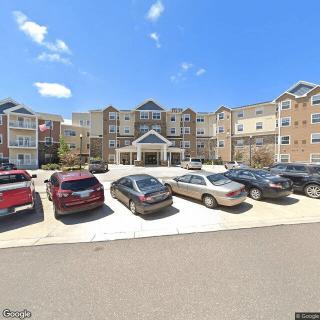
Twin Cities Nursing Care, located in St. Paul, MN, is a well-appointed assisted living community that offers a range of amenities and care services to ensure the comfort and well-being of its residents. The community boasts spacious and fully furnished accommodations with cable or satellite TV, providing residents with entertainment options at their fingertips. Residents can enjoy delicious meals in the dining room, prepared by professional staff who can accommodate special dietary restrictions.

Housekeeping services are provided to maintain a clean and tidy living environment, while the outdoor space allows residents to relax and enjoy nature. For added convenience, there is a kitchenette available for residents who wish to prepare their own meals. Wi-Fi/high-speed internet access is also available throughout the community so that residents can stay connected with loved ones or engage in online activities.

The community offers 24-hour supervision and assistance with activities of daily living such as bathing, dressing, and transfers. Coordination with health care providers ensures that residents receive the necessary medical attention they require. The dedicated staff also assists with medication management and provides diabetes diets when needed.

Maintaining mental wellness is important at Twin Cities Nursing Care, which offers a comprehensive mental wellness program designed to support residents' emotional and cognitive health. Transportation arrangements for medical appointments are provided for ease of access to healthcare services.

Residents have the opportunity to participate in resident-run activities as well as scheduled daily activities organized by the community. This allows for social engagement and personal fulfillment within a vibrant community atmosphere.

In terms of nearby amenities, Twin Cities Nursing Care benefits from its proximity to various parks, pharmacies, physicians' offices, restaurants, places of worship, theaters, and hospitals. This ensures that residents have convenient access to recreational opportunities, healthcare services, entertainment options, spiritual support if desired, and any other needs they may have.

Overall, Twin Cities Nursing Care offers an inclusive and supportive environment where residents can receive personalized care services while enjoying a comfortable lifestyle enriched by various amenities and a vibrant community atmosphere.

Nearby Places of Interest

Restaurants

  • White Castle (0.3 miles)
  • McDonald's (1.4 miles)
  • Chili's Grill & Bar (2.6 miles)
  • Taco John's (2.7 miles)
  • McDonald's (2.7 miles)
  • Golden Corral (2.9 miles)
  • The Dog House Bar and Grill (3 miles)

Pharmacies

  • CVS Pharmacy (1.1 miles)
  • Walgreens (2.6 miles)
  • Walgreens (2.6 miles)
  • Walgreens (2.7 miles)
  • Mix Compounding Pharmacy (3.5 miles)
  • Target Pharmacy (3.7 miles)
  • CVS Pharmacy (4.4 miles)

Physicians

  • Healthpartners Clinics (1.2 miles)
  • HealthPartners Clinic (1.5 miles)
  • Retina Center (2.4 miles)
  • Jacobs Carol RN (2.7 miles)
  • Page Graydon T MD (2.7 miles)
  • David Thao, MD (3.7 miles)
  • Northern Lights Pediatric & Adolescent Medicine (4.4 miles)

Parks

  • Rotary Park (1.7 miles)
  • Flicek Park (1.7 miles)
  • Harvest Park (2 miles)
  • Casey Lake Park (2.1 miles)
  • Hazelwood Park (2.3 miles)
  • Playcrest Park (2.9 miles)
  • Legacy Pines Park (3 miles)

Places of Worship

  • Transfiguration Catholic Church (2.3 miles)
  • St Jerome Elementary School (3.2 miles)
  • Cathedral of St Paul (5.3 miles)
  • St Mary of the Lake Church (6.5 miles)

Hospitals

  • St John's Hospital-Maplewood (2.7 miles)
  • Regions Hospital Burn Center (4.3 miles)
  • St Joseph's Hospital-St Paul (4.8 miles)
  • Woodwinds Health Campus-Woodbury (5.2 miles)
  • United Hospital Joint Relacement Center (5.5 miles)

Theaters

  • Oakdale Cinema Oakdale, Mn (3.7 miles)
  • Alamo Drafthouse Woodbury (5.5 miles)

Transportation

  • Union Depot (4.4 miles)

Cafes

  • Starbucks (6.4 miles)

Frequently Asked Questions

Where is Twin Cities Nursing Care?

Nearby Communities

Related Resources

  • assisted living activitiesBeyond the Bingo Hall: 50+ Enriching Activities for Seniors in Assisted Living

    Assisted living communities offer diverse activities beyond traditional games to enhance seniors' physical health, cognitive well-being, emotional enrichment, and social connections, including fitness classes, creative expression, and intergenerational interactions. These enriching programs foster community bonds and support residents' independence and happiness.

  • assisted living vs memory careUnderstanding the Distinctions: Assisted Living and Memory Care Explained

    The article differentiates between assisted living and memory care, explaining that assisted living supports seniors with daily activities while promoting independence, whereas memory care provides specialized services for individuals with dementia, focusing on secure environments and cognitive support. It also addresses staff training, safety considerations, costs, family involvement, and transition strategies for families navigating these care options.

  • elderly parent refuses assisted livingGuiding Elderly Parents Who Refuse Assisted Living: 6 Practical Steps

    Family caregivers face emotional, legal, and practical challenges when elderly parents refuse assisted living, often due to fears of losing autonomy. Open conversations and professional assessments can help address these concerns while exploring alternatives and ensuring safety, potentially leading to legal guardianship if necessary.