Sunrise of Roseville offers a range of accommodation options that reflect a higher cost structure compared to both Ramsey County and the broader state of Minnesota. For example, the two-bedroom unit is priced at $4,230 per month, significantly exceeding the county's average of $2,312 and the state's average of $2,955. Similarly, semi-private rooms are available for $5,850, which is notably higher than both local and state averages of $3,915 and $4,051 respectively. Studio apartments are also on the premium end at $6,750 compared to county and state figures of $3,546 and $3,617. Lastly, one-bedroom options at Sunrise are priced at $6,780 - substantially more than Ramsey County's average of $2,287 and Minnesota's statewide average of $2,893. This pricing reflects not only the quality and services provided by Sunrise but also positions it as a choice for those seeking a more upscale living experience in assisted care.
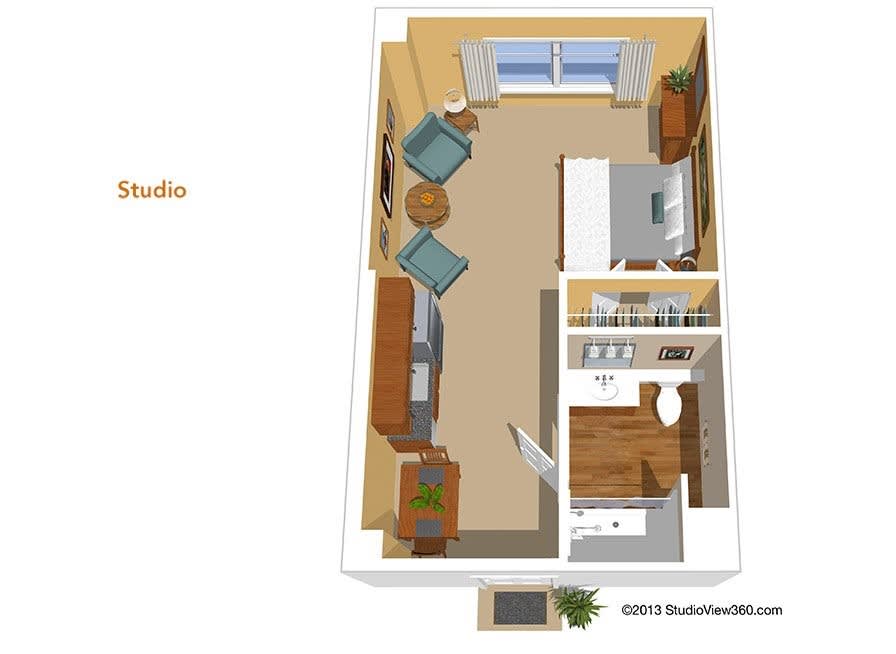
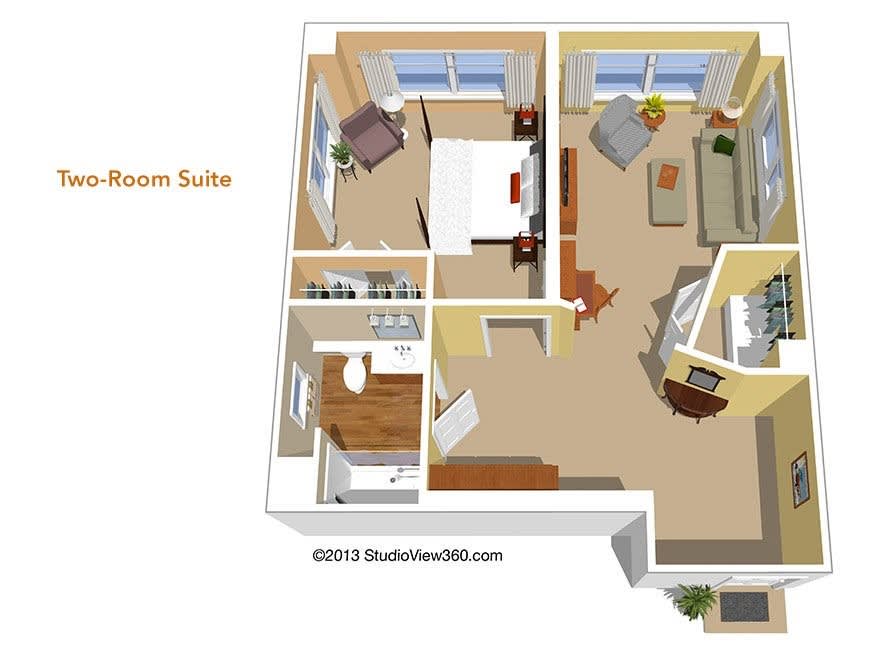
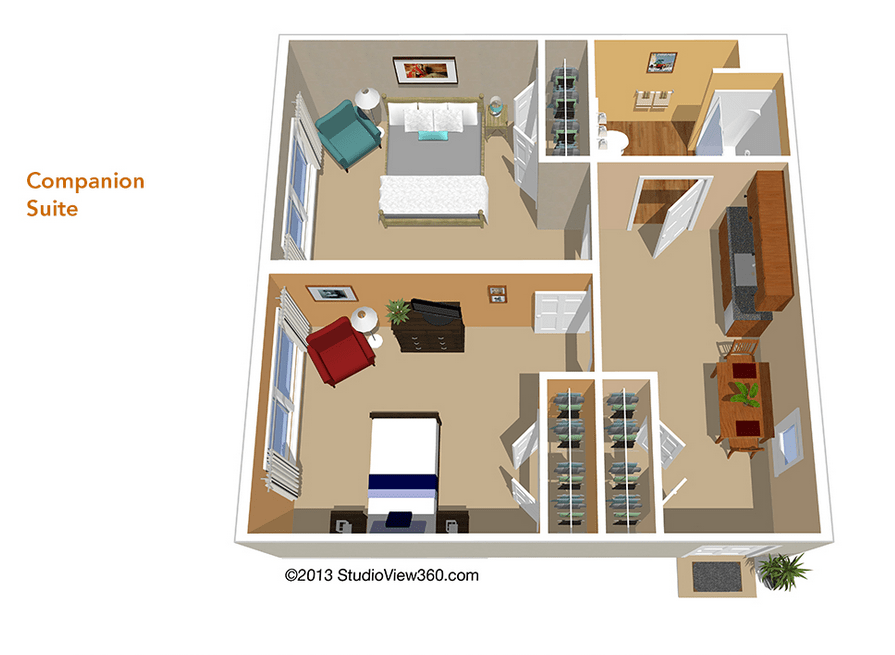
Floor plans
Sunrise of Roseville
Ramsey County
Minnesota
2 Bedrooms
$4,230
$2,312
$2,955
Semi-Private
$5,850
$3,915
$4,051
Studio
$6,750
$3,546
$3,617
1 Bedroom
$6,780
$2,287
$2,893
Memory care communities with a similar price nearby
Residents and families consistently describe the team as kind, helpful, and quick to respond.
Many reviewers say staff members are attentive and respectful, and that families feel welcomed and included. Several also mention communication being strong, with updates shared promptly and questions answered. A number of comments connect that responsiveness to residents feeling comfortable and safe day to day.
common18 reviews mention this
Dining is a frequent highlight
Meals and the dining room experience are repeatedly called out, with residents looking forward to food.
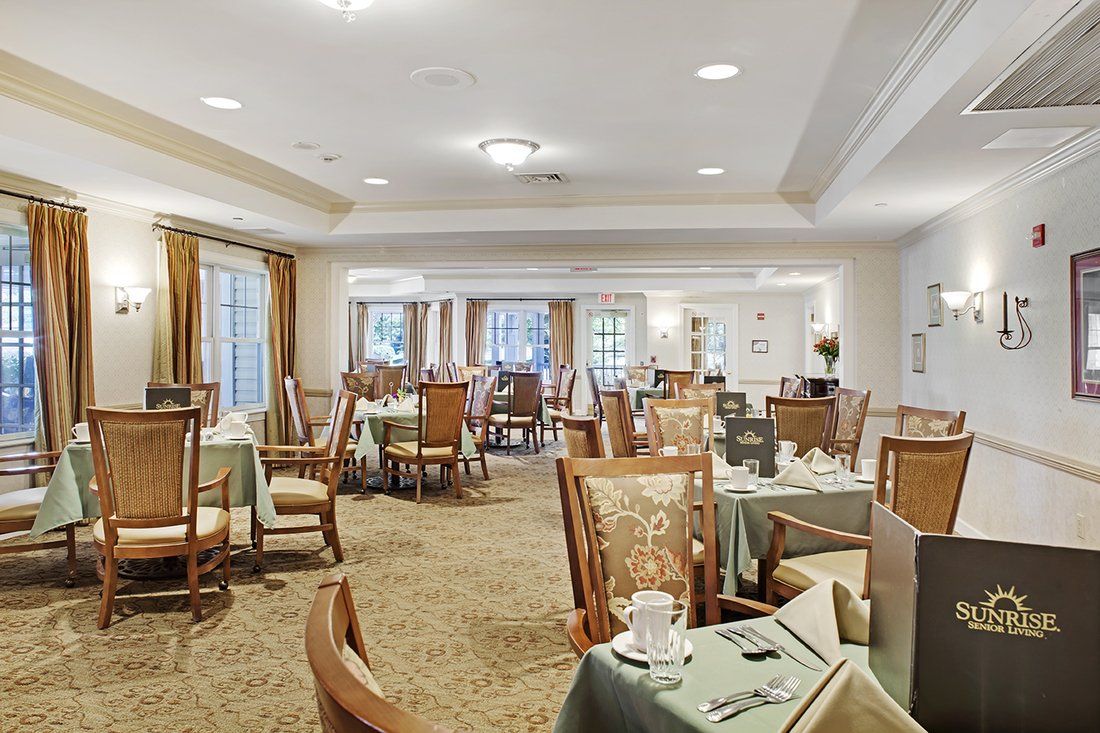
Reviewers frequently describe the dining room as pleasant and more like a shared experience than a routine cafeteria setting. Multiple mentions point to chef-prepared meals, snacks and coffee availability, and variety. At the same time, a smaller set of comments flags inconsistent meal quality and concerns about special-diet support.
common16 reviews mention this
Activities keep residents socially engaged
Residents are described as staying involved through regular activities and outings.
A steady theme across reviews is that residents have things to do, from events like bingo and music to planned outings. Families also describe residents building routines around social time, including dining with others and group activities. Some reviewers note that activity programming can shrink during staffing or other disruptions.
caveat9 reviews mention this
Costs come up as a concern
Pricing is a recurring concern, with several families calling it expensive or hard to justify.
Some reviewers mention that the community feels costly compared with what they expected or budgeted. Others describe extra complexity around billing and statements, including difficulty getting rent figured out and questions without clear answers. A few comments also suggest that turning down higher levels of care may not change day-to-day response for their situation.
caveat8 reviews mention this
Care consistency and coverage vary
Several reviews raise concerns about staffing levels, response time, or how care is carried out consistently.
While many families praise the care team, other reviewers describe periods of being short staffed and slower response—sometimes tied to evenings, weekends, or higher-demand moments. A few comments also raise concerns about care execution, including bathroom assistance, medication follow-through, and follow-up when issues develop. These negative experiences are not universal, but they show up often enough that coverage and response timing are worth asking about directly.
How we summarize
Counts show how many written reviews mention each theme; a review can touch several themes, and only frequently mentioned themes are displayed.
Features
Housing
1-bedroom apartments
Studio apartments
Types of Care
Assisted Living
Memory Care
Pets
Cats allowed
Dogs allowed
Amenities
Activities off-site
Activities on-site
Air-conditioning
Beautician on-site
Beauty salon
Cable or satellite TV
Cafe
Computer center
Continuing learning programs
Devotional services off-site
Devotional services on-site
Dining room
Family private dining rooms
Fitness room
Fully furnished
Gaming room
Garden
Ground floor units
Guasts at mealtime
Handicap accessible
Housekeeping services
Indoor common areas
Kitchenette
Laundry
Located close to restaurants
Located close to shopping centers
Move-in coordination
Outdoor common areas
Outdoor patio
Outdoor space
Party space
Pet friendly
Private bathrooms
Religious/meditation center
Resident parking
Respite or short term stays offered
Restaurant-style dining
Security gate
Small library
Spa
Telephone
Wellness center
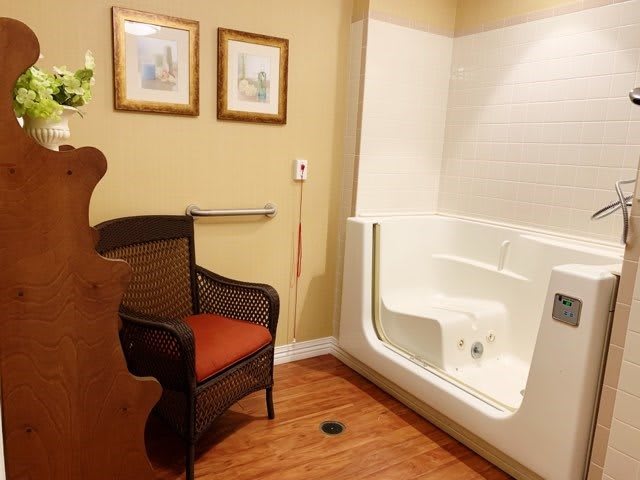
Wheelchair accessible showers
Wi-Fi/high-speed internet available
Transportation
Minneapolis-St Paul International (10 miles away)
Community operated transportation
Transportation arrangement
Transportation arrangement (non-medical)
Care Services
24-hour call system
24-hour supervision
Activities of daily living assistance
Assistance with bathing
Assistance with dressing
Assistance with transfers
Coordination with health care providers
Dementia waiver
Diabetes diet
Diabetic care
High acuity care
Hospice waiver
Incontinence care
Meal preparation and service
Medication management
Mental wellness program
Mild cognitive impairment
Special dietary restrictions
Specialized memory care programming
Transportation arrangement (medical)
Transportation to doctors appointments
Dining
Anytime dining
Diabetes diet
Guest meals
Low / no sodium
Low fat
Meals provided
No Sugar
Professional chef
Restaurant style dining
Room service
Special dietary restrictions
Special dining programs
Activities
Art classes
Community-sponsored activities
Concierge services
Cooking classes
Day trips and outings
Devotional activities offsite
Devotional activities on-site
Educational speakers / life long learning
Fitness programs
Happy hour
Karaoke
Live musical performances
Live well programs
Other religious services
Planned day trips
Religious services
Resident-run activities
Scheduled daily activities
Wine tasting
Languages Spoken
English
Nearby Places of Interest
This part of Roseville, Minnesota offers a variety of conveniences and amenities that could be appealing for seniors looking to settle in the area. With a range of dining options such as Olive Garden, Bole' Ethiopian Cuisine, and Noodles & Company nearby, residents have plenty of choices for meals. In terms of healthcare, there are several pharmacies and medical facilities in close proximity, including Walgreens, CVS Pharmacy, and various physician offices. For recreational activities, there are parks like Central Park Playground and Owasso Park within a few miles. Additionally, transportation options are available with the Minnesota State Fair Transit Hub nearby. Overall, this part of Roseville provides a mix of services that could cater well to elderly individuals looking for a comfortable and convenient living environment.
Restaurants
Olive Garden (0.3 miles)
Giggles' Campfire Grill - Minnesota State Fair (2.2 miles)
Bole' Ethiopian Cuisine (2.5 miles)
Noodles & Company (2.8 miles)
Steele & Hops (3 miles)
Taco Bell (3.1 miles)
McDonald's (3.1 miles)
Pharmacies
Walgreens (0.3 miles)
Walgreens (2.1 miles)
Walgreens (2.4 miles)
Walgreens (2.8 miles)
CVS Pharmacy (2.9 miles)
Walgreens (3 miles)
CVS Pharmacy (3.1 miles)
Theaters
AMC Rosedale 14 (0.3 miles)
Parks
Central Park Playground (1.1 miles)
Owasso Park (2.3 miles)
Acorn Park (2.8 miles)
Como Park (2.8 miles)
Silverwood Park (3.4 miles)
Snail Lake Regional Park (4.1 miles)
Franklin Terrace Off-Leash Dog Park (4.7 miles)
Transportation
Minnesota State Fair Transit Hub (2.5 miles)
Cafes
Starbucks (2.8 miles)
Starbucks (2.9 miles)
Roundtable Cof (3.9 miles)
Groundswell (4.1 miles)
Starbucks (5.5 miles)
Places of Worship
Shepherd of the Hills Lutheran Church (3.4 miles)
North Heights Lutheran Church (4.1 miles)
St Jerome Elementary School (4.3 miles)
St George Greek Orthodox Church (5.4 miles)
Cathedral of St Paul (5.7 miles)
Physicians
Cardiovascular Systems (3.7 miles)
HealthPartners Health Center for Women Clinic St Paul (3.9 miles)
Fairview Clinics (4.2 miles)
Dermatology Consultants P.A. (4.7 miles)
Entira Family Clinics (4.9 miles)
Minnesota Vein Center (5.1 miles)
Suburban Radiology (5.5 miles)
Hospitals
University of Minnesota Medical Center - East Bank Campus (4.5 miles)
Sunrise of Roseville offers a range of accommodation options that reflect a higher cost structure compared to both Ramsey County and the broader state of Minnesota. For example, the two-bedroom unit is priced at $4,230 per month, significantly exceeding the county's average of $2,312 and the state's average of $2,955. Similarly, semi-private rooms are available for $5,850, which is notably higher than both local and state averages of $3,915 and $4,051 respectively. Studio apartments are also on the premium end at $6,750 compared to county and state figures of $3,546 and $3,617. Lastly, one-bedroom options at Sunrise are priced at $6,780 - substantially more than Ramsey County's average of $2,287 and Minnesota's statewide average of $2,893. This pricing reflects not only the quality and services provided by Sunrise but also positions it as a choice for those seeking a more upscale living experience in assisted care.
Sunrise of Roseville offers a comprehensive array of features designed to effectively support residents with various stages of dementia and Alzheimer's disease. The 24-hour supervision ensures a constant presence for safety and reassurance, while assistance with activities of daily living--including bathing, dressing, and transfers--helps residents maintain dignity and independence. Coordination with healthcare providers guarantees that medical needs are met promptly, complemented by medication management that keeps therapeutic regimens on track. Incontinence care allows for comfort and well-being, while meal preparation and service cater to dietary requirements tailored for cognitive health. The mental wellness program addresses emotional needs, fostering social engagement through specialized memory care programming aimed at stimulating cognitive function. Additionally, transportation arrangements facilitate access to necessary medical appointments, ensuring holistic care throughout the resident's journey.
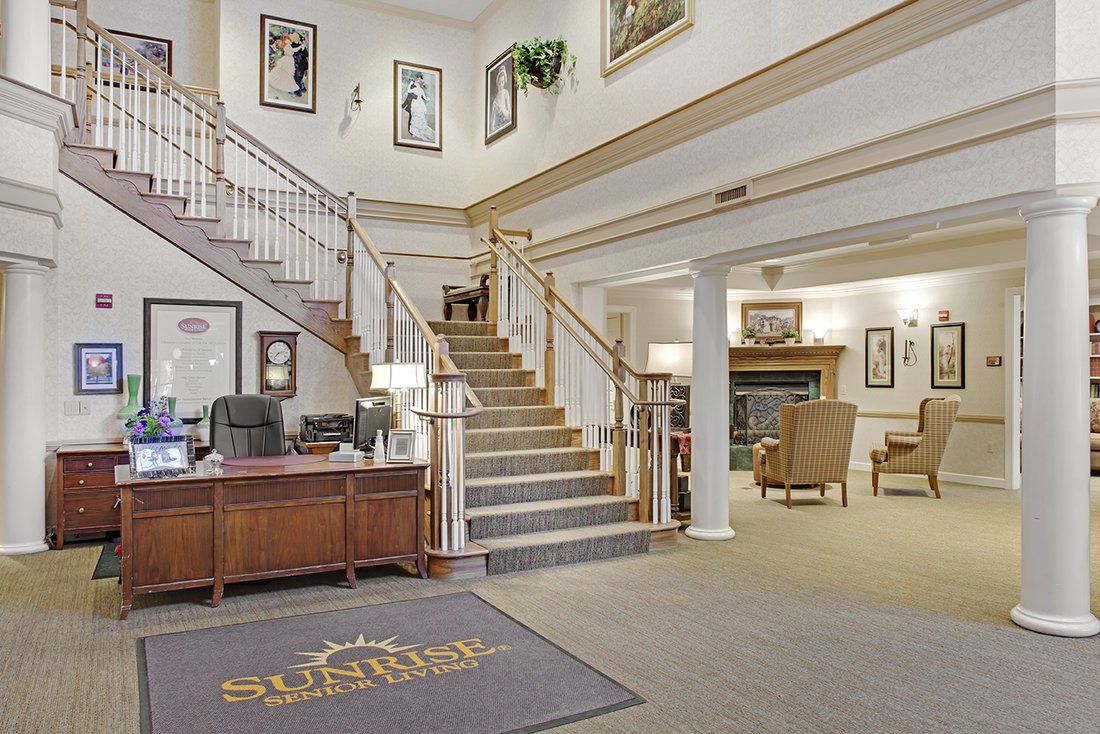
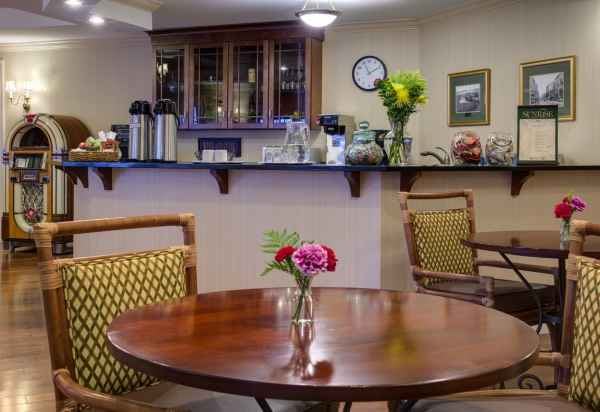
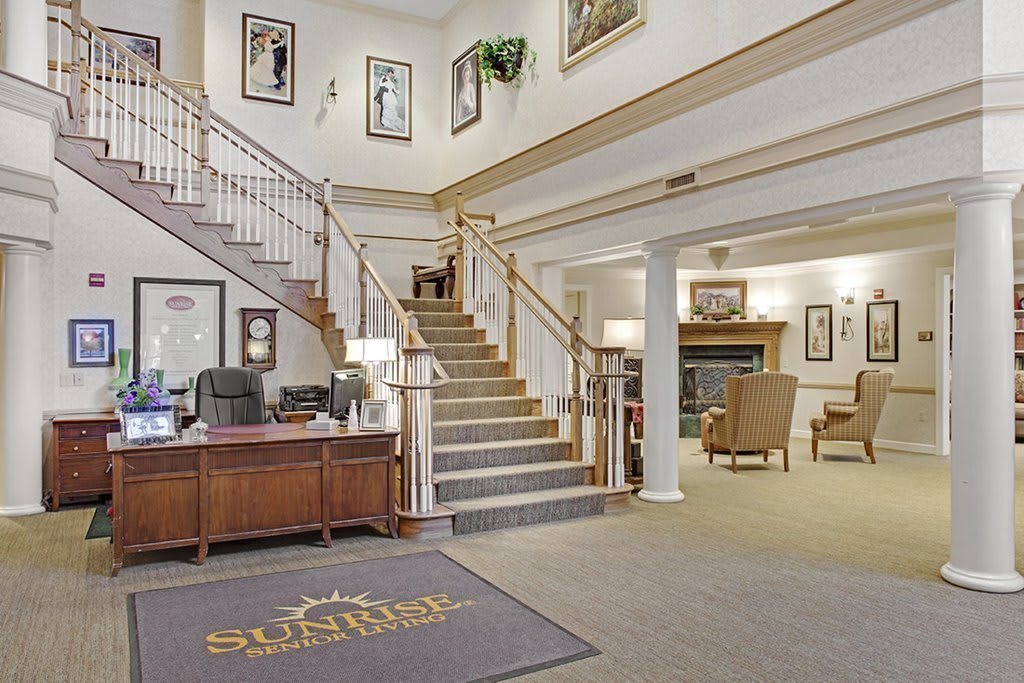
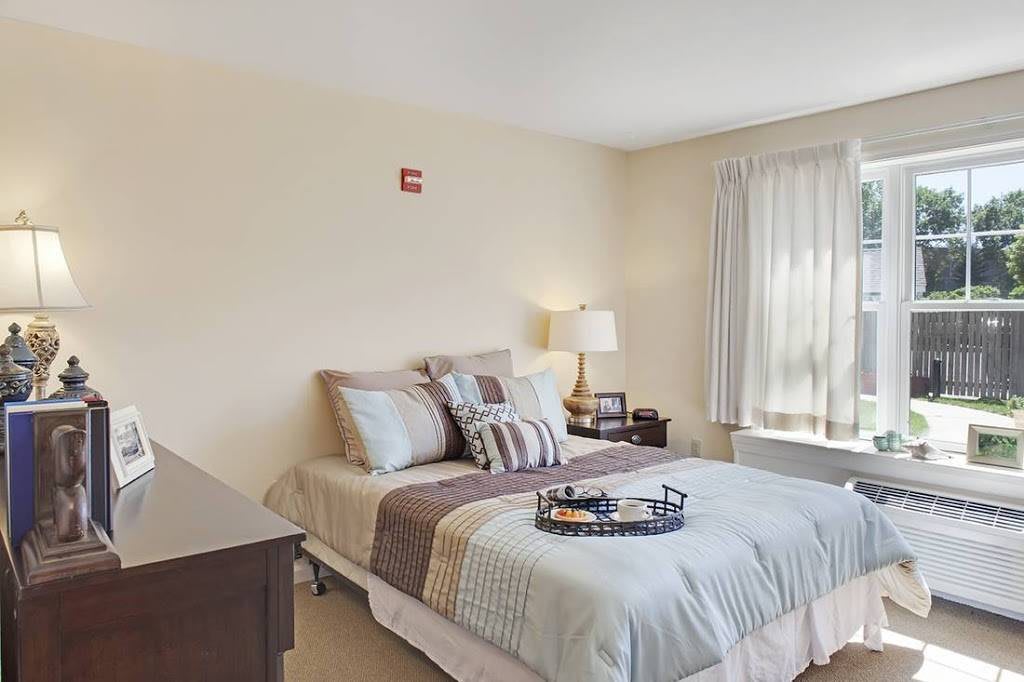
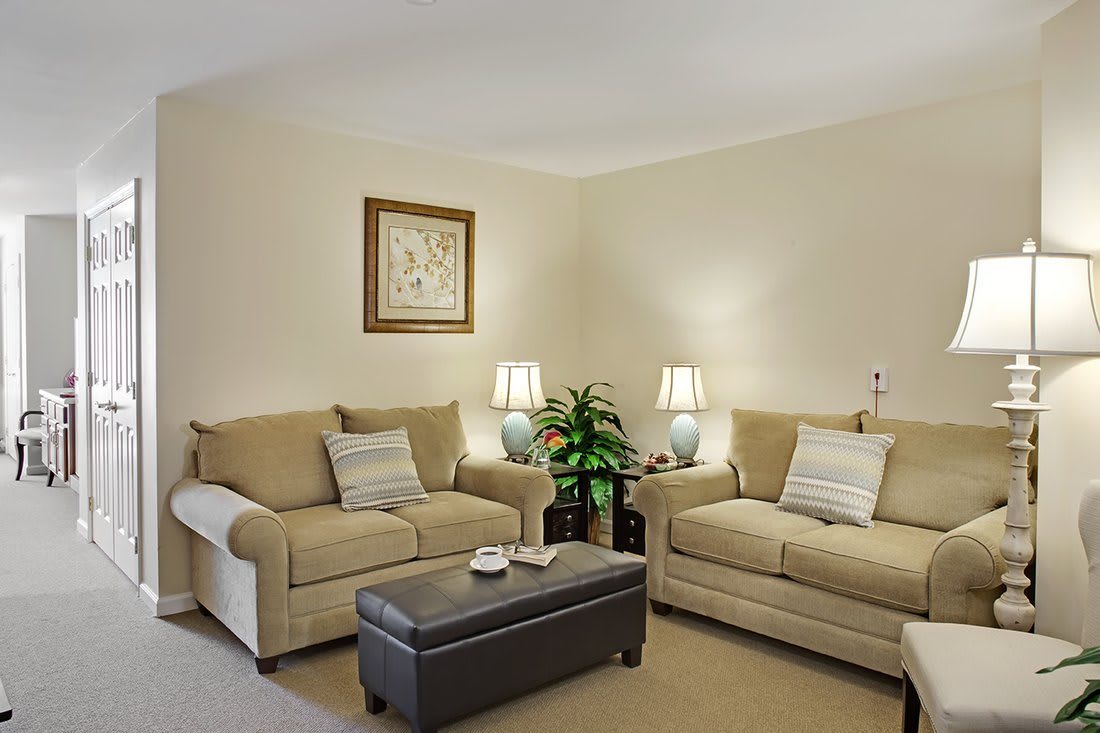
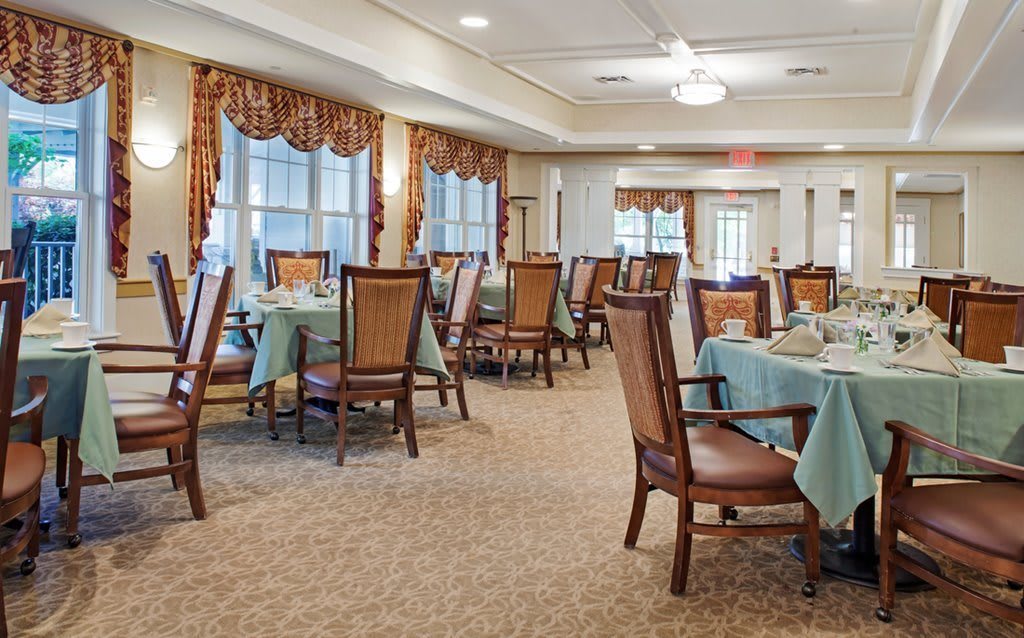
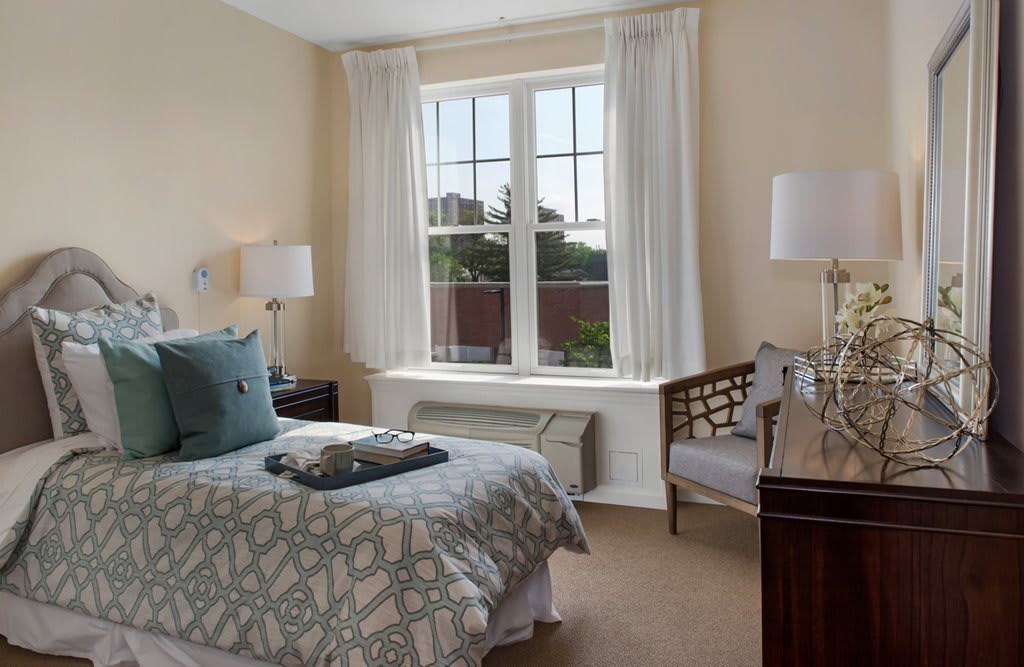
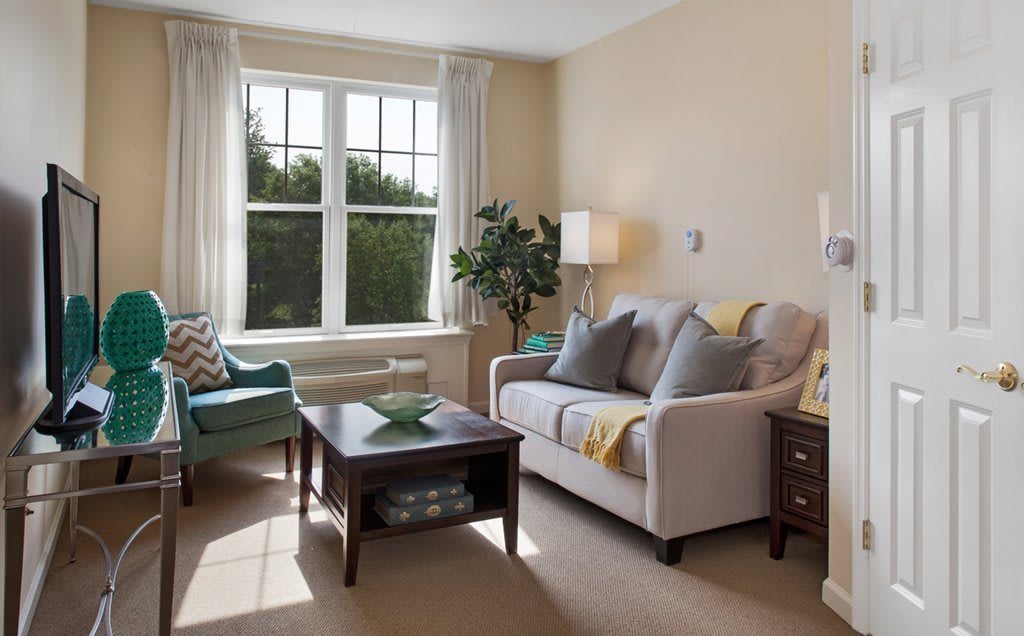
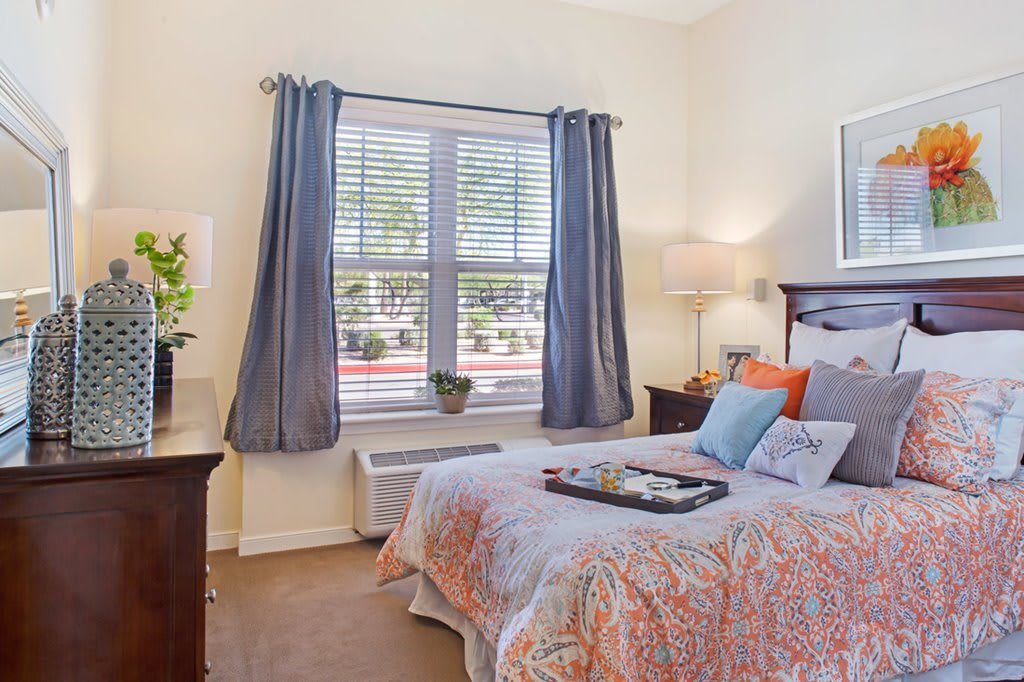
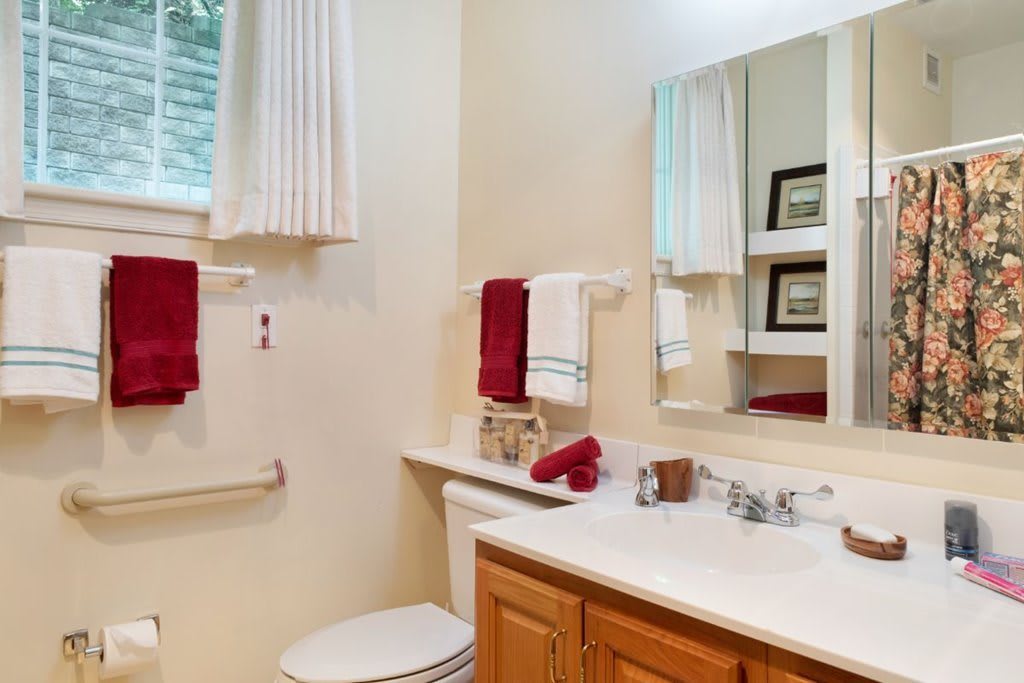
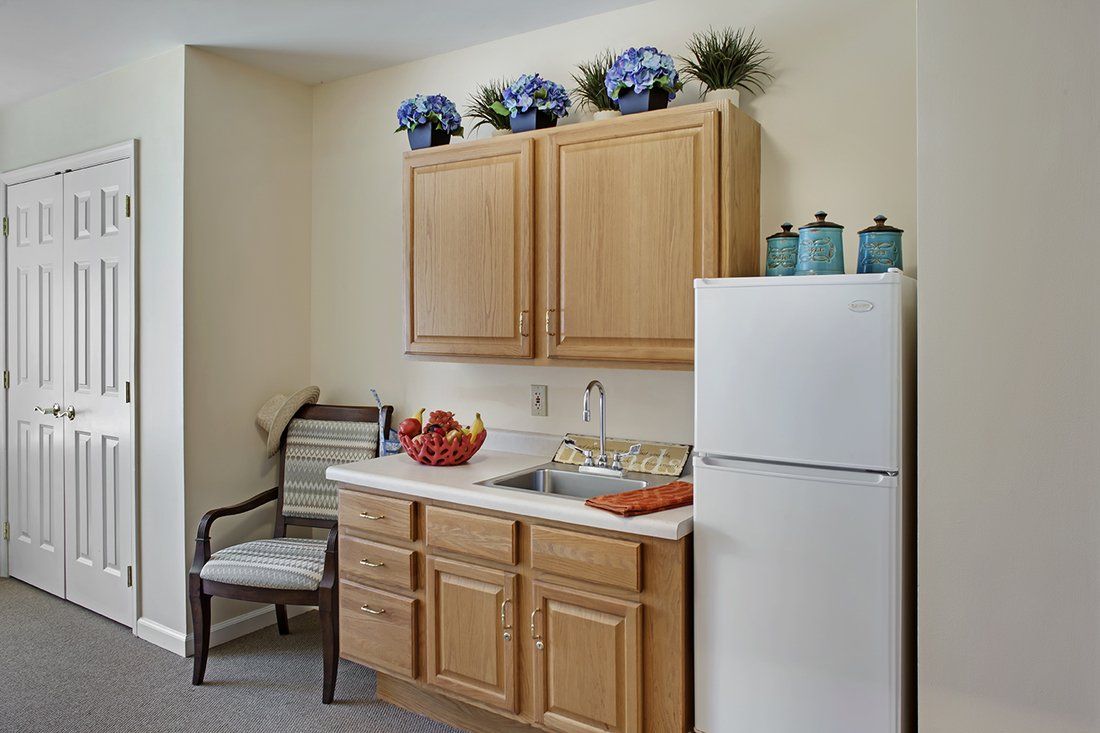
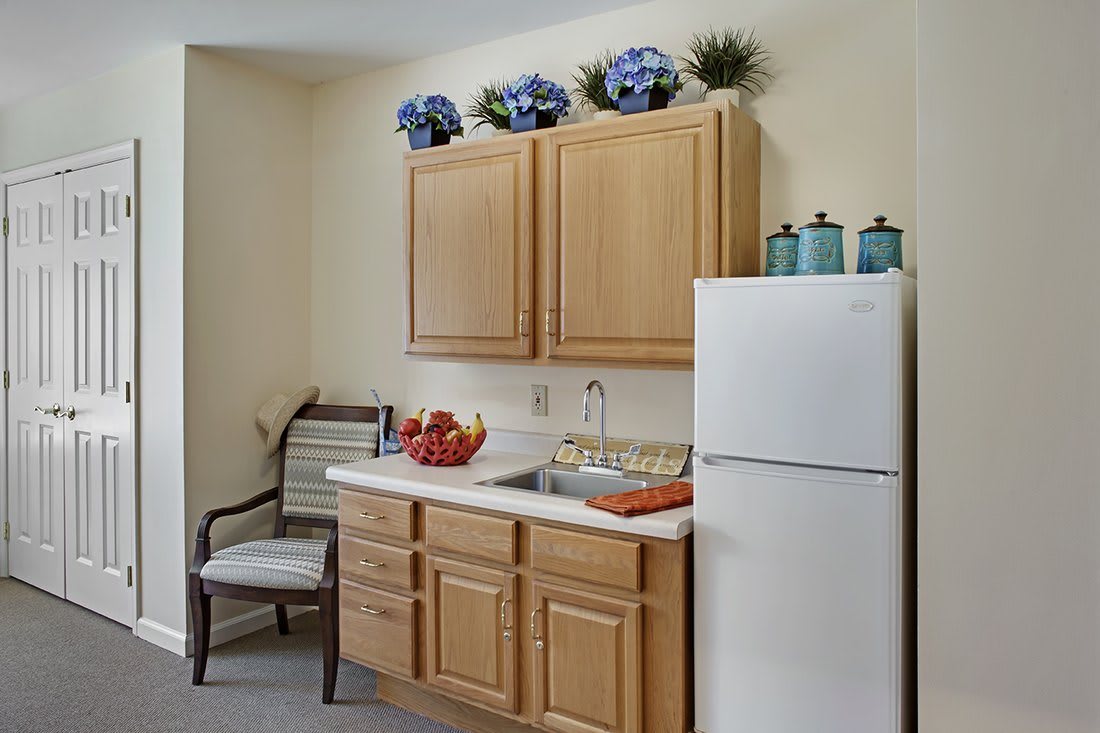
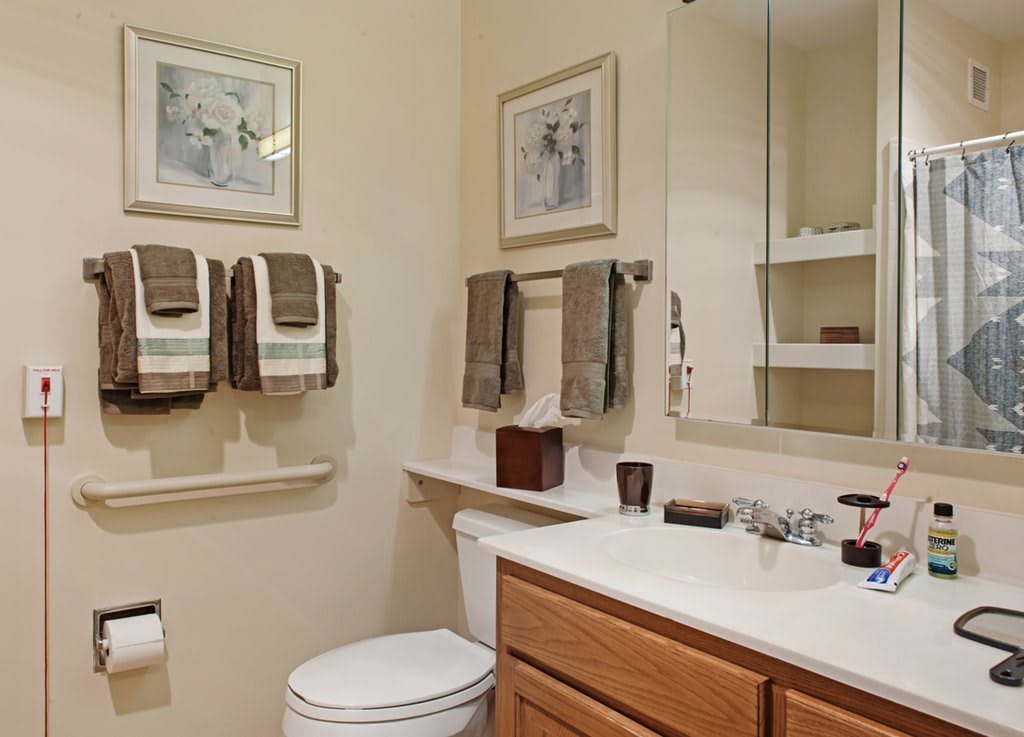
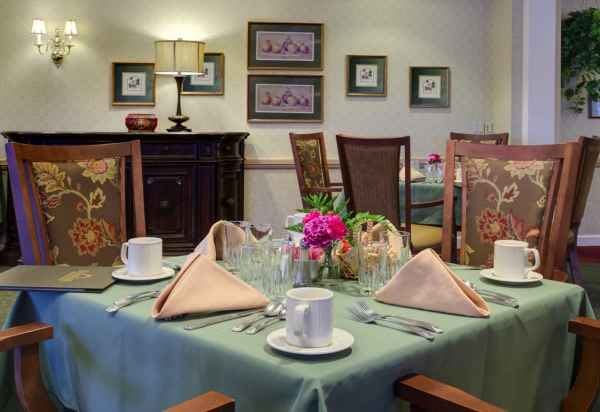
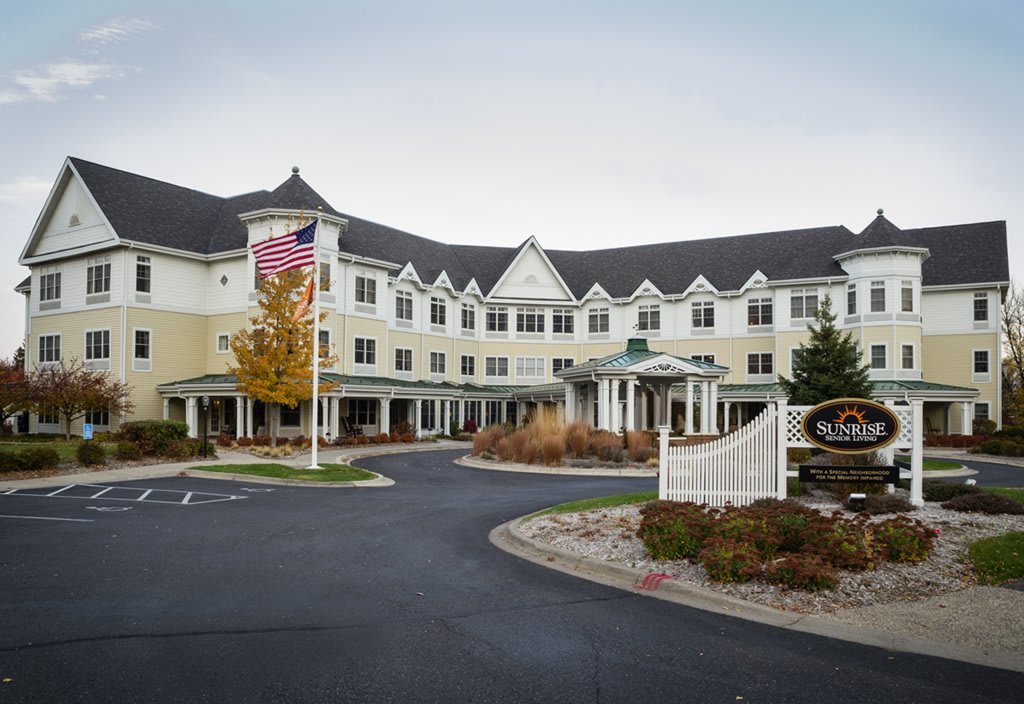
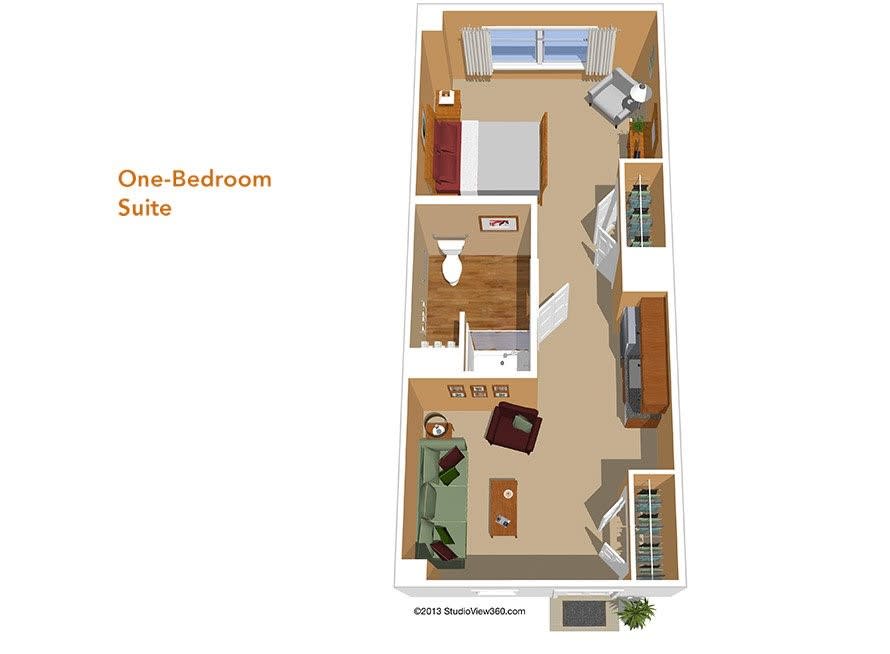
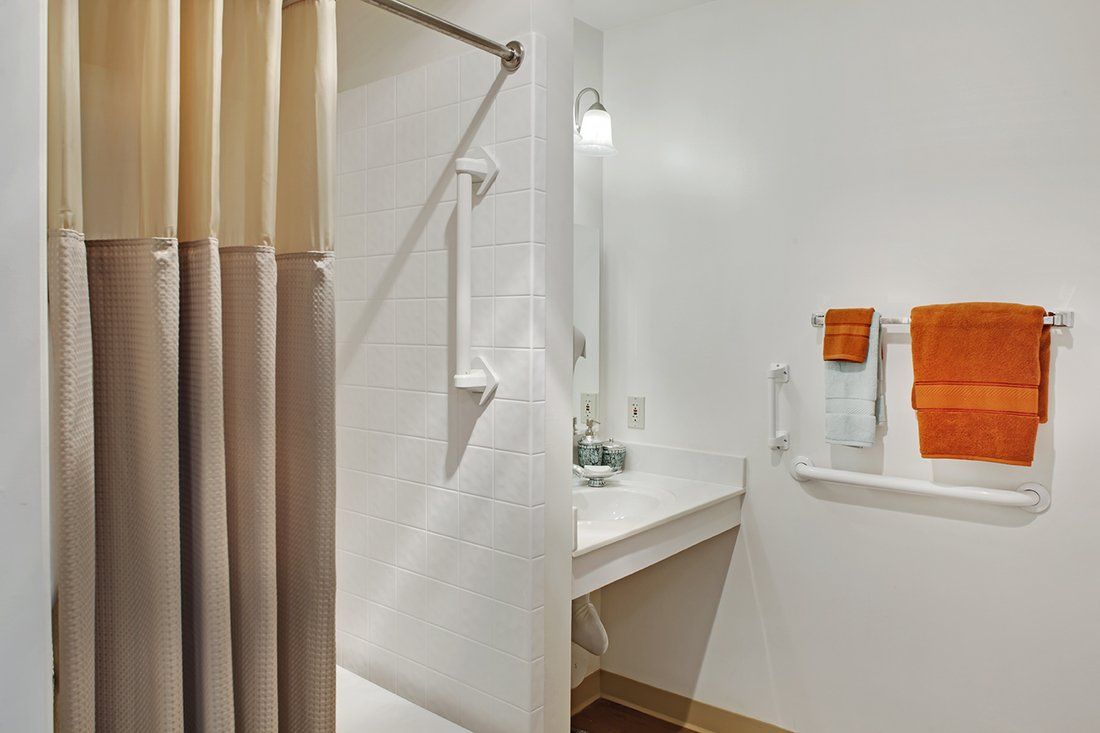
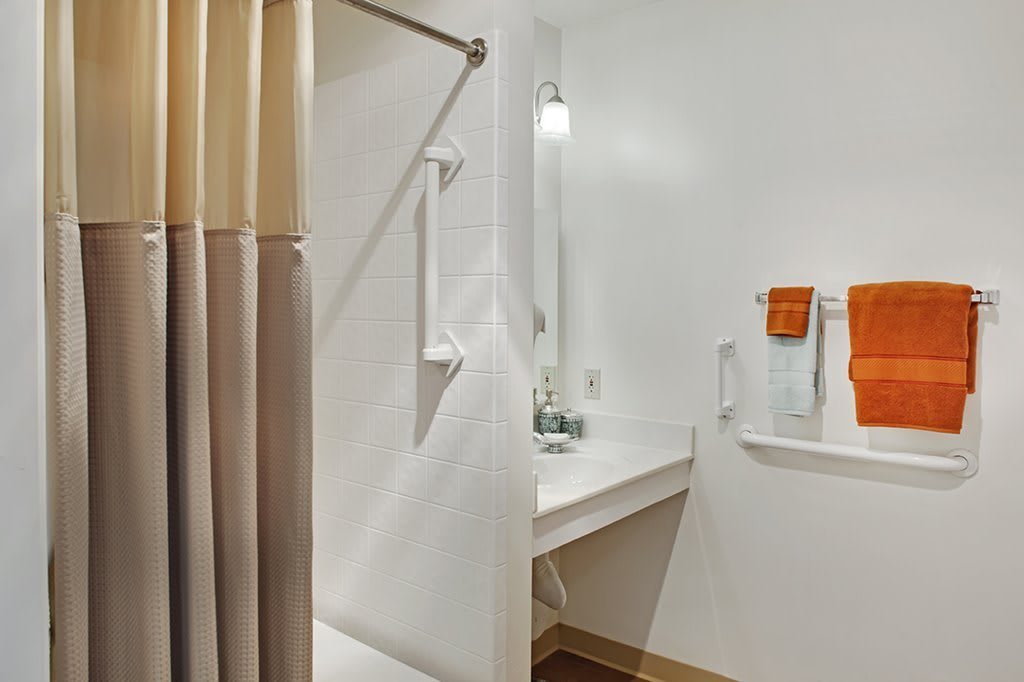
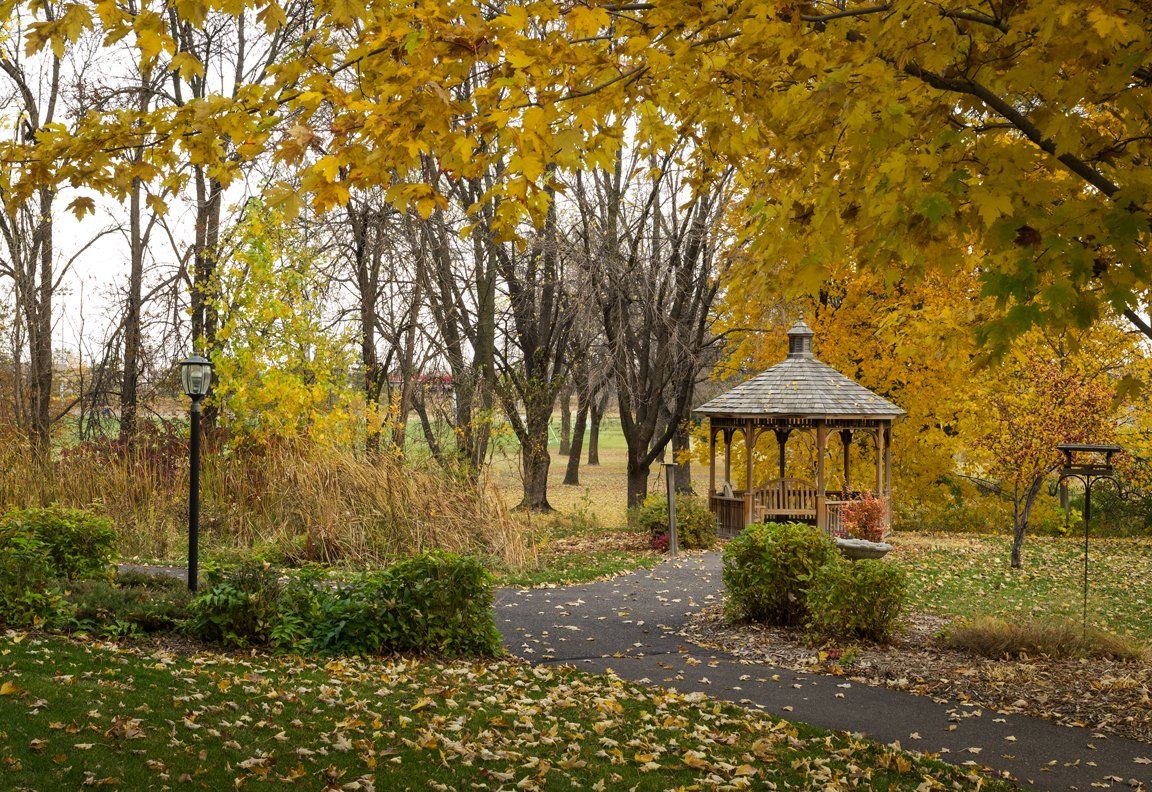
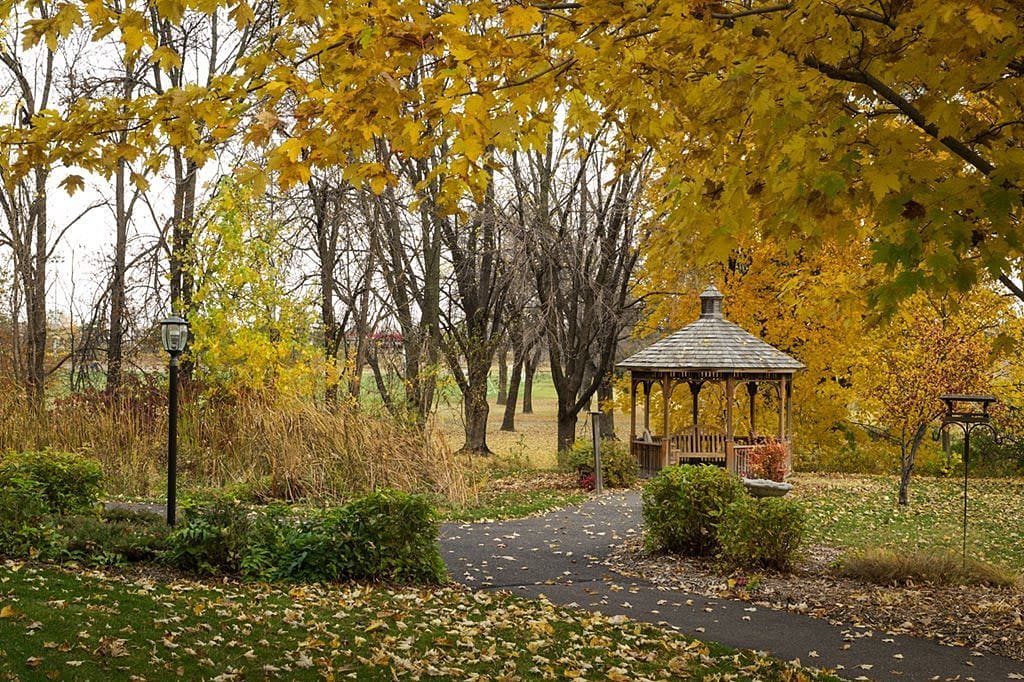
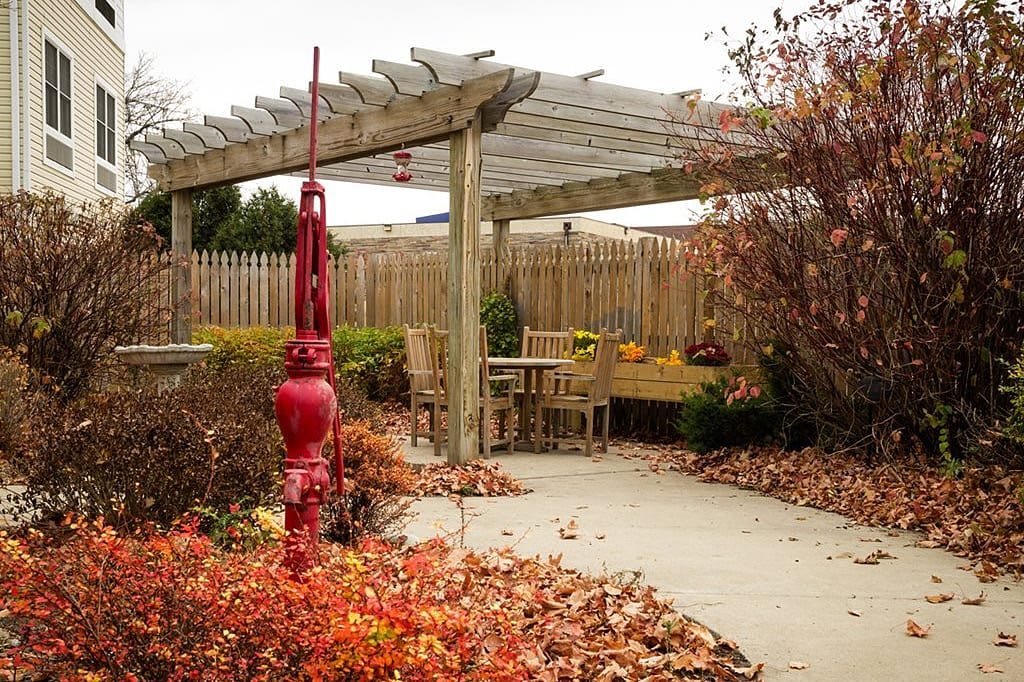
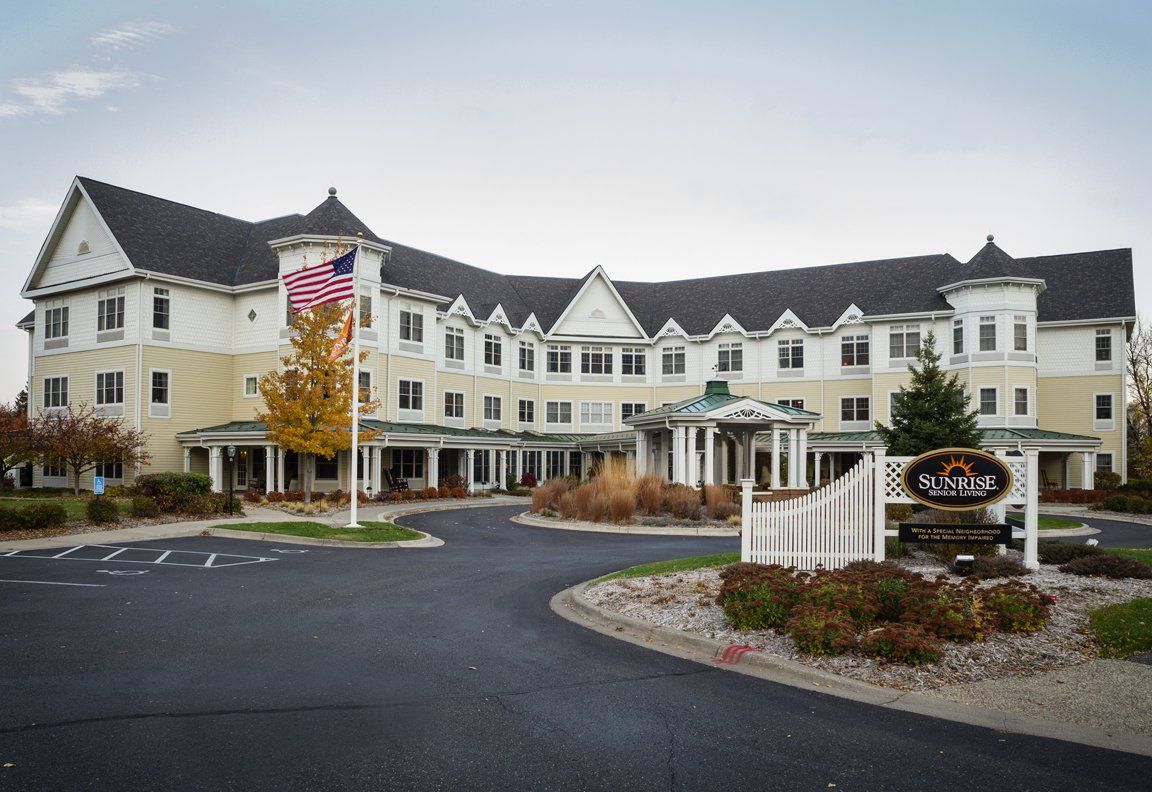
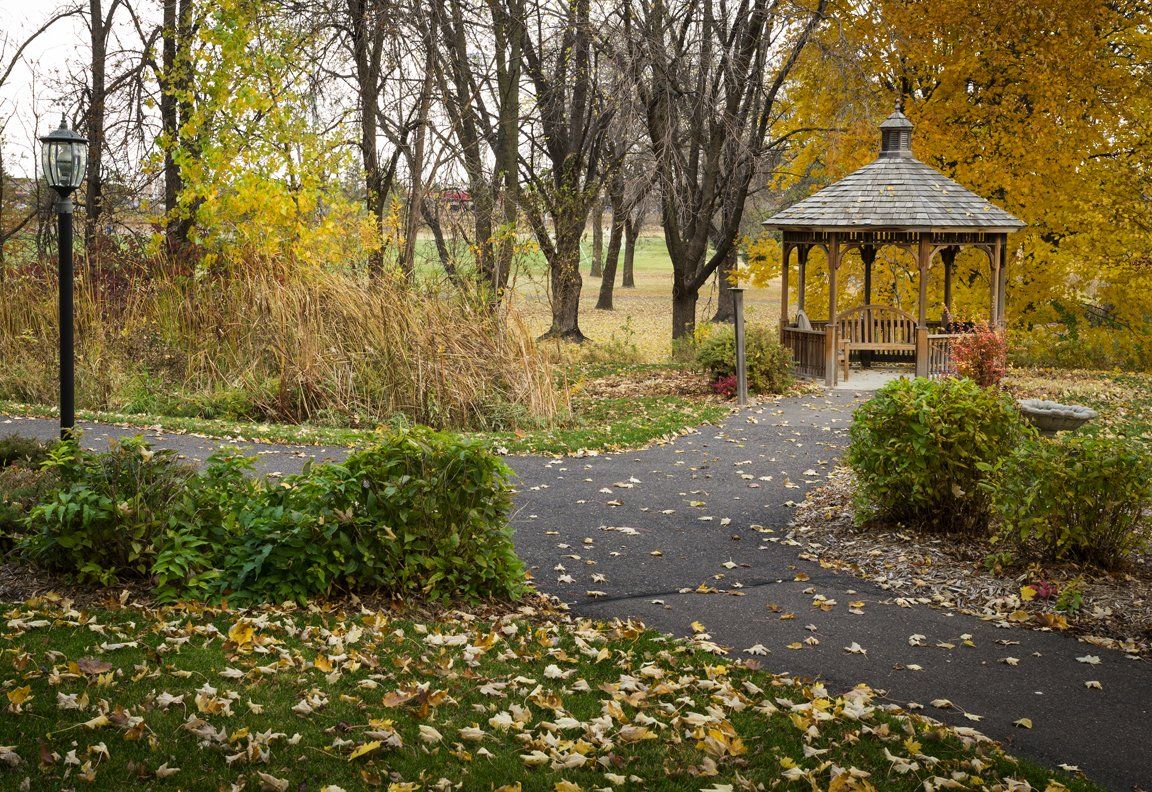
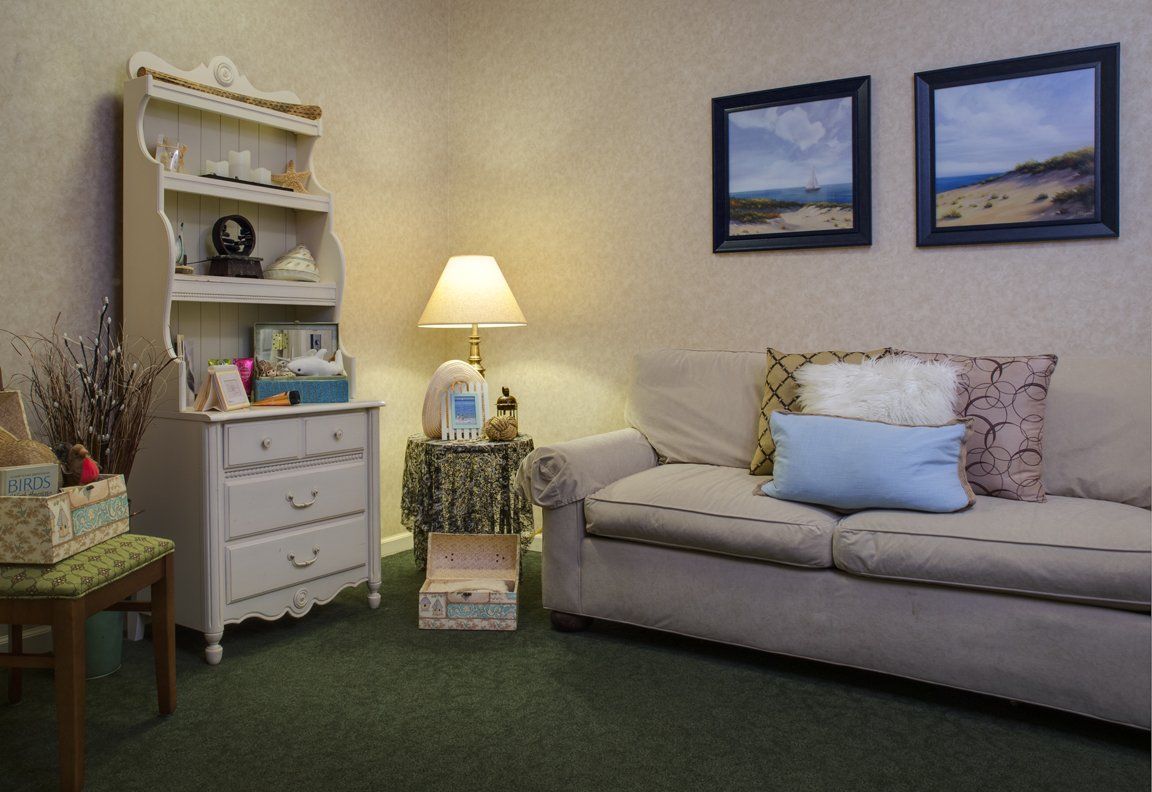
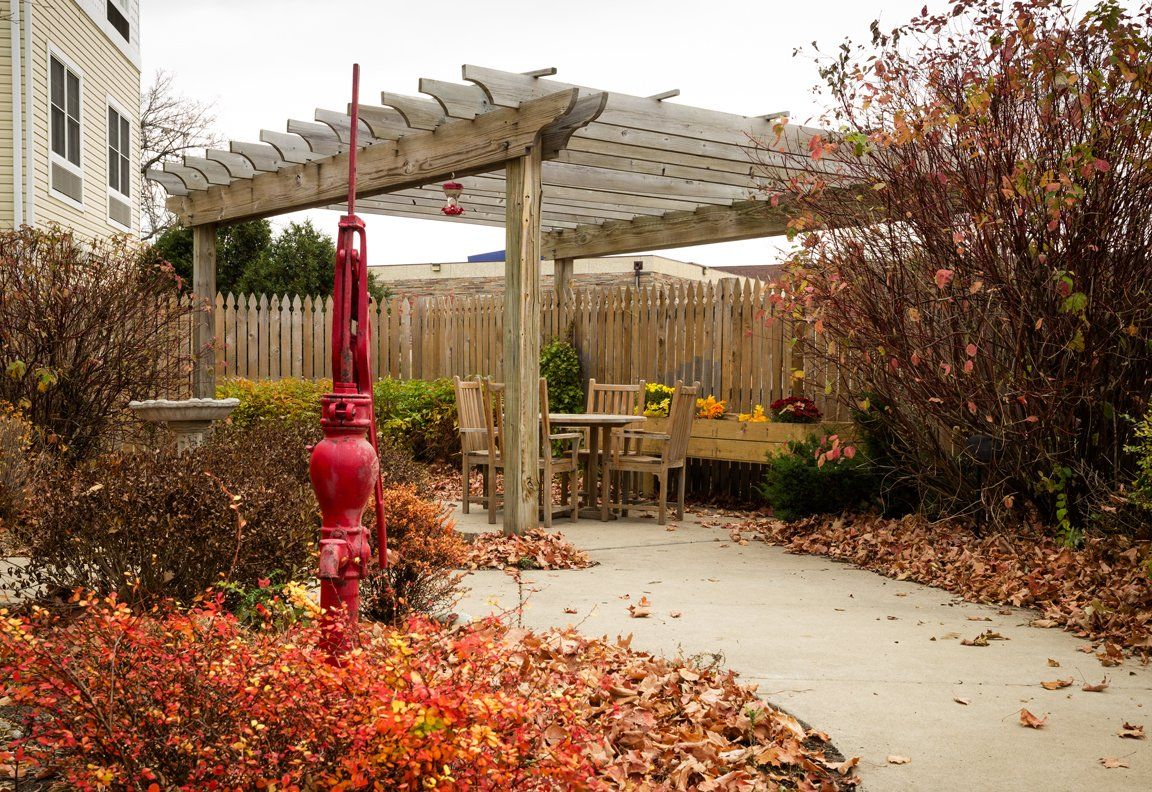
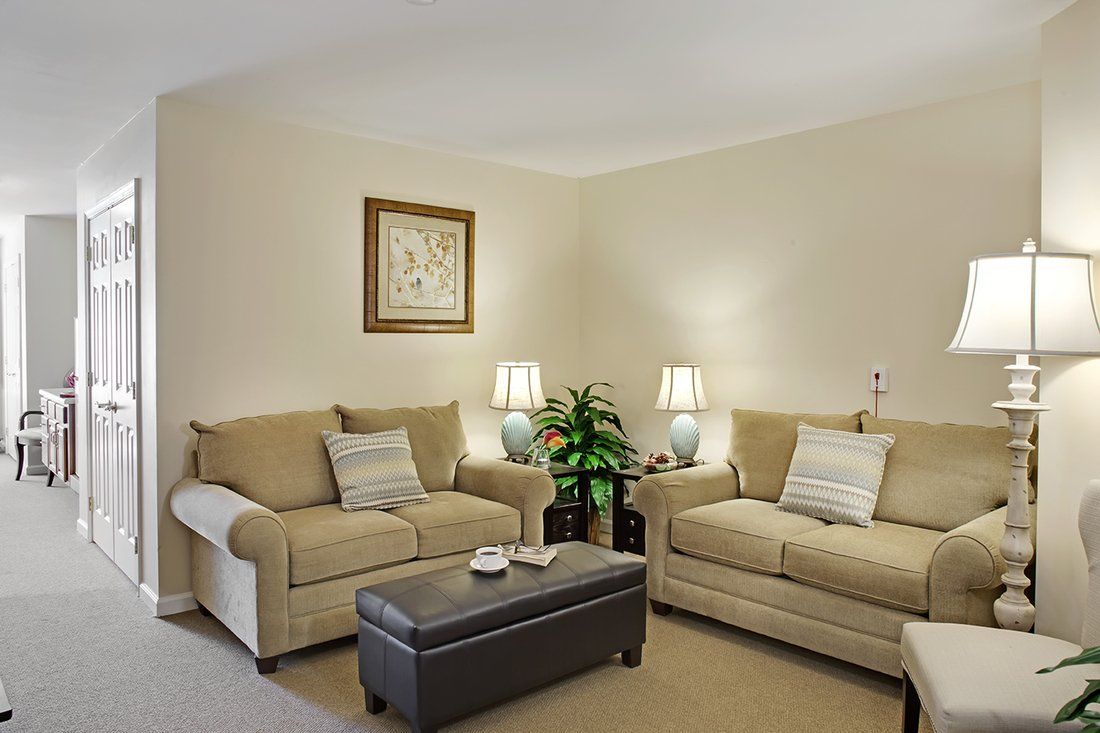
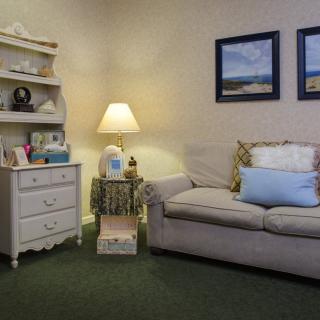
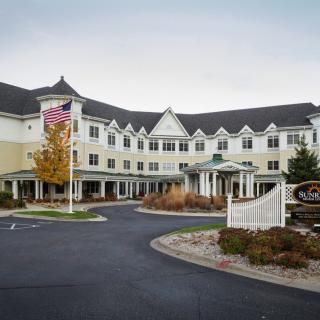
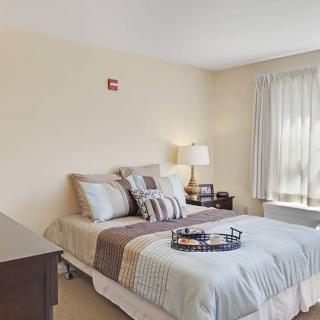
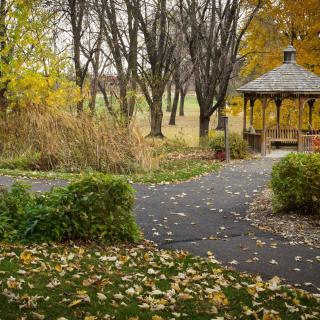
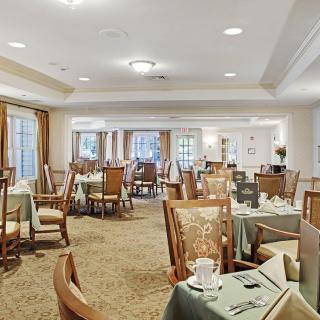
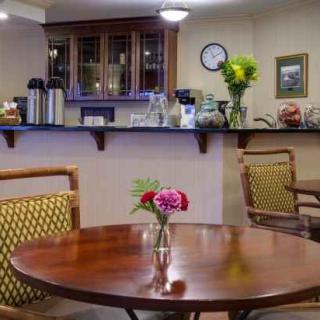
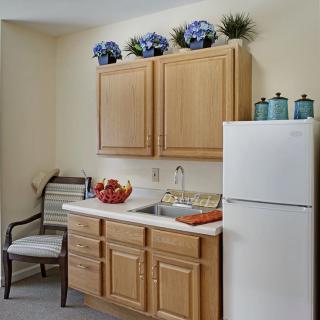
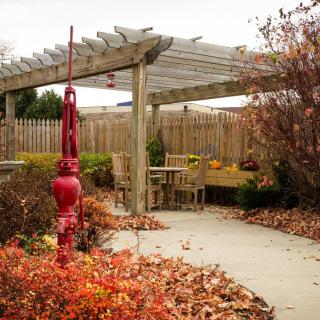
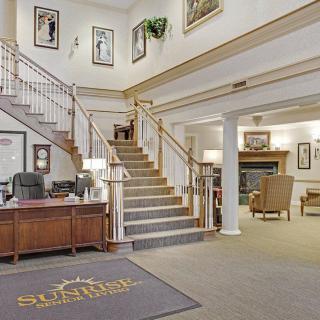
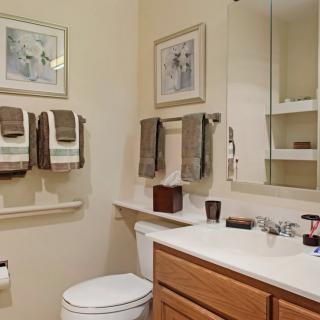
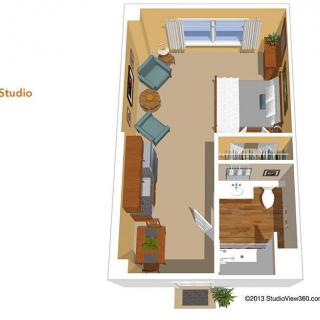
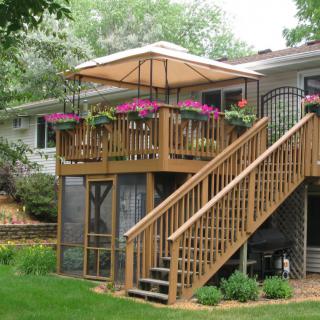
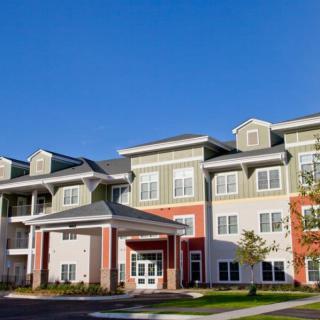
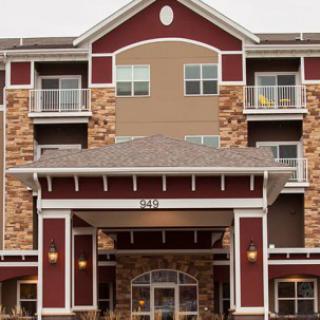
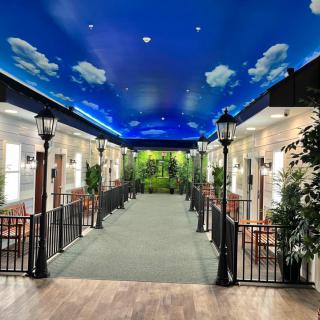
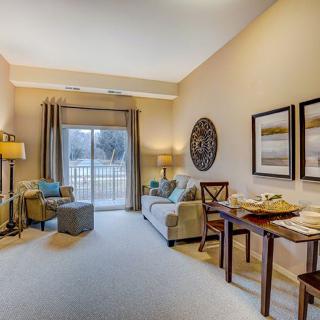
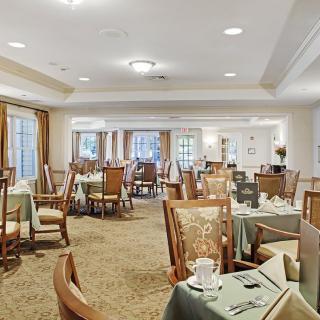
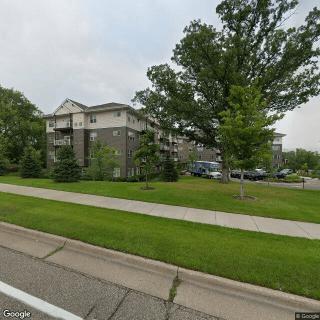
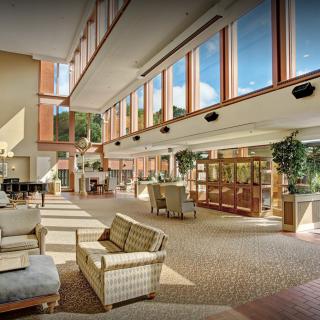
Sunrise of Roseville on seniors.fyi includes 34 photos including images showing interior, decor, floor plan, dining, bathroom, bedroom, living room, windows, and more.
Nearby Communities
RosePointe I
Roseville, MN
5 from 54 reviews
$1,660 to $2,430 / month
Vibrant activities and a friendly staff create a welcoming, active community.
RosePointe II
Roseville, MN
5 from 24 reviews
$930 to $1,155 / month
Vibrant community with engaging activities and a strong sense of community.
Coventry Apartments
Roseville, MN
3 from 25 reviews
Excellent access to nearby amenities and healthcare.
Sifu Heath
Roseville, MN
Fully furnished spaces with comprehensive care and restaurant-style dining.
Carepoint Home
Roseville, MN
3.3 from 28 reviews
24/7 assistance with restaurant-style dining and in-unit kitchenette plus a mental wellness program.
Interim Home Style Services
Roseville, MN
4.7 from 13 reviews
Fully furnished apartments with 24/7 supervision, medication management, transportation to medical appointments, and organized activities.
Amira Choice Roseville at Lexington
Roseville, MN
4.7 from 47 reviews
Modern, well-maintained facility with attentive staff.
Johanna Shores
Arden Hills, MN
3.9 from 83 reviews
Beautiful, resort-like environment with extensive on-site amenities and engaging activities.
Langton Shores
Roseville, MN
3.6 from 7 reviews
Attentive staff and good meal service with a caring atmosphere.
Memory care activities are essential for improving the quality of life of seniors with cognitive impairments, as they stimulate cognitive function, promote well-being, and encourage social interaction through tailored strategies. These activities combine structured exercises with spontaneous tasks, sensory engagement, physical workouts, creative pursuits, and intergenerational interactions to enhance emotional connection and a sense of purpose.
Transitioning from assisted living to memory care is driven by an individual's cognitive decline and specific needs, requiring careful evaluation of indicators like increased confusion and wandering. The process involves consulting medical professionals, researching suitable communities, considering financial and legal aspects, and ensuring effective communication for personalized care plans.
The article differentiates between assisted living and memory care, explaining that assisted living supports seniors with daily activities while promoting independence, whereas memory care provides specialized services for individuals with dementia, focusing on secure environments and cognitive support. It also addresses staff training, safety considerations, costs, family involvement, and transition strategies for families navigating these care options.
Get PricingAsk A QuestionSchedule A TourContact Senior Advisor
By clicking submit, you agree to our Partner's Terms of Use. You
also consent to receive calls and texts, which may be autodialed, from our Partner. Your consent is not a condition to
using our Partner's service. Please visit our Partner's Privacy Policy for information about their privacy practices.



 1-bedroom apartments
 Assisted Living
 Memory Care
 Cats allowed
 Dogs allowed
 Activities off-site
 Air-conditioning
 Beautician on-site
 Cable or satellite TV
 Cafe
Cafe Computer center
 Continuing learning programs
 Devotional services off-site
 Dining room
 Fitness room
 Fully furnished
 Gaming room
 Garden
 Ground floor units
 Handicap accessible
 Housekeeping services
 Indoor common areas
 Kitchenette
 Laundry
 Located close to restaurants
 Located close to shopping centers
 Move-in coordination
 Outdoor common areas
 Outdoor patio
 Party space
 Pet friendly
 Private bathrooms
 Resident parking
 Respite or short term stays offered
 Restaurant-style dining
 Security gate
 Small library
 Spa
Spa Telephone
 Wheelchair accessible showers
 Wi-Fi/high-speed internet available
 Minneapolis-St Paul International (10 miles away)
 Community operated transportation
 24-hour call system
 Assistance with bathing
 Assistance with dressing
 Assistance with transfers
 Diabetes diet
 Diabetic care
 High acuity care
 Hospice waiver
 Incontinence care
 Medication management
 Mental wellness program
 Special dietary restrictions
 Transportation arrangement (medical)
 Art classes
 Concierge services
 Cooking classes
 Day trips and outings
 Educational speakers / life long learning
 Happy hour
 Karaoke
 Live musical performances
 Wine tasting
 English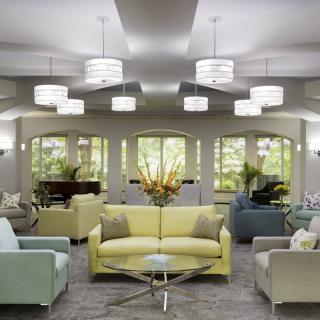
 Vibrant activities and a friendly staff create a welcoming, active community.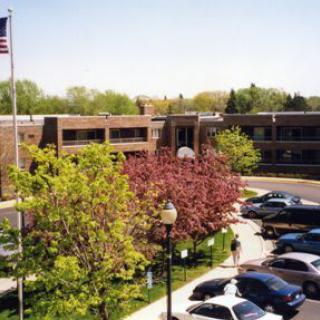


 Engaging Memory Care Activities That Enhance Quality of Life
 When to Transition from Assisted Living to Memory Care: Key Indicators, Steps, and Finding the Right Community
 Understanding the Distinctions: Assisted Living and Memory Care Explained