Saint Therese Of Woodbury

Save

Saint Therese Of Woodbury

7555 Bailey Road, Woodbury, MN 55129

For more information about senior living options: (844) 490-3973

3.9 from 53 reviews
5 stars
31
4 stars
6
3 stars
3
2 stars
4
1 stars
9

Assisted Living Continuing Care Retirement Community (CCRC) Skilled Nursing Facility

What level of care are you interested in?

Assisted Living

Memory Care

Independent Living

Skilled Nursing Facility

Continuing Care Retirement Community (CCRC)CCRC

Other


Request a tour at Saint Therese Of Woodbury

    Overall Review of Saint Therese Of Woodbury

    Pros

    • pro The facility is beautiful, clean, and welcoming.
    • pro The staff were kind, caring, and genuinely attentive to residents' needs.
    • pro The physical therapists and nurses were fantastic and played a huge role in recovery.
    • pro The environment is homely and inviting, with well-furnished common areas.
    • pro The meals were delicious, nutritious, and delivered with good humor.
    • pro The staff remembered residents and made them feel valued, even after short absences.
    • pro They would recommend Saint Therese to others seeking a compassionate, high-quality care environment.

    Cons

    • pro Her blood sugar wasn't checked during the first week, and she wasn't receiving insulin.
    • pro Meals sometimes arrived late or were not as warm as expected.
    • pro There were days when it seemed the staff was short-staffed.
    • pro It was obvious some staff were more engaged than others.
    • pro Staff were overheard complaining and swearing loudly about a patient.
    • pro The care coordinator M.B. was described as arrogant and condescending.
    • pro Billing issues included a $2,800 copay bill mailed when there was no copay.
    • pro Food and meals were horrendous and frequently did not align with patient selections.
    • pro Admissions staff signed documents without the patient's permission; e-signatures were used.
    • pro There were safety concerns, including delayed responses to call buttons and a lack of clear emergency procedures.

    Review

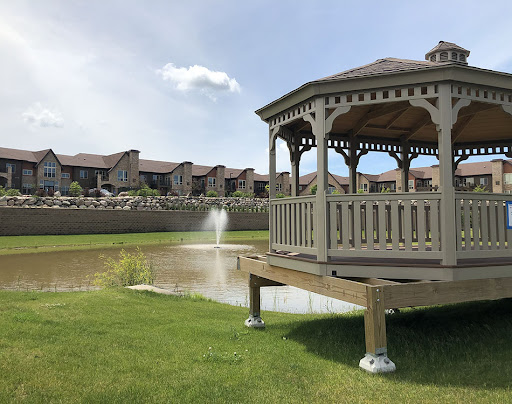
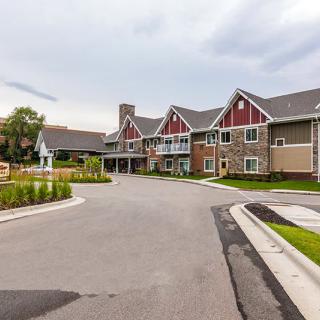
    Saint Therese of Woodbury's Transitional Care Unit emerges in these experiences as a place of real warmth and care, with a setting that many families found welcoming and well maintained. Reviewers consistently describe the facility as beautiful, clean, and inviting, a space that feels comfortable for residents and their visiting loved ones. The on-site atmosphere is repeatedly praised as homely and well-appointed, with residents and families noting that the environment itself helps people feel at ease as they navigate recovery and daily life.

    The heart of the praise centers on the people who work there. Across several accounts, the staff are described as kind, attentive, and genuinely invested in residents' well?being. Physical therapists and nurses are singled out as especially strong parts of the care team, with one resident noting that the therapy department was "fantastic" and a social worker helping coordinate emotional support and family communication. Several writers emphasize that the caregiving staff "truly loves and cares for the residents," and that the warmth of front desk personnel, kitchen staff, and activity coordinators contributes meaningfully to the daily experience. In many cases, families feel that the team is capable, compassionate, and dedicated to recovery and comfort.

    However, the narratives also acknowledge real-world bumps, as no facility is perfect. A notable concern involved diabetes management: during the first week, the patient's blood glucose levels were not being checked and insulin was not administered. The misstep appears to have been a communication gap - possibly between hospital and transitional care - but once the issue was raised with a social worker, monitoring became daily and proper care resumed. The takeaway for several families is that staff are not mind readers; proactive communication is essential, and when concerns are voiced, the team tends to respond promptly to restore appropriate care.

    Many reviews point out that engagement among staff can vary. Some days, certain staff members are clearly more attentive and responsive than others, and there are occasional complaints about meals arriving late or not staying warm, or about short-staffed days affecting service. Yet the common thread is that leadership is reachable and responsive; when concerns about cold meals or issues with a resident's room phone were raised, leadership acted quickly to address and correct the problems. The overall impression is that while consistency can sometimes be uneven, the leadership and care teams generally work to fix problems as they arise.

    A particularly reassuring thread comes from the August 2025 update, which describes a two-week transitional care stay that went "amazing" and proceeded smoothly from start to finish. A room switch requested by the resident was accommodated once a space opened up, and the staff were remembered fondly by the resident - an indicator that rapport with caregivers matters. The update highlights enjoyable meals (the mac and cheese earning special praise) and engaging activities like bingo and volleyball-style exercises, along with social interaction that residents relish. The overall sentiment shifts to a confident endorsement: the experience rose to a solid 5 out of 5, with gratitude extended to the entire Saint Therese team for making her feel welcomed and cared for.

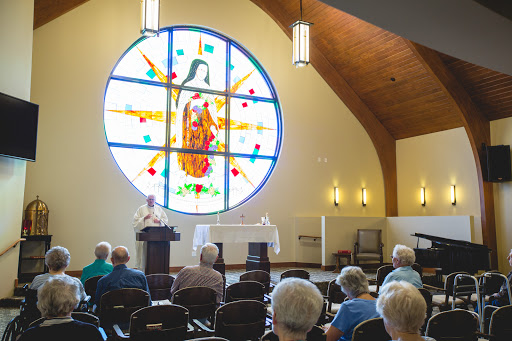
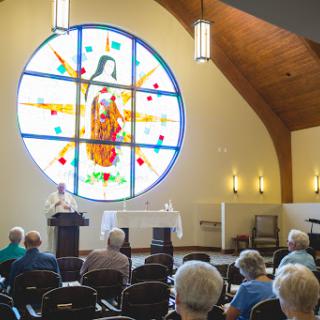
    Further voices echo the strength of the caregiving ecosystem on campus. Commentators share strong endorsements of the therapy team, noting compassionate and goal-oriented physical therapy, with explicit appreciation for therapists like Sue, Mara, and Sylvia. The broader campus narrative emphasizes not only clinical care but an inviting social fabric: well-furnished common areas, a cozy living room for visitors, a main-level bistro, and the chapel's stained glass - elements that contribute to a sense of community and continuity across levels of care. Families describe a consistent sense that staff values relationships with residents, making the campus feel like a nurturing home as opposed to a sterile institution.

    There are also heartfelt testimonials from families who have lived the continuum of care at Saint Therese - independent living, assisted living, memory care, and long-term care - who speak to a staff that genuinely loves and cares for residents across the board. These accounts paint a picture of a facility that, when operating to its strengths, provides a supportive, dignified, and well-rounded experience. The positive voices emphasize the beauty of the facility, the depth of staff commitment, and the sense that the campus is a place where families can feel confident that their loved ones are treated with respect and kindness.

    Yet, not every review aligns with the glowing consensus. A number of testimonies raise significant concerns that prospective families should weigh carefully. One reviewer describes a highly negative experience - particularly around billing and administration - calling a care coordinator arrogant and condescending and detailing disputed co-pay charges, botched referrals, and a sense that staff could be uncaring or dismissive in safety-critical situations. The same account mentions the feeling that meals were not aligned with patient orders, inconsistent meal delivery, and a patient experience affected by administrative friction rather than clinical care. Another reviewer reports that admissions documents were signed without consent, a matter that understandably raises alarms about consent and transparency. In short, these accounts underscore the importance of clear communication, patient-centered consent processes, and reliable administrative practices to accompany strong clinical care.

    There are also more pointed observations about safety and responsiveness. One reviewer recalls a situation where a patient's call button did not elicit timely assistance, describing a lack of accountability that could undermine trust in the facility's safety culture. A related account notes overheard staff complaints and swearing, which colors the overall perception of the environment during that period and leads to caution about consistency in day-to-day professional conduct across all shifts. While some families report excellent communication and quick problem-solving, others warn that variability in staff engagement and operational efficiency can materially impact the resident experience.

    Taken together, the narratives tell a story of Saint Therese as a place with substantial strengths and a capacity for exceptional care, especially in rehabilitation, nursing attentiveness, and compassionate interaction with residents and families. The facility's beauty, cleanliness, and welcoming atmosphere consistently contribute to a positive impression, while the quality of care hinges on effective communication, administrative reliability, and staffing consistency. For families considering Saint Therese, the message is clear: there is much to admire and rely on - particularly in therapy and daily caregiving - but it is wise to advocate for clear plans, confirm billing details in writing, and stay engaged with the care team to ensure a uniformly excellent experience across all facets of the resident's stay.

    Features

    Housing

    • 21 resident community capacity 21 resident community capacity

    Types of Care

    • Assisted Living Assisted LivingAssisted living facilities provide crucial support and care for seniors who may need help with daily tasks such as medication management, bathing, and meal preparation. These communities offer a safe and comfortable environment where seniors can maintain their independence while receiving the assistance they need to thrive in their golden years.
    • Continuing Care Retirement Community (CCRC) Continuing Care Retirement Community (CCRC)Continuing Care Retirement Communities (CCRCs) are important for seniors because they provide a range of housing options and care services all in one location. This allows seniors to age in place and receive the level of care they need as their health changes, without having to move to a new facility. CCRCs provide a sense of security and peace of mind for seniors and their families, knowing that they will be taken care of no matter what the future holds.
    • Skilled Nursing Facility Skilled Nursing FacilitySkilled Nursing Facilities are crucial for seniors as they provide round-the-clock medical care, rehabilitation services, and assistance with daily activities. These facilities ensure that seniors receive the specialized care they need to maintain their health and well-being as they age.

    Amenities

    • Beauty salon Beauty salonBeauty salons are important for seniors because they provide a space for them to feel pampered, socialize, and maintain their personal grooming and hygiene. Regular visits to a beauty salon can help boost seniors' self-esteem and overall well-being.
    • Cable or satellite TV Cable or satellite TVCable or satellite TV is important for seniors because it provides entertainment, news, and companionship, helping to combat loneliness and boredom. It also offers a wide range of programming options tailored to different interests and preferences.
    • Dining room Dining roomDining rooms are important for seniors as they provide a space for socialization, connection, and nutritious meals. They offer opportunities for residents to bond over shared meals, foster a sense of community, and promote healthy eating habits. Dining rooms also ensure that seniors have access to well-balanced meals tailored to their dietary needs and preferences.
    • Fully furnished Fully furnishedFully furnished senior living communities are important for seniors because they provide convenience, comfort, and a hassle-free moving experience. Seniors can easily settle into their new living space without the stress of having to buy and move furniture. This allows them to focus on enjoying their new home and community.
    • Garden GardenGardens are important for seniors as they provide a peaceful and therapeutic environment for relaxation, physical activity, and socialization. Being in nature has been shown to reduce stress, improve mood, and promote overall well-being. Gardens also offer opportunities for seniors to engage in gardening activities, which can improve mobility, flexibility, and cognitive function. Additionally, gardens create a sense of community and connection with others who share a passion for plants and outdoor spaces.
    • Housekeeping services Housekeeping servicesHousekeeping services are important for seniors because they help maintain a clean and safe living environment, promote independence, and reduce the risk of accidents or illnesses. Additionally, having assistance with household chores can alleviate physical strain and allow seniors to focus on other aspects of their well-being.
    • Kitchenette KitchenetteKitchenettes are important for seniors living in senior living communities because they provide the convenience and independence of being able to prepare simple meals and snacks in the comfort of their own living space. This can help promote a sense of autonomy and well-being for seniors, allowing them to maintain some level of control over their dietary choices and daily routines.
    • Move-in coordination Move-in coordinationMove-in coordination is important for seniors because it helps ease the transition into their new living environment. It ensures that all logistics, such as packing, organizing movers, and setting up utilities are taken care of, allowing seniors to focus on settling in and adjusting to their new home. Having a smooth move-in process can alleviate stress and anxiety, making the transition smoother and more enjoyable for seniors.
    • Outdoor space Outdoor spaceOutdoor spaces are important for seniors as they provide opportunities for physical activity, social interaction, exposure to natural light and fresh air, and a sense of connection to nature. Having access to outdoor spaces can improve overall well-being and quality of life for older adults living in senior communities.
    • Telephone TelephoneTelephones are important for seniors as they provide a lifeline for communication with loved ones, emergency services, and healthcare providers. They offer a sense of security and independence, enabling seniors to stay connected and access assistance when needed.
    • Wi-Fi/high-speed internet available Wi-Fi/high-speed internet availableWi-Fi/high-speed internet is important for seniors to stay connected with loved ones, access online resources, and participate in virtual activities to combat feelings of loneliness and isolation. It also allows them to easily manage healthcare needs, access entertainment, and engage in lifelong learning opportunities.

    Transportation

    • Minneapolis-St Paul International (13 miles away) Minneapolis-St Paul International (13 miles away)

    Care Services

    • 24-hour call system 24-hour call system24-hour call systems are important for seniors because they provide peace of mind and immediate assistance in case of emergencies. This technology ensures that help is always available, promoting safety and security for elderly individuals living alone or in assisted living facilities.
    • 24-hour supervision 24-hour supervision24-hour supervision is important for seniors to ensure their safety, well-being, and access to immediate assistance in case of emergencies or health issues. This constant support provides peace of mind for both seniors and their loved ones, allowing them to age in place with dignity and security.
    • Activities of daily living assistance Activities of daily living assistanceActivities of daily living assistance are important for seniors because they provide essential support with tasks such as eating, bathing, dressing, and mobility. This assistance helps seniors maintain their independence, dignity, and overall quality of life as they age.
    • Assistance with bathing Assistance with bathingAssistance with bathing is crucial for seniors as it helps maintain personal hygiene, prevents infections, and ensures their overall well-being and comfort. It also provides a sense of dignity and independence for seniors who may struggle with this task on their own.
    • Assistance with dressing Assistance with dressingAssistance with dressing is important for seniors because it helps maintain their independence, promotes personal hygiene, prevents accidents and injuries, and improves overall quality of life. This service ensures that seniors can continue to dress comfortably and confidently, despite any physical limitations they may have.
    • Assistance with transfers Assistance with transfersAssistance with transfers is crucial for seniors as it helps prevent falls and injuries, maintains their independence, and ensures they can safely navigate their living environment. It also provides peace of mind for both seniors and their loved ones.
    • Coordination with health care providers Coordination with health care providersCoordination with health care providers is crucial for seniors to ensure proper medical care, medication management, and overall well-being. This collaboration helps prevent overlapping treatments, track progress more effectively, and provide comprehensive support tailored to individual needs.
    • Diabetes diet Diabetes dietA diabetes diet is crucial for seniors as it helps manage blood sugar levels, reduce risks of complications, and improve overall health and well-being. By following a balanced and nutritious diet tailored to their specific needs, seniors can better control their diabetes and enhance their quality of life.
    • Meal preparation and service Meal preparation and serviceMeal preparation and service are crucial for seniors as they may have limited mobility or energy to cook nutritious meals. Having access to healthy and convenient food options can ensure they are getting the proper nutrition needed to maintain their overall health and well-being.
    • Medication management Medication managementMedication management is crucial for seniors to ensure they are taking the right medications at the correct dosages and times. This helps prevent adverse drug interactions, reduces the risk of medication errors, and promotes overall health and well-being. Proactive management also allows for adjustments as needed based on changing health conditions or new prescriptions.
    • Mental wellness program Mental wellness programMental wellness programs are essential for seniors as they promote cognitive stimulation, emotional support, and social engagement. These programs help prevent isolation, depression, and cognitive decline, ultimately enhancing the overall quality of life for older adults.
    • Special dietary restrictions Special dietary restrictionsSpecial dietary restrictions are important for seniors because age-related changes in metabolism and health conditions can make it difficult for their bodies to process certain foods. By following a diet tailored to their specific needs, seniors can maintain their overall health and well-being, manage chronic conditions, and reduce the risk of complications such as malnutrition or food interactions with medications.
    • Transportation arrangement (medical) Transportation arrangement (medical)Transportation arrangements for medical purposes are essential for seniors as they may have difficulty driving themselves to appointments or accessing public transportation. Having reliable and safe transportation options ensures that seniors can receive timely medical care and maintain their health and well-being.
    • Transportation to doctors appointments Transportation to doctors appointmentsTransportation to doctors' appointments is crucial for seniors as it ensures they have access to necessary medical care and support for their health needs. Without reliable transportation, seniors may struggle to attend important appointments, leading to potential delays in treatment and health complications. Providing transportation services helps seniors maintain their overall well-being and quality of life.

    Dining

    • Diabetes diet Diabetes dietA diabetes diet is crucial for seniors as it helps manage blood sugar levels, reduce risks of complications, and improve overall health and well-being. By following a balanced and nutritious diet tailored to their specific needs, seniors can better control their diabetes and enhance their quality of life.
    • Special dietary restrictions Special dietary restrictionsSpecial dietary restrictions are important for seniors because age-related changes in metabolism and health conditions can make it difficult for their bodies to process certain foods. By following a diet tailored to their specific needs, seniors can maintain their overall health and well-being, manage chronic conditions, and reduce the risk of complications such as malnutrition or food interactions with medications.

    Activities

    • Community-sponsored activities Community-sponsored activitiesCommunity-sponsored activities are important for seniors as they provide opportunities for social interaction, mental stimulation, and physical activity. These activities can help improve overall well-being, combat loneliness and isolation, and promote a sense of belonging and purpose among older adults.
    • Scheduled daily activities Scheduled daily activitiesScheduled daily activities are important for seniors because they provide structure, socialization, mental stimulation, and physical activity. Engaging in regular activities can improve overall well-being and quality of life for seniors living in a community setting.

    Description

    Saint Therese of Woodbury in Woodbury, MN is a welcoming and vibrant assisted living community that provides a wide range of care services to meet the unique needs of its residents. With a continuum of care approach, Saint Therese offers both Continuing Care Retirement Community (CCRC) and Skilled Nursing Facility services.

    The community boasts an array of amenities to ensure comfort and convenience for its residents. Each unit is fully furnished and features cable or satellite TV, a kitchenette, telephone, and Wi-Fi/high-speed internet access. Housekeeping services are provided regularly to maintain cleanliness and tidiness. Residents can enjoy the beautiful outdoor space and garden areas, perfect for relaxation or social gatherings.

    At Saint Therese of Woodbury, the well-being and safety of residents are paramount. A team of dedicated caregivers provides 24-hour supervision and assistance with activities of daily living such as bathing, dressing, and transfers. The staff also ensures coordination with healthcare providers for any necessary medical treatments or appointments. Medication management services are available to help residents maintain their health routines efficiently.

    Nutrition is emphasized at Saint Therese, with special dietary restrictions taken into consideration during meal preparation and service. Diabetes diets can be accommodated to support healthy lifestyles. Additionally, the community offers scheduled daily activities to engage residents socially and mentally.

    Saint Therese's prime location in Woodbury provides easy access to various amenities nearby. Residents can find two cafes within close proximity for casual dining or meeting friends. Multiple parks offer opportunities for outdoor recreation such as walking or picnics. Pharmacies, physicians' offices, hospitals, restaurants, places of worship, theaters - all are conveniently situated near the community.

    With its comprehensive care options, comfortable accommodations, enriching activities program, and convenient location surrounded by numerous amenities - Saint Therese of Woodbury is a top choice for individuals seeking an assisted living community that values their well-being and independence.

    Nearby Places of Interest

    Physicians

    • Twin Cities Orthopedics Woodbury (0.4 miles)
    • Eric Thomas Becken (2.5 miles)
    • Aris Clinic (2.6 miles)
    • Periodontal Specialists P.A. (3.8 miles)
    • Minnesota Gastroenterology PA (3.9 miles)
    • Pediatric Surgical Associates (4 miles)
    • TRIA Orthopaedic Center (4.2 miles)

    Places of Worship

    • Five Oaks Community Church (0.5 miles)
    • Cottage Grove United Church of Christ (4.6 miles)
    • Eagle Brook Church - Woodbury Campus (4.8 miles)
    • Transfiguration Catholic Church (5.8 miles)
    • Cathedral of St Paul (8.6 miles)

    Parks

    • Ojibway Park (1.2 miles)
    • Meadow Grass Park (2.8 miles)
    • Fairway Meadows Park (3.6 miles)
    • Heritage Village Park (3.7 miles)
    • Kargel Park (3.7 miles)
    • Kingston Park (3.8 miles)
    • Heritage Village Off Leash Dog Park (4 miles)

    Restaurants

    • Punch Neapolitan Pizza (2.3 miles)
    • Chick-Fil-A (2.5 miles)
    • Junction 70 Grill (2.7 miles)
    • The Tavern Grill (3.3 miles)
    • Raising Cane's Chicken Fingers (3.5 miles)
    • Tamarack Tap Room (3.6 miles)
    • Muddy Cow - Cottage Gr (3.7 miles)

    Pharmacies

    • Walgreens (2.5 miles)
    • CVS Pharmacy (3.2 miles)
    • CVS Pharmacy (3.5 miles)
    • Walgreens (3.9 miles)
    • Hy-Vee Pharmacy (4.1 miles)
    • Walgreens (4.8 miles)
    • Walgreens (5.3 miles)

    Hospitals

    • Woodwinds Health Campus-Woodbury (2.5 miles)
    • St Joseph's Hospital-St Paul (8.3 miles)
    • Regions Hospital Burn Center (8.3 miles)
    • United Hospital Joint Relacement Center (8.5 miles)

    Cafes

    • Caribou Coffee (3.8 miles)
    • Starbucks (4.2 miles)

    Theaters

    • Alamo Drafthouse Woodbury (4.2 miles)
    • AMC Inver Grove 16 (5.4 miles)

    Transportation

    • Union Depot (7.7 miles)

    Frequently Asked Questions

    Where is Saint Therese Of Woodbury?
    What photos are available for Saint Therese Of Woodbury in Woodbury, Minnesota?

    Nearby Communities

    Related Resources

    • is assisted living tax deductibleIs Assisted Living Deductible on Your Taxes? Understanding the Complexities of Assisted Living Expenses and Deductions

      The deductibility of assisted living expenses on taxes hinges on factors like the individual's medical condition and service nature, typically requiring the resident to be "chronically ill" per IRS definitions. Taxpayers may deduct eligible medical expenses related to personal care services but generally not rent unless primarily for medical care, and they should maintain thorough documentation to support claims while considering itemizing versus standard deductions.

    • va benefits for assisted livingAssisted Living Support for Veterans: A Complete and Detailed Overview

      The guide highlights the importance of assisted living facilities for aging veterans needing daily support, discusses unique challenges they face, and outlines available financial assistance from the VA, including the Aid and Attendance program. It emphasizes understanding eligibility criteria and navigating the VA system to access necessary benefits effectively.

    • assisted living vs skilled nursingExploring the Contrasts Between Assisted Living and Skilled Nursing

      The article compares assisted living and skilled nursing facilities, detailing their differing levels of assistance, medical support, cost structures, and day-to-day experiences. It emphasizes that assisted living is for those needing help with daily activities while maintaining independence, whereas skilled nursing facilities provide intensive medical care with 24-hour staff supervision.


    Get Pricing Ask A Question Schedule A Tour Contact Senior Advisor