
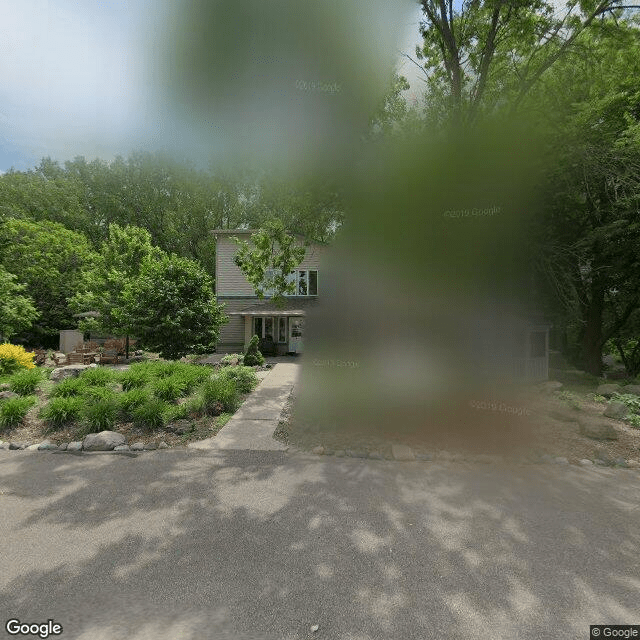
3500 Vivian Ave, Shoreview, MN 55126
To contact a resident: (651) 842-6780
For more information about senior living options: (866) 208-4318
Saint Therese at St. Odilia Costs & Pricing
Saint Therese at St. Odilia offers private rooms at a monthly cost of $14,850, which significantly exceeds the average costs observed in Ramsey County and across Minnesota, where private room rates are approximately $5,162 and $5,090 respectively. This substantial difference in pricing reflects not only the premium services and amenities provided by Saint Therese but also its commitment to high-quality care tailored to individual needs. While the costs may be higher compared to regional averages, they often correlate with enhanced living experiences and personalized support for residents navigating their later years. It's important for prospective residents and their families to weigh these factors against their unique requirements when considering options for senior living.
| Floor plans | Saint Therese at St. Odilia | Ramsey County | Minnesota |
|---|---|---|---|
| Private | $14,850 | $5,162 | $5,090 |
Overall Review of Saint Therese at St. Odilia
Pros
 The staff were amazing, kind, and compassionate.
- They provided wonderful, safe, and attentive care throughout the hospice stay.
- The nurses were knowledgeable, caring, professional, and always accommodating.
- The aides were wonderful and clearly loved their work, doing it as a calling.
- The facility is wonderful, with lots of common areas and a family-friendly layout.
- The overall experience was an excellent, A+ experience.
- The hospice staff were a beautiful blessing to the family, delivering loving care to the end.
Cons
 The reviewer states that it is “a place to go if you want to stop living.”
- By 5 a.m. Friday he was dead.
- The amount of meds administered pushed him over the edge and he never woke.
- No one came in to offer any kind of care.
- It’s a SAD SAD place for 500 per day and you have to pay for 5 days regardless of how long you are there.
- It should be investigated; it doesn’t promote living, but death.
- There were reports of too much sedation that led to death in multiple residents.
Review
Saint Therese at St. Odilia in Shoreview, MN, excels as a hospice-focused option for families seeking compassionate, end-of-life support where safety, dignity, and a home-like environment matter most. It is best suited for a loved one who is in the final months and needs skilled nursing, palliative care, and emotionally attentive staff who guide families through the process. The setting offers dedicated hospice care with an emphasis on comfort, family presence, and individualized attention rather than aggressive curative surgery. For families prioritizing a serene, respectful transition, this community delivers, especially when the goal is to partner with caregiver teams who communicate with empathy and clarity.
Those considering alternatives should note that this setting may not be ideal for loved ones needing aggressive rehabilitation, frequent medical testing, or fast-paced interventions typical of acute care. Additionally, families who require transparent, frequent updates on medication decisions, sedation, and daily care plans should scrutinize the operation closely, as a few reviews flag concerns about communication and timing. Cost considerations also matter; some families report high upfront charges and a perception that care decisions are tied to billing expectations rather than patient comfort. If these factors are essential, exploring other hospice or long-term care options could be prudent.
On the plus side, the strongest asset is the staff, the nurses and aides emerge repeatedly as knowledgeable, compassionate, and truly devoted to their work. Families describe a care team that is safe, patient, and consistently present, with a culture of kindness that soothes anxious loved ones and offers real TLC. The facility itself supports this ethos with ample common areas and a layout that allows family to be near the patient without feeling cramped, including separate dining and bedroom spaces that accommodate visitors. Such staffing depth translates into reliable, around-the-clock attention, which is crucial when comfort and dignity are the primary objectives.
Yet the most sobering reality is that prayerful praise is interwoven with cautionary notes. A subset of reviews recount experiences where end-of-life plans were executed with aggressive medication regimens and delayed family notification, fueling concerns about whether sedation choices were well-communicated or necessary. Admitted questions about the intake process, whether admittance took too long or the patient’s status was clear, underscore the importance of upfront conversations about goals of care, treatment limits, and consent. Potential families should demand transparent care conferences and explicit explanations of why certain medications are used, and when comfort takes precedence over prolonged hospitalization.
Cost and admission logistics stand out as concrete considerations. One review highlights a $150 admission process and questions about paying for time not actually lived, while others describe being billed for days regardless of length of stay. These financial notes are not universal, but they do color the decision for price-sensitive families. The practical takeaway is to insist on a clear, written outline of services, expected duration of stay, and a plan for transitions if goals shift. The staff can and should help families navigate these questions before committing, ensuring that care priorities align with both medical needs and budget realities.
Taken together, Saint Therese at St. Odilia offers a compelling option for hospice-centered care where expertise and empathy are the core delivery. It is particularly well-matched for families seeking a peaceful, supportive end-of-life experience with a strong emphasis on family involvement and dignified care. For those who require rapid, high-intensity interventions, or who must balance cost with uncertain value, alternatives deserve evaluation. The prudent path is a careful visit, frank conversations with the care team, and a clear written plan that addresses both emotional goals and practical constraints. In the right circumstances, this community stands out as a trusted partner for navigating one of life’s most sensitive journeys.
 Board and Care Home
 Bath tubs
 Devotional services on-site
 Indoor common areas
 Outdoor common areas
 Private
 Private bathrooms
 Respite or short term stays offered
 Wheelchair accessible showers
 Minneapolis-St Paul International (12 miles away)
 Diabetic care
 High acuity care
 Incontinence care
 Meals provided





 Comprehensive Insights and Practical Strategies to Help Older Adults Avoid Falls
 6 Crucial Ways an Elder Law Attorney Assists Families
 Navigating the Tax Landscape of Caregiving: Credits, Deductions, and Beyond