Sagewood

Save
Sagewood

Sagewood

6281 Oakwood Road, Woodbury, MN 55125

For more information about senior living options: (844) 490-3973

3.8 from 24 reviews
5 stars
16
4 stars
1
3 stars
0
2 stars
0
1 stars
7

Assisted Living Board and Care Home Memory Care

Sagewood Costs & Pricing

At Sagewood, the cost for a private room is set at $5,250 per month, which positions it slightly above both the Washington County average of $4,952 and the broader Minnesota average of $5,090. This pricing reflects Sagewood's commitment to providing enhanced amenities and personalized care that cater to individual needs. While it is important to consider these costs in relation to local averages, Sagewood strives to offer value through its quality services and supportive community environment. Ultimately, potential residents and their families can feel assured that they are investing in a well-rounded living experience at Sagewood.

Floor plansSagewoodWashington CountyMinnesota
Private$5,250$4,952$5,090

Overall Review of Sagewood

Pros

  • pro Christine did an outstanding job coordinating this difficult time and was extremely accommodating.
  • pro The transition was great and the care was top notch.
  • pro The staff are helpful, caring, and wonderful; everyone made the family feel welcome and the transition for their father was smooth and easy.
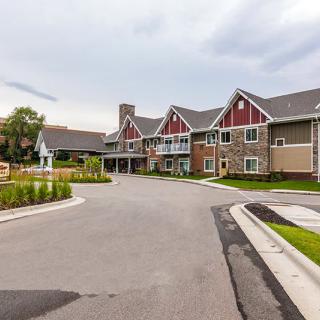
  • pro The facility is beautiful, safe, and very clean.
  • pro They made a difficult situation better and more peaceful.
  • pro Woodbury Senior Living was very helpful getting dad an apartment in the memory care unit.
  • pro They processed mom's elderly waiver application quickly when needed.
  • pro They helped move mom into her own apartment the same day.
  • pro The staff are friendly there, and the family has experienced the same.
  • pro The care and environment are absolutely wonderful; the facility is clean, welcoming, and well-maintained; there are engaging activities; the nursing team keeps families informed and involved; residents feel safe, happy, and valued.
  • pro Charles the maintenance tech is fabulous and goes above and beyond.
  • pro Maria Baumann is a loving and caring person who takes care of residents.
  • pro Joylin was a great trainer, explaining tasks clearly.
  • pro Savior is an absolutely amazing caregiver who goes out of her way to ensure residents are fully cared for; she is patient and kind.
  • pro The Estates staff cared for my mother with dedication; there are multiple church services and a beautiful courtyard garden; staff treated family with kindness and respect.

Cons

  • pro The memory care unit was described as dreadful, with neglect and call buttons often ignored.
  • pro A grandmother was left naked and saturated in urine for over four hours, with no timely assistance.
  • pro A nurse allegedly tried to give another resident's insulin.
  • pro The facility was labeled an absolute hell hole by a family member.
  • pro The Director of Nursing and the Assistant Director of Nursing in memory care quit on the same day.
  • pro They were charged $45 per day for meal delivery for two months despite declines in meals.
  • pro Staff reportedly ignored a resident's requests for help for over an hour.
  • pro A reviewer stated their grandmother died two days after a fall and a UTI, with concerns about the care she received.

Review

Families seeking a place for loved ones after a transition period shared a wide range of experiences with Woodbury Senior Living and its related campuses. Several reviews highlighted Christine as a standout coordinator who navigated the process during what could be a difficult and emotional time. Her efforts, along with the overall teamwork among staff, were credited with making the transition smoother and the ongoing care top notch. The overall tone from these accounts was one of relief and gratitude for a facility that could take a challenging moment and turn it into a calm, well-organized progression to the next phase of care.

Many families described the staff as incredibly helpful, caring, and welcoming from the moment they arrived. The sentiment repeated across several campuses: the team answered questions quickly, kept families informed, and created a sense of safety and belonging. The facilities themselves were described as beautiful, clean, and well-maintained, with safety clearly prioritized. In addition to daily care, reviewers noted engaging activities that helped residents stay connected and involved, reinforcing a sense of community and well-being within the living environment.

The process of arranging memory care and other transitions within the Woodbury system was repeatedly praised. Families appreciated the support in securing placements in memory care units and arranging timely waivers and approvals when needed. One family mentioned moving a loved one into their own apartment within the memory care unit on the same day the family decided it was the right step. Across the board, comments about the nursing teams and care staff indicated a strong commitment to keeping families informed and ensuring residents feel safe, happy, and valued.

Specific staff members received frequent mentions of praise. Maintenance and direct-care staff like Charles the maintenance tech were described as fabulous, going above and beyond in their duties. Maria Baumann and several other caregivers were singled out for their loving and attentive care, with families recognizing their dedication to residents. Joylin was highlighted as an excellent trainer who communicated tasks clearly, and Courtney, the director of nursing, along with other pastoral and administrative staff, were noted for their efforts to work with families through complicated situations. The Estates in particular drew appreciation for caregivers who treated residents as family, with Savior receiving special recognition for her patience, kindness, and dedication.

Despite the overwhelmingly positive feedback, several reviews painted a troubling picture of care gaps and management challenges. A grandmother's death was attributed by a reviewer to neglect and delayed medical attention, with a description of delays in meals and a troubling pattern of insufficient help during meals. One reviewer warned others not to place loved ones on the memory care floor, describing experiences that suggested serious lapses in responsiveness and safety. The concerns extended to accusations of inadequate supervision, delayed responses to calls, and questions about how changes in medication were handled. The tone of these comments was a clear cautions flag for prospective families to thoroughly verify current practices and staffing.

Additional negative experiences touched on incidents of alleged neglect and inadequate assistance, including an incident in which a pain-management or routine-care situation reportedly led to harm and distress for a resident. There were mentions of long wait times in the lobby for assistance, and scenarios where staff did not provide adequate help with personal care tasks such as brushing hair. Financial concerns were raised about meal-delivery charges and disputed hospice-related billing practices. Specific accounts described residents being left unattended or unprepared at critical moments, with some families reporting that linens and clothing remained unclean or improperly handled for extended periods. A number of reviewers expressed intent to involve state agencies or ombudsmen, underscoring the seriousness of their concerns.

On the Estate side of the Woodbury network, there were both affirmations of excellent, compassionate care and notes about internal challenges. Several caregivers - Aye, Tess, Desiree, Maria, La, Jo, and others - were praised for their dedication and the quality of care they provided to residents near the end of life. Courtney, the director of nursing, Pastor Basil, and Margaret were mentioned as individuals who had worked hard to guide families through difficult times. Yet reviewers also acknowledged that no facility is perfect; staffing gaps and turnover could create difficult days, with float staff and occasional late-notice changes affecting consistency. Despite these caveats, the Estate community was frequently described as bright, with a courtyard garden, regular church services, and ongoing opportunities for residents to engage with staff in meaningful ways. The overall impression suggested a workplace where many caregivers act in good faith and with deep care, even as management and operational pressures posed ongoing challenges.

In sum, the experiences people shared about Woodbury Senior Living and its various campuses reflect a complex picture. The institutions were repeatedly described as warm, welcoming, and well-maintained environments where many staff members go above and beyond to support residents and their families. The most fervent praise centered on individuals - coordinators, nurses, Aides, and maintenance staff - whose compassion and competence left a lasting positive impression. At the same time, multiple accounts raised serious concerns about memory care management, responsiveness, and certain episodes of neglect or mismanagement. For families considering these facilities, the consistent takeaway is to engage directly with staff, observe routines and response times, review current care plans, and verify any financial or health-related procedures to ensure alignment with expectations and needs.

Features

Housing

  • 21 resident community capacity 21 resident community capacity

Types of Care

  • Assisted Living Assisted LivingAssisted living facilities provide crucial support and care for seniors who may need help with daily tasks such as medication management, bathing, and meal preparation. These communities offer a safe and comfortable environment where seniors can maintain their independence while receiving the assistance they need to thrive in their golden years.
  • Board and Care Home Board and Care HomeBoard and care homes provide a smaller, more intimate setting for seniors who require assistance with daily tasks but do not need the level of care offered by a nursing home. They offer personalized care, meals, and social activities in a homelike environment, ensuring that seniors receive individualized attention and support in their golden years.
  • Memory Care Memory CareMemory care is crucial for seniors as it provides specialized support and services for individuals with dementia or Alzheimer's disease. These programs offer a safe and secure environment where residents receive personalized care, cognitive stimulation, and help with daily activities. Memory care helps seniors maintain their independence, quality of life, and dignity while also providing peace of mind for their families.

Amenities

  • Beauty salon Beauty salonBeauty salons are important for seniors because they provide a space for them to feel pampered, socialize, and maintain their personal grooming and hygiene. Regular visits to a beauty salon can help boost seniors' self-esteem and overall well-being.
  • Cable or satellite TV Cable or satellite TVCable or satellite TV is important for seniors because it provides entertainment, news, and companionship, helping to combat loneliness and boredom. It also offers a wide range of programming options tailored to different interests and preferences.
  • Dining room Dining roomDining rooms are important for seniors as they provide a space for socialization, connection, and nutritious meals. They offer opportunities for residents to bond over shared meals, foster a sense of community, and promote healthy eating habits. Dining rooms also ensure that seniors have access to well-balanced meals tailored to their dietary needs and preferences.
  • Fully furnished Fully furnishedFully furnished senior living communities are important for seniors because they provide convenience, comfort, and a hassle-free moving experience. Seniors can easily settle into their new living space without the stress of having to buy and move furniture. This allows them to focus on enjoying their new home and community.
  • Garden GardenGardens are important for seniors as they provide a peaceful and therapeutic environment for relaxation, physical activity, and socialization. Being in nature has been shown to reduce stress, improve mood, and promote overall well-being. Gardens also offer opportunities for seniors to engage in gardening activities, which can improve mobility, flexibility, and cognitive function. Additionally, gardens create a sense of community and connection with others who share a passion for plants and outdoor spaces.
  • Housekeeping services Housekeeping servicesHousekeeping services are important for seniors because they help maintain a clean and safe living environment, promote independence, and reduce the risk of accidents or illnesses. Additionally, having assistance with household chores can alleviate physical strain and allow seniors to focus on other aspects of their well-being.
  • Indoor common areas Indoor common areasIndoor common areas are crucial for seniors as they provide a space for socialization, recreation, and community engagement, promoting overall well-being and reducing feelings of isolation and loneliness.
  • Kitchenette KitchenetteKitchenettes are important for seniors living in senior living communities because they provide the convenience and independence of being able to prepare simple meals and snacks in the comfort of their own living space. This can help promote a sense of autonomy and well-being for seniors, allowing them to maintain some level of control over their dietary choices and daily routines.
  • Move-in coordination Move-in coordinationMove-in coordination is important for seniors because it helps ease the transition into their new living environment. It ensures that all logistics, such as packing, organizing movers, and setting up utilities are taken care of, allowing seniors to focus on settling in and adjusting to their new home. Having a smooth move-in process can alleviate stress and anxiety, making the transition smoother and more enjoyable for seniors.
  • Outdoor space Outdoor spaceOutdoor spaces are important for seniors as they provide opportunities for physical activity, social interaction, exposure to natural light and fresh air, and a sense of connection to nature. Having access to outdoor spaces can improve overall well-being and quality of life for older adults living in senior communities.
  • Private PrivatePrivacy is important for seniors as it allows them to maintain their independence, dignity, and sense of control over their own lives. It also gives them the space and freedom to relax, reflect, and engage in activities that bring them joy and fulfillment. Creating private spaces within senior living facilities is crucial for promoting overall well-being and quality of life.
  • Telephone TelephoneTelephones are important for seniors as they provide a lifeline for communication with loved ones, emergency services, and healthcare providers. They offer a sense of security and independence, enabling seniors to stay connected and access assistance when needed.
  • Wi-Fi/high-speed internet available Wi-Fi/high-speed internet availableWi-Fi/high-speed internet is important for seniors to stay connected with loved ones, access online resources, and participate in virtual activities to combat feelings of loneliness and isolation. It also allows them to easily manage healthcare needs, access entertainment, and engage in lifelong learning opportunities.

Transportation

  • Minneapolis-St Paul International (12 miles away) Minneapolis-St Paul International (12 miles away)

Care Services

  • 24-hour call system 24-hour call system24-hour call systems are important for seniors because they provide peace of mind and immediate assistance in case of emergencies. This technology ensures that help is always available, promoting safety and security for elderly individuals living alone or in assisted living facilities.
  • 24-hour supervision 24-hour supervision24-hour supervision is important for seniors to ensure their safety, well-being, and access to immediate assistance in case of emergencies or health issues. This constant support provides peace of mind for both seniors and their loved ones, allowing them to age in place with dignity and security.
  • Activities of daily living assistance Activities of daily living assistanceActivities of daily living assistance are important for seniors because they provide essential support with tasks such as eating, bathing, dressing, and mobility. This assistance helps seniors maintain their independence, dignity, and overall quality of life as they age.
  • Ambulatory care Ambulatory care"Ambulatory care services provide essential medical support and treatment to seniors without requiring hospitalization, allowing them to maintain their independence and quality of life while managing chronic conditions or receiving routine medical care."
  • Assistance with bathing Assistance with bathingAssistance with bathing is crucial for seniors as it helps maintain personal hygiene, prevents infections, and ensures their overall well-being and comfort. It also provides a sense of dignity and independence for seniors who may struggle with this task on their own.
  • Assistance with dressing Assistance with dressingAssistance with dressing is important for seniors because it helps maintain their independence, promotes personal hygiene, prevents accidents and injuries, and improves overall quality of life. This service ensures that seniors can continue to dress comfortably and confidently, despite any physical limitations they may have.
  • Assistance with transfers Assistance with transfersAssistance with transfers is crucial for seniors as it helps prevent falls and injuries, maintains their independence, and ensures they can safely navigate their living environment. It also provides peace of mind for both seniors and their loved ones.
  • Coordination with health care providers Coordination with health care providersCoordination with health care providers is crucial for seniors to ensure proper medical care, medication management, and overall well-being. This collaboration helps prevent overlapping treatments, track progress more effectively, and provide comprehensive support tailored to individual needs.
  • Dementia waiver Dementia waiverDementia waivers are essential for seniors as they provide critical protections and accommodations for those experiencing cognitive decline. These waivers ensure individuals with dementia receive appropriate care, support, and resources to maintain their quality of life and dignity as they navigate the challenges of this progressive condition.
  • Diabetes diet Diabetes dietA diabetes diet is crucial for seniors as it helps manage blood sugar levels, reduce risks of complications, and improve overall health and well-being. By following a balanced and nutritious diet tailored to their specific needs, seniors can better control their diabetes and enhance their quality of life.
  • Diabetic care Diabetic careDiabetic care is crucial for seniors as they are more susceptible to developing diabetes due to aging and other health conditions. Proper management of diabetes can help prevent complications such as heart disease, vision loss, and nerve damage, improving the overall quality of life for seniors in senior living communities.
  • High acuity care High acuity careHigh acuity care is important for seniors because it provides specialized medical attention and support for individuals with complex medical needs. This level of care ensures that seniors receive the appropriate treatment and assistance to maintain their health and quality of life as they age.
  • Hospice waiver Hospice waiverHospice waivers are important for seniors because they allow individuals to receive specialized end-of-life care and support at home or in a hospice facility. This waiver ensures that seniors can access the necessary resources and services to maintain comfort and dignity during their final days.
  • Meal preparation and service Meal preparation and serviceMeal preparation and service are crucial for seniors as they may have limited mobility or energy to cook nutritious meals. Having access to healthy and convenient food options can ensure they are getting the proper nutrition needed to maintain their overall health and well-being.
  • Medication management Medication managementMedication management is crucial for seniors to ensure they are taking the right medications at the correct dosages and times. This helps prevent adverse drug interactions, reduces the risk of medication errors, and promotes overall health and well-being. Proactive management also allows for adjustments as needed based on changing health conditions or new prescriptions.
  • Mental wellness program Mental wellness programMental wellness programs are essential for seniors as they promote cognitive stimulation, emotional support, and social engagement. These programs help prevent isolation, depression, and cognitive decline, ultimately enhancing the overall quality of life for older adults.
  • Mild cognitive impairment Mild cognitive impairment"Mild cognitive impairment" is important for seniors because it is an early stage of cognitive decline that can potentially progress to more severe conditions such as dementia. Recognizing and addressing mild cognitive impairment can help seniors receive appropriate care and support to maintain their quality of life and independence for as long as possible.
  • Special dietary restrictions Special dietary restrictionsSpecial dietary restrictions are important for seniors because age-related changes in metabolism and health conditions can make it difficult for their bodies to process certain foods. By following a diet tailored to their specific needs, seniors can maintain their overall health and well-being, manage chronic conditions, and reduce the risk of complications such as malnutrition or food interactions with medications.
  • Specialized memory care programming Specialized memory care programmingSpecialized memory care programming is crucial for seniors with cognitive impairments such as dementia or Alzheimer's disease. These programs provide a safe and supportive environment tailored to the unique needs of individuals with memory loss, helping them maintain their independence, dignity, and quality of life.
  • Transportation arrangement (medical) Transportation arrangement (medical)Transportation arrangements for medical purposes are essential for seniors as they may have difficulty driving themselves to appointments or accessing public transportation. Having reliable and safe transportation options ensures that seniors can receive timely medical care and maintain their health and well-being.
  • Transportation to doctors appointments Transportation to doctors appointmentsTransportation to doctors' appointments is crucial for seniors as it ensures they have access to necessary medical care and support for their health needs. Without reliable transportation, seniors may struggle to attend important appointments, leading to potential delays in treatment and health complications. Providing transportation services helps seniors maintain their overall well-being and quality of life.

Dining

  • Diabetes diet Diabetes dietA diabetes diet is crucial for seniors as it helps manage blood sugar levels, reduce risks of complications, and improve overall health and well-being. By following a balanced and nutritious diet tailored to their specific needs, seniors can better control their diabetes and enhance their quality of life.
  • Meals provided Meals provided"Meals provided" are crucial for seniors in assisted living communities as it ensures they have access to nutritious, balanced meals without the stress of meal planning and preparation. This can help promote overall health and well-being for seniors who may have limited mobility or cognitive abilities.
  • Special dietary restrictions Special dietary restrictionsSpecial dietary restrictions are important for seniors because age-related changes in metabolism and health conditions can make it difficult for their bodies to process certain foods. By following a diet tailored to their specific needs, seniors can maintain their overall health and well-being, manage chronic conditions, and reduce the risk of complications such as malnutrition or food interactions with medications.

Activities

  • Community-sponsored activities Community-sponsored activitiesCommunity-sponsored activities are important for seniors as they provide opportunities for social interaction, mental stimulation, and physical activity. These activities can help improve overall well-being, combat loneliness and isolation, and promote a sense of belonging and purpose among older adults.
  • Resident-run activities Resident-run activitiesResident-run activities are important for seniors as they encourage social interaction, creativity, and a sense of autonomy. These activities empower seniors to stay engaged and active in their community while fostering meaningful connections with their peers.
  • Scheduled daily activities Scheduled daily activitiesScheduled daily activities are important for seniors because they provide structure, socialization, mental stimulation, and physical activity. Engaging in regular activities can improve overall well-being and quality of life for seniors living in a community setting.

Description

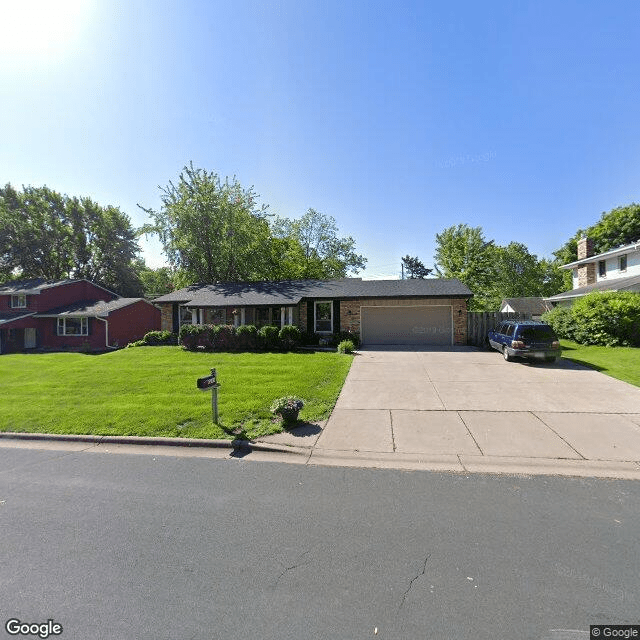
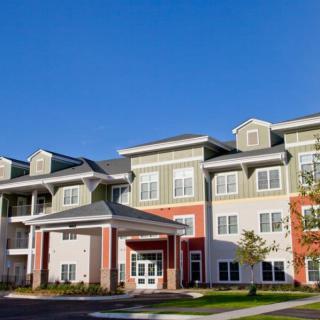
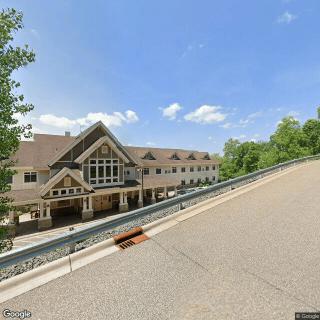
Sagewood in Woodbury, MN is an assisted living community that specializes in board and care home and memory care services. We strive to create a comfortable and supportive environment for our residents, providing them with all the amenities they need for a fulfilling and enjoyable lifestyle.

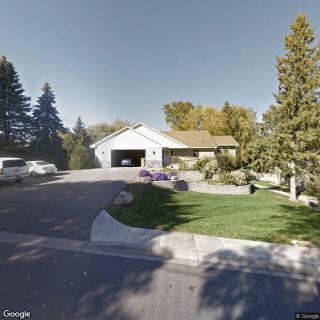
Our community offers fully furnished private accommodations with cable or satellite TV and Wi-Fi/high-speed internet access. Residents can enjoy the beautiful outdoor spaces and gardens, as well as gather with friends in the indoor common areas. Our dining room serves delicious meals that cater to special dietary restrictions, ensuring that our residents receive nutritious and satisfying meals.

At Sagewood, we prioritize the wellbeing of our residents by providing 24-hour supervision, assistance with activities of daily living, and coordination with health care providers. Our dedicated staff also offers specialized memory care programming for those with dementia or mild cognitive impairment. Medication management, mental wellness programs, and high acuity care are also available.

We understand the importance of staying connected to the local community, which is why we are conveniently located near various amenities. There are cafes, parks, pharmacies, physicians' offices, restaurants, places of worship, theaters, and hospitals nearby for easy access to services and entertainment options.

At Sagewood in Woodbury, MN, we aim to create a safe and enriching environment where residents can age gracefully while receiving top-notch care.

Nearby Places of Interest

This part of Woodbury, Minnesota offers a convenient and vibrant community for senior living. With several hospitals, physicians' offices, and pharmacies in close proximity, residents have access to quality healthcare services. The area also boasts a variety of dining options ranging from fast food to casual dining, providing plenty of choices for meals out. Additionally, there are several parks nearby for enjoying the outdoors and staying active. Places of worship are within reach for spiritual fulfillment while theaters offer entertainment options. Transportation is easily accessible with Union Depot just a short distance away. Overall, this neighborhood provides a well-rounded and bustling environment for seniors looking to settle down in a lively community with essential amenities nearby.

Hospitals

  • Woodwinds Health Campus-Woodbury (0.8 miles)
  • Regions Hospital Burn Center (5.9 miles)
  • St Joseph's Hospital-St Paul (6 miles)
  • United Hospital Joint Relacement Center (6.4 miles)

Restaurants

  • Chick-Fil-A (0.8 miles)
  • The Tavern Grill (1.1 miles)
  • Taco John's (2.1 miles)
  • Punch Neapolitan Pizza (2.2 miles)
  • Tamarack Tap Room (2.2 miles)
  • Taco Bell (2.2 miles)
  • Portillo's Hot Dogs (2.2 miles)

Physicians

  • Aris Clinic (0.8 miles)
  • Eric Thomas Becken (0.9 miles)
  • Minnesota Gastroenterology PA (2.4 miles)
  • TRIA Orthopaedic Center (2.6 miles)
  • David Thao, MD (2.6 miles)
  • Danielson Jennifer Dr Healthpartners Regions Behavioral Health Woodbury Lake Elmo (2.7 miles)
  • Pediatric and Young Adult Medicine (2.9 miles)

Pharmacies

  • Walgreens (1.1 miles)
  • Walgreens (2.1 miles)
  • CVS Pharmacy (2.2 miles)
  • Walgreens (2.6 miles)
  • Mix Compounding Pharmacy (2.7 miles)
  • CVS Pharmacy (3.9 miles)
  • Target Pharmacy (4.7 miles)

Parks

  • Ojibway Park (2.4 miles)
  • Kargel Park (3 miles)
  • Eastside Park (3.3 miles)
  • Fairway Meadows Park (4.4 miles)
  • Roosevelt Field (4.6 miles)
  • Heritage Village Park (5.2 miles)
  • Rotary Park (5.5 miles)

Places of Worship

  • Transfiguration Catholic Church (2.6 miles)
  • Five Oaks Community Church (3.7 miles)
  • Eagle Brook Church - Woodbury Campus (4.8 miles)
  • Cathedral of St Paul (6.5 miles)
  • St Jerome Elementary School (6.9 miles)

Theaters

  • Alamo Drafthouse Woodbury (2.7 miles)
  • AMC Inver Grove 16 (5.9 miles)
  • Oakdale Cinema Oakdale, Mn (6.8 miles)

Cafes

  • Starbucks (3.7 miles)
  • Caribou Coffee (7 miles)

Transportation

  • Union Depot (5.4 miles)

Frequently Asked Questions

How much does it cost to live at Sagewood in Woodbury, MN?
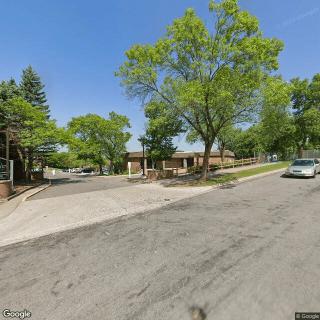
Where is Sagewood?
Does Sagewood provide care for residents with dementia or Alzheimer's disease?

Nearby Communities

Related Resources

  • does my mom have dementia quiz5 Early Indicators of Dementia and What You Can Do

    The content outlines five key early indicators of dementia, including significant memory loss and confusion about time and place, while emphasizing the need for professional evaluation and emotional support for both individuals showing symptoms and their caregivers. It encourages family members to monitor these signs closely and use online quizzes for initial awareness.

  • when should someone with dementia go into a care home8 Important Indicators That Memory Care May Be Necessary

    The article highlights eight indicators that a loved one with dementia may require specialized memory care, emphasizing the emotional and logistical challenges families encounter in this decision. It discusses signs such as difficulties with daily tasks, safety concerns, and caregiver burnout, suggesting that memory care facilities can provide the necessary support and structured environments for those experiencing cognitive decline.

  • what do dementia patients think aboutDelving into the Inner World of Dementia: Insights into Thoughts and Awareness

    Dementia, primarily caused by Alzheimer's disease but also linked to other conditions, leads to cognitive decline impacting memory and daily functioning, with individuals experiencing varied awareness of their impairments. Despite memory loss, emotional connections persist, enabling responses to familiar stimuli, highlighting the need for caregivers to provide compassionate support that recognizes both limitations and retained emotional depth.