
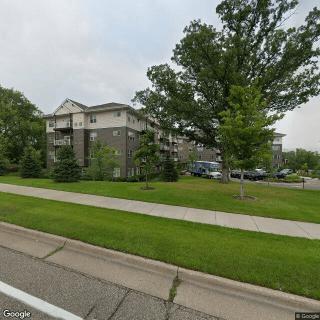
1970 Oakcrest Avenue Ste 107, Roseville, MN 55113
For more information about senior living options: (866) 208-4318
Overall Review of Kindred At Home II
Pros
 The staff at Interim are caring, professional, and capable.
- They provided excellent care to the patient across physical therapy, occupational therapy, and hospice.
- The care coordinator maintained excellent communication with the family, and therapists consistently followed up after sessions.
- The hospice experience was highly praised for its compassion and support.
- The staff are seen as Interim Angels for their dedication and kindness.
- They always ensure residents are well cared for.
- Sam consistently checks in to ensure the partnership operates at its best.
- Lee went out of her way to help the patient with knee pain and arranged effective pain medication.
Cons
 The review cautions against using for-profit hospice agencies like Interim in a long-term care setting.
- Interim's communication with the family was poor.
- Interim staff had unprofessional interactions.
- Interim's documentation of visits was questionable.
Review
Kindred At Home II in Roseville, MN is best suited for families seeking a single, integrated in-home care solution that combines skilled home health, hospice, and private-pay home health aide services. This community model works well for a loved one who remains at home but needs ongoing medical support, especially when dementia or advanced illness is in play and a steady, coordinated care plan is essential. The clear advantage is continuity: families can rely on a consistent care team across divisions, reducing the anxiety of navigating multiple providers and transitions.
Careful consideration is warranted for families wary of for-profit hospice operations or who prize impeccable, transparent documentation. One review highlights significant concerns about communication gaps, unprofessional staff interactions, and questionable visit documentation within a for-profit hospice setting, which ultimately led the family to switch to a nonprofit provider affiliated with a respected clinic. Those points are not universal, but they are a meaningful caution flag for households prioritizing governance, traceable records, and steady, highly predictable communication.
The strongest positives of Kindred At Home II lie in the breadth of services and the responsiveness of the care team. Residents benefit from a cohesive bundle of care, skilled home care, hospice, and private-pay support, delivered by staff who are described as caring, professional, and capable. The care coordinator role emerges as a critical asset, maintaining regular contact and ensuring families are kept in the loop before, during, and after therapy sessions. Therapists who reach out after each session, and hospice teams that accompany families through difficult times with information and empathy, create a stabilizing framework when plans shift or intensify.
That framework can offset the risk outlined above if families approach onboarding with clear expectations. The reviews repeatedly praise timely responses, proactive communication, and a compassionate approach that focuses on patient comfort and family support. When a loved one is transitioning from active home health to hospice, or managing both simultaneously, the ability to access multiple services under one provider reduces fragmentation and can prevent missed information or delays. In practical terms, strong care coordination and a demonstrated commitment to patient-centered care are the most reliable counterbalance to occasional uneven experiences.
Nevertheless, families considering Kindred At Home II should plan for due diligence. The minority of reviews raises questions about consistency and professionalism on the part of certain staff members, plus the challenge of ensuring meticulous documentation across visits. Prospective clients should request a detailed, written care plan with documented visit notes, a defined point of contact, and explicit norms for communication after hours and on weekends. It is also wise to inquire about staff turnover and continuity, who will be your primary caregiver, and how often might that change? Understanding the escalation path if concerns arise is essential in order to protect the quality of care over time.
In the end, Kindred At Home II offers a practical, capable option for families seeking an all-in-one home-based care ecosystem. The providerā€™s overall 4.7 rating from 13 reviews reflects strong performance in most cases, and the testimonials emphasize genuine warmth, responsiveness, and professional expertise. The decisive question for families is whether the strength of integrated services and the likely ease of coordination justify any potential risk around documentation and consistency. For many, the answer will be yes, especially when care plans are clearly documented, a reliable care coordinator is in place, and there is a transparent process for addressing concerns. For others, particularly those who prioritize nonprofit governance and near-flawless documentation, exploring nonprofit or alternative hospice options may be worth the extra step.
 21 resident community capacity
 Assisted Living
 Beauty salon
 Cable or satellite TV
 Dining room
 Fully furnished
 Garden
 Housekeeping services
 Kitchenette
 Move-in coordination
 Outdoor space
 Telephone
 Wi-Fi/high-speed internet available
 Minneapolis-St Paul International (10 miles away)
 24-hour call system
 Activities of daily living assistance
 Assistance with bathing
 Assistance with dressing
 Assistance with transfers
 Diabetes diet
 Meal preparation and service
 Medication management
 Mental wellness program
 Special dietary restrictions
 Transportation arrangement (medical)
 Transportation to doctors appointments




 Is Assisted Living Deductible on Your Taxes? Understanding the Complexities of Assisted Living Expenses and Deductions
 Assisted Living Support for Veterans: A Complete and Detailed Overview
 Exploring the Contrasts Between Assisted Living and Skilled Nursing