Residents and families repeatedly describe the staff as kind, professional, and knowledgeable.
Across reviews, families highlight clinicians and team members who are respectful, patient, and good at answering questions. Many comments specifically call out thorough explanations and follow-up, along with being careful to make patients and parents feel comfortable. Several reviews also mention named individuals who were professional and supportive during equipment setup and training.
common
Training and education during setup
Families value hands-on teaching and education when equipment is set up at home.
Multiple reviews focus on home visits and training, describing clinicians who explained equipment clearly and took time to ensure understanding. Several families mention teaching for specific items and making the experience easier to manage at home, including practicing and providing instructions. Some reviews also describe follow-up after the visit to make sure questions were answered and the equipment was working correctly.
differentiator
24/7 support is mentioned
Residents describe a 24-hour call option if something goes wrong at home.
At least one review explicitly mentions a 24-hour service to call if issues come up with equipment. Other comments reinforce that families feel they can reach the company and get help when needed, including resolving delivery issues or getting needed doctor orders. Together, this points to responsive, ongoing support beyond the initial setup.
caveat
Supplies pricing draws sharp criticism
Some families say pricing and upcharges can feel unreasonable for medical supplies.
One review gives a detailed comparison of what the writer said they were charged versus buying materials elsewhere, and argues the difference is extreme when paying through insurance. Another negative review criticizes the company’s products and priorities, including concerns about low-quality substitutions and focusing on the bottom line. These critiques show that, for some families, the cost side can overshadow the otherwise positive service experience.
How we summarize
We summarize when many written reviews mention each theme; a review can touch several themes, and only frequently mentioned themes are displayed.
Features
Housing
21 resident community capacity
Types of Care
Assisted Living
Amenities
Beauty salon
Cable or satellite TV
Dining room
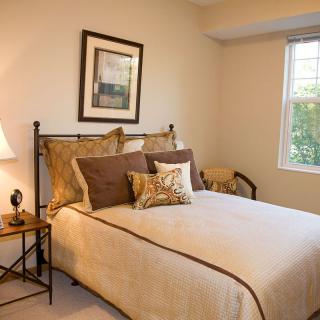
Fully furnished
Garden
Housekeeping services
Kitchenette
Move-in coordination
Outdoor space
Telephone
Wi-Fi/high-speed internet available
Transportation
Minneapolis-St Paul International (10 miles away)
Care Services
24-hour call system
24-hour supervision
Activities of daily living assistance
Assistance with bathing
Assistance with dressing
Assistance with transfers
Coordination with health care providers
Diabetes diet
Meal preparation and service
Medication management
Mental wellness program
Special dietary restrictions
Transportation arrangement (medical)
Transportation to doctors appointments
Dining
Diabetes diet
Special dietary restrictions
Activities
Community-sponsored activities
Resident-run activities
Scheduled daily activities
Nearby Places of Interest
Pharmacies
Walgreens (0.9 miles)
Walgreens (1.8 miles)
Walgreens (2.5 miles)
Walgreens (3 miles)
CVS Pharmacy (3 miles)
CVS Pharmacy (3 miles)
Walgreens (3.1 miles)
Restaurants
Olive Garden (1.1 miles)
Steele & Hops (2 miles)
Taco Bell (2.5 miles)
McDonald's (2.6 miles)
Giggles' Campfire Grill - Minnesota State Fair (2.8 miles)
Noodles & Company (2.9 miles)
Sociable Cider Werks (3.2 miles)
Theaters
AMC Rosedale 14 (1.2 miles)
Cafes
Starbucks (1.8 miles)
Starbucks (2.9 miles)
Roundtable Cof (4.1 miles)
Groundswell (4.7 miles)
Dunn Brothers Coffee (6.2 miles)
Starbucks (6.2 miles)
Parks
Central Park Playground (2.1 miles)
Silverwood Park (2.4 miles)
Owasso Park (3 miles)
Como Park (3.6 miles)
Acorn Park (3.6 miles)
Snail Lake Regional Park (4.3 miles)
Boom Island Park (4.6 miles)
Transportation
Minnesota State Fair Transit Hub (3 miles)
Physicians
Cardiovascular Systems (3 miles)
Fairview Clinics (3.3 miles)
HealthPartners Health Center for Women Clinic St Paul (4 miles)
Eye Care Center (4.7 miles)
Entira Family Clinics (5 miles)
Minnesota Vein Center (5.2 miles)
Dermatology Consultants P.A. (5.3 miles)
Places of Worship
Shepherd of the Hills Lutheran Church (3.7 miles)
North Heights Lutheran Church (3.7 miles)
St Jerome Elementary School (5.3 miles)
Fridley United Methodist Church (5.4 miles)
Westminster Presbyterian Church (5.7 miles)
St George Greek Orthodox Church (6 miles)
Hospitals
University of Minnesota Medical Center - East Bank Campus (4.3 miles)
Assisted living in 2025 offers a crucial balance of independence and support for seniors, with costs varying from $2,500 to over $7,000 per month based on factors such as location and care level. Understanding pricing complexities, including regional differences and potential hidden fees, is essential for families to plan financially while ensuring quality care for their loved ones.
The guide outlines the complexities of Medicaid coverage for assisted living, highlighting significant state-to-state variations, limited coverage often restricted to personal care services, and the existence of specialized waivers for certain needs like memory care. It advises families to consult local Medicaid offices for options while emphasizing the importance of understanding state-specific regulations and facility policies.
Medicaid coverage for assisted living varies by state and is primarily available to low-income individuals, with eligibility dependent on strict income and asset limits. Some states offer HCBS waivers for specific services in assisted living, but families must generally cover room and board costs, and should verify facility acceptance of Medicaid while considering potential waiting lists.
Get PricingAsk A QuestionSchedule A TourContact Senior Advisor
By clicking submit, you agree to our Partner's Terms of Use. You
also consent to receive calls and texts, which may be autodialed, from our Partner. Your consent is not a condition to
using our Partner's service. Please visit our Partner's Privacy Policy for information about their privacy practices.



 21 resident community capacity
 Assisted Living
 Beauty salon
 Cable or satellite TV
 Dining room
 Fully furnished
 Garden
 Housekeeping services
 Kitchenette
 Move-in coordination
 Outdoor space
 Telephone
 Wi-Fi/high-speed internet available
 Minneapolis-St Paul International (10 miles away)
 24-hour call system
 Activities of daily living assistance
 Assistance with bathing
 Assistance with dressing
 Assistance with transfers
 Diabetes diet
 Meal preparation and service
 Medication management
 Mental wellness program
 Special dietary restrictions
 Transportation arrangement (medical)
 Transportation to doctors appointments
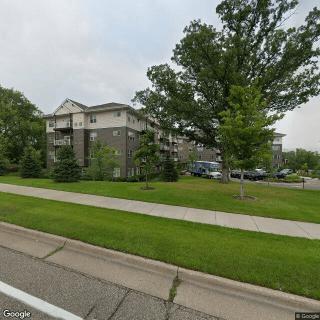
 Small, intimate 21-bed community with 24/7 supervision and diabetes-friendly dining.



 Understanding the True Cost of Assisted Living in 2025: A Comprehensive Guide
 Understanding Medicaid Coverage for Assisted Living: A Comprehensive Guide
 How and When Medicaid May Cover Assisted Living Costs