
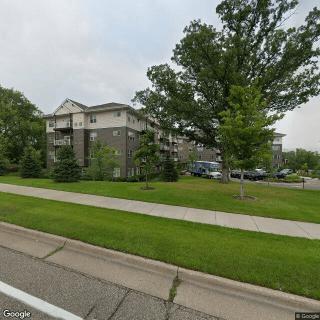
1700 Highway 36 West Ste 530, Roseville, MN 55113
For more information about senior living options: (866) 208-4318
Overall Review of Communities Of Care
Pros
 The office team and lead nurses truly care.
- This team has gone above and beyond.
- The constant communication and heartfelt work are evident.
- Communities of Care is a fantastic company that helps those in need of personalized in-home health care.
- Joan's experience and story are wonderful from both personal and business standpoints.
- People seeking home care are encouraged to choose Communities of Care.
Review
Communities Of Care in Roseville is best suited for families seeking highly personalized, in-home health care with strong oversight. This model works especially well for seniors or adults with ongoing care needs who want to remain in their own home while receiving professional nursing attention and dependable office support. The operation hinges on relationship-driven care, with leadership that families can access and trust. Those who value clear, frequent communication and a hands-on approach from a capable office team will find this option compelling. It is a natural fit for households prioritizing continuity and responsiveness over a traditional facility setting.
The strongest assets are unmistakable: an office team and lead nurses who truly care and go above and beyond, paired with constant, candid communication. In practice, that means care plans are updated with real-time input, concerns are acknowledged quickly, and families feel they are part of the care conversation rather than bystanders. Joan’s leadership and firsthand experience provide a credible backbone to the service, giving families a sense of stability and authority. For families who want a trusted partner who treats care as a collaborative, ongoing relationship, these dynamics translate into reliable accountability and less stress around day-to-day decisions.
Yet a few realities should be weighed against these strengths. The in-home care model, while deeply personalized, may not be the right fit for clients who require around-the-clock on-site supervision or a built-in community life with structured social programming. There is no facility-based milieu to rely on for constant companionship or extensive on-site medical equipment requires, and the logistics of coordinating multiple visits can feel less predictable than a fixed-location environment. For households facing rapidly escalating medical needs or those seeking a memory-care focused campus with built-in programming, alternatives become more attractive.
Those trade-offs are addressed by the core advantages thoughtfully. The high-touch care team and accessible leadership reduce silos and miscommunications that sometimes plague larger agencies. Families experience a sense of continuity because the same nurse leads the care conversations and the office remains a steady point of contact. Personal experience at the helm adds credibility and a clear escalation path when questions arise, which can shorten response times and improve care alignment. In practical terms, this translates to fewer guesswork moments for families and a clearer plan for daily tasks, medication management, and adaptive supports.
Alternatives are worth considering for anyone whose priorities extend beyond in-home care. If the goal is constant social interaction in a communal setting, a traditional assisted living or memory-care facility may be more suitable. If medical complexity requires round-the-clock skilled nursing on-site, a facility with a larger care team could provide deeper coverage. Cost structure and geographic coverage also matter; some families may find large agencies offer broader availability or different coverage patterns that fit their budget or scheduling needs better. In short, when the priority is home-based independence with a highly responsive care partner, this option shines; when the priority shifts to a vibrant community or intensive on-site care, alternatives deserve serious evaluation.
Practical next steps for families evaluating Communities Of Care boil down to targeted conversations and a real-world test-drive. Ask about caregiver-to-client ratios for peak times, whether there is a dedicated lead nurse for each plan, and how quickly message escalations are handled after hours. Request a sample care plan and a concrete set of metrics used to measure daily progress, medication accuracy, and safety checks. Inquire about flexibility, how easily the schedule adapts to changing needs, transportation arrangements for appointments, and the process for adding or modifying services. If a pilot period is offered, use it to gauge communication cadence, responsiveness, and the degree to which the care feels personalized in practice. This approach produces a clear read on whether the strengths align with the family’s needs and expectations.
 21 resident community capacity
 Assisted Living
 Beauty salon
 Cable or satellite TV
 Dining room
 Fully furnished
 Garden
 Housekeeping services
 Kitchenette
 Move-in coordination
 Outdoor space
 Telephone
 Wi-Fi/high-speed internet available
 Minneapolis-St Paul International (9 miles away)
 24-hour call system
 Activities of daily living assistance
 Assistance with bathing
 Assistance with dressing
 Assistance with transfers
 Diabetes diet
 Meal preparation and service
 Medication management
 Mental wellness program
 Special dietary restrictions
 Transportation arrangement (medical)
 Transportation to doctors appointments



 Choosing the Right Senior Care: A Detailed Exploration of Assisted Living and Nursing Homes
 Understanding the True Cost of Assisted Living in 2025: A Comprehensive Guide
 Understanding Medicaid Coverage for Assisted Living: A Comprehensive Guide