
14344 Cameo Avenue W, Rosemount, MN 55068
To contact a resident: (651) 322-4222
For more information about senior living options: (866) 208-4318
Overall Review of Rosemount Senior Living
Pros
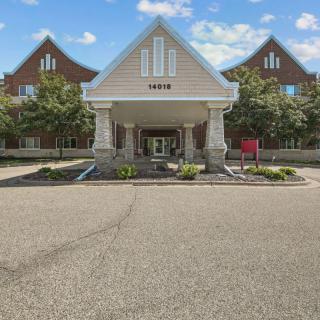
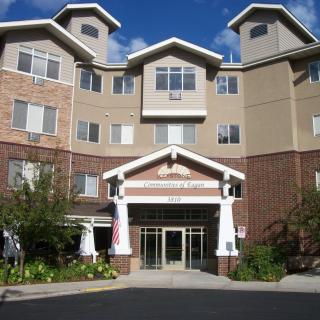
 The Rosemount is a beautiful place with a warm, welcoming lobby and well-kept surroundings.
- The Care Suite is well suited for residents with higher care needs and supports quick daily activities like showering and dressing.
- The staff are consistently friendly, attentive, and helpful.
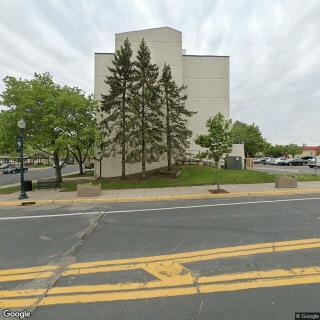
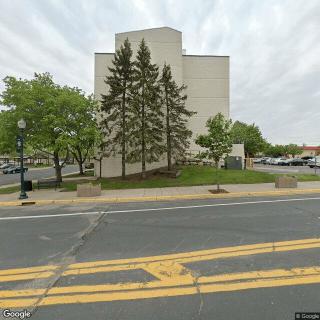
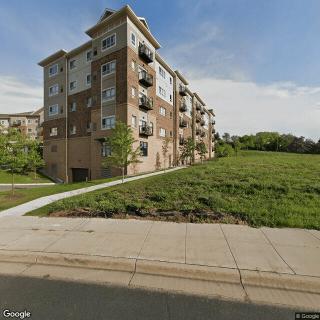
- The facility and grounds are well maintained, contributing to a welcoming atmosphere and attractive landscaping.
- Rachel A. is described as extremely polite and helpful.
- There is no negative feedback reported about the care received, indicating high satisfaction.
- The Rosemount earns high praise, including 5-star recognition.
Cons
 The family felt that their parents were taken advantage of by the lease terms during the hospice transition.
 - They paid over $19,000 for an eight-day stay, roughly $2,400 per day, which caused significant financial distress.
- They incurred June rent charges because no notice was given by May 1, with no recourse to rectify.
- The promised prorated rent was not applied, resulting in further financial loss.
- They felt they were not informed of all options and were rushed into a decision, leading to regret.
- They believed the lease terms were inflexible for hospice situations, noting that other facilities might offer a 14‑day hospice-friendly option.
Review
Rosemount Senior Living in Rosemount, MN is best suited for families that prize a warm, aesthetically pleasing campus with consistently attentive staff and a spirit of hospitality, and that anticipate needing hospice-level support or rehab-like care in a dedicated Care Suite. It’s ideal for those who can tolerate a high monthly price and navigate potentially strict lease terms, with the understanding that the environment and care quality can justify the investment. This is not the right choice for households seeking maximum financial flexibility or ultra-clear, low-friction pricing, because the cost structure and contracts shown in practice can create tension between care needs and billing.
Those with tighter budgets or a preference for highly transparent, flexible terms will want to explore alternatives. The most salient caveat from the experience shared is the friction around pricing and lease commitments during a difficult time. Families reported a substantial monthly rate, and a short-term stay that left them facing unanticipated charges tied to notice deadlines and non-prorated billing. In practical terms, Rosemount’s model may feel rigid when hospice or short rehab transitions are involved, and prospective residents should verify how stays are billed, prorated, and credited if transfer to home or another setting occurs.
On the positive side, the community earns credibility through its warmth, cleanliness, and visible staff engagement. The building comes across as well-maintained and inviting, with a lobby and grounds that convey comfort and care. Front-line interactions are repeatedly described as friendly, with staff who seem genuinely willing to help. A nurse noted in one account was described as extremely polite and helpful, reinforcing a perception of reliable bedside support. The overall atmosphere, careful upkeep, a welcoming front desk, and a cooperative, upbeat tone among caregivers, helps families feel confident about daily life within the community.
The practical drawbacks focus on cost and contractual terms rather than quality of care. The most cautionary tale centers on the financial side: a multi-thousand-dollar monthly rate paired with short-term stays that triggered lengthy, non-pro-rated charges. Families felt rushed into decisions when a loved one needed care, and later learned that alternative pathways or more favorable lease arrangements might have been possible with different timing or disclosure. For families evaluating Rosemount, the lesson is clear: demand transparent, written explanations of pricing, notice requirements, and what happens to rent when a patient moves out for hospice or rehab. Without that clarity, the care advantages can be outweighed by billing uncertainties.
Despite the cost and contract concerns, the core strengths, care quality, staff attentiveness, and a reassuring environment, often offset the main drawbacks for those who align price and contract expectations with needs. The Care Suite model appears to support rapid, respectful transitions and essential caregiving tasks, while still allowing some independence for residents. The combination of a beautiful setting, dependable housekeeping, consistent staff presence, and positive daily interactions contributes meaningfully to quality-of-life outcomes, which in turn reduces stress for families during challenging transitions. For families who can tolerate the financial framework and want a facility that feels like a caring home, Rosemount presents a compelling option.
For decision-making, concrete steps matter. Prospective residents should insist on a detailed, written pricing chart that spells out monthly care charges, what is included, and how stays are billed across hospice, rehab, and routine care. Clarify whether any portion of rent is prorated after a discharge and under what conditions, and whether a shorter-term or flexible lease could be negotiated for hospice scenarios. Request a clear explanation of the Care Suite’s staffing model and what services are included beyond medication administration. If these elements align with the family’s financial and care expectations, Rosemount Senior Living stands out as a well-run, supportive community. If not, alternative communities or in-home options may deliver similar care at greater flexibility or lower cost.
 Assisted Living
 Independent Living
 Memory Care
 Skilled Nursing Facility
 Activities on-site
 Devotional services off-site
 Indoor common areas
 Minneapolis-St Paul International (11 miles away)
 Ambulatory care
 Diabetic care
 High acuity care
 Meals provided

 An In-Depth Look at Reminiscence Therapy in Dementia Care
 Dementia-Related Hallucinations: Causes, Experiences, and Practical Approaches
 Illuminating Insights About Alzheimer's Disease: Ten Crucial Realities