Voa Home Health At Rochester

1900 Ballington Boulevard, Rochester, MN 55901

For more information about senior living options: (844) 490-3973

3.1 from 26 reviews
5 stars
10
4 stars
3
3 stars
0
2 stars
5
1 stars
8

Assisted Living Continuing Care Retirement Community (CCRC) Skilled Nursing Facility

Overall Review of Voa Home Health At Rochester

Pros

  • pro The nursing staff are great, and administration is solid and knowledgeable about the residents.
  • pro The EVS team is rock stars, and the facility offers a fabulous array of activities to do.
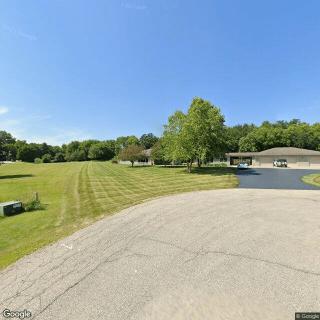
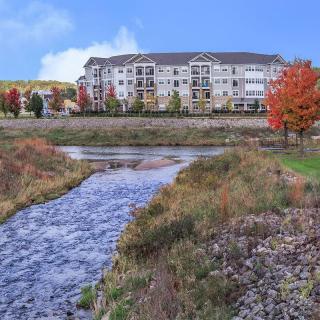
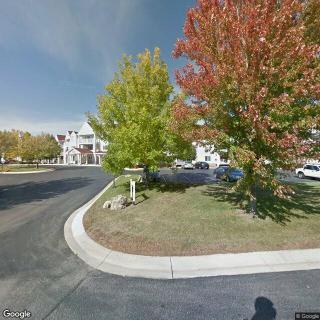
  • pro The grounds are gorgeous, with a game room, exercise rooms, and a library, and residents seem to have fun.
  • pro The Homestead is described as a true home for residents, with an extraordinary, caring team.
  • pro Marketing staff like Hannah, memory support coordinator Cherie, and nurse Christine provide reassurance and thorough, helpful support for families.
  • pro The campus is growing and is a great place to live.
  • pro Jacque Hahn and her team deliver exceptional service and care across the senior-living spectrum.

Cons

  • pro The reviewer notes that office politics outweigh results and there is little support from corporate.
  • pro The reviews describe entrenched entities with immense pull that influence decisions.
  • pro They state that despite increasing occupancy, someone was let go for vague reasons.
  • pro They describe substandard care with towels on the floor, infrequent tidying, thin bedding, and lousy food.
  • pro They report a theft of important papers during leadership changes, with no clear safety updates.
  • pro They mention medication errors and poor follow-up, including wrong dosages and lost pills.
  • pro They point out zero communication with families regarding resident status changes.

Review

Voa Home Health at Rochester is best suited for families seeking a lively, engaged campus where nursing oversight and resident-centric administration are credible anchors. The grounds and amenities give the campus a welcoming, active feel - game rooms, an exercise space, a library - and residents often seem to enjoy multiple group activities. For families who value a convenient Rochester location and a community atmosphere that emphasizes social life alongside basic care, this facility offers a practical, nonclinical home base. In short, it works well for seniors who want to stay socially connected and who trust a nursing team and administrators that seem to know the residents by name.

There are clear reasons to consider alternatives. Several reviews flag inconsistencies in the operations that matter most to families: leadership turnover and internal politics that can color decisions, uneven performance in rehab and daily care, and gaps in communication. Medication management, meal quality, and housekeeping emerge as recurring trouble spots, sometimes accompanied by delays in help or miscommunications about resident status. For families with high expectations for flawless medication handling, consistently excellent meals, or unwavering operational stability, the risk of variability here is a legitimate reason to look elsewhere.

On the upside, the nursing staff receives strong praise in several instances, with administration described as solid and personally aware of residents' needs. The EVS (environmental services) team is repeatedly highlighted as capable, and the location plus ongoing campus growth are tangible assets. The breadth of on-site programming - lanyards of activity, exercise options, social groups - gives residents meaningful ways to stay engaged and can significantly reduce isolation. When families encounter a well-aligned team, daily care feels cohesive, with staff interactions that reflect familiarity with each resident's history and preferences.

Yet the cons carry real weight. Reports of annoyed or stressed staff entering rooms, uneven response times, and occasional safety and cleanliness concerns cannot be dismissed. Food quality is a frequent gripe, with meals described as unappealing or inconsistent in preparation. Medication errors or mismanagement are not trivial accusations in this setting, and several families voiced real worry about doses actually reaching the right patient. Communication gaps - about changes in status, care plans, or issues that affect daily life - also recur, undermining trust when families need timely, transparent updates most.

The key pros offset the downsides only for families who can tolerate some variability in service in exchange for a highly engaged, social environment and reliable nursing oversight. When the staff is cohesive, residents benefit from prompt assistance, respectful treatment, and a robust activity calendar that makes daily life richer and less stressful. A well-maintained campus and a strong EVS presence help counterbalance some dissatisfaction with meals or minor delays. However, for those who cannot tolerate persistent medication risks, frequent lapses in comms, or leadership instability, the positives do not fully compensate. The decision hinges on whether immersive social life and visible nursing competence outweigh operational inconsistencies.

Bottom line: this community fits best for families prioritizing a vibrant, activity-rich setting with dependable nursing interaction and a campus that feels alive. It is less suited for those who require flawless day-to-day operations, impeccable meals, or airtight medication safety. Prospective entrants should conduct thorough tours focused on medication handling, emergency responsiveness, and cleanliness, and speak candidly with current residents and families about real-world daily rhythms. Ask to meet the nurse manager, review current care plans, and verify what is included in the monthly rate. With disciplined vetting, the right fit emerges: a lively, well-supported home that can be excellent for the right resident, while alternative options may be wiser for those needing near-perfect consistency and predictability.

Features

Housing

  • 21 resident community capacity 21 resident community capacity

Types of Care

  • Assisted Living Assisted LivingAssisted living facilities provide crucial support and care for seniors who may need help with daily tasks such as medication management, bathing, and meal preparation. These communities offer a safe and comfortable environment where seniors can maintain their independence while receiving the assistance they need to thrive in their golden years.
  • Continuing Care Retirement Community (CCRC) Continuing Care Retirement Community (CCRC)Continuing Care Retirement Communities (CCRCs) are important for seniors because they provide a range of housing options and care services all in one location. This allows seniors to age in place and receive the level of care they need as their health changes, without having to move to a new facility. CCRCs provide a sense of security and peace of mind for seniors and their families, knowing that they will be taken care of no matter what the future holds.
  • Skilled Nursing Facility Skilled Nursing FacilitySkilled Nursing Facilities are crucial for seniors as they provide round-the-clock medical care, rehabilitation services, and assistance with daily activities. These facilities ensure that seniors receive the specialized care they need to maintain their health and well-being as they age.

Amenities

  • Beauty salon Beauty salonBeauty salons are important for seniors because they provide a space for them to feel pampered, socialize, and maintain their personal grooming and hygiene. Regular visits to a beauty salon can help boost seniors' self-esteem and overall well-being.
  • Cable or satellite TV Cable or satellite TVCable or satellite TV is important for seniors because it provides entertainment, news, and companionship, helping to combat loneliness and boredom. It also offers a wide range of programming options tailored to different interests and preferences.
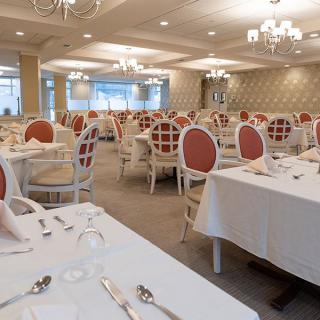
  • Dining room Dining roomDining rooms are important for seniors as they provide a space for socialization, connection, and nutritious meals. They offer opportunities for residents to bond over shared meals, foster a sense of community, and promote healthy eating habits. Dining rooms also ensure that seniors have access to well-balanced meals tailored to their dietary needs and preferences.
  • Fully furnished Fully furnishedFully furnished senior living communities are important for seniors because they provide convenience, comfort, and a hassle-free moving experience. Seniors can easily settle into their new living space without the stress of having to buy and move furniture. This allows them to focus on enjoying their new home and community.
  • Garden GardenGardens are important for seniors as they provide a peaceful and therapeutic environment for relaxation, physical activity, and socialization. Being in nature has been shown to reduce stress, improve mood, and promote overall well-being. Gardens also offer opportunities for seniors to engage in gardening activities, which can improve mobility, flexibility, and cognitive function. Additionally, gardens create a sense of community and connection with others who share a passion for plants and outdoor spaces.
  • Housekeeping services Housekeeping servicesHousekeeping services are important for seniors because they help maintain a clean and safe living environment, promote independence, and reduce the risk of accidents or illnesses. Additionally, having assistance with household chores can alleviate physical strain and allow seniors to focus on other aspects of their well-being.
  • Kitchenette KitchenetteKitchenettes are important for seniors living in senior living communities because they provide the convenience and independence of being able to prepare simple meals and snacks in the comfort of their own living space. This can help promote a sense of autonomy and well-being for seniors, allowing them to maintain some level of control over their dietary choices and daily routines.
  • Move-in coordination Move-in coordinationMove-in coordination is important for seniors because it helps ease the transition into their new living environment. It ensures that all logistics, such as packing, organizing movers, and setting up utilities are taken care of, allowing seniors to focus on settling in and adjusting to their new home. Having a smooth move-in process can alleviate stress and anxiety, making the transition smoother and more enjoyable for seniors.
  • Outdoor space Outdoor spaceOutdoor spaces are important for seniors as they provide opportunities for physical activity, social interaction, exposure to natural light and fresh air, and a sense of connection to nature. Having access to outdoor spaces can improve overall well-being and quality of life for older adults living in senior communities.
  • Telephone TelephoneTelephones are important for seniors as they provide a lifeline for communication with loved ones, emergency services, and healthcare providers. They offer a sense of security and independence, enabling seniors to stay connected and access assistance when needed.
  • Wi-Fi/high-speed internet available Wi-Fi/high-speed internet availableWi-Fi/high-speed internet is important for seniors to stay connected with loved ones, access online resources, and participate in virtual activities to combat feelings of loneliness and isolation. It also allows them to easily manage healthcare needs, access entertainment, and engage in lifelong learning opportunities.

Transportation

  • Rochester International (12 miles away) Rochester International (12 miles away)

Care Services

  • 24-hour call system 24-hour call system24-hour call systems are important for seniors because they provide peace of mind and immediate assistance in case of emergencies. This technology ensures that help is always available, promoting safety and security for elderly individuals living alone or in assisted living facilities.
  • 24-hour supervision 24-hour supervision24-hour supervision is important for seniors to ensure their safety, well-being, and access to immediate assistance in case of emergencies or health issues. This constant support provides peace of mind for both seniors and their loved ones, allowing them to age in place with dignity and security.
  • Activities of daily living assistance Activities of daily living assistanceActivities of daily living assistance are important for seniors because they provide essential support with tasks such as eating, bathing, dressing, and mobility. This assistance helps seniors maintain their independence, dignity, and overall quality of life as they age.
  • Assistance with bathing Assistance with bathingAssistance with bathing is crucial for seniors as it helps maintain personal hygiene, prevents infections, and ensures their overall well-being and comfort. It also provides a sense of dignity and independence for seniors who may struggle with this task on their own.
  • Assistance with dressing Assistance with dressingAssistance with dressing is important for seniors because it helps maintain their independence, promotes personal hygiene, prevents accidents and injuries, and improves overall quality of life. This service ensures that seniors can continue to dress comfortably and confidently, despite any physical limitations they may have.
  • Assistance with transfers Assistance with transfersAssistance with transfers is crucial for seniors as it helps prevent falls and injuries, maintains their independence, and ensures they can safely navigate their living environment. It also provides peace of mind for both seniors and their loved ones.
  • Coordination with health care providers Coordination with health care providersCoordination with health care providers is crucial for seniors to ensure proper medical care, medication management, and overall well-being. This collaboration helps prevent overlapping treatments, track progress more effectively, and provide comprehensive support tailored to individual needs.
  • Diabetes diet Diabetes dietA diabetes diet is crucial for seniors as it helps manage blood sugar levels, reduce risks of complications, and improve overall health and well-being. By following a balanced and nutritious diet tailored to their specific needs, seniors can better control their diabetes and enhance their quality of life.
  • Meal preparation and service Meal preparation and serviceMeal preparation and service are crucial for seniors as they may have limited mobility or energy to cook nutritious meals. Having access to healthy and convenient food options can ensure they are getting the proper nutrition needed to maintain their overall health and well-being.
  • Medication management Medication managementMedication management is crucial for seniors to ensure they are taking the right medications at the correct dosages and times. This helps prevent adverse drug interactions, reduces the risk of medication errors, and promotes overall health and well-being. Proactive management also allows for adjustments as needed based on changing health conditions or new prescriptions.
  • Mental wellness program Mental wellness programMental wellness programs are essential for seniors as they promote cognitive stimulation, emotional support, and social engagement. These programs help prevent isolation, depression, and cognitive decline, ultimately enhancing the overall quality of life for older adults.
  • Special dietary restrictions Special dietary restrictionsSpecial dietary restrictions are important for seniors because age-related changes in metabolism and health conditions can make it difficult for their bodies to process certain foods. By following a diet tailored to their specific needs, seniors can maintain their overall health and well-being, manage chronic conditions, and reduce the risk of complications such as malnutrition or food interactions with medications.
  • Transportation arrangement (medical) Transportation arrangement (medical)Transportation arrangements for medical purposes are essential for seniors as they may have difficulty driving themselves to appointments or accessing public transportation. Having reliable and safe transportation options ensures that seniors can receive timely medical care and maintain their health and well-being.
  • Transportation to doctors appointments Transportation to doctors appointmentsTransportation to doctors' appointments is crucial for seniors as it ensures they have access to necessary medical care and support for their health needs. Without reliable transportation, seniors may struggle to attend important appointments, leading to potential delays in treatment and health complications. Providing transportation services helps seniors maintain their overall well-being and quality of life.

Dining

  • Diabetes diet Diabetes dietA diabetes diet is crucial for seniors as it helps manage blood sugar levels, reduce risks of complications, and improve overall health and well-being. By following a balanced and nutritious diet tailored to their specific needs, seniors can better control their diabetes and enhance their quality of life.
  • Special dietary restrictions Special dietary restrictionsSpecial dietary restrictions are important for seniors because age-related changes in metabolism and health conditions can make it difficult for their bodies to process certain foods. By following a diet tailored to their specific needs, seniors can maintain their overall health and well-being, manage chronic conditions, and reduce the risk of complications such as malnutrition or food interactions with medications.

Activities

  • Community-sponsored activities Community-sponsored activitiesCommunity-sponsored activities are important for seniors as they provide opportunities for social interaction, mental stimulation, and physical activity. These activities can help improve overall well-being, combat loneliness and isolation, and promote a sense of belonging and purpose among older adults.
  • Scheduled daily activities Scheduled daily activitiesScheduled daily activities are important for seniors because they provide structure, socialization, mental stimulation, and physical activity. Engaging in regular activities can improve overall well-being and quality of life for seniors living in a community setting.

Description

Voa Home Health At Rochester in Rochester, MN is a premier assisted living community offering a range of care services for seniors. As a Continuing Care Retirement Community (CCRC) and Skilled Nursing Facility, residents can enjoy the peace of mind knowing that their changing needs will be met as they age.

The community offers various amenities to enhance the quality of life for its residents. Each living space comes fully furnished with cable or satellite TV, Wi-Fi/high-speed internet, and a telephone. There are also dining rooms where residents can enjoy delicious meals prepared by the staff or use the kitchenettes provided in their own accommodations. Outdoor spaces and gardens allow for relaxation and enjoyment of nature.

Voa Home Health provides 24-hour supervision to ensure the safety and well-being of its residents. Assistance with activities of daily living such as bathing, dressing, and transfers is readily available. The dedicated staff coordinates with healthcare providers to ensure proper care and medication management. Special dietary restrictions, including diabetes diets, are accommodated.

The community understands the importance of maintaining an active and engaged lifestyle. Scheduled daily activities are organized to provide entertainment and socialization opportunities for residents. Additionally, there are several nearby cafes, parks, restaurants, pharmacies, physicians' offices, places of worship, theaters, hospitals, and transportation options conveniently accessible to meet various needs.

At Voa Home Health At Rochester in Rochester, MN, seniors can experience a comfortable and supportive environment where their care needs are met while enjoying independence and engaging in a vibrant community life.

Nearby Places of Interest

Parks

  • Essex Park (0.7 miles)
  • Silver Lake Park (3.9 miles)
  • Quarry Hill Park (4.3 miles)
  • Century Hills Park (4.5 miles)
  • Mayo Park (4.5 miles)
  • Quarry Hill Nature Center (4.7 miles)
  • Field of Fun (4.7 miles)

Restaurants

  • McDonald's (0.7 miles)
  • Culver's (1.1 miles)
  • Broadway Bar & Pizza (1.2 miles)
  • Taco Bell (1.3 miles)
  • Erbert & Gerbert's (1.3 miles)
  • Applebee's (1.4 miles)
  • Pho Tai (1.4 miles)

Places of Worship

  • Hosanna Lutheran Church (0.8 miles)
  • Christ Community Church (1.9 miles)
  • St Luke's Episcopal Church (2.5 miles)
  • Gloria Dei Lutheran Church (3.3 miles)
  • Seventh-Day Adventist Church (3.5 miles)
  • People Of Hope (4.4 miles)
  • Bethel Lutheran Church (4.9 miles)

Cafes

  • St James Coffee (1.1 miles)
  • Caribou Coffee (1.3 miles)
  • Panera Bread (1.4 miles)
  • Caribou Coffee (3.2 miles)
  • Starbucks (3.3 miles)
  • Caribou Coffee (3.6 miles)
  • Hollandberry Pannekoeken (4.1 miles)

Pharmacies

  • Walmart Pharmacy (1.2 miles)
  • Target Pharmacy (1.4 miles)
  • CVS Pharmacy (1.5 miles)
  • Hy-Vee Pharmacy (2.1 miles)
  • Pharmaceutical Specialties (3 miles)
  • Mc Be Co. (3 miles)
  • Hunt Silver Lake Drug (3.3 miles)

Physicians

  • Rochester Family Eye Clinic (1.5 miles)
  • Huber Eyecare (2.6 miles)
  • Clear Wave Hearing Instruments (2.7 miles)
  • Rochester Metro (2.9 miles)
  • Reliable Medical Supply (3.5 miles)
  • Psimos Oral Surgery (3.5 miles)
  • Hanger Clinic: Prosthetics & Orthotics (4.1 miles)

Hospitals

  • Olmsted Medical Center (2.4 miles)
  • Olmsted Medical Center (2.5 miles)
  • Southeastern Minnesota Emergency Medical Service (3.5 miles)
  • Rochester Methodist Hospital (4.2 miles)
  • Erickson Hair & Skin Care Center (4.2 miles)
  • Domitilla Building - Saint Marys Hospital (4.2 miles)
  • Saint Marys Hospital (4.2 miles)

Theaters

  • CMX Cinemas Chateau 14 (2.5 miles)
  • CineMagic Hollywood Luxury Stadium 12 (3 miles)

Transportation

  • U-Haul Moving & Storage (3.6 miles)

Frequently Asked Questions

Where is Voa Home Health At Rochester?

Nearby Communities

  • Stanley Jones & Associates

    Stanley Jones & Associates

    Rochester, MN

    1 from 2 reviews
     

    pro 24/7 care with engaging activities and fully furnished accommodations.
  • The Homestead at Rochester

    The Homestead at Rochester

    Rochester, MN

    3.3 from 49 reviews
    $3,450 to $3,595 / month

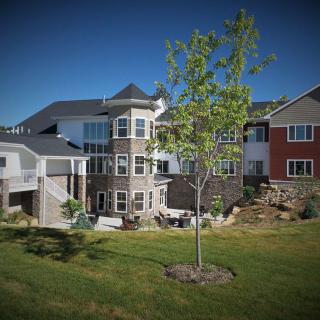
    pro Spacious, well-maintained apartments with ample activities and pleasant grounds.

  • Gramercy Park Cooperative

    Gramercy Park Cooperative

    Rochester, MN

    4.7 from 18 reviews
     

  • Adapta

    Adapta

    Rochester, MN

    4.2 from 9 reviews
     

    pro Fully furnished apartments with comprehensive care, nutritious dining, mental wellness, daily activities, and transportation support.

  • Willows & Water

    Willows & Water

    Rochester, MN

    3.2 from 10 reviews
    $5,500 to $6,500 / month

    pro High-acuity and incontinence care with medication management, plus extensive nearby amenities and transportation.

  • Willows & Waters Senior Living II

    Willows & Waters Senior Living II

    Rochester, MN

    3.2 from 10 reviews
     

    pro Small, personalized community with 24/7 supervision, comprehensive care, and furnished apartments.

  • Madonna Towers Nursing Care

    Madonna Towers Nursing Care

    Rochester, MN

    4.1 from 40 reviews
     

    pro Good reputation for quality care and a pet-friendly environment that supports residents' well-being.

  • River Bend Senior Living

    River Bend Senior Living

    Rochester, MN

    4.1 from 88 reviews
    $3,330 to $4,750 / month

    pro Friendly, welcoming staff; active social programs and well-maintained amenities.

  • The Waters on Mayowood

    The Waters on Mayowood

    Rochester, MN

    4.6 from 77 reviews
    $2,340 to $4,500 / month

    pro Beautiful, well-maintained facility with engaging activities and compassionate staff.

Related Resources

  • assisted living activitiesBeyond the Bingo Hall: 50+ Enriching Activities for Seniors in Assisted Living

    Assisted living communities offer diverse activities beyond traditional games to enhance seniors' physical health, cognitive well-being, emotional enrichment, and social connections, including fitness classes, creative expression, and intergenerational interactions. These enriching programs foster community bonds and support residents' independence and happiness.

  • assisted living vs memory careUnderstanding the Distinctions: Assisted Living and Memory Care Explained

    The article differentiates between assisted living and memory care, explaining that assisted living supports seniors with daily activities while promoting independence, whereas memory care provides specialized services for individuals with dementia, focusing on secure environments and cognitive support. It also addresses staff training, safety considerations, costs, family involvement, and transition strategies for families navigating these care options.

  • elderly parent refuses assisted livingGuiding Elderly Parents Who Refuse Assisted Living: 6 Practical Steps

    Family caregivers face emotional, legal, and practical challenges when elderly parents refuse assisted living, often due to fears of losing autonomy. Open conversations and professional assessments can help address these concerns while exploring alternatives and ensuring safety, potentially leading to legal guardianship if necessary.