
1800 High Pointe Lane North West 250, Rochester, MN 55901
For more information about senior living options: (866) 208-4318
Overall Review of Stanley Jones & Associates
Pros
 The doorbell camera helped document the incidents.
- Beth reassured that the situation should not have happened.
- The documentation and monitoring are seen as safeguards for vulnerable adults.
Cons
 The doctor-ordered 10 hours of assistance were never provided to the mother.
- Emma, the home aide, was observed bringing a visitor to the mother’s home on two occasions.
- Weeks passed with no services, and there was no communication informing the family about ongoing service gaps.
- The company allegedly refused to allow contact with Virginia or Beth when inquiries were made.
- The reviewer asserts that dropping services is unlawful and unacceptable.
- The situation is described as putting vulnerable adults in danger, and the reviewer strongly warns others not to work with the agency for their child.
Review
Stanley Jones & Associates in Rochester, MN is best suited for families that can actively supervise and manage in-home care, and for seniors whose needs are primarily daily living support rather than intensive medical oversight. The two published reviews reveal a gap between promise and performance, signaling that this agency may work only for households prepared to police care, demand strict accountability, and be ready to switch providers at the first sign of trouble. In practical terms, it serves a niche: families who can juggle caregiver scheduling, monitor interactions, and insist on immediate escalation when hours aren’t met or safety concerns arise. For anyone counting on dependable, consistent service, this is a high-risk selection.
Those who may want to consider alternatives are clear: anyone whose relative requires reliable, fixed hours, rigorous caregiver vetting, or robust supervision should look elsewhere. The pattern in the reviews suggests serious drawbacks for clients with serious mobility limits, cognitive or sensory impairment, or a need for continuous, predictable caregiving. For families seeking peace of mind and steady caregiver presence, other home-care providers with stronger track records, better communication protocols, and visible accountability are worth a hard comparison. If the goal is to minimize family oversight while maximizing care reliability, alternatives should be prioritized.
Pros, where they exist, do not meaningfully offset the dominant cons revealed in these accounts. In-home aides and (perceived) flexibility are nominal advantages, yet they fail to overcome the central issues: hours promised are not delivered, and service gaps leave vulnerable relatives at risk. The presence of a nurse and individual aides may suggest a capable team, but the critical failures, missed visits, inconsistent scheduling, and fragile supervision, undercut any potential benefit. When a caregiver is caught bringing someone unapproved onto a client’s property, the core trust required for at-home care is shattered, and that breach erodes any perceived convenience or cost savings.
The most troubling specifics cluster around reliability and safety. A caregiver allegedly failed to provide the 10 hours of assistance prescribed by a doctor, with further incidents indicating a pattern rather than an anomaly. Communication breakdowns are evident: attempts to address the issue were met with blocked calls to supervisors, and families were left to navigate an implausibly slow remediation path. A second, equally alarming thread is the claim that a home aide repeatedly brought an unapproved visitor to the home, followed by a reluctance from the agency to acknowledge or resolve the misconduct. Two weeks of no services, coupled with insufficient outreach, signals a systemic problem rather than a one-off misstep.
Actionable guidance follows from these realities. Families considering this agency should insist on a formal, written care plan with hour-by-hour scheduling, a named supervisor, and a guaranteed escalation path for any missed visits or unsafe incidents. Require transparent contract language about caregiver rotation, background checks, incident reporting, and a clear policy on visitors. Demand weekly updates and an explicit commitment to remediation if promised hours are not met. Before committing, test the response to a service disruption with a short-term agreement and enforceable consequences for nonperformance. In parallel, verify licensure and complaint history with the Minnesota Department of Health and compare with other providers’ track records in Rochester.
In the end, the decision is clear: the red flags here outweigh any potential convenience. Stanley Jones & Associates presents a viable option only for families who can sustain intense supervision, demand constant accountability, and are prepared to switch promptly if care deteriorates. For anyone seeking dependable, predictable, and safely managed in-home support, stronger alternatives should be pursued, whether that means another home-care agency with proven reliability or a transition to an assisted living setting where staffing and safety systems are engineered for consistency. Given the documented experiences, proceeding with caution and pursuing alternatives is the prudent course.
 21 resident community capacity
 Assisted Living
 Beauty salon
 Cable or satellite TV
 Dining room
 Fully furnished
 Garden
 Housekeeping services
 Kitchenette
 Move-in coordination
 Outdoor space
 Telephone
 Wi-Fi/high-speed internet available
 Rochester International (12 miles away)
 24-hour call system
 Activities of daily living assistance
 Assistance with bathing
 Assistance with dressing
 Assistance with transfers
 Diabetes diet
 Meal preparation and service
 Medication management
 Mental wellness program
 Special dietary restrictions
 Transportation arrangement (medical)
 Transportation to doctors appointments
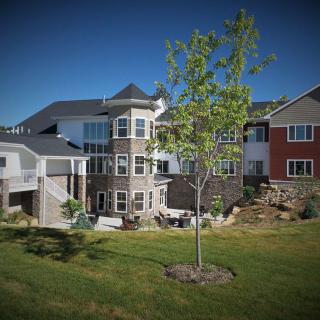

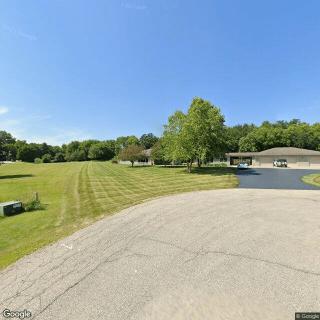



 Comprehensive Supportive Living Arrangements for Adults with Disabilities
 Funding and Affording Assisted Living: A Thorough Overview
 Assisted Living Expenses and Long-Term Care Insurance: A Comprehensive Exploration