Residents and families repeatedly describe staff as caring and responsive.
Many reviews focus on how supported residents and families feel, with comments about staff kindness, patience, and willingness to help with questions and transitions. Several reviewers mention frequent check-ins and clear communication, including memory care staff who interact closely with residents. Even among critical reviews, families describe specific breakdowns in how staff handled intake, complaints, billing, or behavior concerns.
common4 reviews mention this
Clean, welcoming spaces stand out
Multiple residents’ families highlight a clean, well-kept environment.
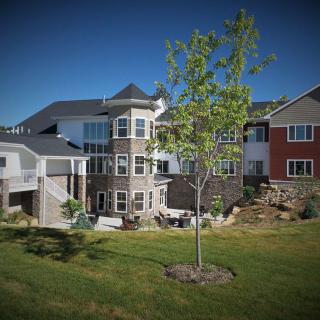
Cleanliness comes up across several reviews, including remarks about a well-maintained facility and a building that feels inviting. A reviewer who visits regularly as a physical therapist also specifically called out the clean common areas and resident rooms. Another review described the newer, updated look in both assisted living and memory care as less confining and bright.
common4 reviews mention this
Food is a consistent highlight
Dining is repeatedly described as a standout quality.
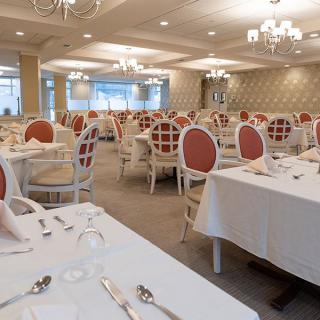
Several reviews praise the kitchen and meal variety, including compliments on desserts and meals that feel more like eating at a restaurant than a cafeteria. One reviewer described food as wonderful across multiple meals they enjoyed, while another said the food quality is better than most places they’d seen. A separate reviewer reported that the food had gone downhill, which is the main negative dining note in the set.
common7 reviews mention this
Activities keep residents engaged
Residents are described as staying engaged through frequent activities.
Reviews commonly mention activities and engagement, including residents participating in daily activities and making friends. Family members also describe staff doing a good job getting residents involved, including those who might be reluctant. Multiple reviewers point to social events, outings, and an overall sense that there is a lot for residents to do.
differentiator5 reviews mention this
Memory care feels more home-like
Memory care reviews highlight home-like spaces and supportive daily care.
Several reviews tie the experience to memory care, including comments about transitions into memory care being handled with compassion. One reviewer described a recent memory care interior upgrade that looks less confining and more like home. Other reviews also mention residents being supported to participate in activities and maintain independence where possible, while one critical review describes serious concerns about how a loved one with Lewy body dementia was handled.
caveat2 reviews mention this
Billing and discharge can be frustrating
Some families report billing problems and stressful discharge timing.
A couple of reviews describe money-management issues, including overbilling for medications and delayed refund follow-through. Another review describes a difficult discharge process with billing timing and amounts that felt incorrect, including pressure to move belongings to avoid an additional month of memory care. These reports stand out against the many positive comments about support during transitions.
How we summarize
Counts show how many written reviews mention each theme; a review can touch several themes, and only frequently mentioned themes are displayed.
Features
Housing
21 resident community capacity
Types of Care
Assisted Living
Amenities
Beauty salon
Cable or satellite TV
Dining room
Fully furnished
Garden
Housekeeping services
Kitchenette
Move-in coordination
Outdoor space
Telephone
Wi-Fi/high-speed internet available
Transportation
Rochester International (9 miles away)
Care Services
24-hour call system
24-hour supervision
Activities of daily living assistance
Assistance with bathing
Assistance with dressing
Assistance with transfers
Coordination with health care providers
Diabetes diet
Meal preparation and service
Medication management
Mental wellness program
Special dietary restrictions
Transportation arrangement (medical)
Transportation to doctors appointments
Dining
Diabetes diet
Special dietary restrictions
Activities
Community-sponsored activities
Resident-run activities
Scheduled daily activities
Nearby Places of Interest
This area of Rochester, Minnesota offers a convenient and vibrant setting for seniors looking to reside in the city. With a variety of cafes such as Starbucks and Caribou Coffee within walking distance, there are plenty of options for enjoying a cup of coffee or socializing with friends. Nearby pharmacies like Hunt Silver Lake Drug and Mayo Clinic Baldwin Pharmacy provide easy access to medical services and prescriptions. Additionally, there are several reputable restaurants like Chester's Kitchen and Bar and Victoria's Ristorante & Wine Bar for dining out. The proximity to parks such as Silver Lake Park and Quarry Hill Nature Center offers opportunities for outdoor recreation and relaxation. With hospitals like Rochester Methodist Hospital and Saint Marys Hospital nearby, residents can feel confident in having access to quality healthcare services. Overall, this neighborhood provides a welcoming and accessible environment perfect for senior living.
Cafes
Starbucks (0 miles)
Caribou Coffee (0.1 miles)
Hollandberry Pannekoeken (0.9 miles)
Caribou Coffee (1.2 miles)
Caribou Coffee (1.4 miles)
St James Coffee (2.3 miles)
Panera Bread (2.4 miles)
Pharmacies
Hunt Silver Lake Drug (0.1 miles)
Hunt Drug Ide01 (0.1 miles)
Guidepoint Pharmacy (0.9 miles)
Mayo Clinic Baldwin Pharmacy (1 miles)
Weber & Judd Co. (1.1 miles)
Walgreens (1.1 miles)
Weber & Judd Pharmacy (1.1 miles)
Restaurants
McDonald's (0.3 miles)
Taco Bell (0.7 miles)
Taco John's (0.9 miles)
Al Madina Restaurant (1 miles)
Forager Brewing Company (1 miles)
Victoria's Ristorante & Wine Bar (1 miles)
Chester's Kitchen and Bar (1.1 miles)
Physicians
Psimos Oral Surgery (0.3 miles)
Rochester Metro (0.8 miles)
Charlton Building - Mayo Clinic (1 miles)
Mid America Orthopaedic Assoc (1.1 miles)
Clear Wave Hearing Instruments (1.1 miles)
Brackenridge Building - Mayo Clinic (1.2 miles)
Mayo Eugenio Litta Children's Hospital (1.6 miles)
Parks
Silver Lake Park (0.6 miles)
Mayo Park (1.2 miles)
Quarry Hill Park (1.3 miles)
Field of Fun (1.7 miles)
Quarry Hill Nature Center (1.8 miles)
Century Hills Park (2.4 miles)
Graham Hockey Arena (2.6 miles)
Places of Worship
Gloria Dei Lutheran Church (0.8 miles)
St Luke's Episcopal Church (1.5 miles)
Bethel Lutheran Church (1.7 miles)
Hospitals
Southeastern Minnesota Emergency Medical Service (1 miles)
Rochester Methodist Hospital (1 miles)
Erickson Hair & Skin Care Center (1 miles)
Mayo 19 (1.2 miles)
Domitilla Building - Saint Marys Hospital (1.4 miles)
Rosemount Home Care II is located at River Bend 30 Silver Lake Place N, Rochester, MN 55901 in Olmsted County, Minnesota
Nearby Communities
River Bend Assisted Living
Rochester, MN
3.9 from 43 reviews
Strong memory care specialty with 24/7 supervision and a wide range of on-site amenities (dining, fitness, salon, library, outdoor spaces) that support independence.
River Bend Senior Living
Rochester, MN
4.1 from 96 reviews
$3,330 to $4,750 / month
Friendly, welcoming staff; active social programs and well-maintained amenities.
Robland Home Health Care
Rochester, MN
4.9 from 7 reviews
24/7 supervision with comprehensive care and a mental wellness program.
Smart Choice Home Care Corpora
Rochester, MN
5 from 24 reviews
24/7 supervision with comprehensive care and extensive amenities in furnished apartments.
Glazon Care Services
Rochester, MN
3.7 from 3 reviews
24/7 supervision and medication management with restaurant-style dining in a comfortable, fully furnished setting.
Visiting Angels IX
Rochester, MN
4.9 from 39 reviews
24/7 care with full amenities and on-site support.
Madonna Towers Nursing Care
Rochester, MN
4.1 from 44 reviews
Good reputation for quality care and a pet-friendly environment that supports residents' well-being.
The Waters on Mayowood
Rochester, MN
4.6 from 81 reviews
$2,340 to $4,500 / month
Beautiful, well-maintained facility with engaging activities and compassionate staff.
The Homestead at Rochester
Rochester, MN
3.4 from 50 reviews
$3,450 to $3,595 / month
Spacious, well-maintained apartments with ample activities and pleasant grounds.
Activities of Daily Living (ADLs) are fundamental tasks vital for an individual's independence, particularly in older adults over 85, and include functions like bathing and dressing; assessing ADLs alongside Instrumental Activities of Daily Living (IADLs) helps determine the level of required assistance due to age-related health challenges. Tailored support plans, involving family and community resources, are essential for maintaining dignity and autonomy in assisted living environments.
Medicare does not cover assisted living costs, as it focuses on acute medical needs and short-term care, with exceptions for certain medically necessary services like physical therapy. Individuals must explore other options such as Medicaid, veterans' benefits, or long-term care insurance to manage these expenses effectively.
Choosing between assisted living and nursing homes involves evaluating emotional and financial factors, with assisted living offering independence and support for daily activities at a lower cost, while nursing homes provide intensive medical care for individuals with significant health needs. The decision is influenced by personal preferences, health status, cognitive function, and varying Medicaid coverage across states.
Get PricingAsk A QuestionSchedule A TourContact Senior Advisor
By clicking submit, you agree to our Partner's Terms of Use. You
also consent to receive calls and texts, which may be autodialed, from our Partner. Your consent is not a condition to
using our Partner's service. Please visit our Partner's Privacy Policy for information about their privacy practices.


 21 resident community capacity
 Assisted Living
 Beauty salon
 Cable or satellite TV
 Dining room
 Fully furnished
 Garden
 Housekeeping services
 Kitchenette
 Move-in coordination
 Outdoor space
 Telephone
 Wi-Fi/high-speed internet available
 Rochester International (9 miles away)
 24-hour call system
 Activities of daily living assistance
 Assistance with bathing
 Assistance with dressing
 Assistance with transfers
 Diabetes diet
 Meal preparation and service
 Medication management
 Mental wellness program
 Special dietary restrictions
 Transportation arrangement (medical)
 Transportation to doctors appointments
 Strong memory care specialty with 24/7 supervision and a wide range of on-site amenities (dining, fitness, salon, library, outdoor spaces) that support independence.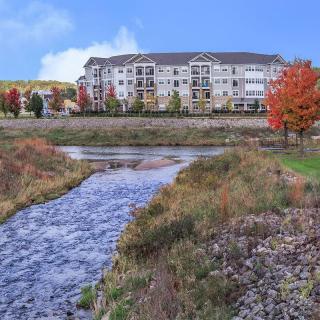

 Comprehensive Insights into Activities of Daily Living (ADLs) and Their Assessment
 Medicare Coverage for Assisted Living: An In-Depth Exploration
 Choosing the Right Senior Care: A Detailed Exploration of Assisted Living and Nursing Homes