For more information about senior living options: (866) 208-4318
3.8 from 106 reviews
5 stars
46
4 stars
24
3 stars
18
2 stars
4
1 stars
14
Primetime Living Costs & Pricing
Primetime Living offers competitive pricing for its studio accommodations, with a monthly cost of $1,800. This rate stands in stark contrast to the average costs in Wabasha County, which are approximately $3,322, and even more so compared to the broader state average of $3,617. Such favorable pricing not only highlights Primetime Living's commitment to providing accessible housing options but also positions it as an attractive choice for individuals seeking quality living without the burden of excessive financial strain.
Floor plans
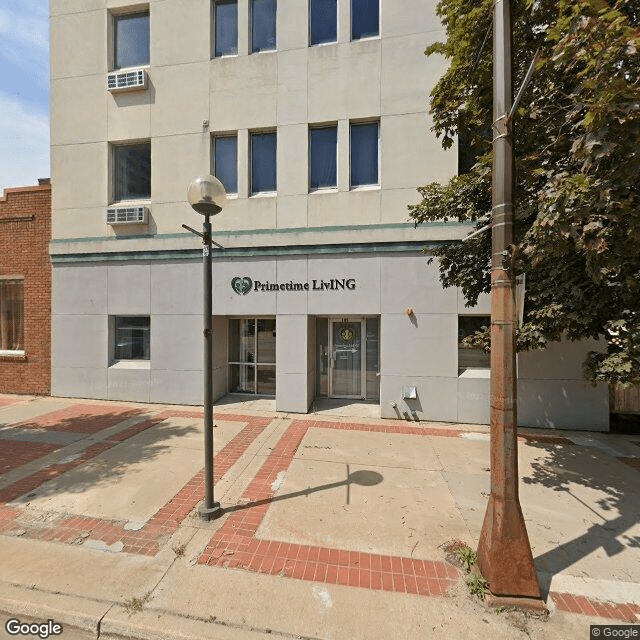
Primetime Living
Wabasha County
Minnesota
Studio
$1,800
$3,322
$3,617
Overall Review of Primetime Living
differentiator15 reviews mention this
Location near Mayo and downtown
Its location near Mayo Clinic is a recurring reason people choose to stay.
Multiple residents describe it as very close to Mayo Clinic and convenient for trips into downtown, civic areas, and nearby stores and restaurants. Reviews also mention easy access to Mayo-related appointments and the surrounding medical area. A few note the convenience as part of why they return for future visits.
common16 reviews mention this
Staff help during check-in
Residents repeatedly describe responsive, helpful staff during the leasing or check-in process.
Across the reviews, residents and visitors mention staff who are knowledgeable, available, and quick to help with questions during the move-in/booking period. Several specifically call out managers or staff members as patient and accommodating during the leasing process. There are also a few complaints where people report difficulty contacting someone after hours or note the lack of on-site presence at certain times.
caveat18 reviews mention this
Cleanliness quality varies
Cleanliness is inconsistent, with some stays described as very clean and others as dirty.
Some reviews highlight clean rooms, clean facilities, and daily comfort like clean floors and well-kept apartments. Other reviews describe problems like hair, dirty surfaces, stained areas, dirty floors, or strong odors, sometimes in enough detail that they were disappointed with the overall stay. Even among generally positive notes, a few mention flaws such as showing age or not meeting cleanliness expectations.
caveat5 reviews mention this
Shuttle to Mayo is hit-or-miss
The Mayo shuttle shows up in reviews, but availability isn’t always dependable.
Several reviews say there is a free shuttle to Mayo Clinic or that shuttle service is available, including references to on-call or convenient access. At the same time, some residents report there was no shuttle during their visit and that they weren’t given clear notice. A reviewer describes having to drive themselves for appointments because the shuttle wasn’t available as expected.
caveat5 reviews mention this
Noise and thin walls
Some residents report noise issues from thin walls and late-night activity.
A few reviews mention paper-thin walls and hearing footsteps or tables when neighbors are moving around. Others describe unpleasant hall conditions or late-night activity from other tenants, including disturbances that affected sleep. While some describe quiet living, the negative noise mentions are recurring enough to feel like a watch-out for light sleepers.
caveat10 reviews mention this
Pricing feels high for some
Reviews show mixed feelings about pricing, with some calling it affordable and others calling it expensive.
Some residents describe the cost as reasonable or even affordable compared with alternatives, especially for extended trips tied to Mayo appointments. Others explicitly call it pricey or steep for what they get, and at least one review mentions rent being on the higher side and deposits or added fees. A few reviews also frame their overall rating as depending on value for money, not just the physical space.
How we summarize
Counts show how many written reviews mention each theme; a review can touch several themes, and only frequently mentioned themes are displayed.
Features
Housing
4 resident community capacity
Types of Care
Assisted Living
Amenities
Activities on-site
Cable or satellite TV
Devotional services off-site
Dining room
Fully furnished
Garden
Housekeeping services
Indoor common areas
Move-in coordination
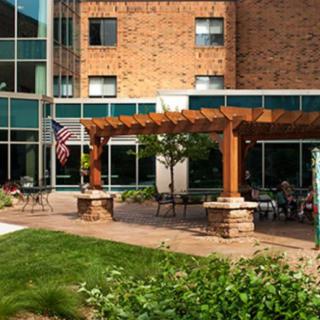
Outdoor space
Telephone
Wi-Fi/high-speed internet available
Transportation
Rochester International (8 miles away)
Care Services
24-hour supervision
Activities of daily living assistance
Ambulatory care
Assistance with bathing
Assistance with dressing
Assistance with transfers
Coordination with health care providers
Diabetes diet
Diabetic care
Incontinence care
Meal preparation and service
Medication management
Special dietary restrictions
Transportation arrangement (medical)
Transportation to doctors appointments
Dining
Diabetes diet
Meals provided
Special dietary restrictions
Activities
Activities on-site
Community-sponsored activities
Devotional activities offsite
Scheduled daily activities
Nearby Places of Interest
This area of Rochester, Minnesota offers a convenient and diverse range of amenities for seniors considering living in the area. With several pharmacies within close proximity, including Mayo Clinic Baldwin Pharmacy and Weber & Judd Co., accessing medication and healthcare services is convenient. There are also various cafes such as Hollandberry Pannekoeken and Starbucks, providing opportunities for socializing and enjoying a cup of coffee. The dining options in the area are plentiful, with restaurants like Al Madina Restaurant and Chester's Kitchen and Bar offering a variety of cuisines. Nearby parks like Mayo Park and Silver Lake Park provide opportunities for outdoor recreation, while healthcare facilities such as Olmsted Medical Center Hospital and Charlton Building - Mayo Clinic offer quality medical care. Additionally, there are places of worship like Bethel Lutheran Church and transportation options like U-Haul Moving & Storage available in the vicinity. Overall, this area of Rochester provides convenience, accessibility, and a vibrant community for seniors looking to settle down in the area.
Pharmacies
Guidepoint Pharmacy (0.2 miles)
Eagle Drug Of Rochester (0.3 miles)
Weber & Judd Co. (0.3 miles)
Mayo Clinic Baldwin Pharmacy (0.3 miles)
Weber & Judd-South Broadway (0.9 miles)
Hunt Drug Ide01 (0.9 miles)
Hunt Silver Lake Drug (0.9 miles)
Cafes
Hollandberry Pannekoeken (0.2 miles)
Starbucks (0.9 miles)
Caribou Coffee (1 miles)
Caribou Coffee (1.1 miles)
Caribou Coffee (1.2 miles)
St James Coffee (3.2 miles)
Panera Bread (3.3 miles)
Restaurants
Al Madina Restaurant (0.2 miles)
Pescara (0.2 miles)
Chester's Kitchen and Bar (0.3 miles)
Victoria's Ristorante & Wine Bar (0.3 miles)
Taco Bell (0.3 miles)
Terza Ristorante (0.3 miles)
Cafe Steam (0.4 miles)
Parks
Mayo Park (0.3 miles)
Silver Lake Park (0.4 miles)
Field of Fun (0.8 miles)
Quarry Hill Park (1.1 miles)
Quarry Hill Nature Center (1.5 miles)
Graham Hockey Arena (1.6 miles)
Century Hills Park (2.6 miles)
Physicians
Brackenridge Building - Mayo Clinic (0.3 miles)
Mid America Orthopaedic Assoc (0.3 miles)
Charlton Building - Mayo Clinic (0.4 miles)
Psimos Oral Surgery (0.7 miles)
Carol Reid, MD (0.9 miles)
Olmsted Medical Center Hospital (1.1 miles)
Mayo Eugenio Litta Children's Hospital (1.2 miles)
Hospitals
Erickson Hair & Skin Care Center (0.3 miles)
Rochester Methodist Hospital (0.3 miles)
Mayo 19 (0.4 miles)
Mayo 8-Neuro Surgery (0.9 miles)
Domitilla Building - Saint Marys Hospital (1.1 miles)
Olmsted Medical Center (1.1 miles)
Southeastern Minnesota Emergency Medical Service (1.1 miles)
Primetime Living offers competitive pricing for its studio accommodations, with a monthly cost of $1,800. This rate stands in stark contrast to the average costs in Wabasha County, which are approximately $3,322, and even more so compared to the broader state average of $3,617. Such favorable pricing not only highlights Primetime Living's commitment to providing accessible housing options but also positions it as an attractive choice for individuals seeking quality living without the burden of excessive financial strain.
Medicare does not cover assisted living costs, as it focuses on acute medical needs and short-term care, with exceptions for certain medically necessary services like physical therapy. Individuals must explore other options such as Medicaid, veterans' benefits, or long-term care insurance to manage these expenses effectively.
Choosing between assisted living and nursing homes involves evaluating emotional and financial factors, with assisted living offering independence and support for daily activities at a lower cost, while nursing homes provide intensive medical care for individuals with significant health needs. The decision is influenced by personal preferences, health status, cognitive function, and varying Medicaid coverage across states.
Assisted living in 2025 offers a crucial balance of independence and support for seniors, with costs varying from $2,500 to over $7,000 per month based on factors such as location and care level. Understanding pricing complexities, including regional differences and potential hidden fees, is essential for families to plan financially while ensuring quality care for their loved ones.
Get PricingAsk A QuestionSchedule A TourContact Senior Advisor
By clicking submit, you agree to our Partner's Terms of Use. You
also consent to receive calls and texts, which may be autodialed, from our Partner. Your consent is not a condition to
using our Partner's service. Please visit our Partner's Privacy Policy for information about their privacy practices.

 4 resident community capacity
 Assisted Living
 Activities on-site
 Cable or satellite TV
 Devotional services off-site
 Dining room
 Fully furnished
 Garden
 Housekeeping services
 Indoor common areas
 Move-in coordination
 Outdoor space
 Telephone
 Wi-Fi/high-speed internet available
 Rochester International (8 miles away)
 24-hour supervision
 Ambulatory care
 Assistance with bathing
 Assistance with dressing
 Assistance with transfers
 Diabetes diet
 Diabetic care
 Incontinence care
 Meal preparation and service
 Medication management
 Special dietary restrictions
 Transportation arrangement (medical)
 Transportation to doctors appointments
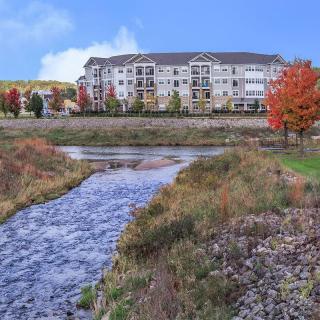
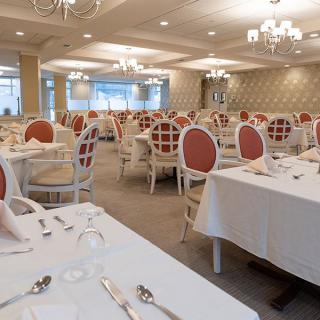
 Fully furnished units with 24-hour supervision and restaurant-style dining.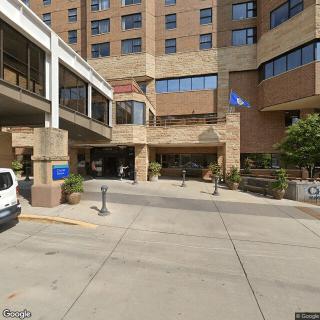

 Medicare Coverage for Assisted Living: An In-Depth Exploration
 Choosing the Right Senior Care: A Detailed Exploration of Assisted Living and Nursing Homes
 Understanding the True Cost of Assisted Living in 2025: A Comprehensive Guide